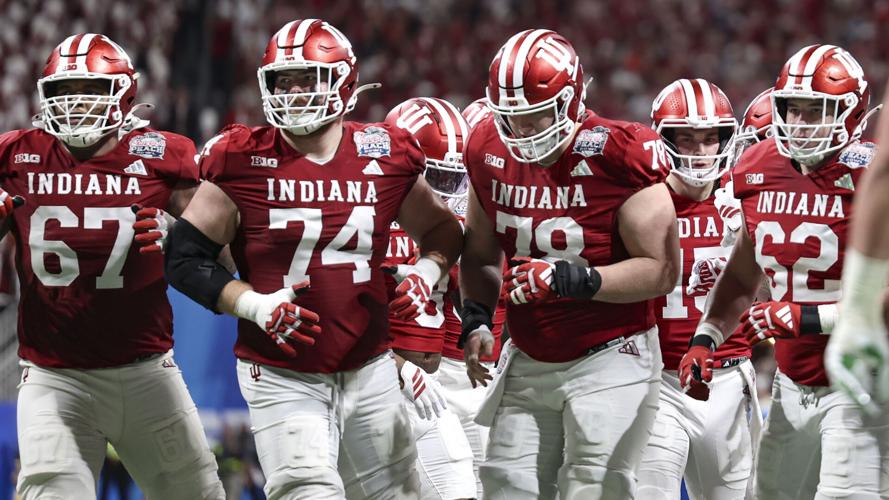

MIAMI, Fla. (WDRB) -- When Curt Cignetti arrived in Bloomington, there wasn't much left of the Indiana football program. Ten offensive starters had entered the transfer portal. One defender remained. Just 40 scholarship players were left.
Cignetti knew exactly what he was heading into. He also knew exactly what he wanted to do.
"By day three, we had to hit the portal hard," he said.
Two years, 52 transfers, and 26 victories later, Indiana is playing for a national championship. And the question everyone is asking is how? Cignetti's leadership style, practice plans, even his diet are being pored over like a treasure map.
Louisville | Kentucky | Indiana | Eric Crawford
"People and a plan," Cignetti often answers himself. He brought the core of his staff leadership with him. And a core of players.
But the most revolutionary aspect of what he has done at Indiana is in roster construction. Not in how he's done it. But in who he has done it with.
Before last week's semifinal win over Oregon, Cignetti said he spent many of his assistant coaching days wanting to ditch his recruiting coordinator role. His dad, a Hall of Fame coach, warned him, "that could be useful one day." He spoke the truth.
"I think all that recruiting coordinator experience I had in the past, as well as coaching, probably benefited me," he said.
The Blueprint
Cignetti didn't chase stars. He built a team. He knew what he wanted: proven producers, not recruiting trophies. Target multi-year FBS starters. Fill critical needs. Demand discipline.
In 2024, Indiana brought in 30 transfers. In 2025, another 22.
Consider what that portal group has contributed to the team this season: 11 were starters; 19 have appeared in games, nine were voted All-Big Ten Conference, and one won the Heisman Trophy.
When he arrived in Bloomington, Cignetti brought 13 players from James Madison, where he had gone 19-5.
One of them was Elijah Sarratt, a soft-spoken, always-open receiver who led the Big Ten in touchdown receptions this season, caught the go-ahead touchdown in the Big Ten championship win over Ohio State and had two TD catches in the playoff semifinal win over Oregon.

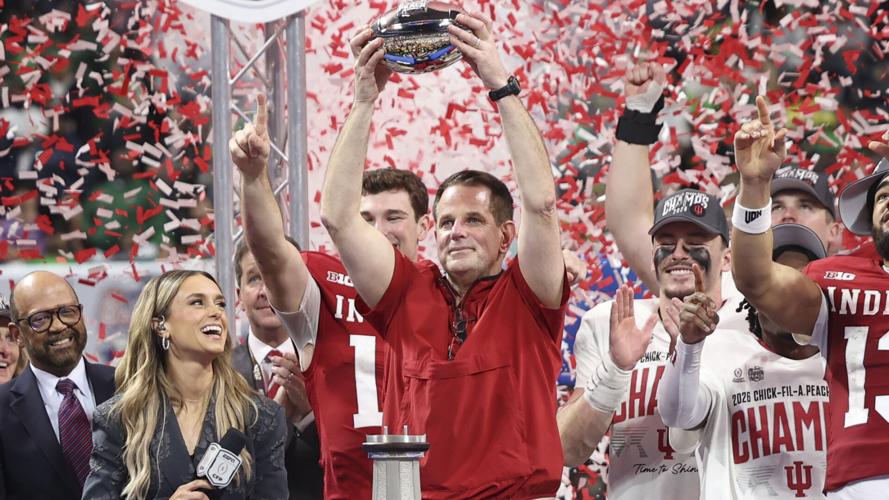
Indiana coach Curt Cignetti lifts the trophy after his team's Peach Bowl win over Oregon.
Another was D'Angelo Ponds, the ball-hawking corner who opened the College Football Playoff semifinal with a pick-six.
Another, linebacker Aiden Fisher, is a defensive captain and two-time first-team All-American, the only first-team All-American linebacker in school history.
Another, running back Kaelon Black, is part of Indiana's 1-2 punch at running back. He ran for 99 yards and two touchdowns in the Rose Bowl win and had two rushing TDs against Oregon in the Peach Bowl.
In short, Cignetti brought some weapons from James Madison. And they didn't just give the program a lift on the field. They helped Cignetti establish the culture he wanted. It wasn't just a pipeline. It was a trust bridge.
"They've been a big part of what's transpired here, especially year one in the transition," Cignetti said. "We had a lot of guys decide to stay. A lot of new guys, the JMU guys, probably represented about half of the transfers we brought in in December. They were probably able to answer some questions for the new guys, the returners, too, in terms of how we do things and about me and the other coaches."
AD Scott Dolson watched it unfold with awe.
"By the end of the first week," he said, "I told my wife, 'This thing is already rolling.'"
Experience Wins
The average college football fan has been trained to think in stars. Four-star recruits. Five-star flips. Blue-chip ratios. Cignetti flipped the script.
"Coach Cignetti always says, I'm sure you guys have heard it, production over potential," offensive coordinator Mike Shanahan said. "With production usually comes a wealth of experience."
Indiana's 2025 roster includes 28 final-year players. Most of them weren't elite prospects. They were grown men who knew their roles, didn't need selling, and didn't care about social media graphics.
"College football has changed," Cignetti said. "You've got to be light on your feet if you're going to survive."
This was a team built for now, and built with intention.
Moneyball, But With Muscle
Indiana didn't win with NIL flash. But it did make investments.
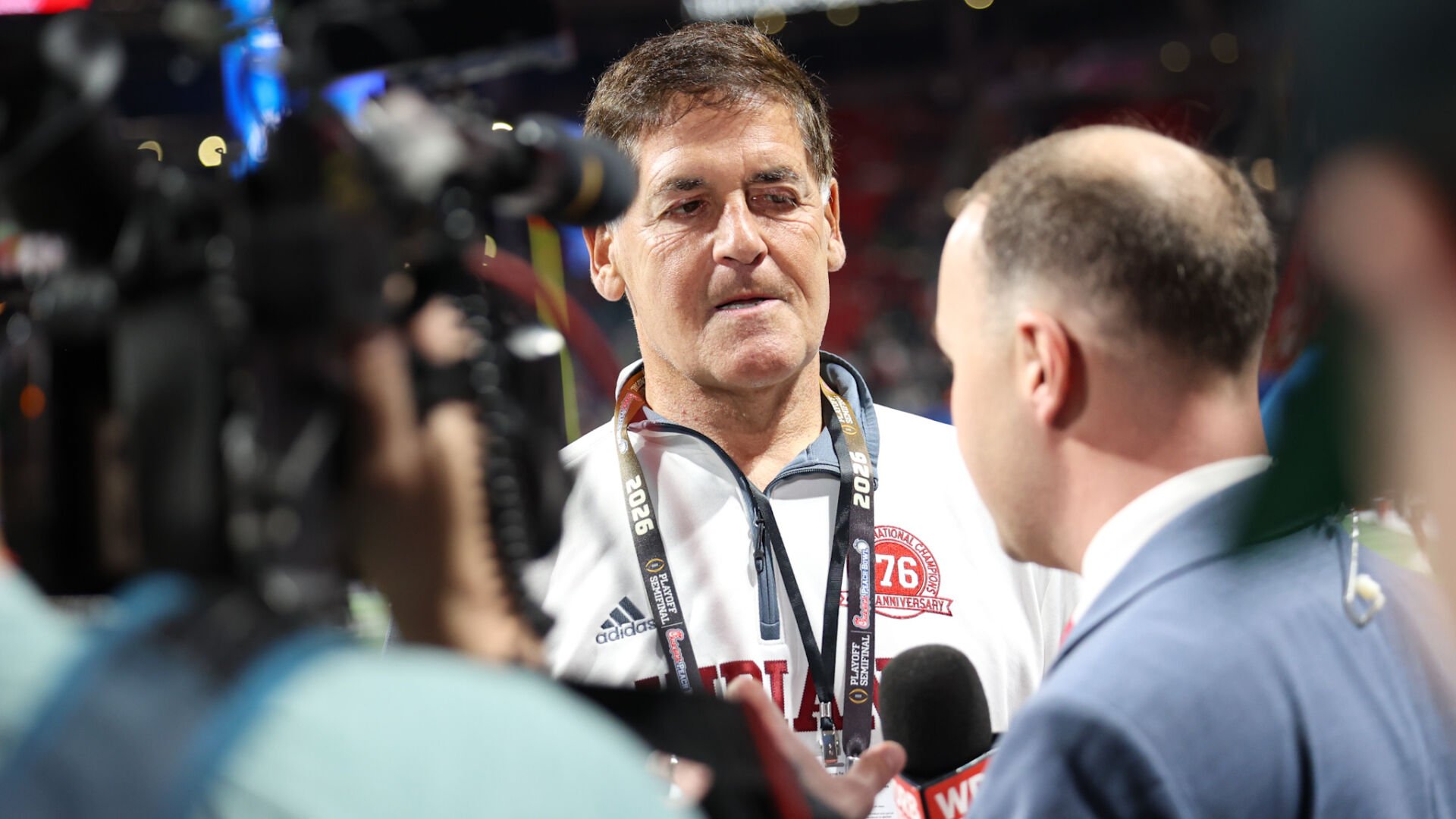
Donor Mark Cuban doubled his donation after seeing what Cignetti was building. And he put it bluntly.
"Everybody wants to win the portal," Cuban said. "That's not building a team."
Cignetti's model — culture-first, need-based, experience-driven — mirrors what smart pro teams do with free agency. Fill gaps. Stay old. Value the locker room as much as the stat sheet.
He has talked about evaluating recruits by hip and ankle mobility, a trick he picked up from Saban at Alabama. The goal isn't just to be good. It's to be explosive at the moment of truth. Another example of knowing what he wants.
"It's a start-stop game," Cignetti said. "You've got to have (hip and ankle mobility) for change of direction, but you also need those to create explosive power."
Built, Not Bought
There are only seven former four-star recruits on Indiana's roster, depending on which recruiting service you consult. There are only two in their starting lineup, no 5-star recruits, and only one former Top 100 recruit.
There are more players from UMass than from IMG Academy. They've outperformed payroll, recruiting rankings, and every expectation placed on them.
Still, this isn't Cinderella. It's a blueprint.
It worked at Elon. It worked at James Madison. And now, with the right backing and the right locker room, it's worked at Indiana, on the biggest stage of all.
They didn't just win the portal.
They built a team.
WDRB's coverage of Indiana football's historic season










Copyright 2026 WDRB Media. All Rights Reserved.


