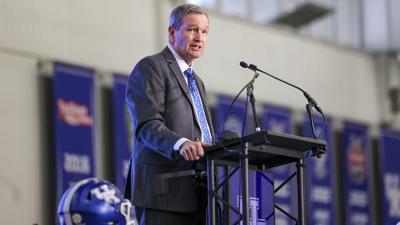

LOUISVILLE, Ky. (WDRB) — Mitch Barnhart arrived at Kentucky in 2002 expecting to stay six to eight years.
He stayed nearly a quarter century. And if murmurs around college athletics prove true, that climb may soon reach its summit.
According to a report from ESPN's Pete Thamel, Barnhart, 66, the longest-tenured athletics director in the SEC and one of the most influential administrators in modern college sports, is expected to announce his retirement, ending a 24-year run that reshaped Kentucky athletics far beyond basketball.
He will leave as the school's 10th athletic director, and arguably its most consequential.
A tenure defined by expansion
When Barnhart replaced Larry Ivy in 2002, Kentucky athletics was successful but narrower in scope. Men's basketball defined the brand. Football fought for footing.
Under Barnhart, the department broadened its ambition.
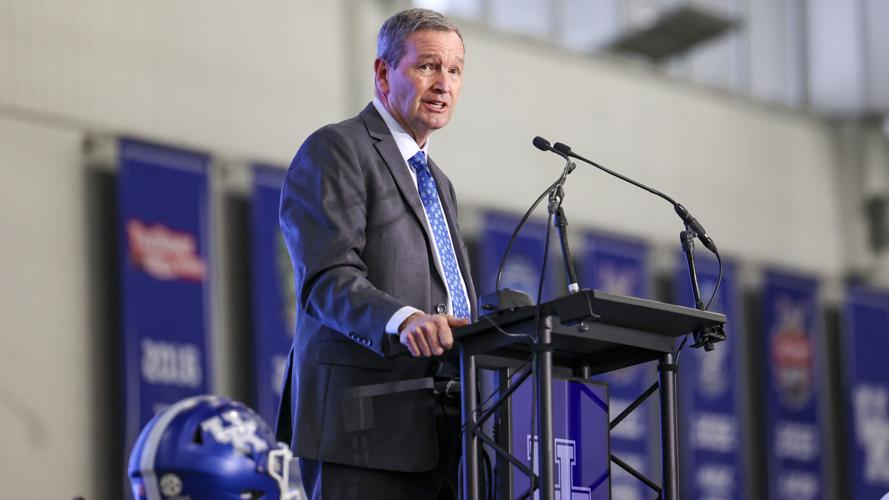

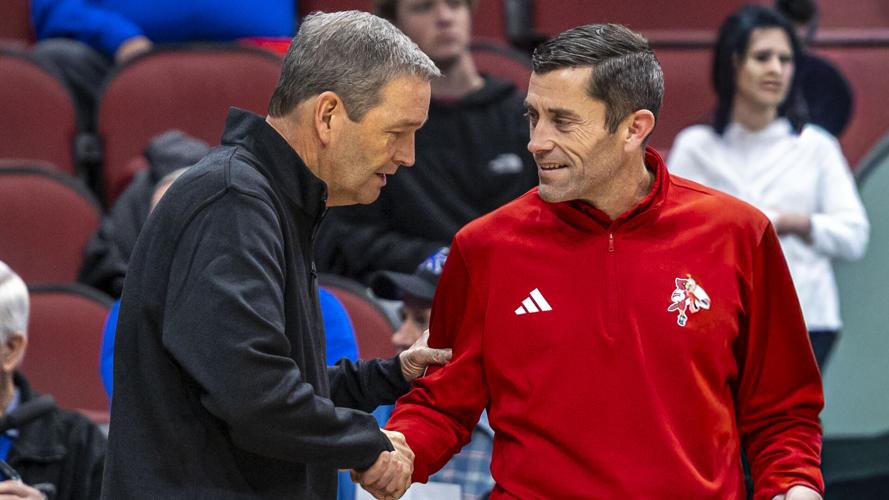
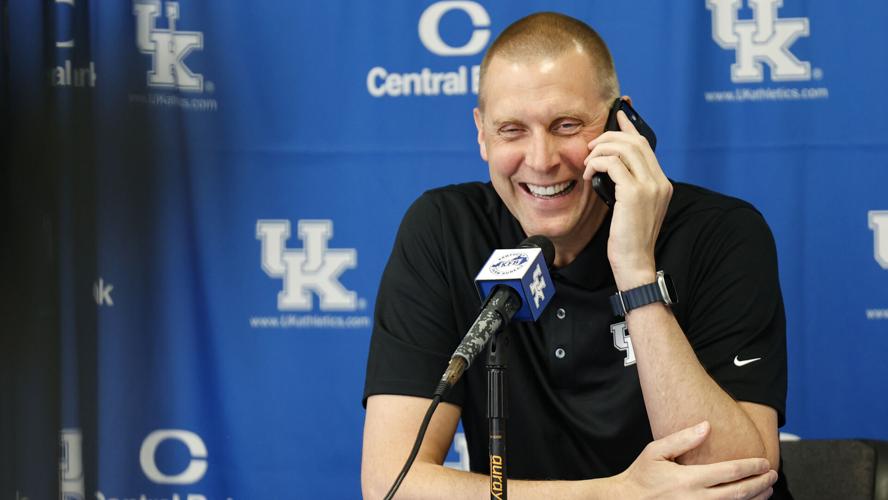
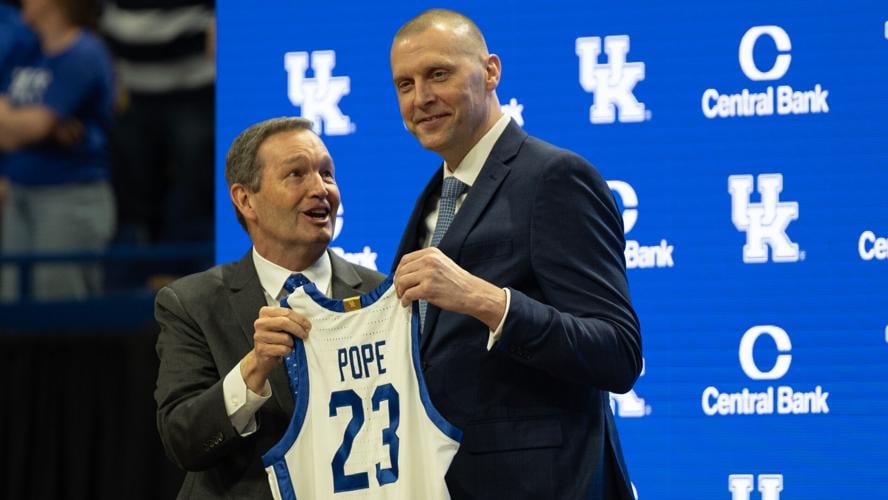
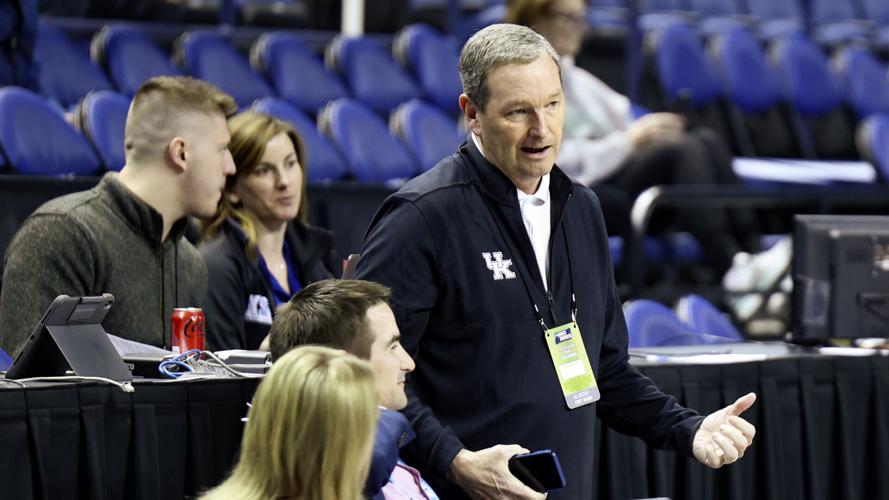
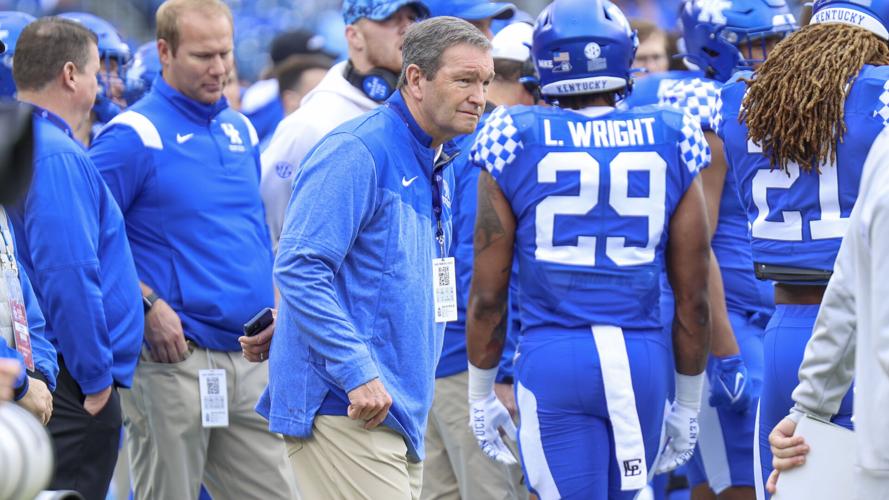
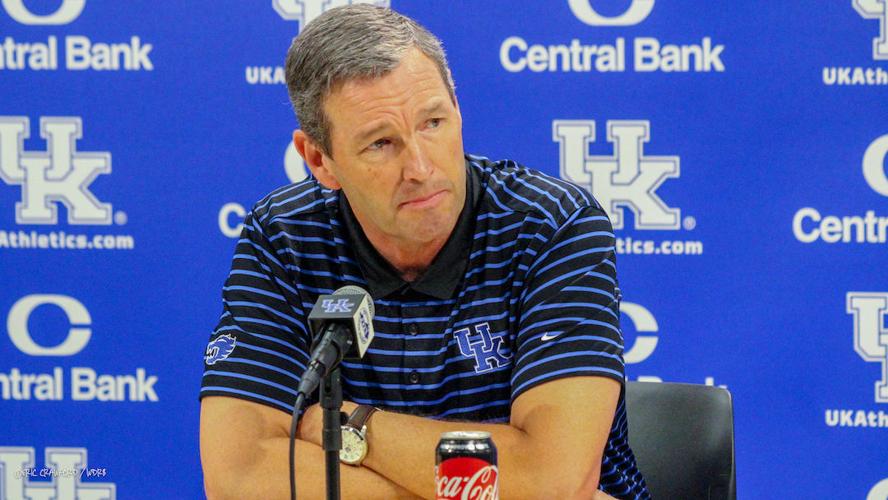
Mitch Barnhart
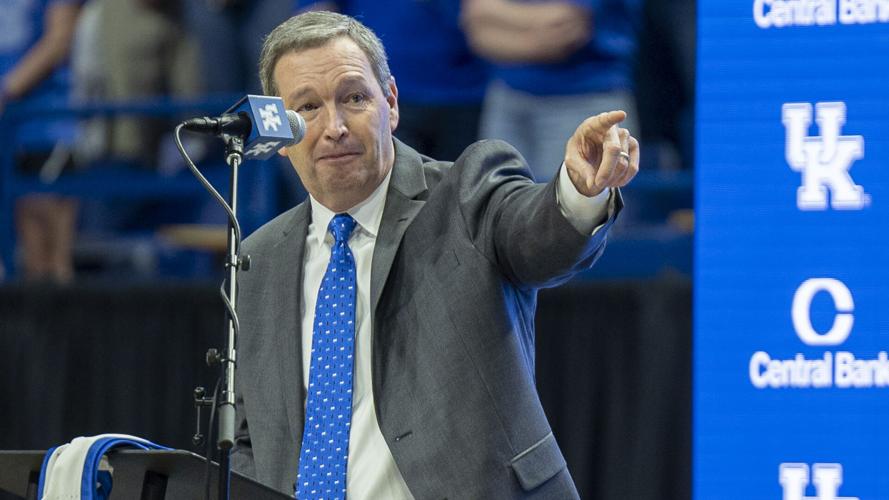
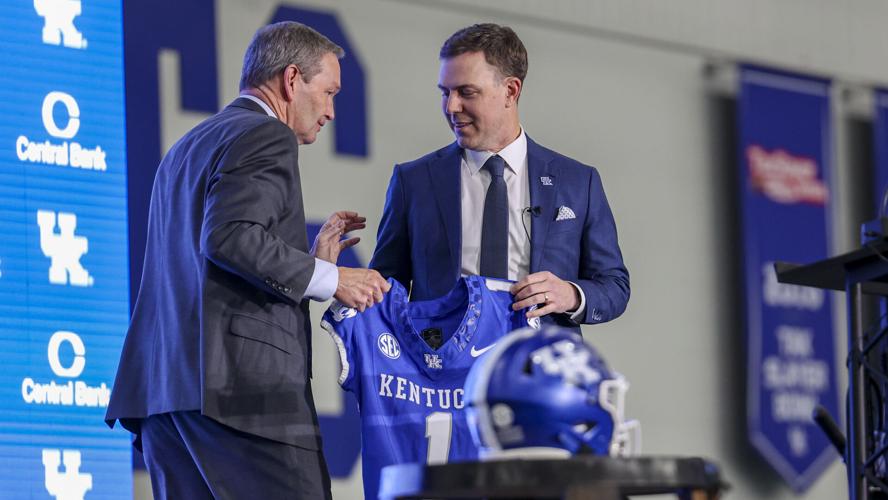
Kentucky athletics director Mitch Barnhart before introducing Mark Pope as the school's new head basketball coach.
Kentucky won six NCAA championships during his tenure, including the 2012 men's basketball title under John Calipari and the 2020 volleyball national championship under Craig Skinner. Rifle became a national power. Olympic sports flourished. The Wildcats consistently finished in the top 20 of the NACDA Directors' Cup, peaking at ninth nationally.
Football — long Kentucky's financial and competitive anxiety — stabilized and surged under Mark Stoops, becoming bowl-eligible with regularity and winning 10 games twice.
Facilities transformed. Revenue grew. The brand professionalized.
Barnhart's “AD tree” spread across the country, with former deputies such as Greg Byrne (Alabama), Scott Stricklin (Florida), Rob Mullens (Oregon), John Cohen (Auburn), DeWayne Peevy (DePaul) and others becoming Division I athletic directors.
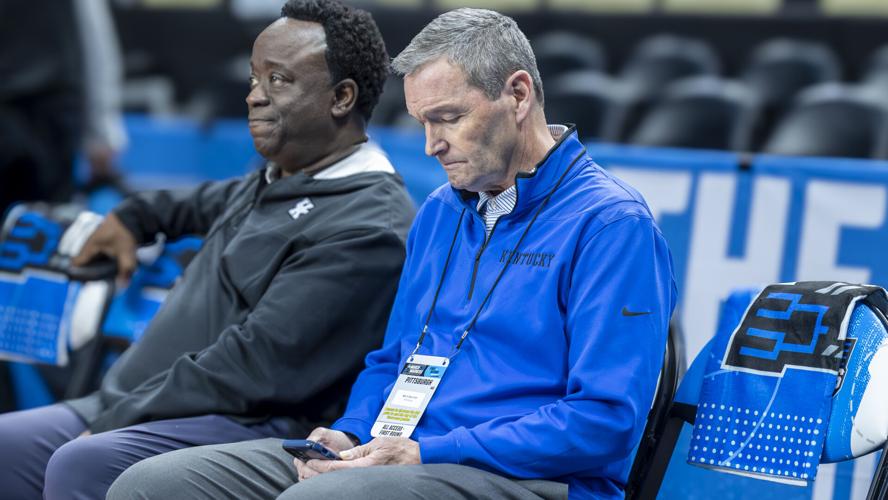
Quietly methodical, often risk-averse publicly but bold structurally, Barnhart preferred consensus over spectacle. He chaired the NCAA Men's Basketball Tournament Committee during the COVID era and helped salvage the 2021 tournament inside a bubble in Indianapolis, an event that kept the NCAA financially afloat.
More recently, he served on the settlement implementation committee overseeing the seismic shift to revenue sharing in college athletics.
He has been, for two decades, one of the adults in the room.
A complicated ending
Barnhart signed a contract extension in 2023 that runs through 2028 but includes a provision allowing him to transition to a special assistant to the university president role with six months' notice. If exercised, that clause would pay him approximately $800,000 annually in an ambassador capacity.
In recent months, speculation about his timeline has intensified.
Kentucky sits at a crossroads. Basketball recruiting momentum has wavered. NIL structures — including the university's relationship with JMI Sports — have drawn scrutiny from some fans. College athletics nationally is navigating revenue sharing, antitrust pressure and governance uncertainty.
And in April 2024, Barnhart was named in a Title IX lawsuit alleging institutional failure related to former swimming coach Lars Jorgensen. Barnhart hasn't been accused of criminal conduct, and the case has largely stalled, but emails predating Jorgensen's hiring have been cited in court filings. The litigation remains an open thread in his administrative legacy.
None of that erases two decades of growth. But it does shape the context of departure.
Barnhart himself has sounded reflective in recent interviews, still competitive, still engaged, but candid about the turbulence of the new era.
“We're in some really choppy waters,” he said last year, describing college sports' rapid financial transformation.
He has climbed literal mountains — Rainier, Kilimanjaro, the Tetons. He understands pacing. He understands base camp.
The enterprise he helped govern no longer offers one.
What comes next?
If Barnhart steps aside, Kentucky will conduct its first athletics director search since 2002.
Two names are expected to surface immediately. DeWayne Peevy spent years as one of Barnhart's closest lieutenants at Kentucky before taking the athletic director position at DePaul, giving him both institutional familiarity and outside leadership experience. Marc Hill, Kentucky's current deputy athletics director, has been a steady inside presence through much of the department's recent evolution.
A national search remains possible, particularly given the financial and legal complexities now endemic to Power 4 athletics.
Whoever steps in will inherit a program that is stable but financially stretched, nationally competitive but navigating structural uncertainty. They will also inherit expectations calibrated over 24 years of consistency.
The measure of the climb
Barnhart was never flashy. He didn't chase headlines. He built systems.
He expanded Olympic sports. He fortified football. He hired a national championship basketball coach. He survived coaching transitions. He professionalized revenue operations. He pushed academic performance to sustained 3.0 departmental GPAs.
Some fans wanted more boldness. Others questioned certain partnerships. Critics never disappeared. No AD survives 24 years without them.
But in an era when athletic directors often cycle through in five or six years, Barnhart provided something rare: duration.
If this is indeed the end, he leaves Kentucky not at the peak of chaos, but in relative institutional stability, even as college sports itself remains anything but.
Copyright 2026 WDRB Media. All Rights Reserved.


