
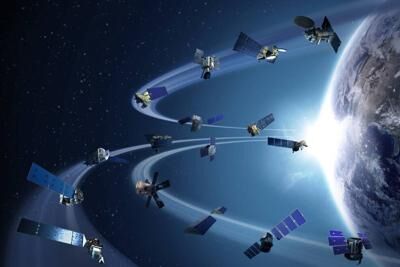
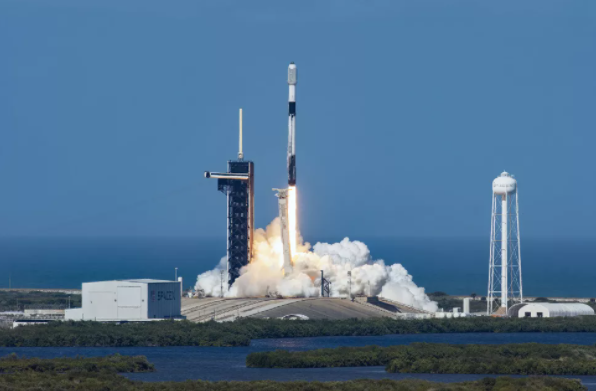
Just the other day on February 3rd, SpaceX launched their latest fleet of satellites into orbit from Cape Canaveral, FL. The launch helped send 49 satellites up into space last Thursday, but only to be hit with what is called a geomagnetic storm just a day later on Friday.
What is a geomagnetic storm?
You may not hear this term very often, but obviously as we have seen with these satellites, these can have big effects on things around the globe. Geomagnetic storms are, by definition from NOAA/NWS,
"A geomagnetic storm is a major disturbance of Earth's magnetosphere that occurs when there is a very efficient exchange of energy from the solar wind into the space environment surrounding Earth. These storms result from variations in the solar wind that produces major changes in the currents, plasmas, and fields in Earth’s magnetosphere".
Solar flares that are associated with geomagnetic storms are powerful bursts of radiation. Harmful radiation from a flare cannot pass through Earth’s atmosphere to physically affect humans on the ground, however — when intense enough — they can disturb the atmosphere in the layer where GPS and communications signals travel.
So, what happened?
This geomagnetic storm according to Space.com, " increased the density of the atmosphere slightly, increasing drag on the satellites and dooming most of them." "Preliminary analysis show the increased drag at the low altitudes prevented the satellites from leaving safe mode to begin orbit-raising maneuvers, and up to 40 of the satellites will reenter or already have reentered the Earth’s atmosphere," SpaceX wrote in an update Tuesday (Feb. 8).
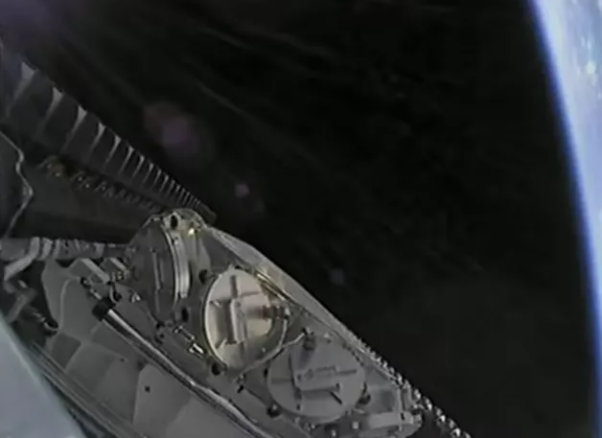
This still from a SpaceX launch video shows the 49 Starlink internet satellites stacked in launch position as they are carried into orbit on their Falcon 9 rocket on Feb. 3, 2022. (Image credit: SpaceX)
That drag ended up being too much for 40 of these satellites and will fall out as space debris over the coming days.
According to the Associated Press...
SpaceX described the lost satellites as a “unique situation." Such geomagnetic storms are caused by intense solar activity like flares, which can send streams of plasma from the sun's corona hurtling out into space and toward Earth.
SpaceX still has close to 2,000 Starlink satellites orbiting Earth and providing internet service to remote corners of the world. They circle the globe more than 340 miles up (550 kilometers).
There is no danger from these newly falling satellites, either in orbit or on the ground, according to the company.


