


YUMA, Ariz. (WDRB) -- A family from Honduras with three children sits in the back of a U.S. Border Patrol car, their dreams shattered at the border.
A woman in the car is in tears after getting caught.
"She says she wants to come here, the opportunity for kids," said Jose Garibay with the U.S. Border Patrol. "She says there's a lot of mafia and gangs in her country."
For this family, it was a long, dangerous journey that took months.
"Her son was born on the journey," Garibay said. "The children are 2, 5 and 7 years old, and the baby is 4 months old.
The border wall doesn't just separate the U.S from Mexico. Its mere existence has divided a lot of Americans. But is it actually stopping illegal immigration?
Border Patrol cameras show groups of people easily walking across the border during the day and night.
"The United States is still experiencing about 1,100 illegal entries every single day," said Carl Landrum, deputy chief patrol agent for the Yuma Border Patrol Sector.
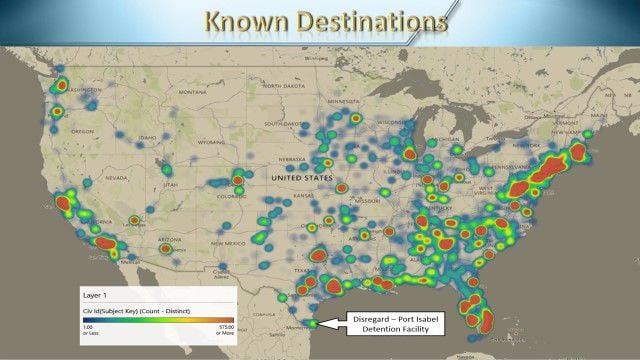
If they're caught, people are asked where they're headed. The heat map below shows more than 800 people were headed to the Louisville area.
The wall was a controversial campaign promise by President Donald Trump in 2016. He vowed to build 450 miles by the end of 2020. And as president, he's delivering. Nearly 200 miles are under construction, and 274 miles are being prepped.
Trump said this largest section comes at cost of $4 billion, funded by taxpayers.
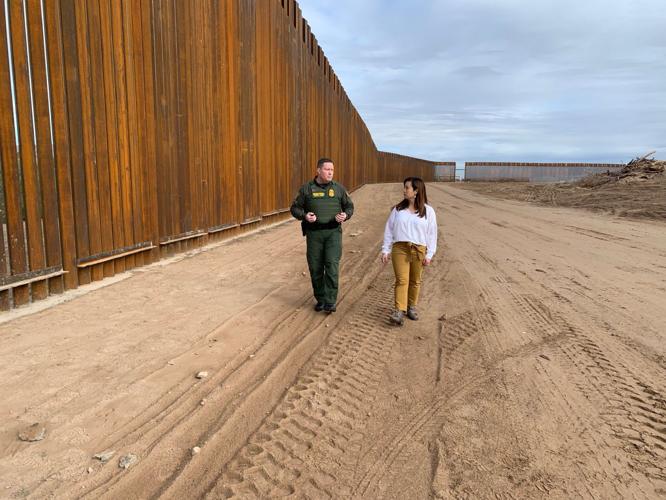
Along the border, you'll find all types of fencing — some taller, others short. Construction crews are working on the wall every day. In one section in Arizona, about half of a five-mile project is already done. A plaque marks the spot where the 100th mile of the wall was completed last month.
"Every single place we have put this structure in the southwest border — everywhere we put in a new wall system there — illegal entries have dropped," Landrum said. "Period."
Numbers from U.S. Customs and Border Protection show the number of people caught for illegal crossings at the southwest border continues to drop from more than 45,000 in October to more than 40,000 in December. Last spring, there were more than 100,000 each month.
Garibay said the new wall is better.
"What this is replacing is basically just a barrier, especially with what we had before," he said. "It was old Vietnam-era landing mats that were basically metal sheets that were erected to stop the flood of illegal entries."
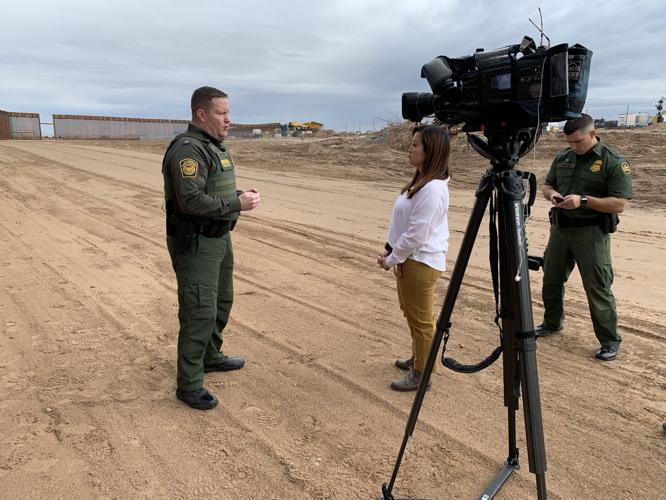
IMAGES | WDRB's Valerie Chinn traveled to the US border wall to question drugs, immigration
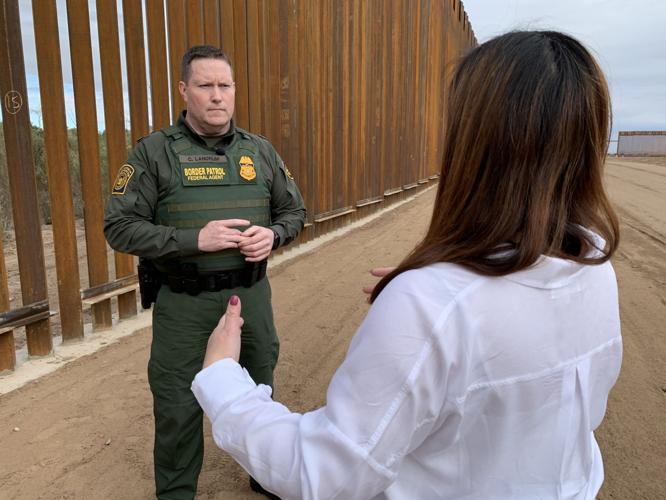
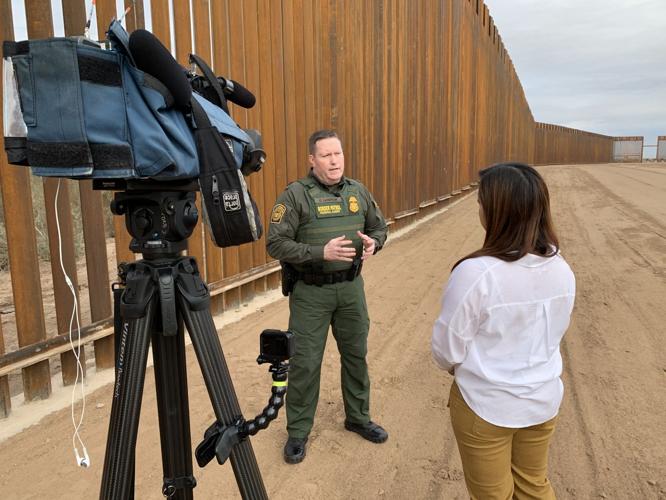
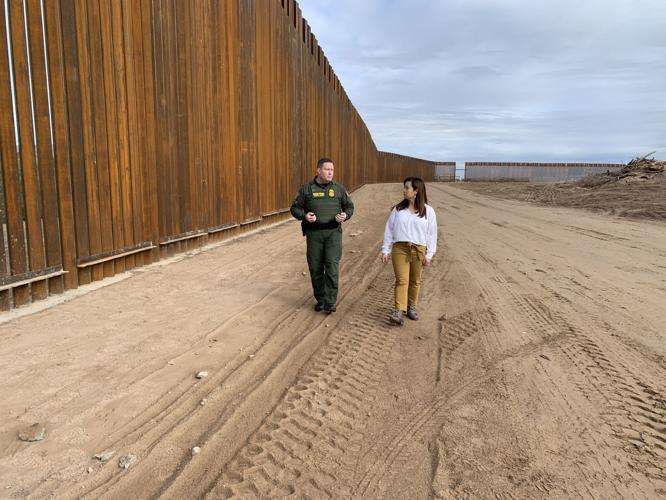
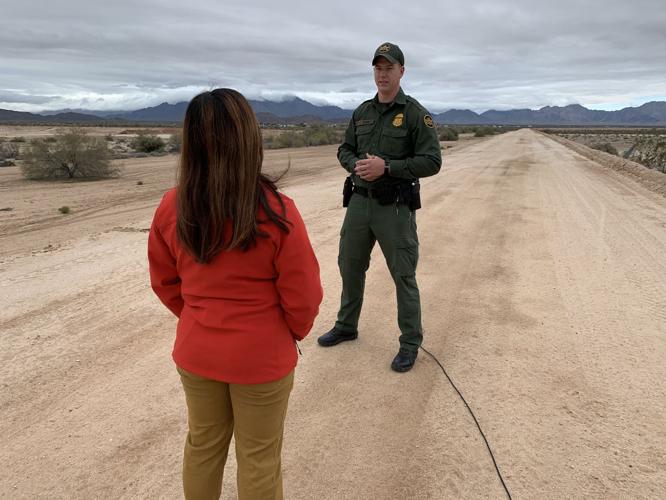
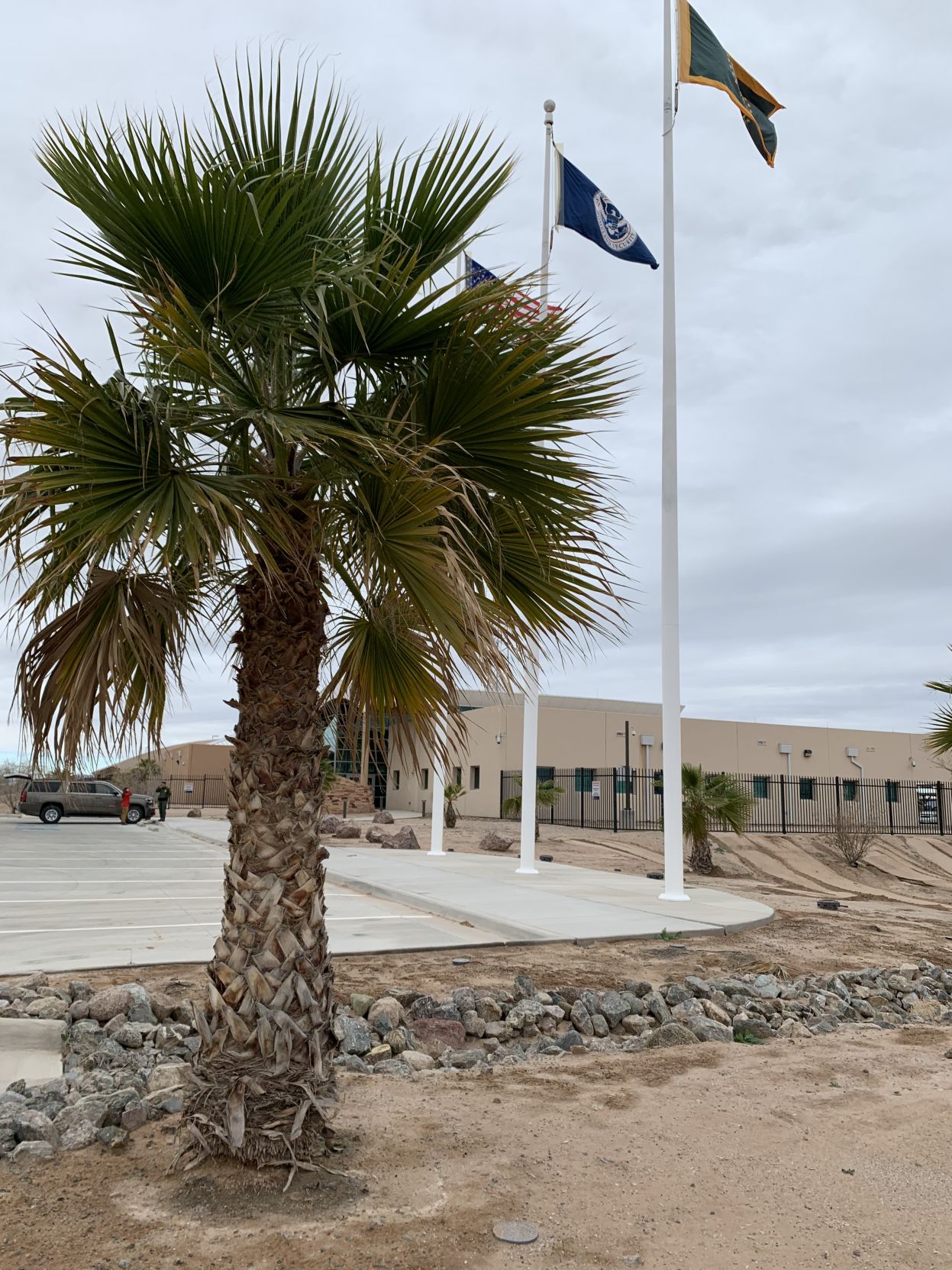
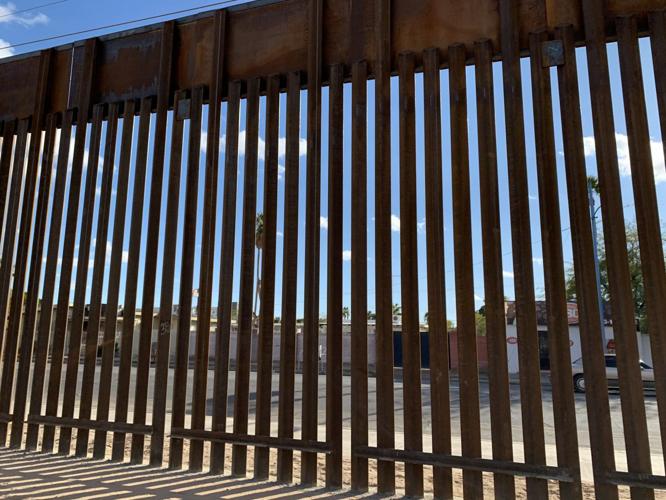
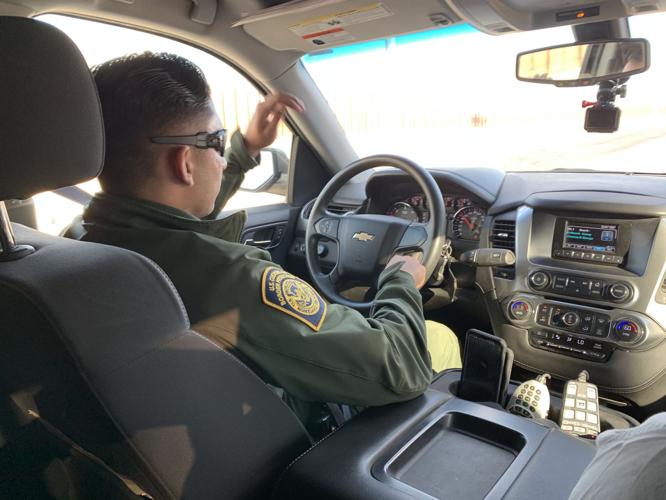
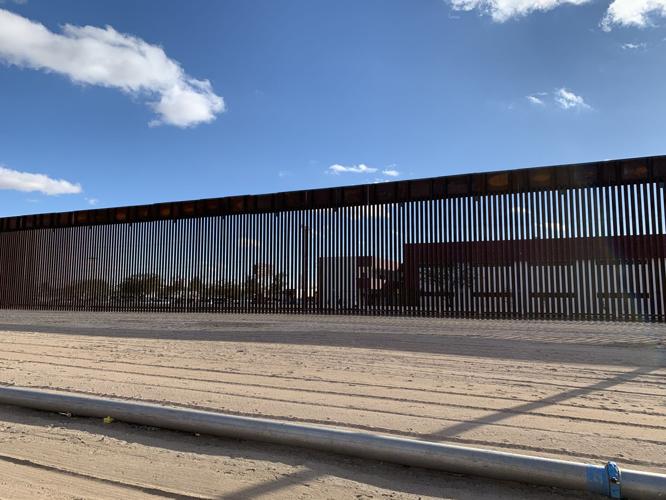
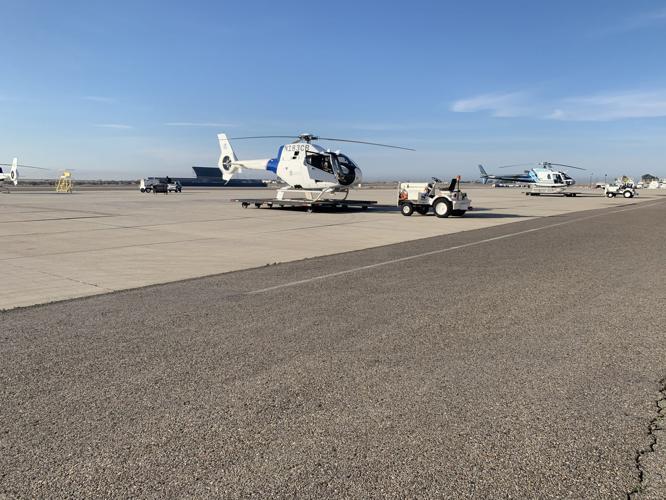
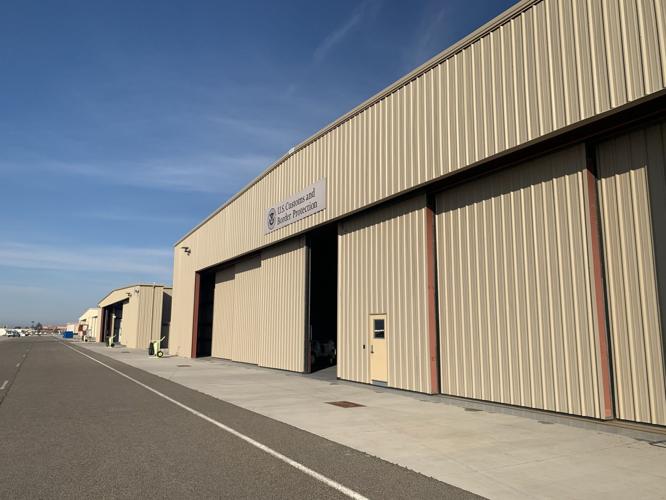
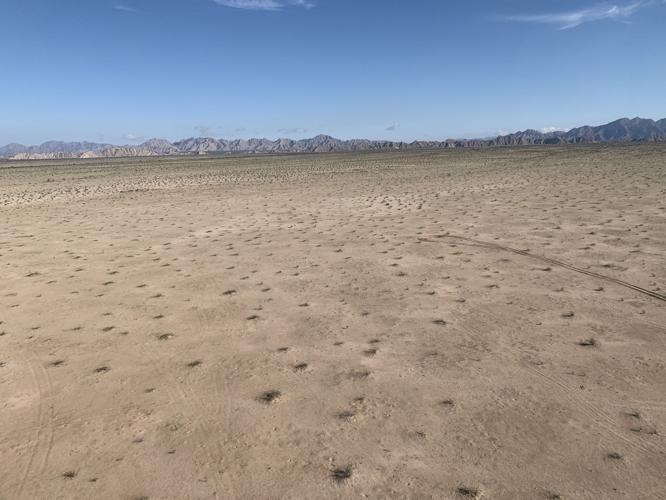
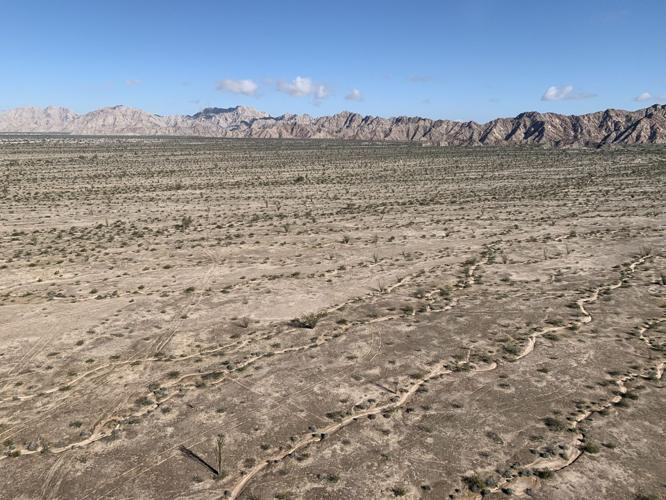
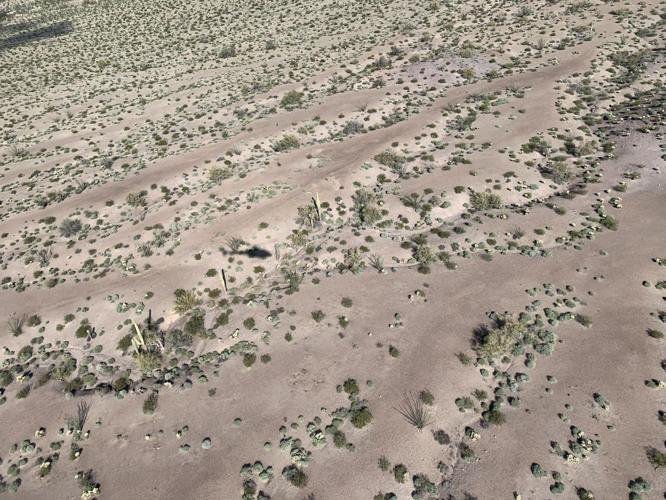
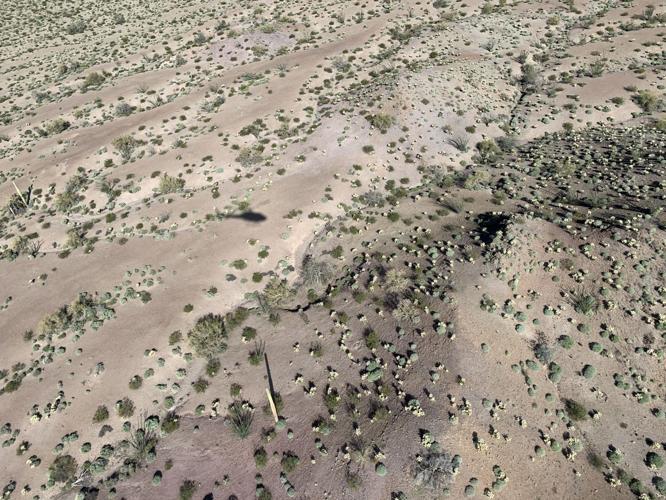
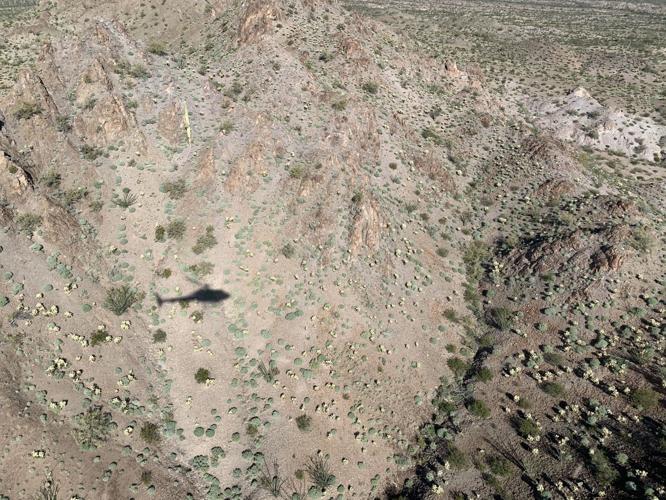
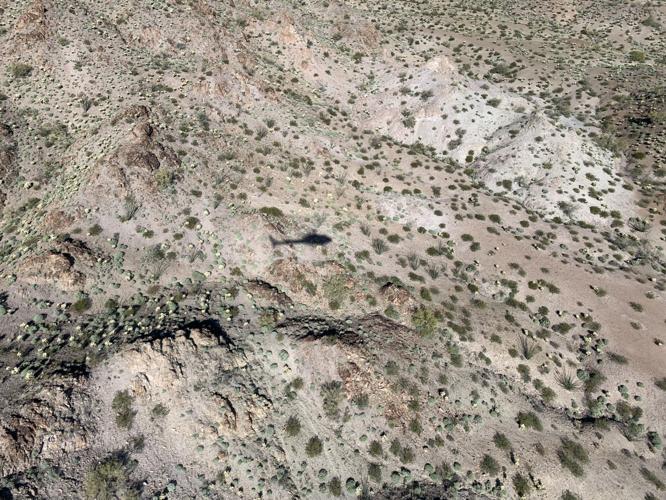
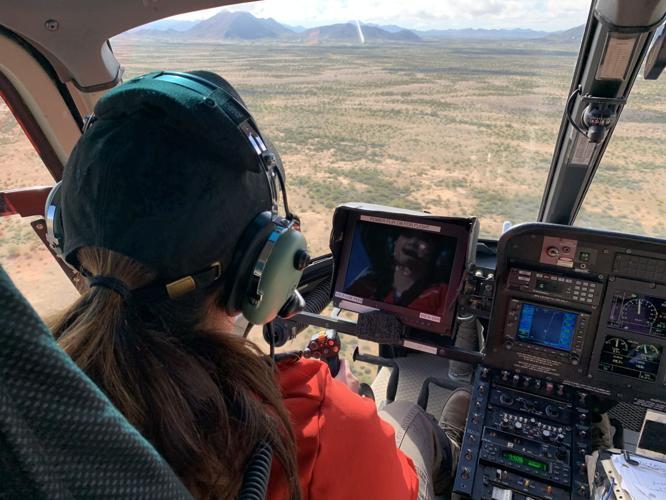
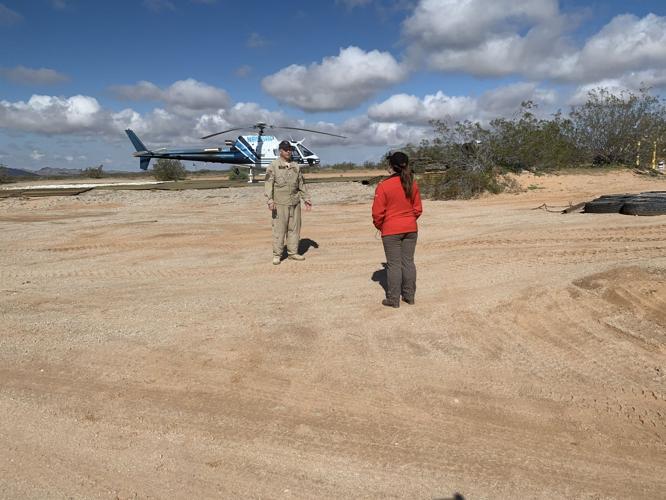
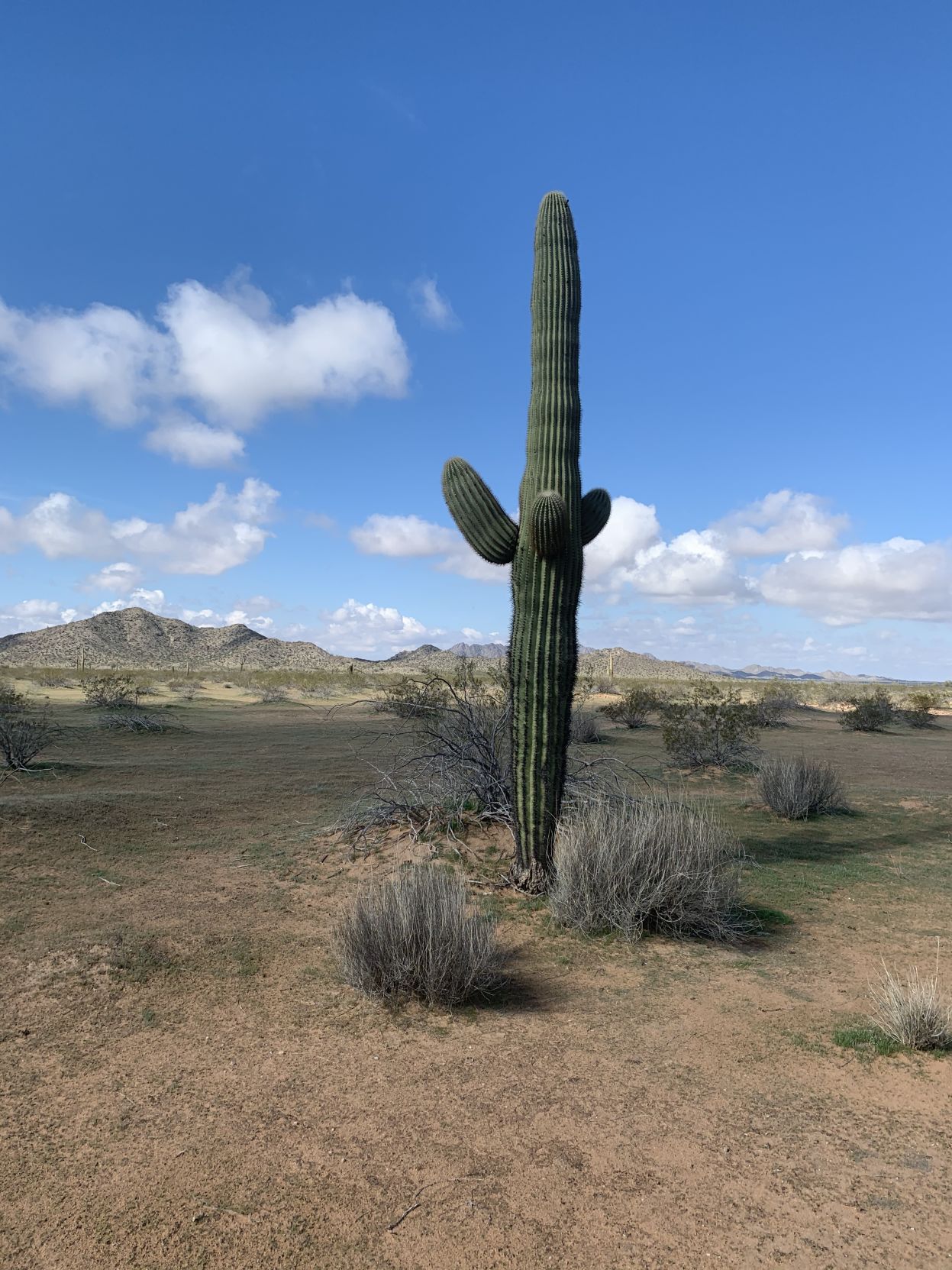
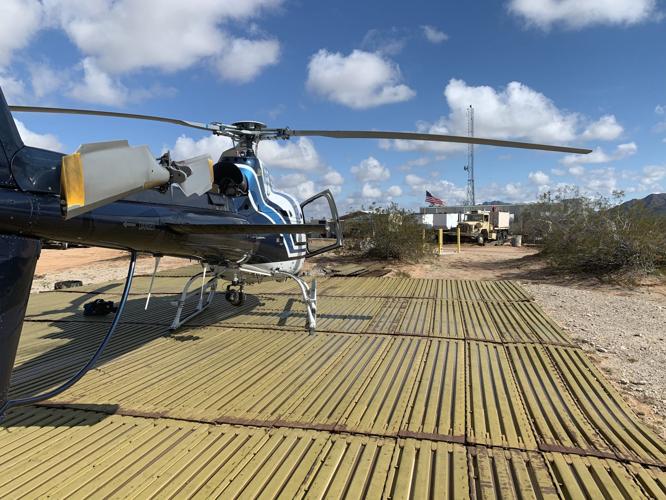
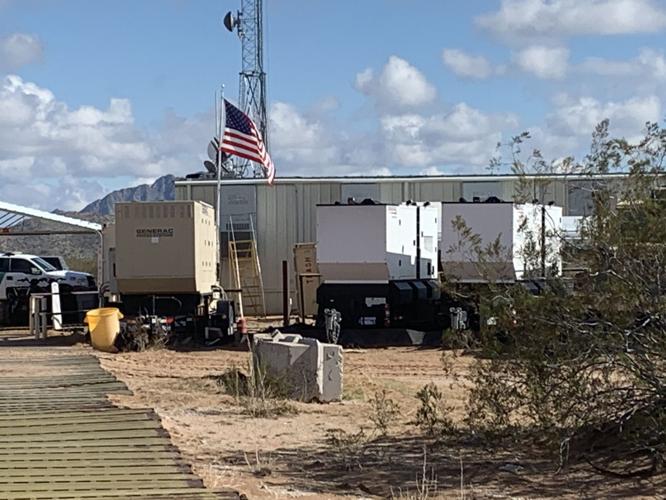
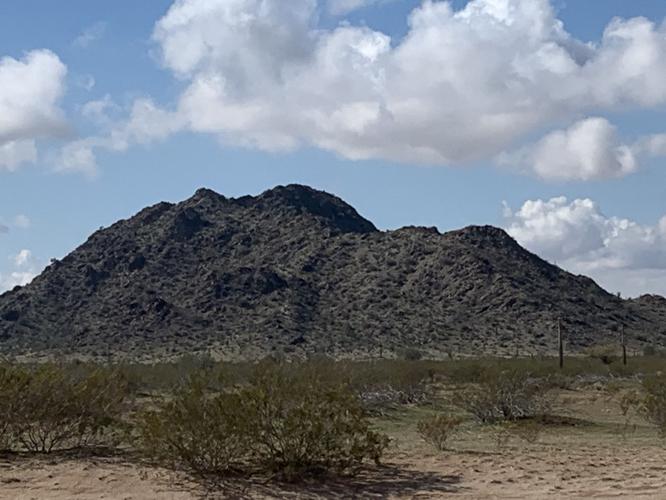
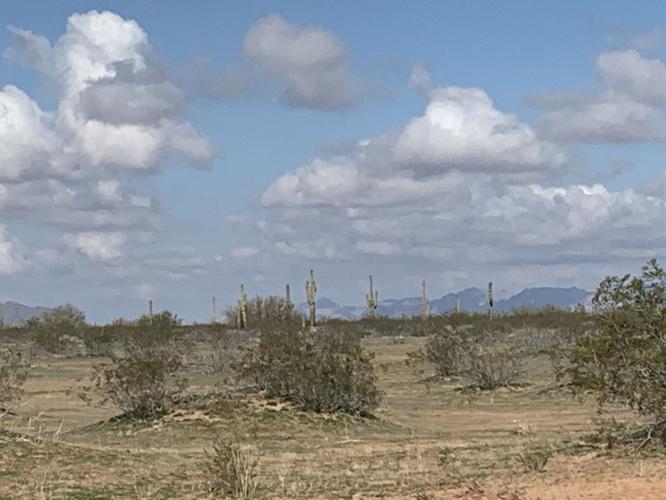
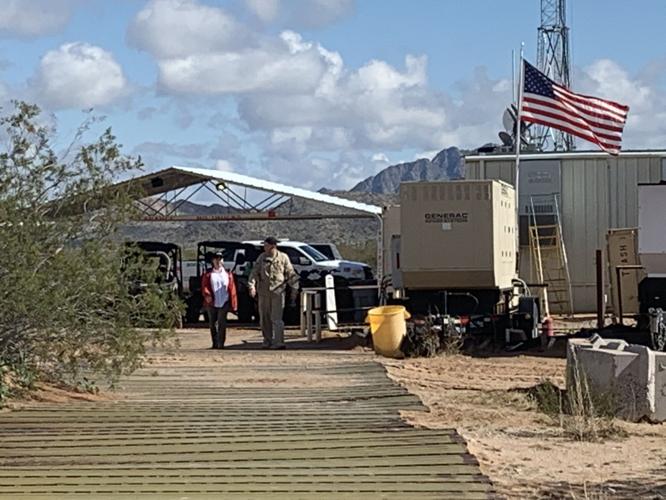
The wall has access roads that help agents get to remote areas easily and provides better lighting. It also comes with a lot of technology, including detection, camera and sensor capabilities. The new sections of the wall are 30-feet tall.
"It'll deter most people from around the world from climbing it," Landrum said.
But some people still try anyway, climbing over and falling. Below are are year-to-year statistics of wall injuries:
- FY 17: 24 (12,000+ apprehensions)
- FY 18: 136 (28,000+ apprehensions)
- FY 19: 92 (69,000+ apprehensions)
- FY 20: 4 FYTD (2,000+ apprehensions)
Agents said migrants are now focusing on areas where there is no fence. And tunneling is more difficult, they said, because the new wall runs underground and has concrete footers.
"Anywhere from 8-11 feet under the ground beneath us," Landrum said. "That is a massive deterrent and greatly helps the agents that are here."
Armed and ready, the Colorado River is patrolled 24-7. Yet if agents are focused on another area of the border, some people are able to walk down to the water and up onto American soil easily. Shallow water in some spots makes it easy to enter the U.S. In fact, discarded clothing can be found along that route. Border Patrol said families with small children often use these easier routes, particularly where the wall hasn't been finished.
When people are caught, some are sent back to Mexico while their immigration hearings continue instead of being held in the U.S. But, there's a loophole.
"It's fair to say almost half of people caught were children," Garibay said. "That's because the adults they were traveling with are trying to exploit the loopholes in the immigration system. If they bring a child with them illegally, and they are caught, they have to be released in a certain amount of days."
One family said its trek through Mexico to the U.S. border took them 10 days. They claimed they didn't pay anyone to help them get to the border. Agents said they hear that a lot, when in reality people pay thousands of dollars to smugglers but don't want to admit it.
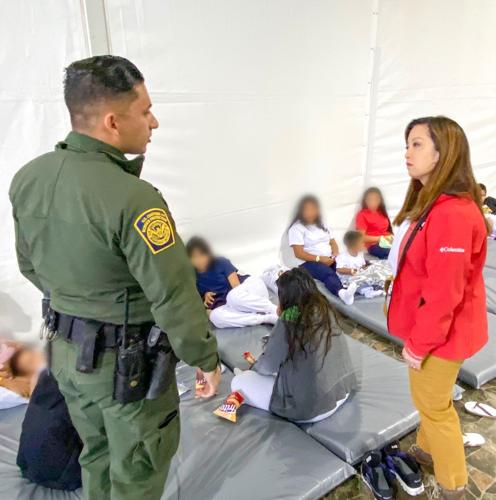
There is a tent area where migrants are processed and given meals and any services they need. They have cots for people to sit and sleep on, toys for the children to play with and lots of snacks.
But humans aren't the only thing smugglers are dealing with.
"Above that is all the illegal narcotics flowing into the country every single day," Landrum said.
Tune in Tuesday for part two of our three-part special, which will focus on the flow of drugs into the U.S. from Mexico.
Copyright 2020 WDRB Media. All Rights Reserved.