

LOUISVILLE, Ky. (WDRB) -- After three years, President Joe Biden told Congress on Monday that he will end the twin national emergencies for addressing COVID-19 on May 11, but the stand-down will mean changes for many people in Kentucky and Indiana.
"There is a lot in the air as to what this means with delivery of COVID-19 vaccinations, testing," Kelly Taulbee with Kentucky Voices for Health said.
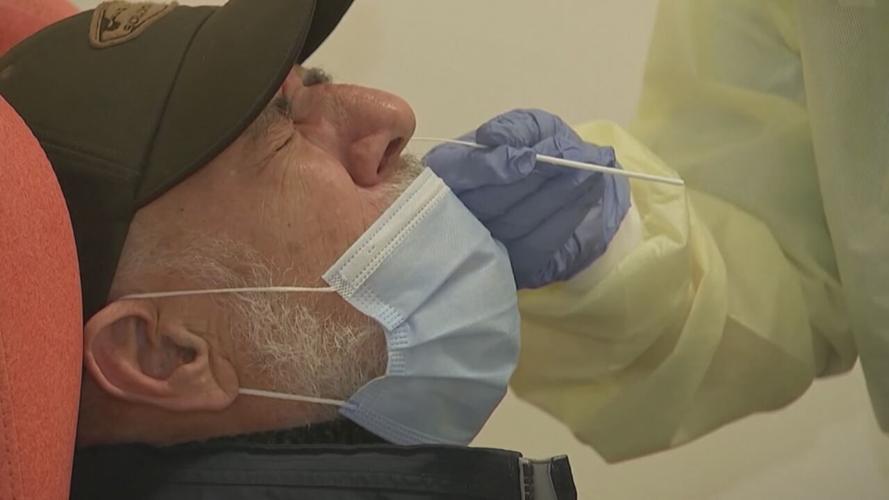
With the removal of the emergency declarations May 11, free COVID-19 test kit delivery from the federal government will stop. And costs for vaccines and tests will likely vary by insurance.
Taulbee said anytime you add a cost for healthcare there could be repercussions.
"Anytime you add a cost that is obviously an obstacle and a barrier that prevents people from seeking out the care they need," she said.
The costs of COVID-19 vaccines are also expected to skyrocket once the government stops buying them, with Pfizer saying it will charge as much as $130 per dose.
Taulbee said she hopes insurance providers consider helping absolve out-of-pocket costs.
Congress has refused for months to fulfill the Biden administration’s request for billions more dollars to extend free COVID vaccines and testing. And the $1.7 trillion spending package passed last year and signed into law by Biden put an end to a rule that barred states from kicking people off Medicaid, a move that is expected to see millions of people lose their coverage after April 1.
Hospitals were also getting extra payments to treat COVID patients -- that ends too.
"Although so many individuals may have personally moved on as they say, the pandemic has long lasting implications that we will see for many years to come," Taulbee said.
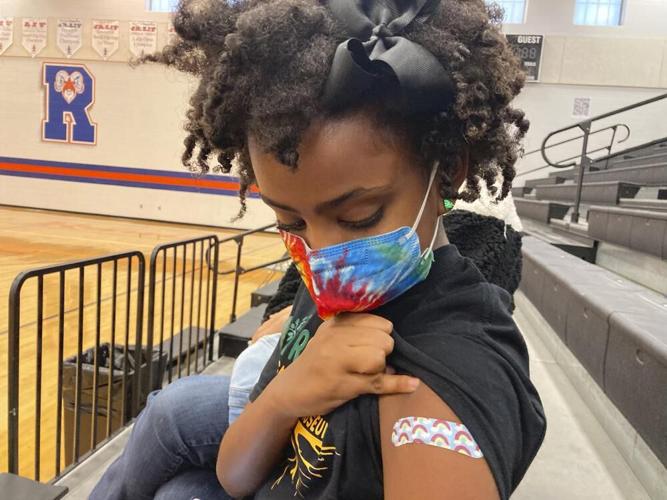
Ryan Babb manages a University of Kentucky HealthCare Pharmacy and said pediatric vaccinations might be in question.
"The biggest concern for us is, while there is the FDA approved Pfizer vaccine for 12 and up and Moderna for 18 and up, the ages below that, so the pediatric and the infant vaccinations, those are still under emergency use authorization, or EUA," Babb said. "Therefore there's question of will those be available or will they be covered by insurances or Medicare?"
Babb hopes that if costs rise there's an effort to continue to advocate in favor of the COVID-19 vaccine.
"It is very early and we're still in the process of figuring out where everything's going to stand," he said.
More than 1.1 million people in the U.S. have died from COVID-19 since 2020, according to the Centers for Disease Control and Prevention, including about 3,700 last week.
Only 15% of Americans have received the recommended, updated booster that has been offered since last fall.
Legislators did extend for another two years telehealth flexibilities that were introduced as COVID-19 hit, leading health care systems around the country to regularly deliver care by smartphone or computer.
Copyright 2023 WDRB Media. The Associated Press contributed to this report. All Rights Reserved.


