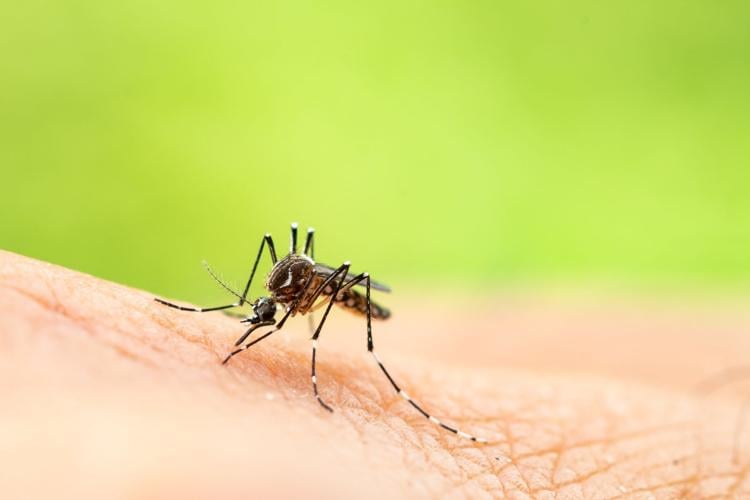
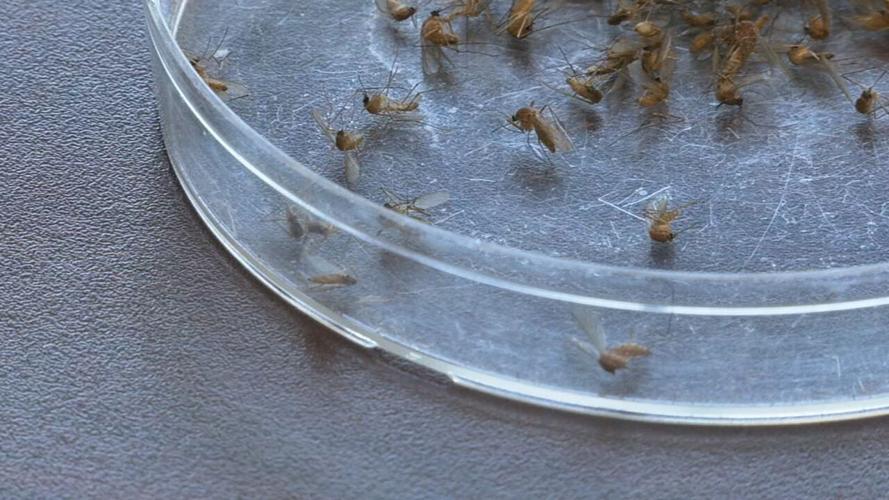


LOUISVILLE, Ky. (WDRB) -- Health officials are tracking an increase in cases of West Nile Virus across several states.
As of June 17, 16 human cases have been reported in at least 11 states so far this year, according to the U.S. Centers for Disease Control and Prevention.
Last week, the Clark County Health Department in southern Indiana reported a mosquito that had been trapped tested positive for West Nile. No human cases have been reported in Indiana or Kentucky as of June 26.
While most people infected with the virus experience no symptoms or have mild reactions, others can develop severe fevers, headaches, muscle weakness and more.
The virus typically affects the elderly more than younger individuals. But according to health officials, that is starting to change with younger people reporting reactions.
Hot and wet weather have officials on high alert as mosquitoes continue to breed. Experts said the best thing you can do is pay attention to open water on your property.
"Like a swimming pool that you're not taking care of, or maybe a pond or a ditch that may be full of water for a while," Dr. Sonja Swiger, with Texas A&M University, said.
You're also encouraged to wear long clothing, such as pants and long-sleeved shirts, to minimize skin exposure and using repellent to keep mosquitoes at bay.
Other ways to protect yourself from mosquito bites include:
- Know when to expect them: Mosquitoes that transmit disease are typically active from dusk to dawn.
- Wear EPA-registered insect repellents: The EPA recommends those containing DEET, picaridin, IR3535, oil of lemon eucalyptus, para-metadane-diol or 2-undecanone. To use the EPA search tool to find recommended repellents, click here.
- Do not use insect repellent on babies younger than two months.
- Do not use products containing oil of lemon eucalyptus or para-metadane-diol on children younger than three years old.
- Do not use repellents containing permethrin directly to your skin, regardless of age, or under your clothing.
- Treat clothes and outdoor gear with 0.5% permethrin, which can be used to treat boots, clothing and camping gear. Experts said items will still be protected after several cycles in the wash. It should never be applied directly to the skin.
- Reduce the amount of exposed skin on your body by wearing long-sleeved shirts, long pants, hats, socks and shoes that cover your whole foot, especially if you're going to be outdoors for a prolonged period of time. Experts said mosquitoes may bite through thin clothing, so spraying clothing with repellents will provide extra protection. Experts said to pay special attention when in wooded and shady areas outside where mosquitoes are especially active.
- Dump any standing water around the home, including flowerpots, gutters, buckets, pool covers, pet water dishes, discarded tires, gutters, garden hoses, etc. and draining birdbaths on a regular basis if you have one. Experts said mosquitoes can breed in as little water as in a bottlecap.
- Keep doors and window screens in good repair to prevent mosquitoes from getting indoors.
- Avoid wearing perfumes and scented lotions while spending time outdoors.
- Maintain lawns, trim hedges, keep grass cut and remove any heavy vegetation.
- Take extra precautions during peak mosquito-biting hours, which are early morning and dusk, by wearing repellent and protective clothing or avoiding outdoor activities altogether during those hours.
If you think you may have contracted West Nile Virus, call your local health care provider.
According to the Clark County Health Department, about 1 in every 150 people who are infected with West Nile Virus develop severe illness. Those illnesses can affect the body's central nervous system, including encephalitis—inflammation of the brain—or meningitis. According to the CDC, about 1 in every 10 people who develop a severe illness affecting the central nervous system die.
Indiana provides a Mosquito-Borne Illness Dashboard, where you can track confirmed cases in the state, where testing is being conducted and more. The health department said the dashboard is refreshed every Tuesday and Friday. It can be found by clicking here.
To learn more about West Nile Virus, how to prevent it and how it spreads, treatment, signs and symptoms to watch for, additional resources and more, click here.
For information about mosquito prevention and control in Indiana, click here. For Kentucky, click here.
The city of Louisville conducts mosquito fogging between June and October, Monday through Thursday evenings between dusk and dawn when mosquito numbers are at their highest.
Louisville Metro Health and Public Wellness said fogging is performed through its Vector Control Team on a case-by-case basis, such as when disease is present or there are a high number of mosquitoes. For additional resources or to learn more about mosquito fogging, make a mosquito complaint or report, click here.
Top Stories:
New products planned for GE Appliance Park in $490M investment
Inspection reports reveal mouse nests, droppings inside Louisville Kroger stores
DEI restrictions, abortion bill among dozens of new Kentucky laws taking effect Friday
Louisville police department focuses on diversity in recruitment efforts
Copyright 2025 WDRB Media. All Rights Reserved.


