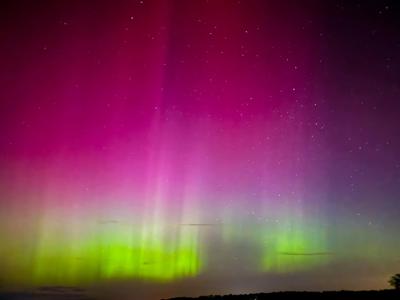
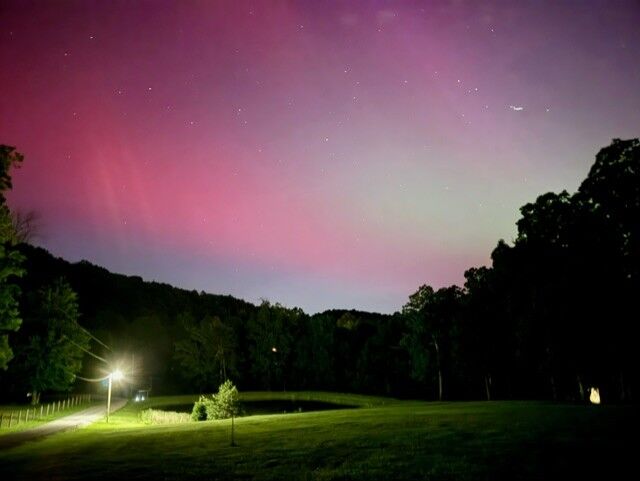
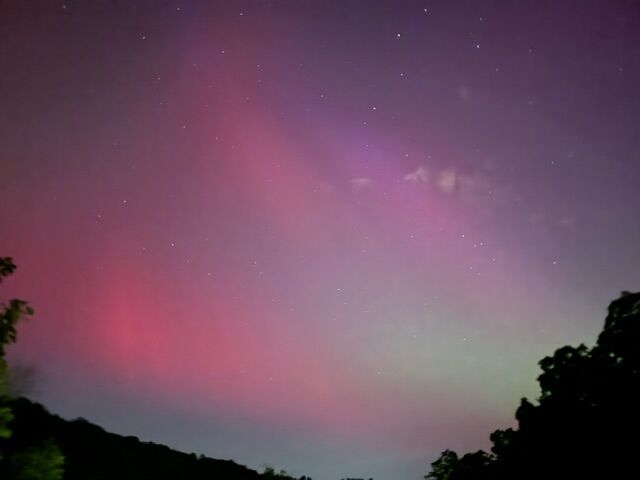
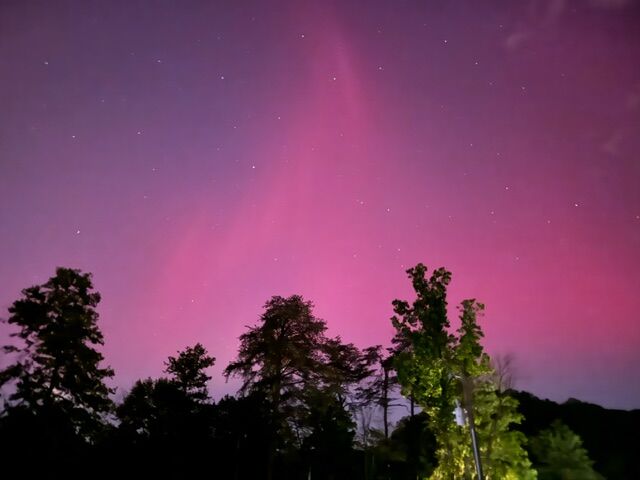
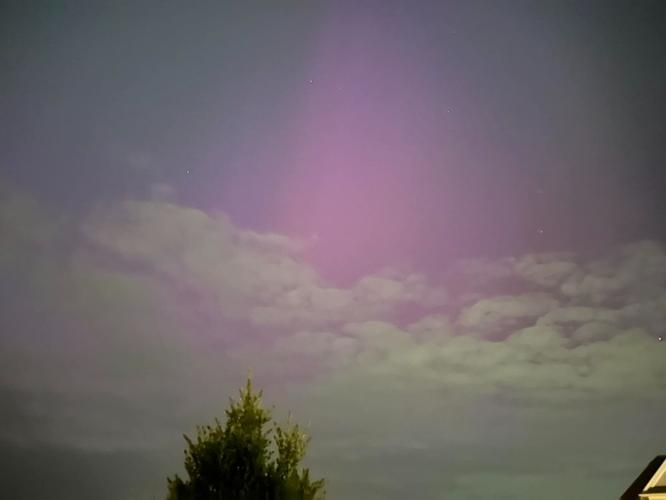
LOUISVILLE, Ky. (WDRB) -- Space lovers got a look at a weather phenomena around Louisville and southern Indiana on Friday night.
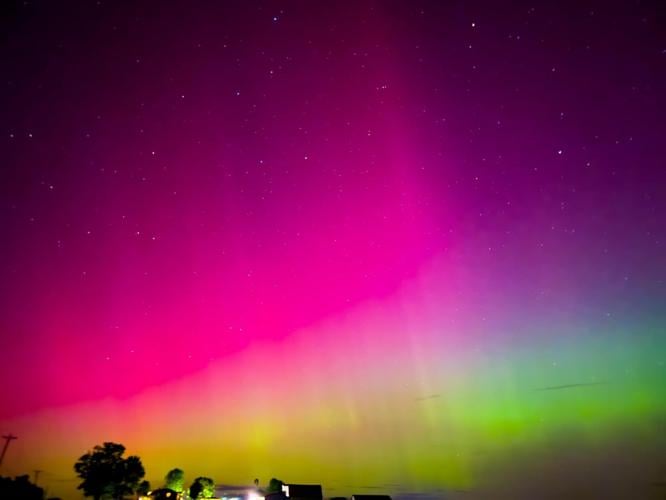
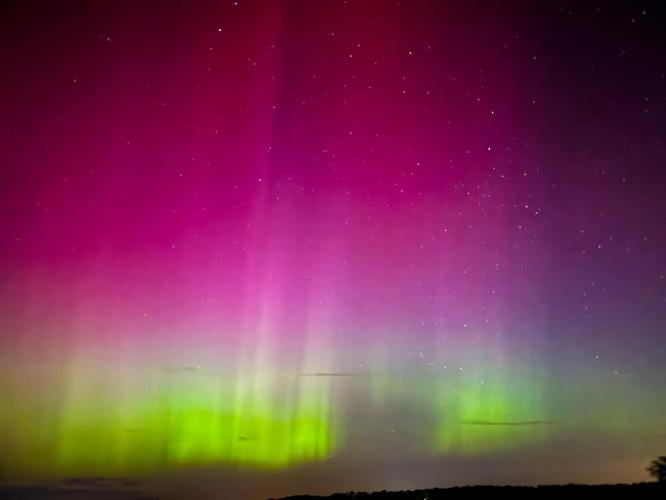
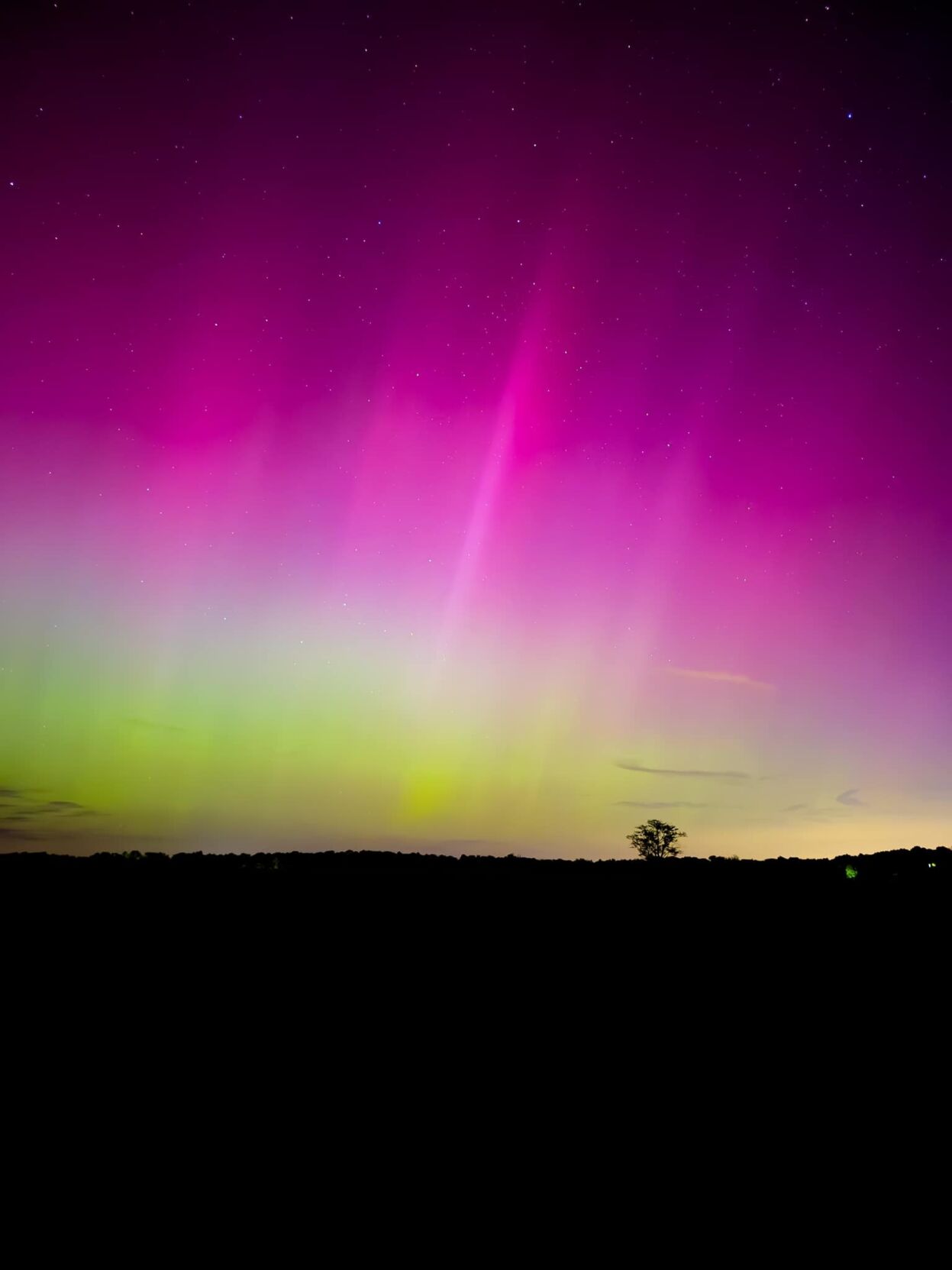
The Aurora Borealis (Northern Lights) were visible much farther south than normal and NOAA’s Space Weather Prediction Center (SWPC) issued a Severe (G4) Geomagnetic Storm Watch for Friday evening. The Geomagnetic Storm Watch scale progresses from G0 at the lowest to G5 at the highest. It was the first G4 issued since 2005.
A very strong solar flare occurred several days ago.
The Northern Lights could be visible for the next few nights.
WDRB Meteorologist Marc Weinberg posted that Space Weather Prediction Center is still forecasting a G4 event on Saturday. It would be slightly weaker than Friday night.
"Remember, drive away from city lights to see these," Weinberg posted. "Last night they were easily visible for me to the naked eye."
A powerful solar storm put on an amazing skyward light show across the globe overnight but has caused what appeared to be only minor disruptions to the electric power grid, communications and satellite positioning systems.
The U.S. National Oceanic and Atmospheric Administration said extreme geomagnetic storm conditions continued Saturday, and there were preliminary reports of power grid irregularities, degradation of high-frequency communications and global positioning systems. NOAA predicted that strong flares will continue through at least Sunday.
IMAGES | Northern Lights visible around Kentuckiana on Friday
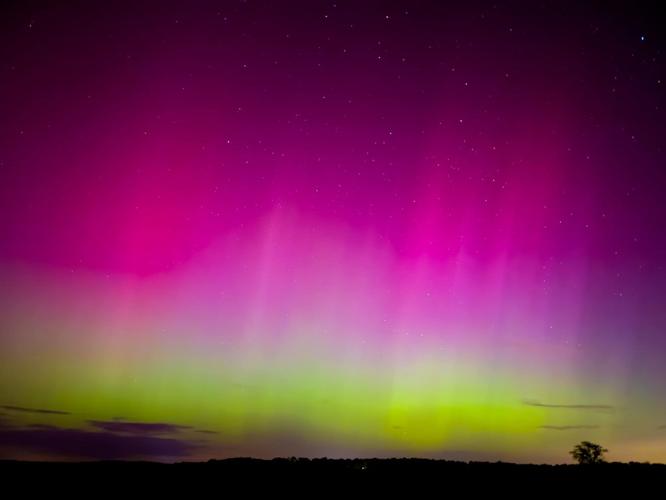
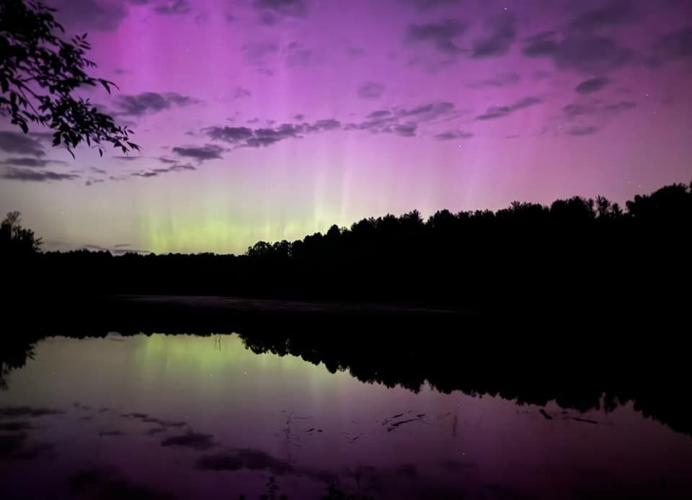
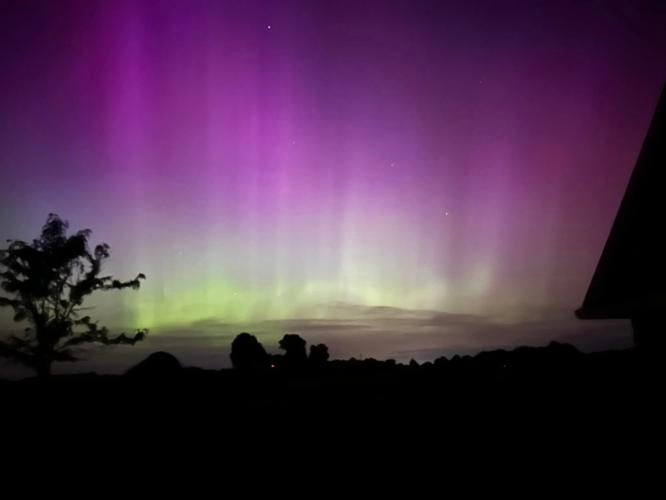
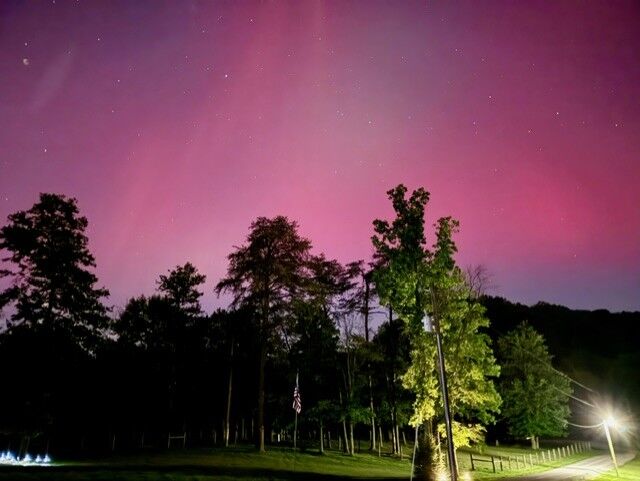
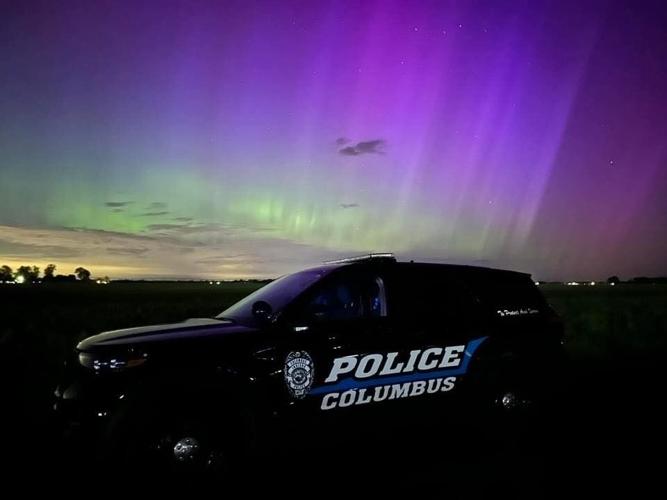
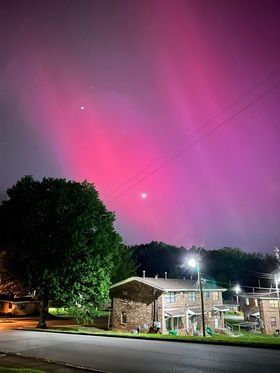
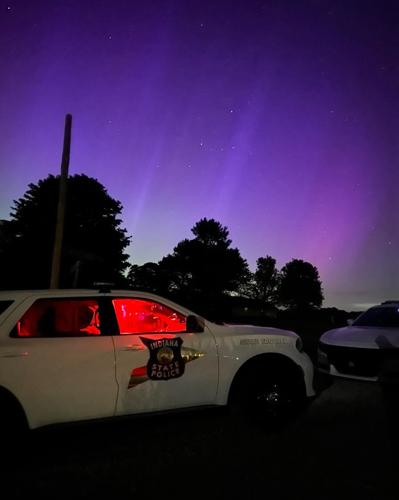
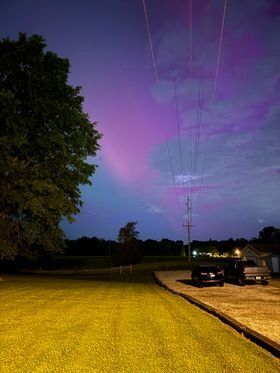
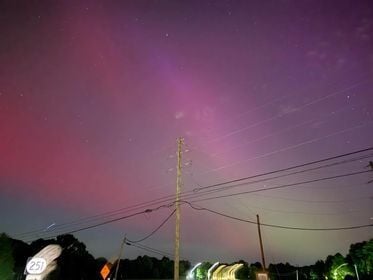
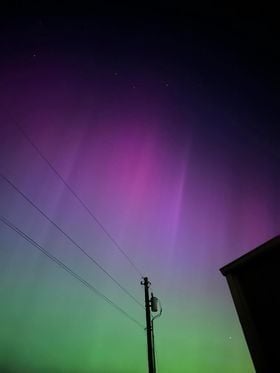
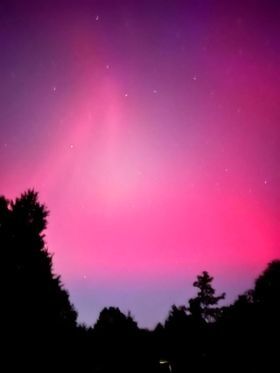
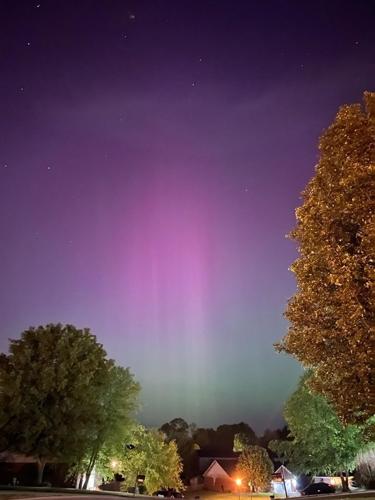
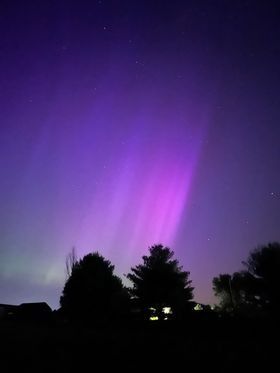
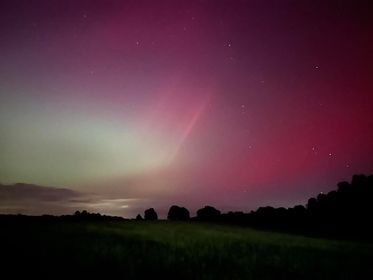
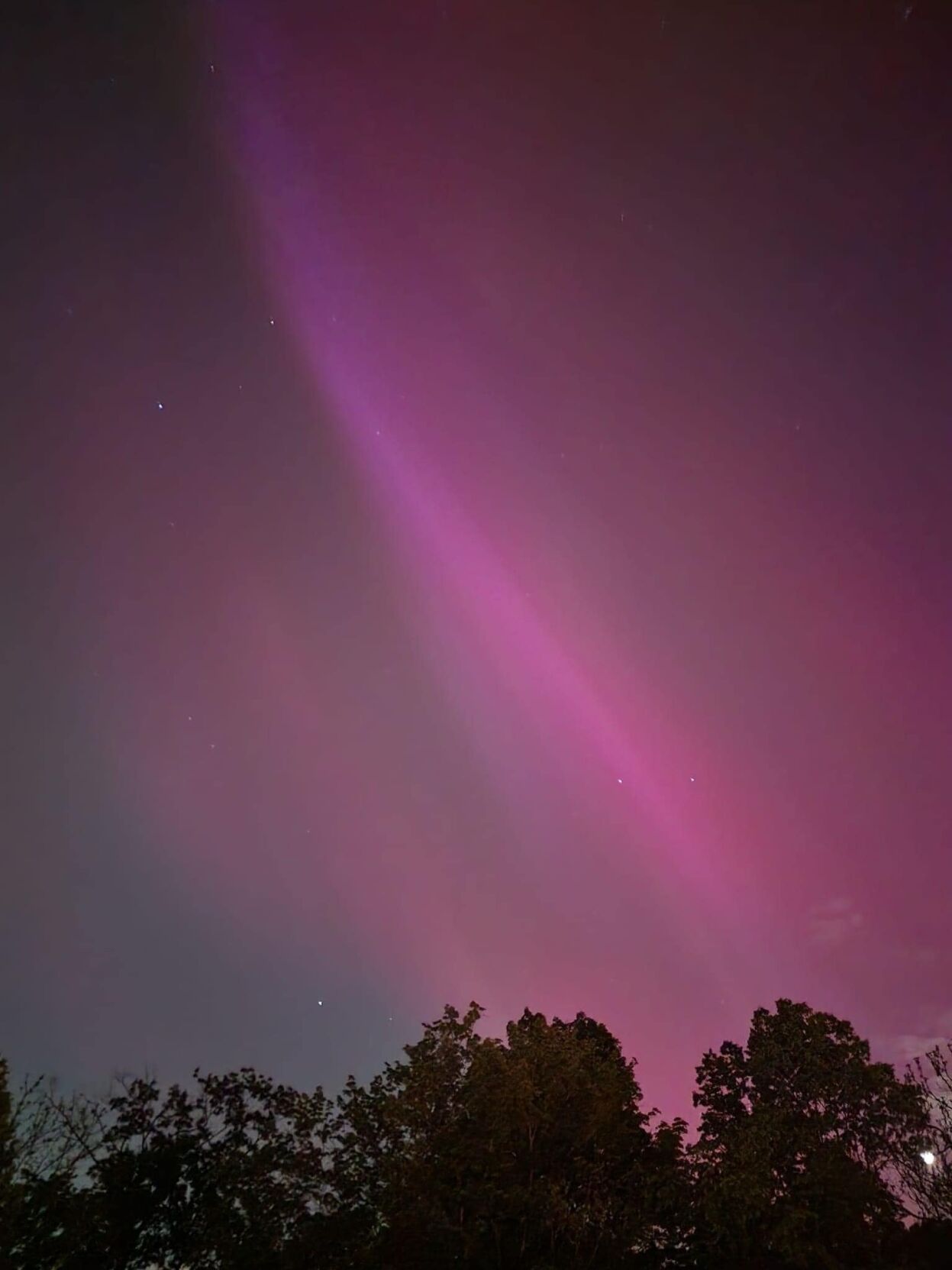
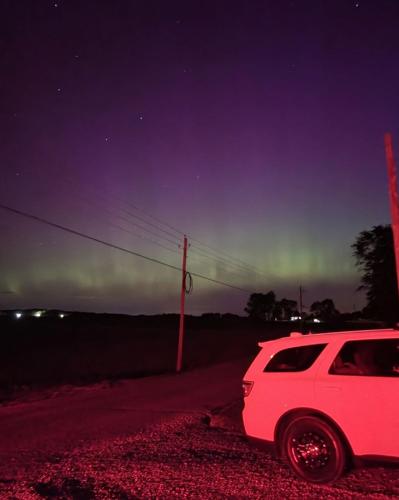
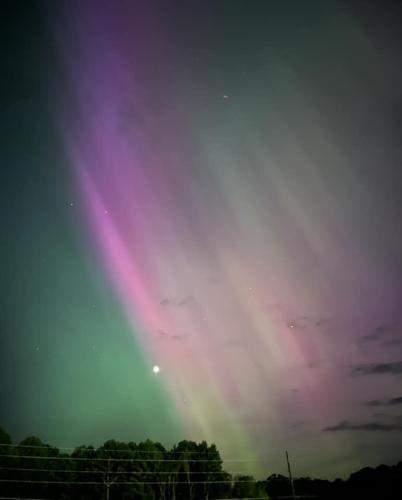
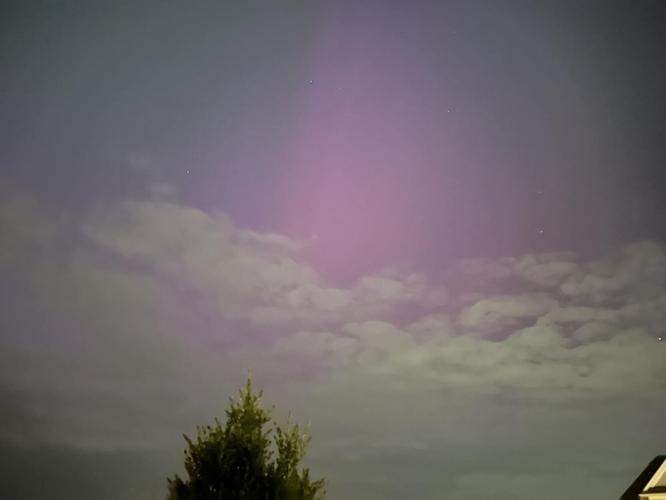
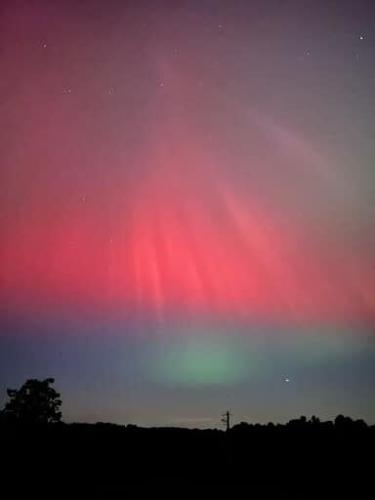
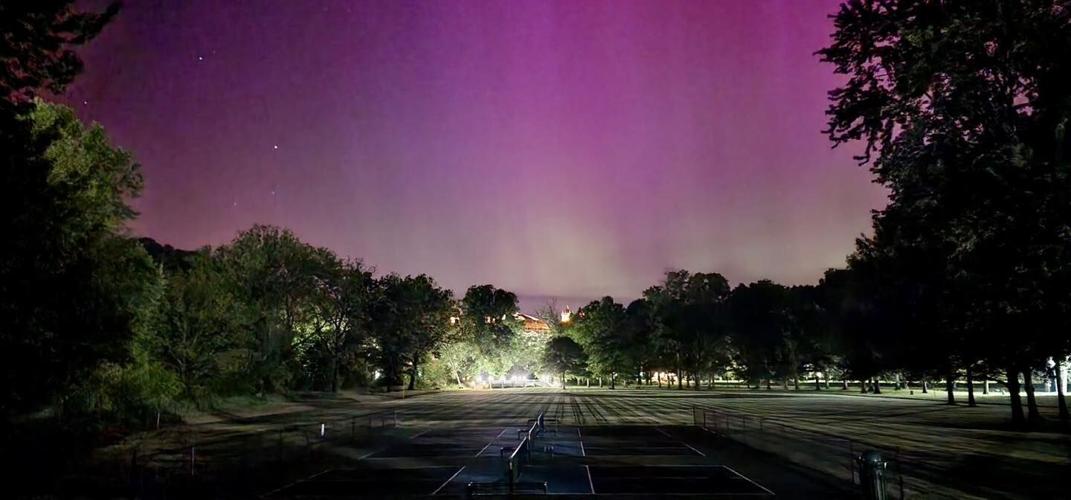
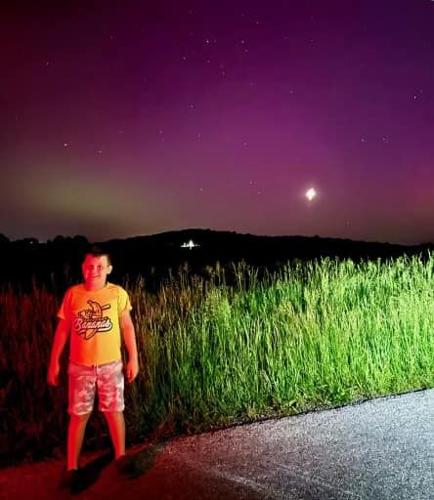
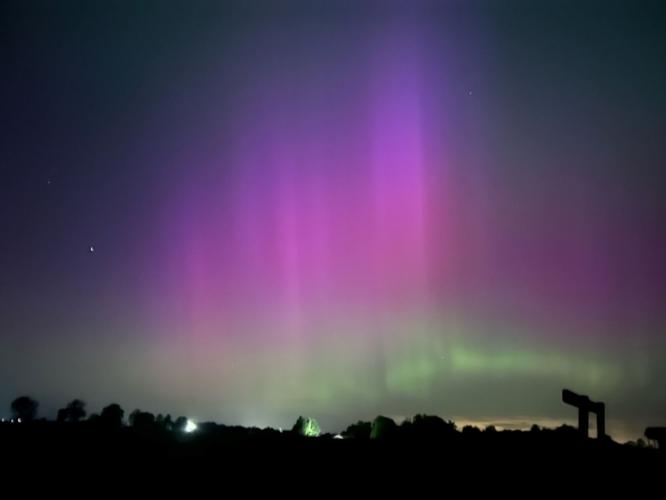
The sun has produced strong solar flares since Wednesday, resulting in at least seven outbursts of plasma. Each eruption, known as a coronal mass ejection, can contain billions of tons of plasma and magnetic field from the sun’s outer atmosphere, or corona.
The flares seem to be associated with a sunspot that’s 16 times the diameter of Earth, NOAA said. It is all part of the solar activity ramping up as the sun approaches the peak of its 11-year cycle.
Copyright 2024 WDRB Media. The Associated Press contributed to this report. All Rights Reserved.


