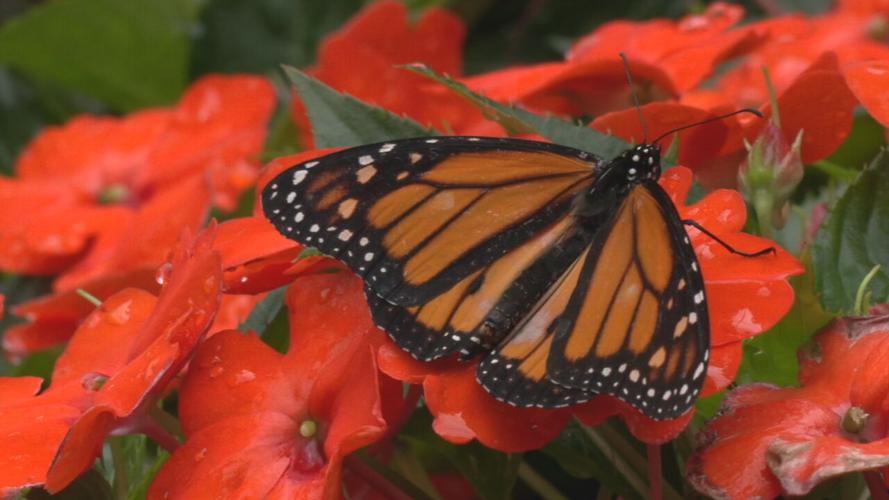
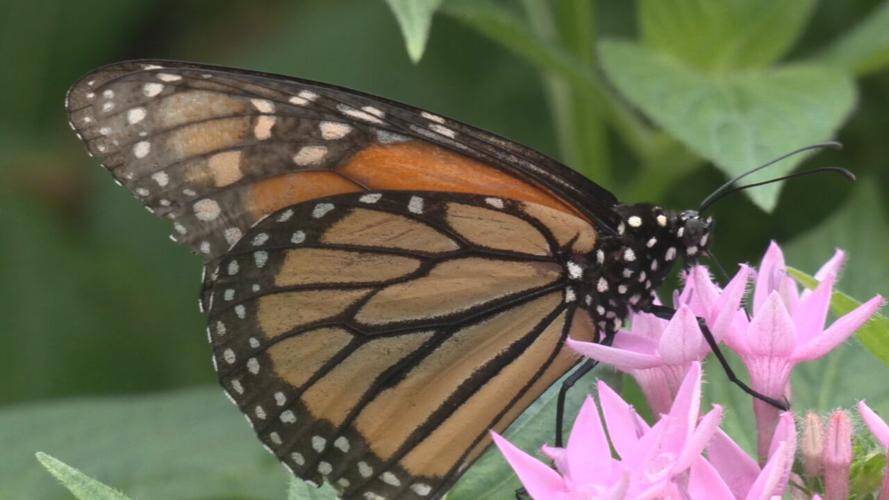
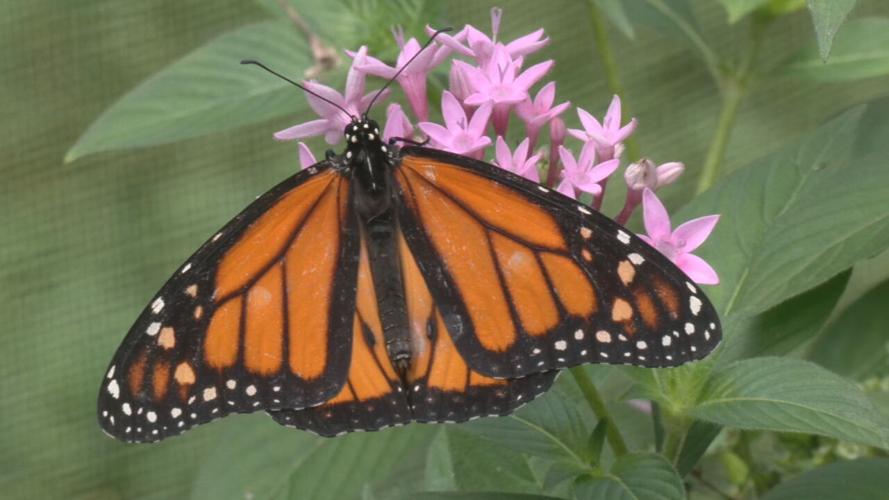


LOUISVILLE, Ky. (WDRB) -- Experts say the monarch butterfly is now endangered.
The classification comes from the International Union for Conservation of Nature (IUCN).

"Monarchs have been in decline since the 80s because of loss of habitat due to primarily spraying herbicides and insecticides," said Matt Lahm, assistant curator of conservation education at the Louisville Zoo.
Lahm said in 2020, monarch butterflies were up for consideration to be listed as endangered on the U.S. Endangered Species Act, but it was denied at the time. He said monarchs will be up for consideration again in a few years.
In the meantime, he's hoping the endangered listing by the IUCN will help the public understand the population problems monarch butterflies are facing.
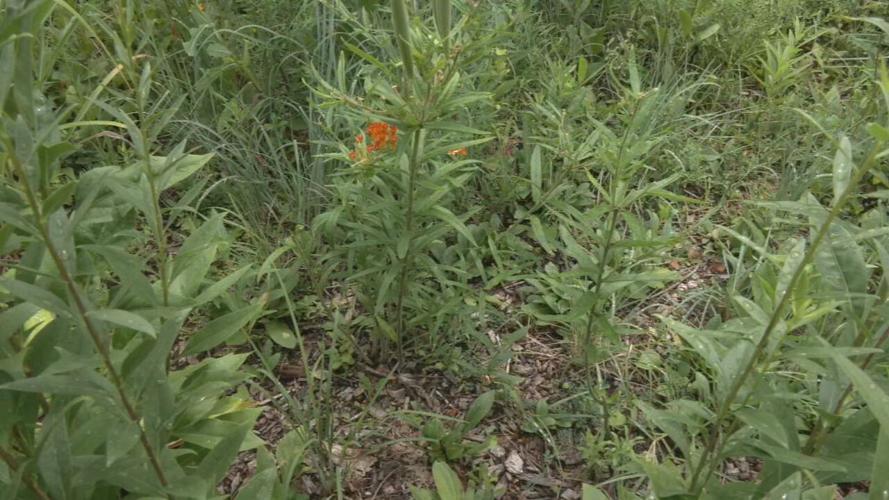
Lahm said monarchs require a plant called milkweed. He said while the adult butterflies get nectar from a variety of flowers, monarch caterpillars only eat milkweed, so that is where adults typically lay their eggs.
To help encourage population growth in recent years, Lahm and the Louisville Zoo have planted milkweed on site and have also created milkweed habitats at area schools and businesses through a "Monarchs & Milkweed" program.

Milkweed planted at Louisville Zoo encourages population growth for monarch butterflies
"This isn't some species (monarchs) that lives on the other side of the planet, this is a species that lives in Kentucky," said Lahm.
He said people can plant milkweed outside their homes in the ground or in potted plants. He's hopeful that if steps are taken, the monarch population can get back to healthier numbers.
"If we give nature the chance, and create habitat and give it the chance to come back, it does," he said.
Lahm said pollinators have an impact on the foods that ends up at the grocery stores and while bees typically are the largest factor, butterflies also play a role.
Monarchs are just one of several species at the Louisville Zoo considered to be endangered by the IUCN. There are multiple birds, reptiles and mammals listed as endangered or critically endangered.
A small animal is now listed as endangered.
"Every species, be it plant, animal, fungus, everything contributes to the whole for ecology for an ecosystem and really the health of the planet," said Lahm.
The Louisville Zoo is also part of the "SAFE" program, which stands for Saving Animals From Extinction. The goal is to save endangered species from extinction. To read more about that program and the species it includes, click here.
Related Stories:
Copyright 2022 WDRB Media. All Rights Reserved.


