AP Wire
  • Updated

You scratched that bug bite and now it's a big itchier bump. Some science explains why scratching really can make things worse, even if you don't break the skin. University of Pittsburgh researchers put tiny “cones of shame” onto mice to help unravel what happens on a cellular level when an itch gets scratched or not. They discovered immune cells that trigger an itchy allergy reaction can be revved up even more, through a different molecular pathway, when you scratch. For the summer itchiness of bug bites, poison ivy and other types of contact dermatitis, dermatologists recommend anti-itch balms such as hydrocortisone cream, calamine lotion or oatmeal baths.

  • Updated

The return of the screwworm parasite to the U.S. has some politicians trying to figure out who to blame. The fly larvae feed on living flesh, posing a threat to cattle and livestock. Democrats blame spending cuts and fewer inspectors at the USDA. Meanwhile, President Donald Trump's Agriculture secretary says the flies left their containment zone in Panama under former President Joe Biden's administration and moved north through lax immigration enforcement. Scientists say the return was inevitable due to a slowed eradication campaign and the warming planet. The USDA plans to spend over $1 billion to combat the pest, including producing sterile flies to control the population.

Three more cases of the New World screwworm have been confirmed, including one outside Texas, demonstrating the difficulty of stopping a pest that could potentially devastate the nation’s cattle industry. The U.S. Department of Agriculture announced Monday the new cases were found in a dog from New Mexico and hundreds of miles away in a goat and calf in Texas. The screwworm is actually a fly, which produces a larva that eats live flesh instead of dead material. Females lay their eggs in open wounds any any warm-blooded animal such as cattle, but wildlife, pets and occasionally even humans can be infested. Before it was irradicated in the 1960s, the fly was an annual warm-weather scourge of cattle ranchers.

  • Updated

The New World screwworm fly is threatening the $113 billion U.S. cattle industry for the first time in more than a half century. An infestation from its flesh-eating larvae has been confirmed in south Texas in a 3-week-old calf in La Pryor, about 100 miles southwest of San Antonio. Federal and state officials had been working to keep the parasite from reaching Texas since its late 2024 appearance in southern Mexico. Before that, it had been contained in Panama for years. The U.S. eradicated the pest by the early 1970s by breeding sterile male flies and dropping swarms from planes to mate with wild females. Millions are being released each week now.

  • Updated

Residents of Havana are dealing with a growing garbage crisis. Piles of waste have been accumulating on nearly every street corner, worsened by a U.S. energy blockade that caused power outages and a fuel crisis. This has halted garbage collection, forcing residents to burn waste in the streets. Health officials are alarmed by the potentially toxic smoke. The situation could worsen with rising temperatures and the impending hurricane season. Some citizens have started initiatives like El Batazo to clean up neighborhoods and repurpose waste. They aim to prove that a cleaner environment is possible.

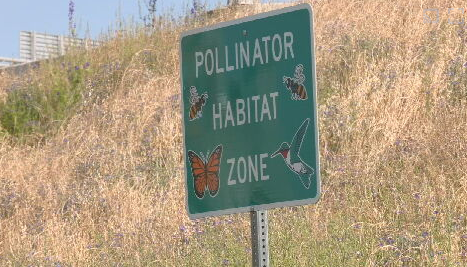
Scientists have identified a group of worker honeybees that are specially adapted to build their queen’s home within the hive. Worker bees perform a myriad of jobs to keep up the hive and care for the queen, who lays all the eggs. It was long thought a diet of royal jelly was key to becoming queen. A new study suggests the queen's environment may also play a role. It found that the specialized worker bees responsible for crafting the queen’s home are younger and effectively run a fever to help melt and blend special chemicals into the wax. The study's findings were published Wednesday in the journal Nature.