

LOUISVILLE, Ky. (WDRB) -- Two Metro Council members are sponsoring an ordinance that would require Louisville Metro Police officers to take drug and alcohol tests after using deadly force.
According to the ordinance, officers who are involved in a "critical incident," which is defined as "an action taken in the line of duty by a sworn Louisville Metro Police Department officer which results in, or potentially could have resulted in, the death or serious physical injury to the sworn officer or any other person," would be subjected to drug and alcohol testing "as soon as practicable" after the incident.
The testing must occur "no later than the end of the involved officer's shift and before any interviews are conducted regarding the incident, including but not limited to interviews by the Public Integrity Unit," the ordinance says.
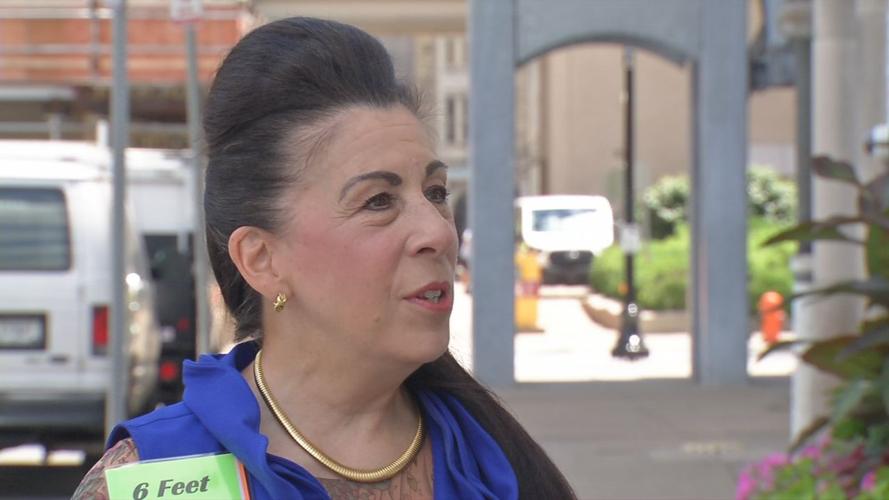
"It just makes good common sense," said Councilwoman Barbara Sexton Smith, D-4. "... It is my hope that the LMPD, the department as well as FOP, will embrace this because it really does protect everyone involved."
Sexton Smith and Council President David James, the ordinance's co-sponsors, believe the legislation will be another step in the right direction in holding officers accountable after Breonna Taylor was shot and killed by LMPD officers who were executing a search warrant at her apartment in March. Taylor's boyfriend, Kenneth Walker, said he thought Taylor's apartment was being robbed when police burst in and fired a shot, hitting one of the officers in the leg.
Taylor's death at the hands of police has sparked weeks of protests in Louisville demanding charges be brought against the officers involved in the shooting. Amid the protests, Metro Council passed legislation known as "Breonna's Law," which bans the use of "no-knock" warrants in Louisville.
"When I first learned of the tragic killing of of Breonna Taylor, a number of things came to mind to me – as to what we might need to codify and make part of the law," Sexton Smith said. "... Each of those steps moves us a little bit closer to the common goal that I'm hearing our community express and our law enforcement officers express and elected officials."
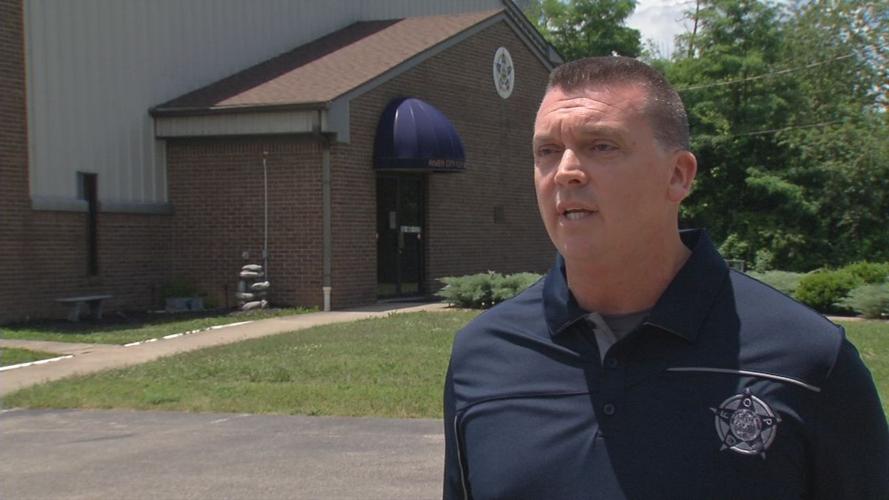
River City Fraternal Order of Police (FOP) President Ryan Nichols said the FOP is not opposed to the ordinance but noted that LMPD's standard operating procedures already call for random drug testing "performed in accordance with current collective bargaining agreements."
According to LMPD's standard operating procedures, an officer may be asked by a commanding officer to take a drug and alcohol test "if reasonable suspicion exists to indicate that a member’s health or ability to perform work may be impaired."
Among the factors that could establish reasonable suspicion, according to LMPD's standard operating procedures:
- Sudden changes in work performance.
- Repeated failure to follow instructions or operating procedures.
- Violation of safety policies.
- The discovery or presence of substances in a member’s possession or near the member’s workplace.
- Odor of alcohol and/or residual odor attributable to some chemical or controlled substance.
- Unexplained and/or frequent absenteeism.
- Personality changes or disorientation.
- An arrest or conviction for the violation of a criminal drug or alcohol statute.
- Information provided by reliable and credible sources or information independently corroborated.
The FOP's collective bargaining agreement with Metro Government states that Metro Government "may" require a member involved in a use of deadly force to take a drug and alcohol test.
"There are definitely plenty of ways for an officer to be drug tested," said Nichols, a veteran LMPD officer who spent most of his career protecting and serving parts of west Louisville.
The FOP president did express some concern about the ordinance possibly passing.
"If it is different language than is in our current contract, we would have to file an unfair labor practice," Nichols said. "If it is different language than is in our current contract, we would have to file an unfair labor practice. Because federal labor law, I assume, would trump a city ordinance."
The ordinance now goes to Metro Council's Public Safety Committee. If the legislation clears committee, Council could take a full vote on it on July 23.
Copyright 2020 WDRB Media. All Rights Reserved.