SHELBYVILLE, Ky. (WDRB) -- Shelby County is making sure no one forgets a dark chapter in its history.
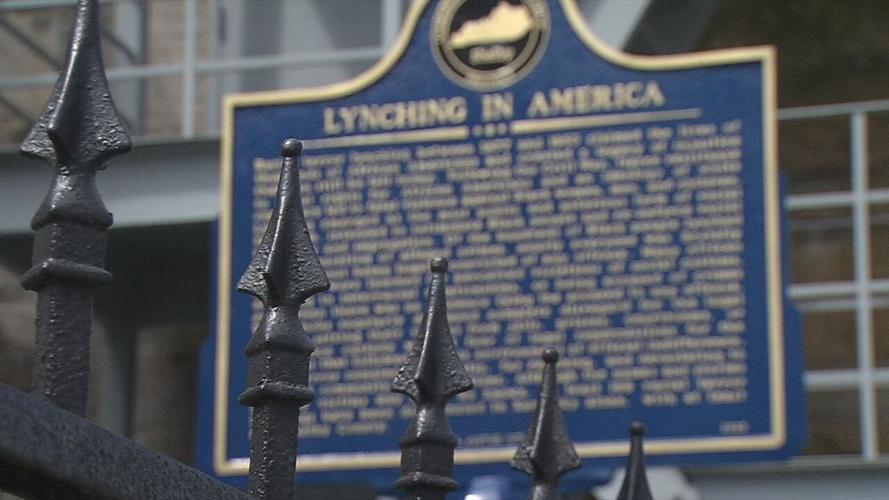
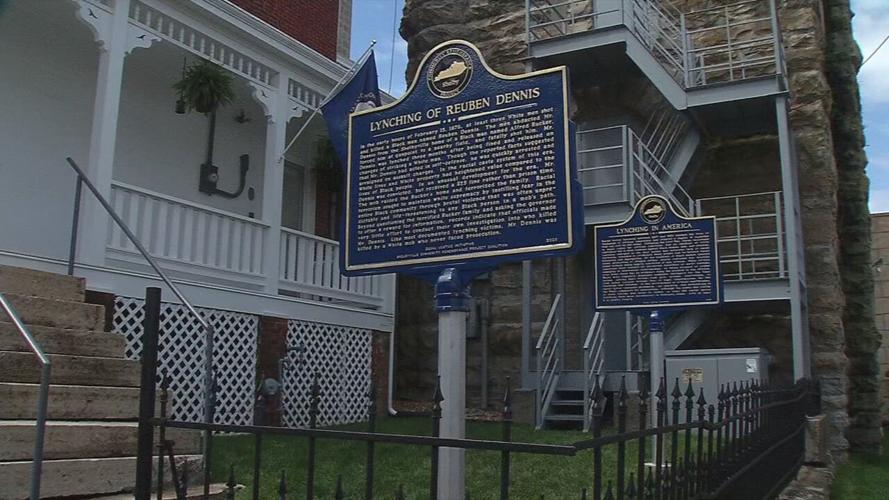
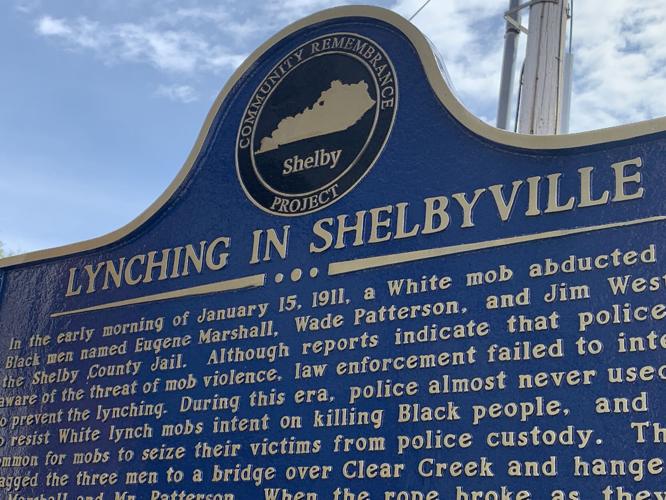
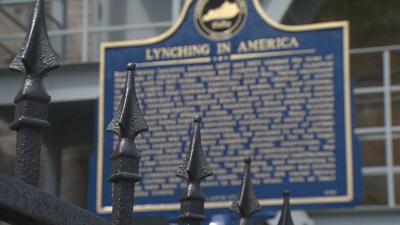
The community placed three historical markers in downtown Shelbyville to note the county’s six documented lynchings from 1878-1911.
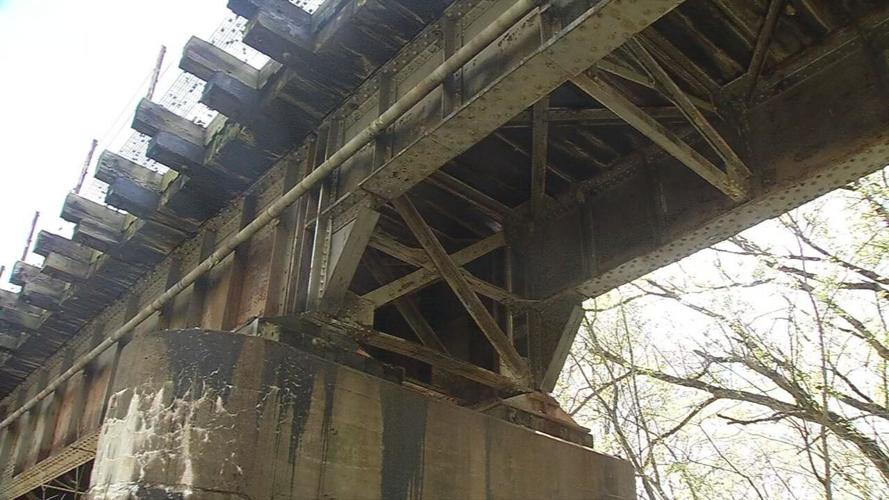
Angry mobs stormed the old Shelby County Jail and attacked Black men being held here. They were dragged from the jail and taken to a nearby railroad bridge, where they were either hanged or shot.
“They never got to go to trial," said Janice Harris, president of the Shelbyville Area NAACP. "They never got to get a fair trial."

Angry mobs stormed the old Shelby County Jail and attacked Black men being held here. They were dragged from the jail and taken to a nearby railroad bridge, where they were either hanged or shot.
Rev. Robert Marshall said when he was growing up, his father told him about what happened at the bridge.
“No names were lifted up," Marshall said. "All he said was this is what took place years ago in the lynching of some men out of our local jail."
Now, their names will always be known. They are etched on three historical markers erected near the jail:
- Reuben Dennis, lynched in 1878
- Sam Pulliam, 1891
- Jimbo Fields, 1901
- Clarence Garnett, 1901
- Eugene Marshall, 1911
- Wade Patterson, 1911
“It's important because it happened,” Harris said. “It's a part of our history. We want to tell these men's stories so that it doesn't happen again.”

The community placed three historical markers in downtown Shelbyville to note the county’s six documented lynchings from 1878-1911.
The local chapter of the NAACP led the effort to place the markers. They were paid for by the Equal Justice Initiative out of Montgomery, Alabama.
“It may be a part of our history you don't like, but history must be told," Shelby County Judge Executive Dan Ison said. "We can't learn from our mistakes if we keep it hidden."
“It is a very somber time that we have to deal with, and it is part of the healing process,” Shelbyville Mayor David Eaton added.
Harris said the best way to heal a wound is to expose it to the light.
“We put it on display. It's right here,” she said. “This is a dark past for Shelby County, but we're willing to bring it out and talk about it and show that we're willing to work together as a community to heal.”

The local chapter of the NAACP led the effort to place the markers. They were paid for by the Equal Justice Initiative out of Montgomery, Alabama.
There are also plans to place a monument and a bench near the bridge as a place of remembrance and reflection.
Copyright 2021 WDRB Media. All Rights Reserved.


