

LOUISVILLE, Ky. (WDRB) -- The city of Louisville normally comes alive as April turns to May. The flowers bloom, the sun shines, and the world arrives in town to celebrate the Kentucky Derby season.
But that season began, instead, with grief. A mass shooting in a downtown Louisville office building April 10 killed five people, injured eight others and stopped the city in its tracks. The week that followed resulted in nine more criminal homicides across Louisville, continuing a trend of violence that spans back several years and appears no closer to stalling.
So what can be done to change the tide? The video above and story below are a compilation of community discussions from the last two weeks. Elected officials, religious leaders, parents, students and community activists share what they believe drives Louisville's violence and what everyone can begin doing now to make it better.
A cycle of violence
The city of Louisville is on a yearslong surge in violence. Despite a year in which much of the world spent an increased amount of time at home staving off COVID-19, 2020 saw the most criminal homicides in the city's history with 173. In 2021, the record was broken again with 188 homicides. And 2022 saw another 168 criminal homicides.
Much of that violence is concentrated in west Louisville, a loosely-defined area mostly within the Ohio River to the west and north and 9th Street to the east. Jefferson County Circuit Court Judge Jessica Green, a lifelong resident of west Louisville, believes people who live through and endure a constant threat of violence have the power to make their own decisions.
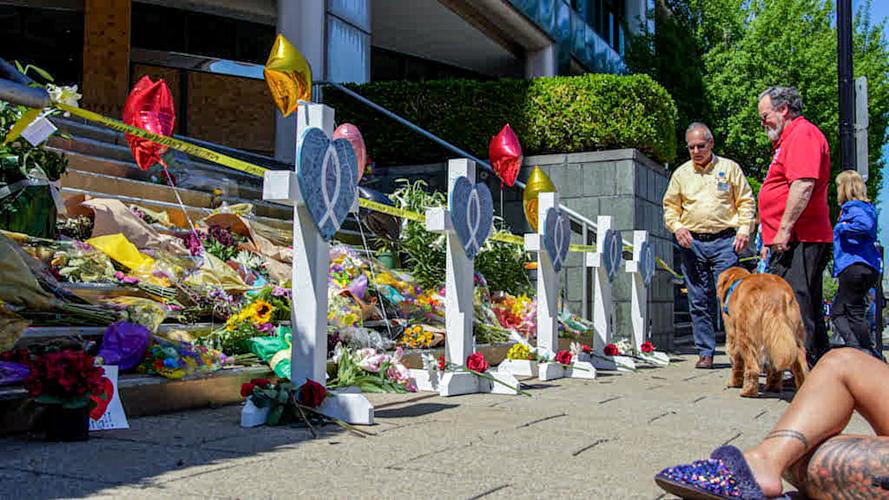
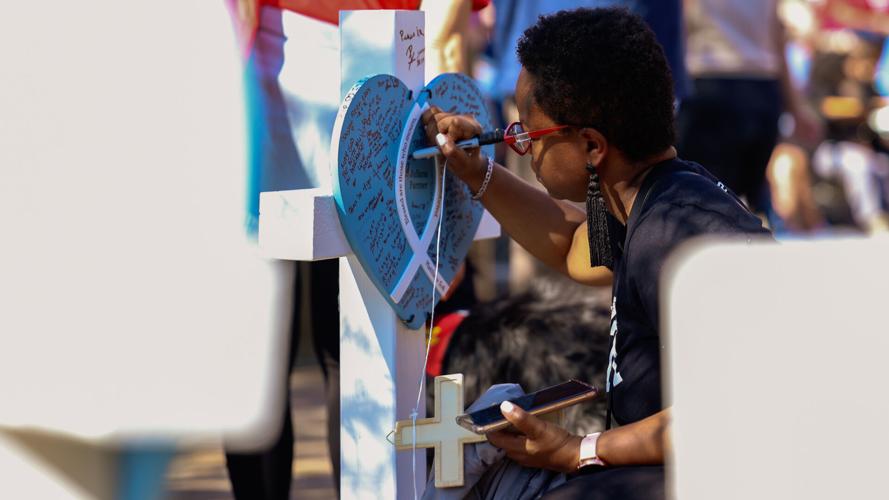
A group called Lutheran Church Charities placed crosses with the names of the shooting victims by the steps of the Old National Bank building in downtown Louisville. People coming to pay their respects have written messages on the crosses in remembrance of that person. (Photo by WDRB reporter Darby Beane)
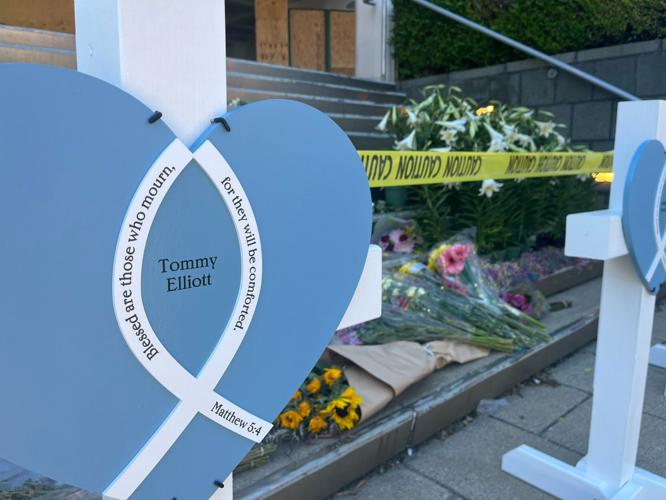
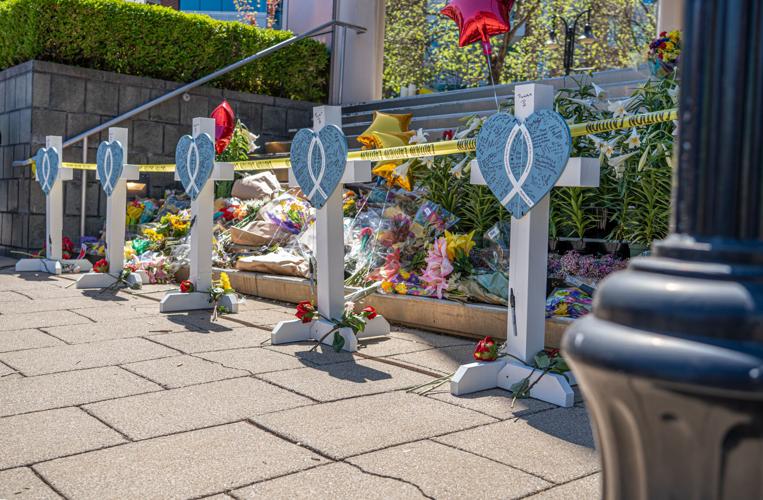
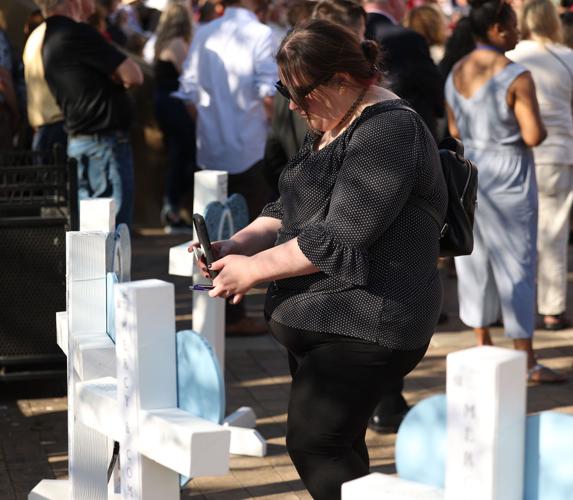
The group Lutheran Church Charities placed crosses with hearts and victims’ names along a memorial outside the Old National Bank in downtown Louisville on Tuesday, April 11, 2023. The group said they want to help give the community the opportunity to grieve. Victims’ families can keep these hearts if they choose. (Darby Beane/WDRB photo)
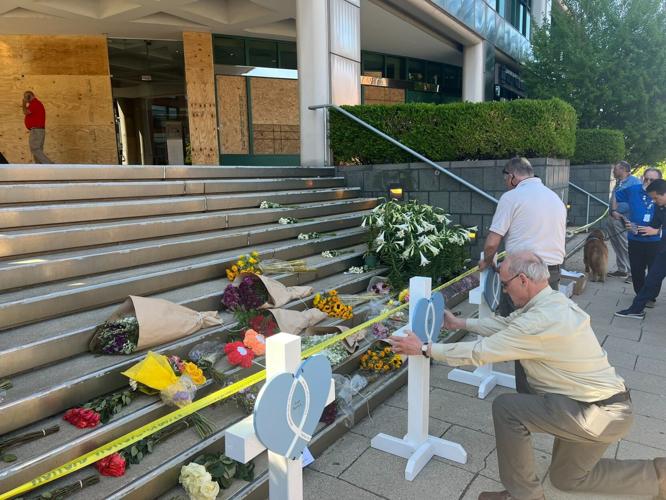
The group Lutheran Church Charities placed crosses with hearts and victims’ names along a memorial outside the Old National Bank in downtown Louisville on Tuesday, April 11, 2023. The group said they want to help give the community the opportunity to grieve. Victims’ families can keep these hearts if they choose. (Darby Beane/WDRB photo)
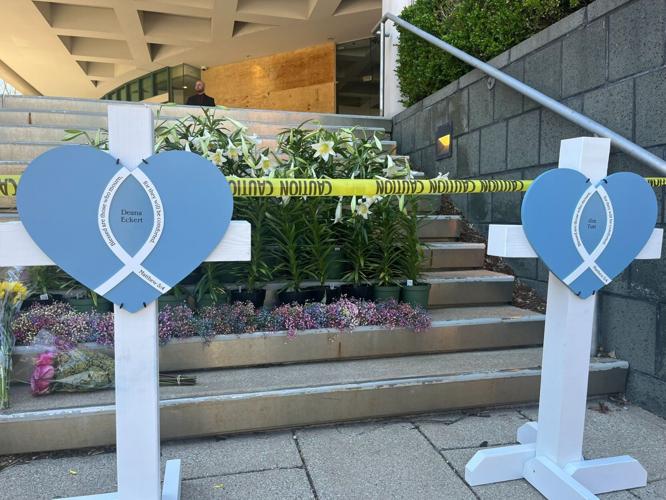
The group Lutheran Church Charities placed crosses with hearts and victims’ names along a memorial outside the Old National Bank in downtown Louisville on Tuesday, April 11, 2023. The group said they want to help give the community the opportunity to grieve. Victims’ families can keep these hearts if they choose. (Darby Beane/WDRB photo)
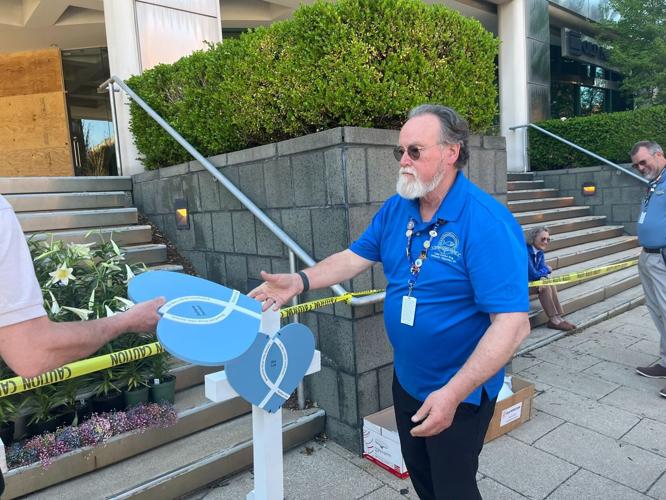
The group Lutheran Church Charities placed crosses with hearts and victims’ names along a memorial outside the Old National Bank in downtown Louisville on Tuesday, April 11, 2023. The group said they want to help give the community the opportunity to grieve. Victims’ families can keep these hearts if they choose. (Darby Beane/WDRB photo)
Old National Bank Memorial
Flowers form a memorial in front of the Old National Bank building in downtown Louisville, one day after several people were killed in an April 10, 2023 mass shooting. (WDRB Photo)
- Darius Bowie
Flowers form a memorial in front of the Old National Bank building in downtown Louisville, one day after several people were killed in an April 10, 2023 mass shooting. (WDRB Photo)
- Darius Bowie
Flowers form a memorial in front of the Old National Bank building in downtown Louisville, one day after several people were killed in an April 10, 2023 mass shooting. (WDRB Photo)
- Darius Bowie
Flowers form a memorial in front of the Old National Bank building in downtown Louisville, one day after several people were killed in an April 10, 2023 mass shooting. (WDRB Photo)
- Darius Bowie
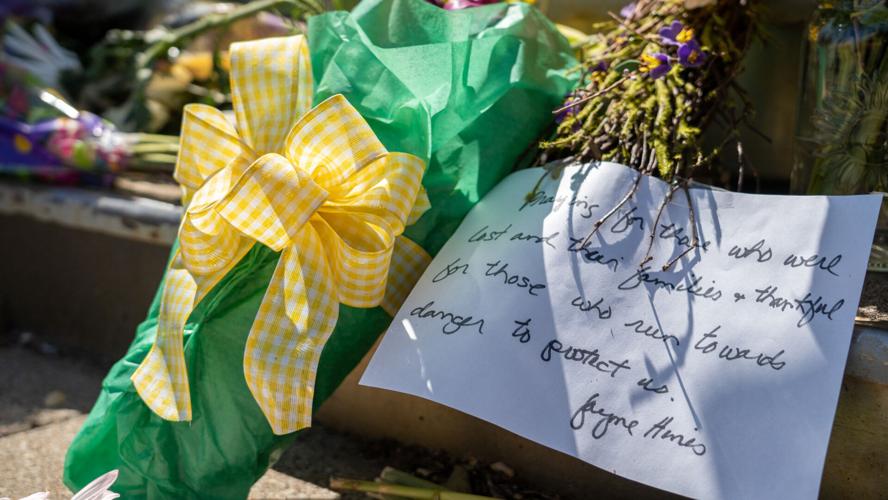
Flowers form a memorial in front of the Old National Bank building in downtown Louisville, one day after several people were killed in an April 10, 2023 mass shooting. (WDRB Photo)
- Darius Bowie
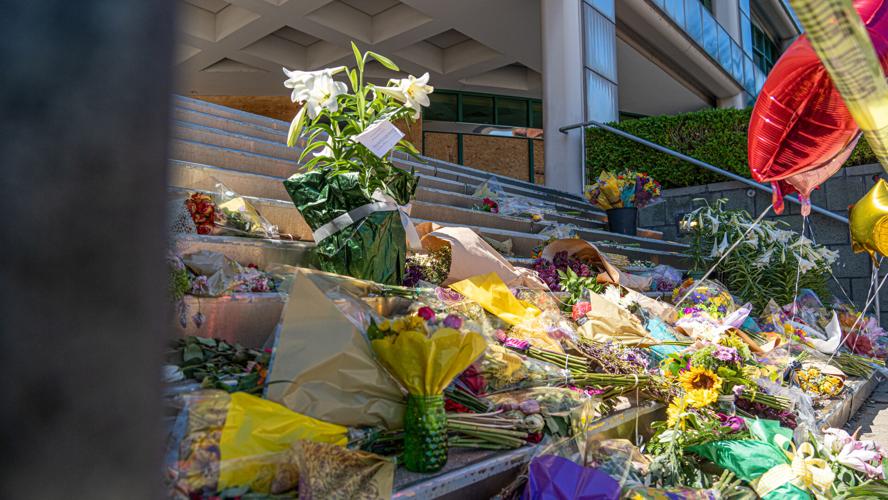
Flowers form a memorial in front of the Old National Bank building in downtown Louisville, one day after several people were killed in an April 10, 2023 mass shooting. (WDRB Photo)
- Darius Bowie
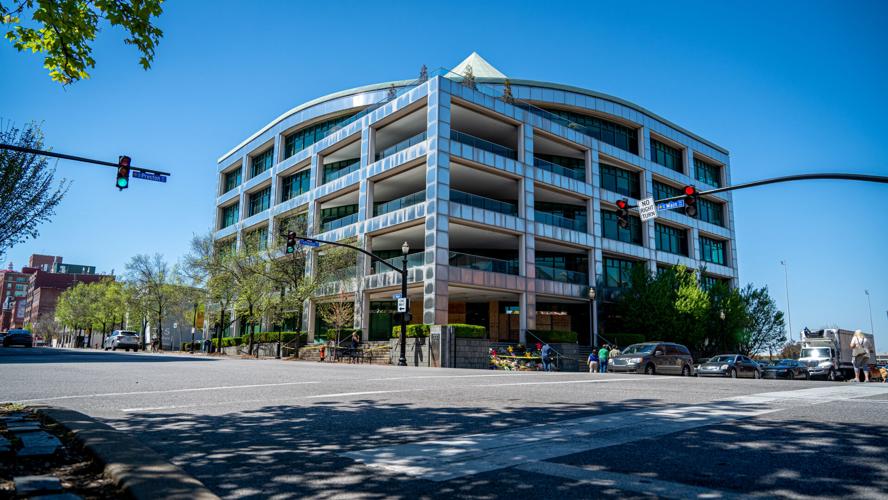
Flowers form a memorial in front of the Old National Bank building in downtown Louisville, one day after several people were killed in an April 10, 2023 mass shooting. (WDRB Photo)
- Darius Bowie
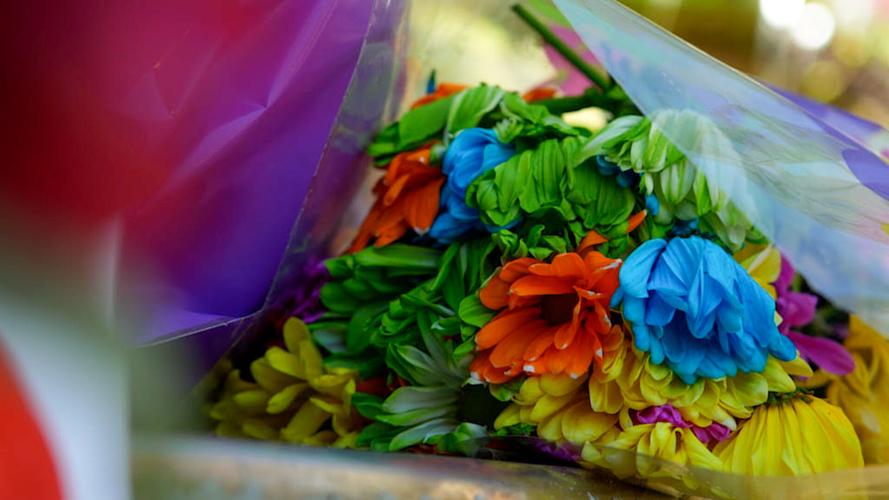
Flowers form a memorial in front of the Old National Bank building in downtown Louisville, one day after several people were killed in an April 10, 2023 mass shooting. (WDRB Photo)
- Darius Bowie
Flowers form a memorial in front of the Old National Bank building in downtown Louisville, one day after several people were killed in an April 10, 2023 mass shooting. (WDRB Photo)
- Darius Bowie
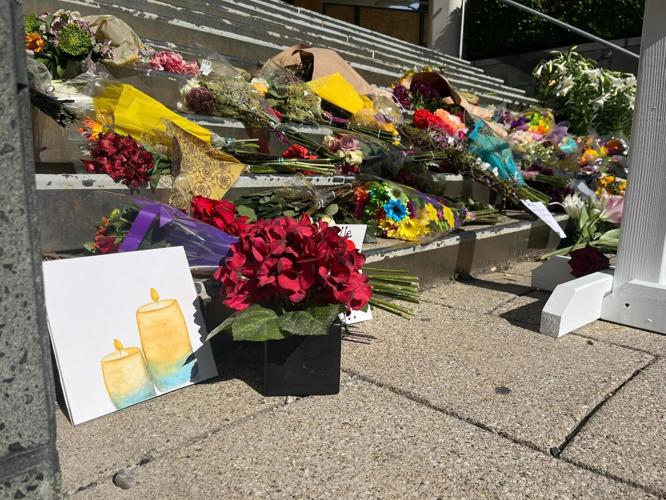
Flowers line the steps of the Old National Bank building on East Main Street in downtown Louisville after a mass shooting on Monday killing five people. (Photo by WDRB reporter Darby Beane)
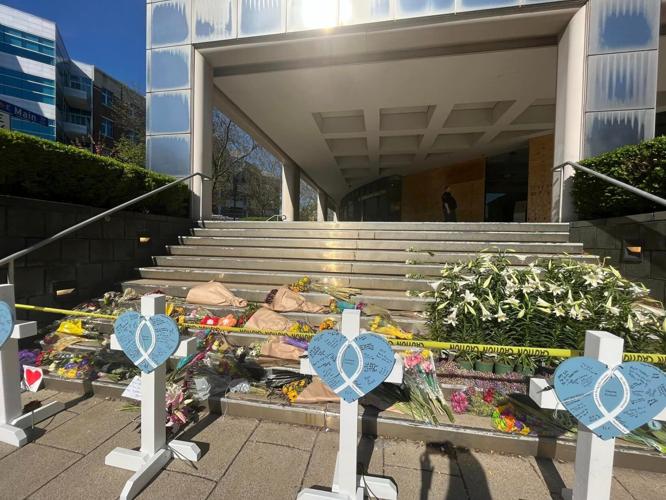
Crosses and flowers line the steps of the Old National Bank in downtown Louisville in honor of the people killed and injured in the mass shooting on Monday. (Photo by WDRB reporter Darby Beane)
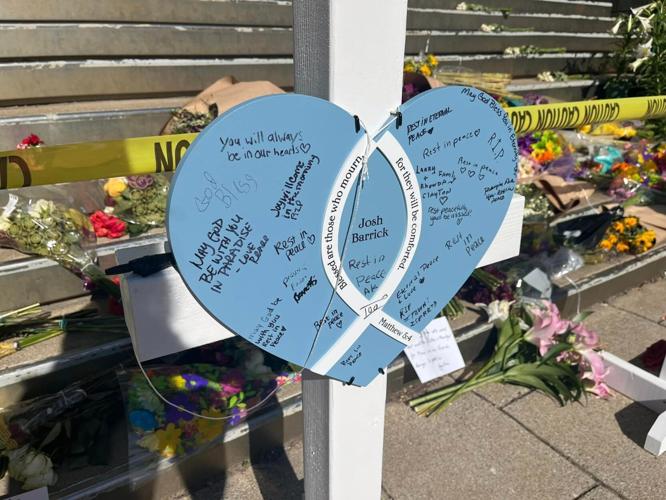
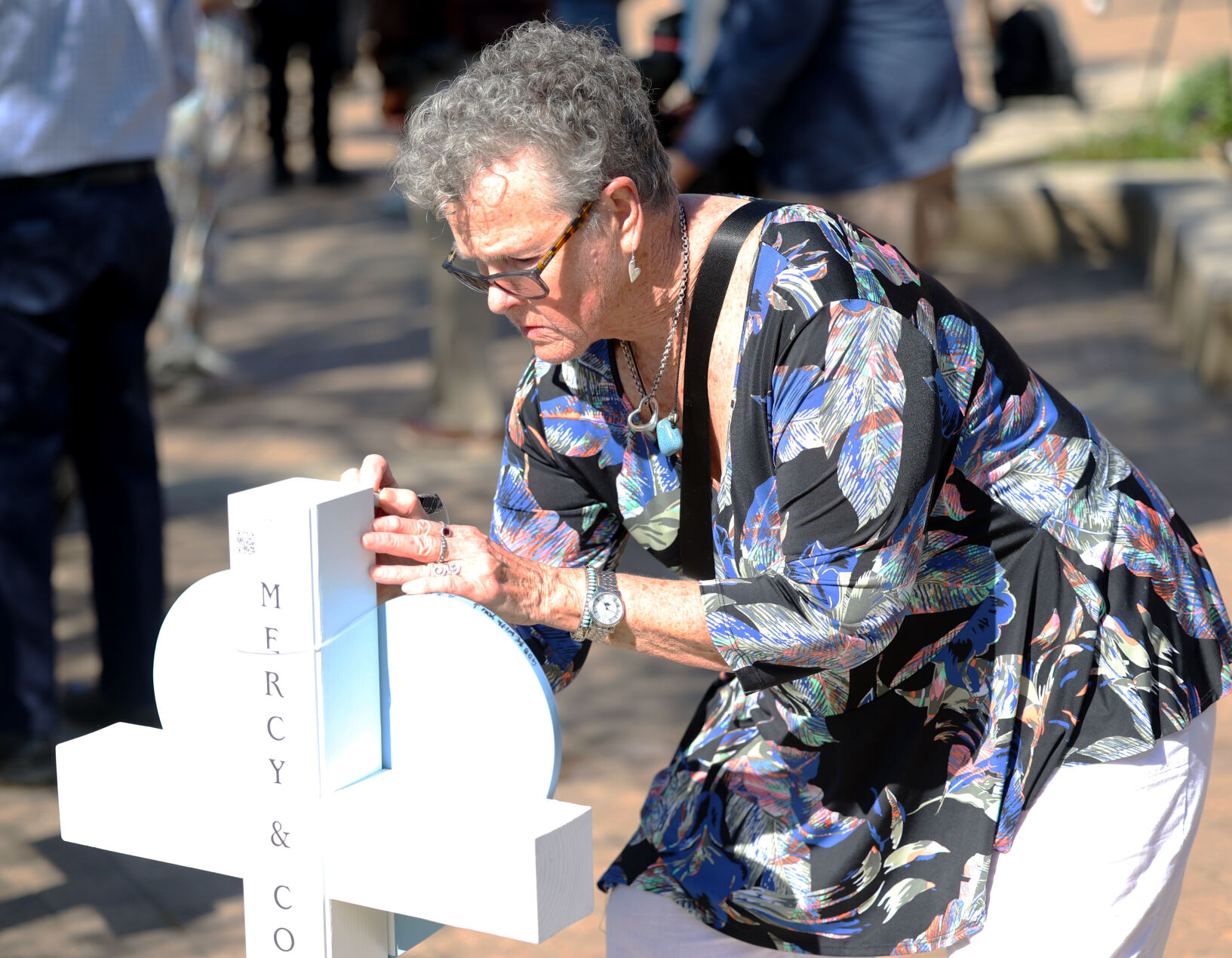
A group called Lutheran Church Charities placed crosses with the names of the shooting victims by the steps of the Old National Bank building in downtown Louisville. People coming to pay their respects have written messages on the crosses in remembrance of that person. (Photo by WDRB reporter Darby Beane)
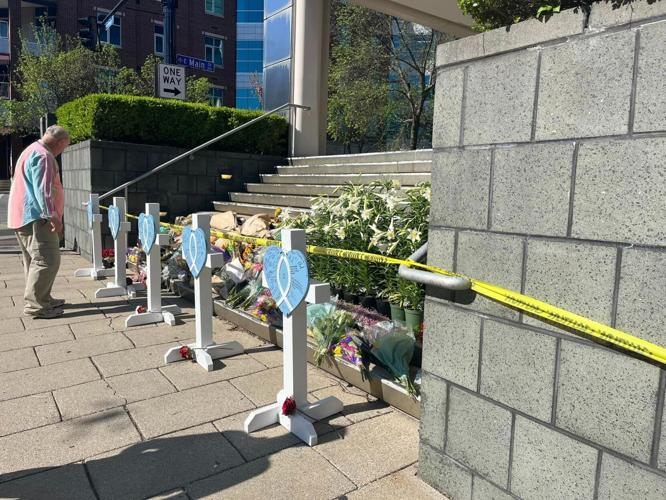
A man pays his respects at the memorial for the Old National Bank mass shooting victims on Wednesday, April 12. The memorial continues to grow with people adding more to remember the victims. (Photo by WDRB reporter Darby Beane)
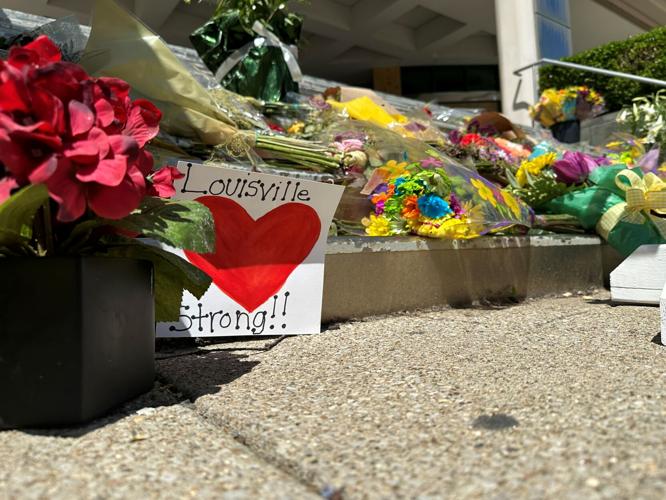
Flowers form a memorial in front of the Old National Bank building in downtown Louisville, one day after several people were killed in an April 10, 2023 mass shooting. (WDRB Photo)
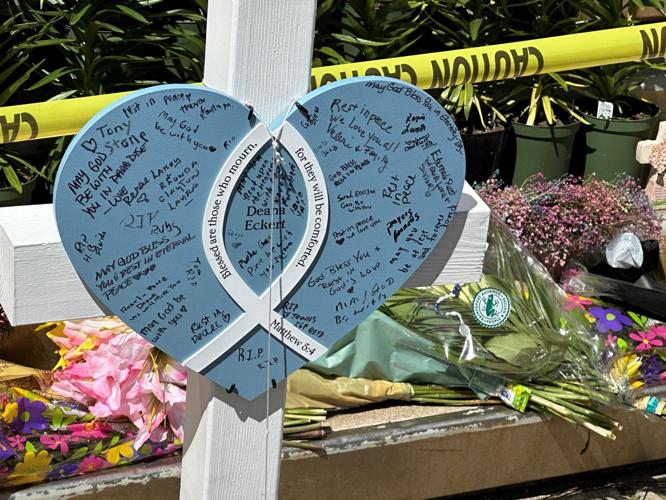
Flowers form a memorial in front of the Old National Bank building in downtown Louisville, one day after several people were killed in an April 10, 2023 mass shooting. (WDRB Photo)
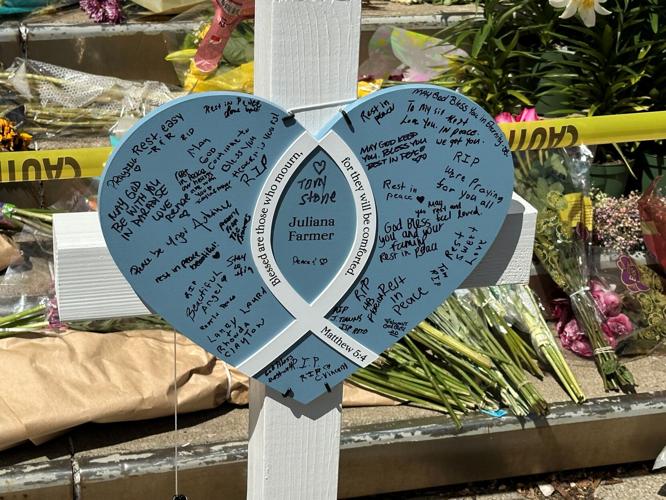
Flowers form a memorial in front of the Old National Bank building in downtown Louisville, one day after several people were killed in an April 10, 2023 mass shooting. (WDRB Photo)
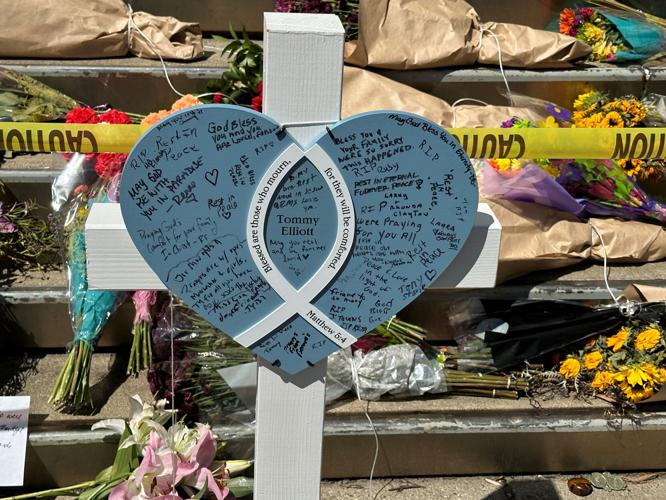
Flowers form a memorial in front of the Old National Bank building in downtown Louisville, one day after several people were killed in an April 10, 2023 mass shooting. (WDRB Photo)
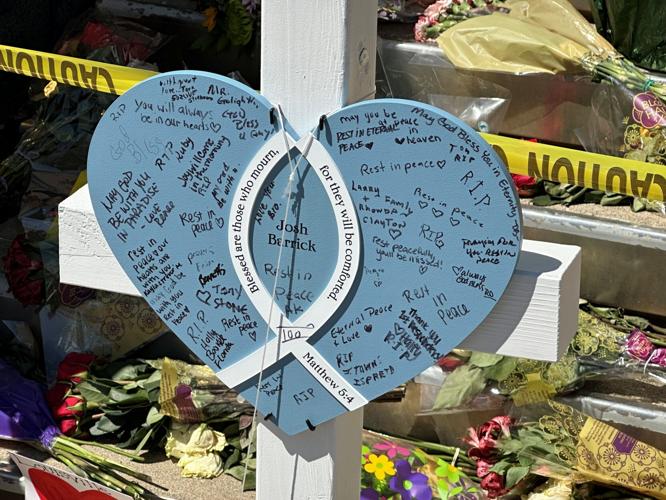
Flowers form a memorial in front of the Old National Bank building in downtown Louisville, one day after several people were killed in an April 10, 2023 mass shooting. (WDRB Photo)
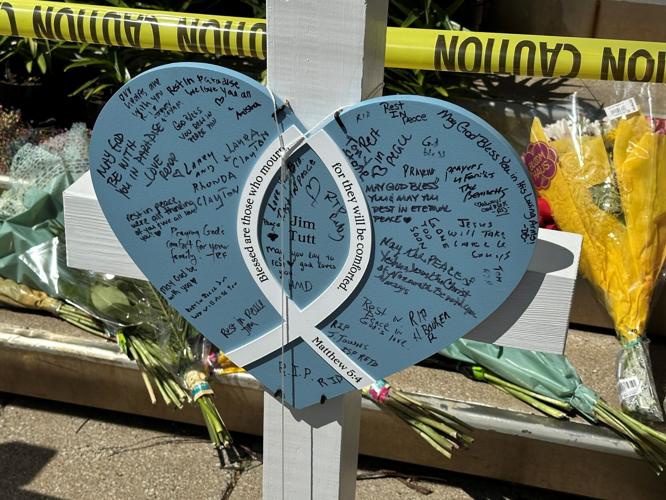
Flowers form a memorial in front of the Old National Bank building in downtown Louisville, one day after several people were killed in an April 10, 2023 mass shooting. (WDRB Photo)
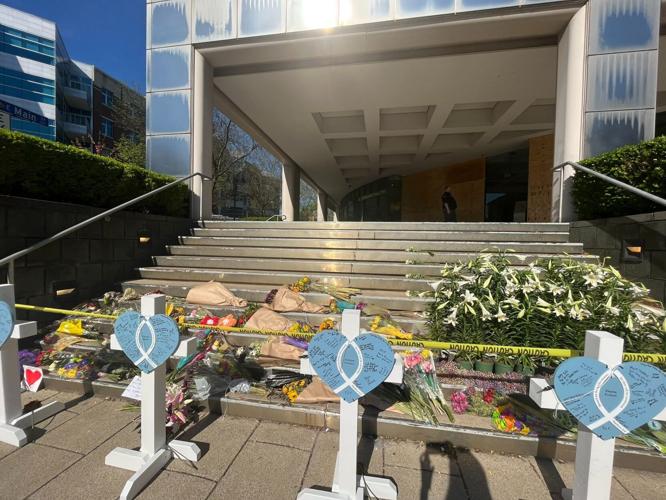
Flowers form a memorial in front of the Old National Bank building in downtown Louisville, one day after several people were killed in an April 10, 2023 mass shooting. (WDRB Photo)
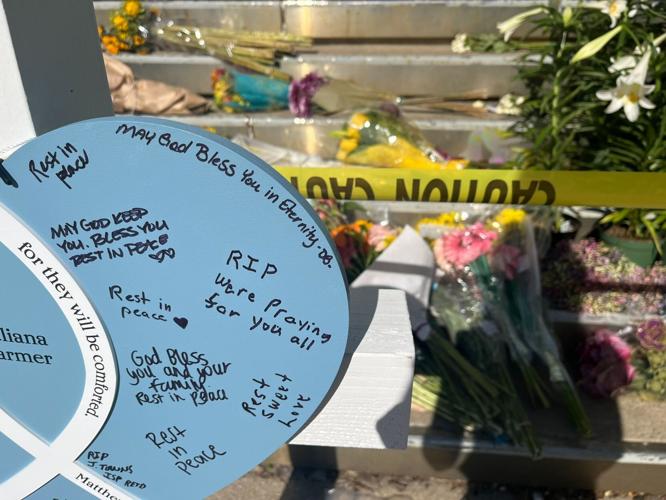
Flowers form a memorial in front of the Old National Bank building in downtown Louisville, one day after several people were killed in an April 10, 2023 mass shooting. (WDRB Photo)
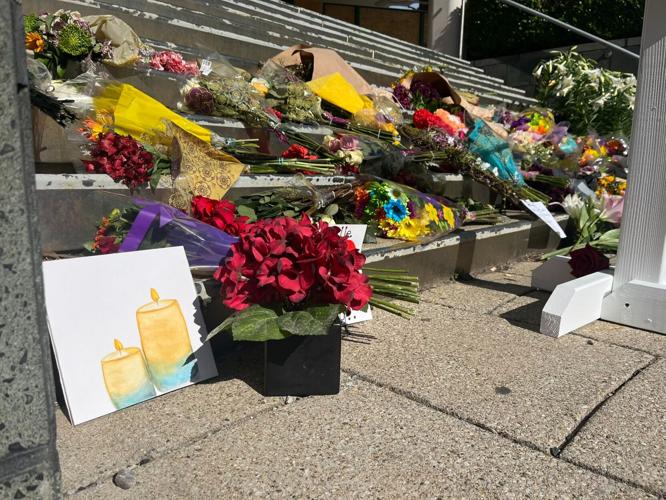
Flowers form a memorial in front of the Old National Bank building in downtown Louisville, one day after several people were killed in an April 10, 2023 mass shooting. (WDRB Photo)
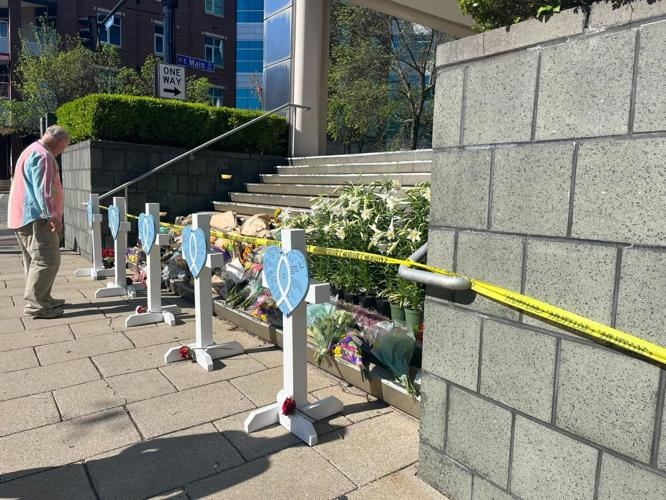
Flowers form a memorial in front of the Old National Bank building in downtown Louisville, one day after several people were killed in an April 10, 2023 mass shooting. (WDRB Photo)
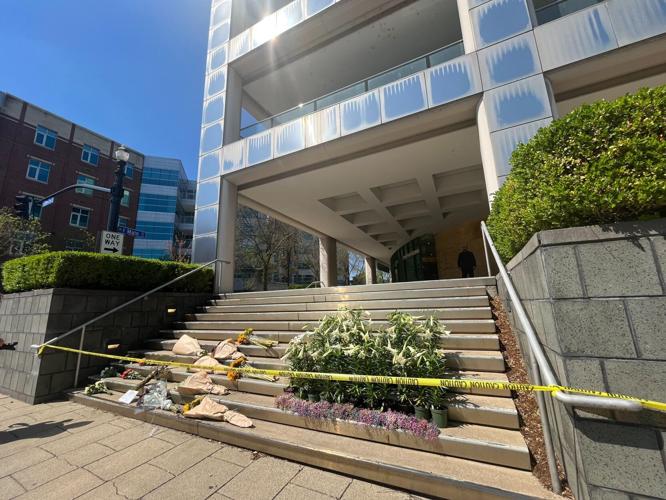
Flowers form a memorial in front of the Old National Bank building in downtown Louisville, one day after several people were killed in an April 10, 2023 mass shooting. (Image by: Stuart Hammer / WDRB)
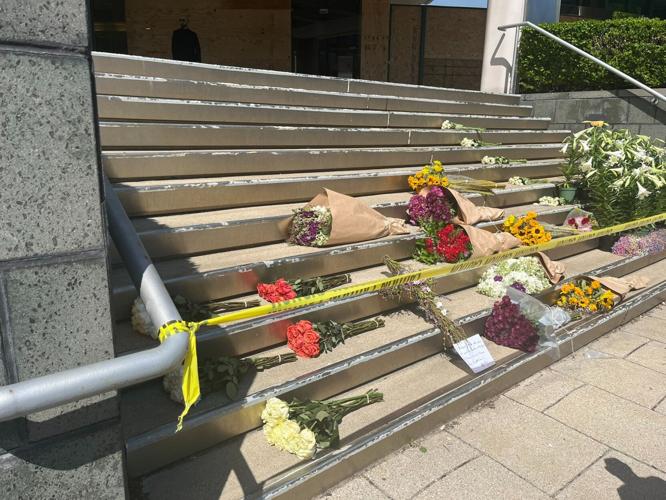
Flowers form a memorial in front of the Old National Bank building in downtown Louisville, one day after several people were killed in an April 10, 2023 mass shooting. (Image by: Stuart Hammer / WDRB)
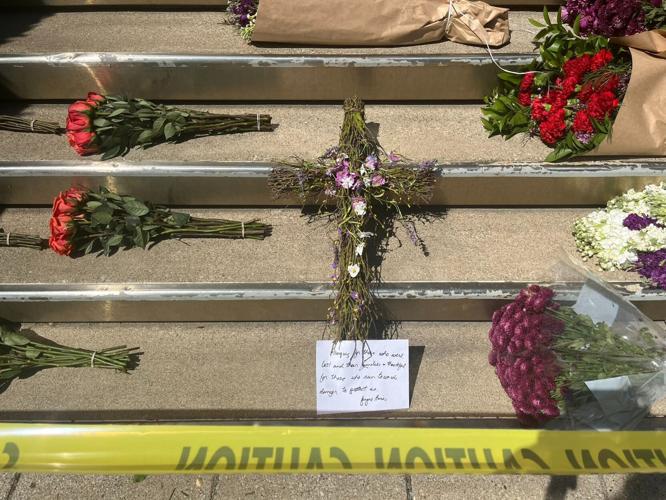
Flowers form a memorial in front of the Old National Bank building in downtown Louisville, one day after several people were killed in an April 10, 2023 mass shooting. (Image by: Stuart Hammer / WDRB)
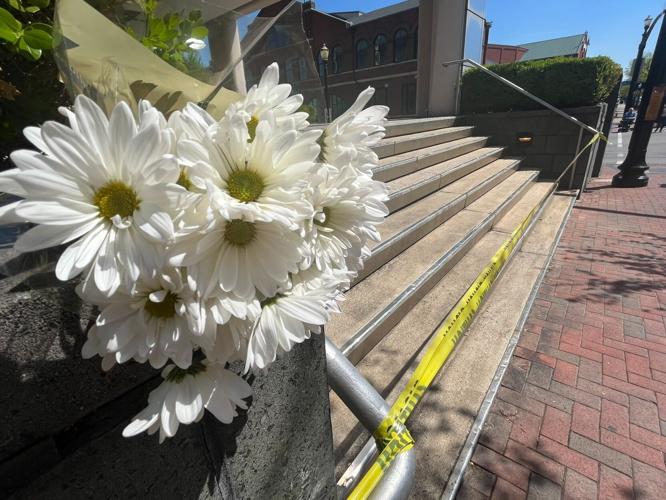
Flowers form a memorial in front of the Old National Bank building in downtown Louisville, one day after several people were killed in an April 10, 2023 mass shooting. (Image by: Stuart Hammer / WDRB)
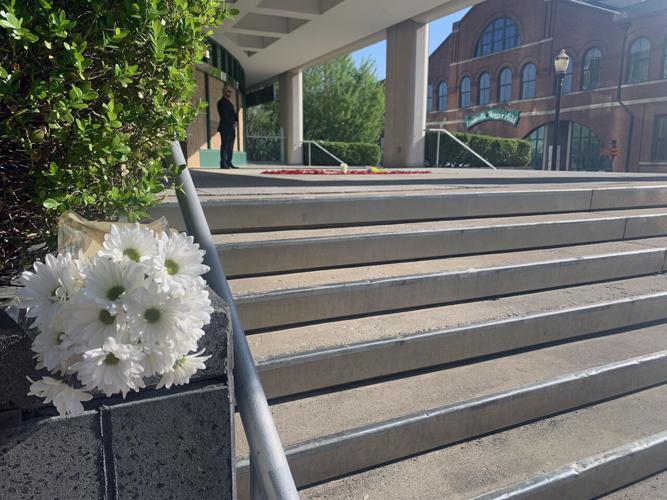
Flowers form a memorial in front of the Old National Bank building in downtown Louisville, one day after several people were killed in an April 10, 2023 mass shooting. (Image by: Stuart Hammer / WDRB)
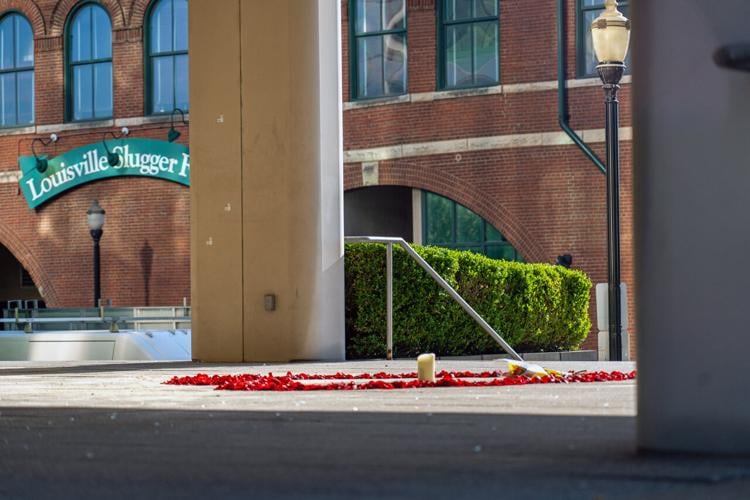
A memorial in front of the Old National Bank building in downtown Louisville, one day after several people were killed in an April 10, 2023 mass shooting. (Image by: Stuart Hammer / WDRB)
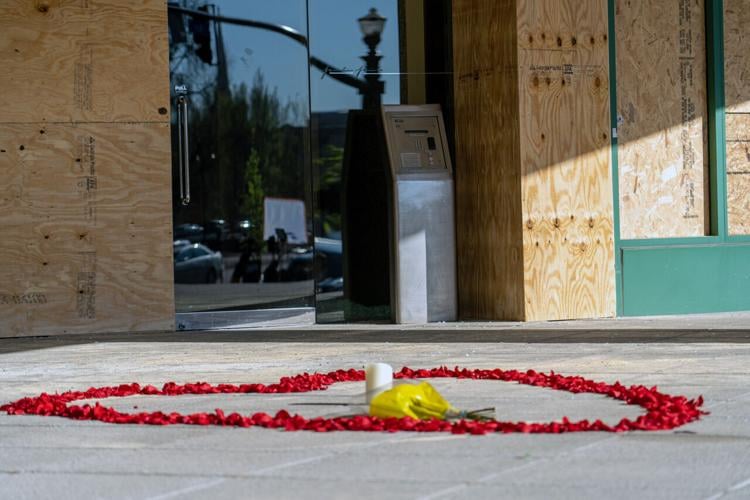
A memorial in front of the Old National Bank building in downtown Louisville, one day after several people were killed in an April 10, 2023 mass shooting. (Image by: Stuart Hammer / WDRB)
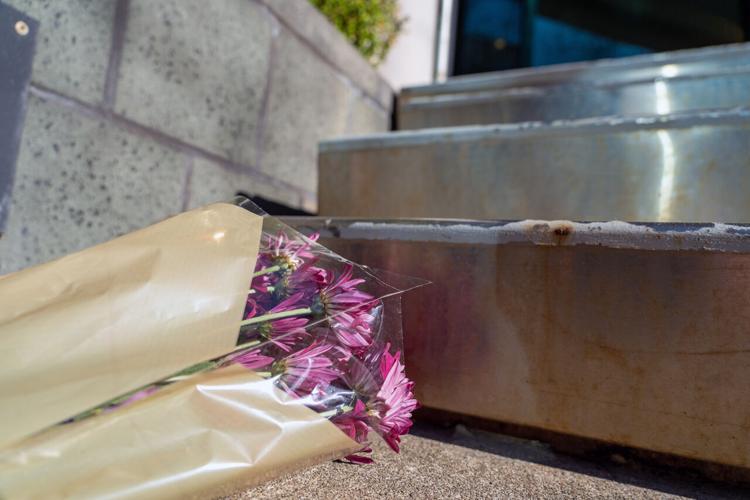
Flowers form a memorial in front of the Old National Bank building in downtown Louisville, one day after several people were killed in an April 10, 2023 mass shooting. (Image by: Stuart Hammer / WDRB)
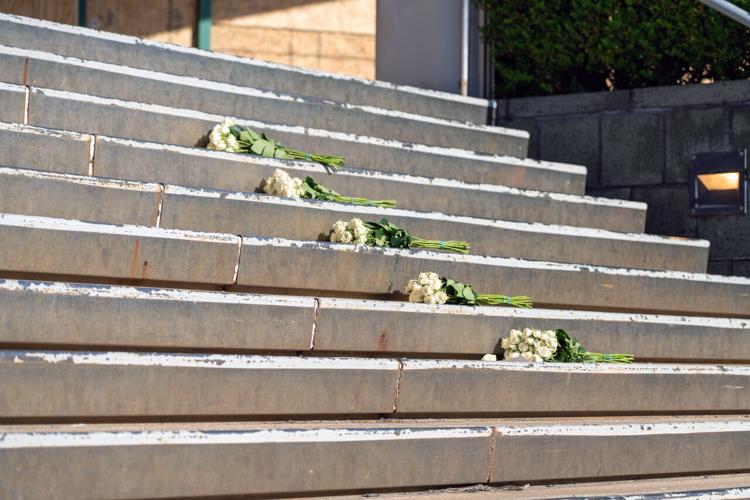
Flowers form a memorial in front of the Old National Bank building in downtown Louisville, one day after several people were killed in an April 10, 2023 mass shooting. (Image by: Stuart Hammer / WDRB)
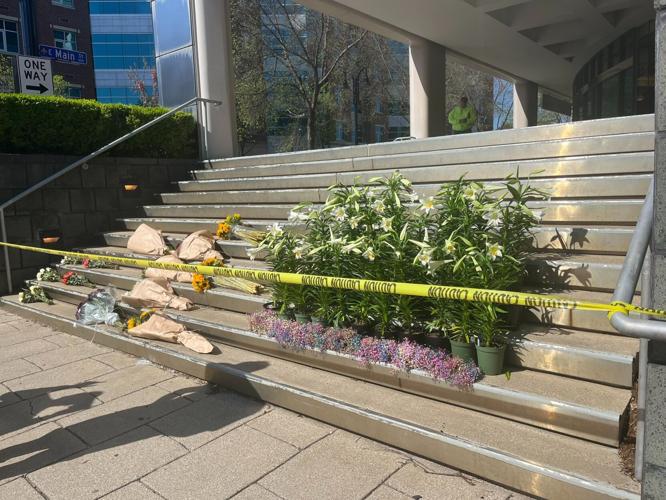
A memorial in front of the Old National Bank building in downtown Louisville, one day after several people were killed in an April 10, 2023, mass shooting. (WDRB Photo)
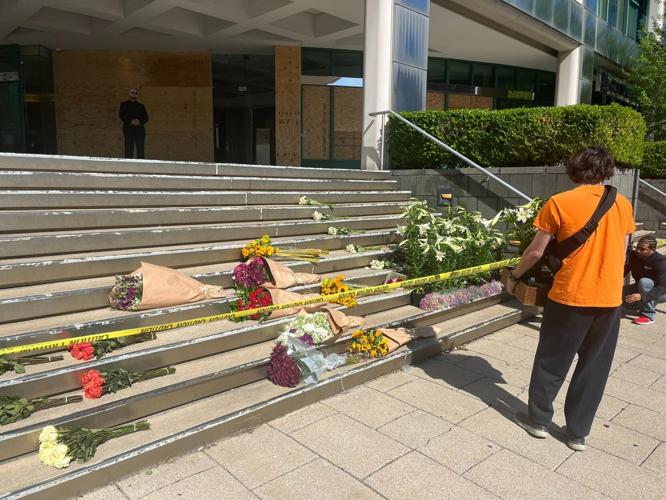
A memorial in front of the Old National Bank building in downtown Louisville, one day after several people were killed in an April 10, 2023, mass shooting. (WDRB Photo)
The group Lutheran Church Charities placed crosses with hearts and victims’ names along a memorial outside the Old National Bank in downtown Louisville on Tuesday, April 11, 2023. The group said they want to help give the community the opportunity to grieve. Victims’ families can keep these hearts if they choose. (Darby Beane/WDRB photo)
The group Lutheran Church Charities placed crosses with hearts and victims’ names along a memorial outside the Old National Bank in downtown Louisville on Tuesday, April 11, 2023. The group said they want to help give the community the opportunity to grieve. Victims’ families can keep these hearts if they choose. (Darby Beane/WDRB photo)
The group Lutheran Church Charities placed crosses with hearts and victims’ names along a memorial outside the Old National Bank in downtown Louisville on Tuesday, April 11, 2023. The group said they want to help give the community the opportunity to grieve. Victims’ families can keep these hearts if they choose. (Darby Beane/WDRB photo)
The group Lutheran Church Charities placed crosses with hearts and victims’ names along a memorial outside the Old National Bank in downtown Louisville on Tuesday, April 11, 2023. The group said they want to help give the community the opportunity to grieve. Victims’ families can keep these hearts if they choose. (Darby Beane/WDRB photo)
"I live in a neighborhood where a significant amount of the folks are impoverished," Green said. "A lot of people are products of their circumstances. People don't just wake up one day and decide, 'I want to be a drug dealer' or 'I want to rob people.' Oftentimes, people are making tough decisions — albeit sometimes wrong decisions — based on simply the cards that they were dealt in life. And none of us did anything to earn the family that we were born into."
Green believes making Louisville a better place to live starts with opportunity.
"People have to have an opportunity to better themselves in life," she said. "That is something that will improve the entire community. When an individual who is impoverished rises, that can help to lift an entire community, an entire state, an entire nation. So it matters for everybody."
Louisville Metro Police Deputy Chief Paul Humphrey said if the city is going to really tackle the violence problem, the violent cycle the city has seen that last few years has to be interrupted.
"They're called cycles for a reason," Humphrey said. "It's because they repeat themselves and they continue on after one event. We know that a lot of these shootings aren't isolated events. They are related to previous shootings and previous beefs that people have been involved in. Unless someone at that level is willing to step in and intervene on that, it's going to continue. More people are going to die. More families are going to be torn apart. And we're going to be attending more funerals and we're going to be responding to more shootings. ... unless people take a step to intervene in these conflicts."
Guns
Connor Sturgeon, 25, the man who police said opened fire April 10 in a downtown Louisville bank branch killing five people and injuring eight others, used an AR-15 he purchased legally six days earlier at a local gun dealer. On Thursday, his family issued a statement saying it wants the weapon to be destroyed.
Louisville Mayor Craig Greenberg, a Democrat, is pleading with Kentucky's Republican-controlled legislature to make changes to the law, which directs that seized weapons be auctioned off by Kentucky State Police to federally-licensed firearms dealers.
"That assault weapon that was used to kill five people and shoot at two police officers — one of whom is still in the hospital battling for his life — that weapon, under Kentucky law, is going to be back on the streets doing this again if we don't do something about this law," Greenberg said. "Surely, everyone agrees that assault weapons like that should not remain on the street. Let's build on that. We have to do more. We can't just be reactive to guns that have already been used to commit a crime or that are in the wrong hands illegally. We have to do more. And I'm cautiously optimistic based on good conversations I've had with elected officials in the state Senate and the state House of both parties, that people really want to come together and do something."
During his campaign for mayor last year, Greenberg pledged to alter those weapons so that they couldn't be fired before sending them off for auction. His administration announced in February it would require firing pins to be removed, a move Greenberg said is a first step in keeping those guns from possibly returning to Louisville's streets.
The auctions are required under a law passed in 1998 by the Kentucky General Assembly.
IMAGES | Community vigil honors victims, survivors of Louisville mass shooting
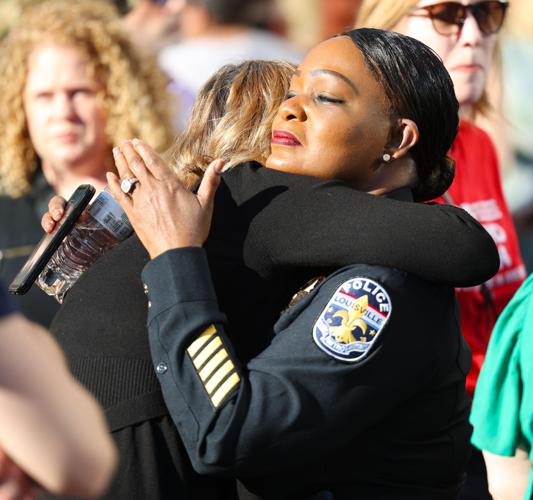
LMPD Chief Jackie Gwinn-Villaroel shares a hug.
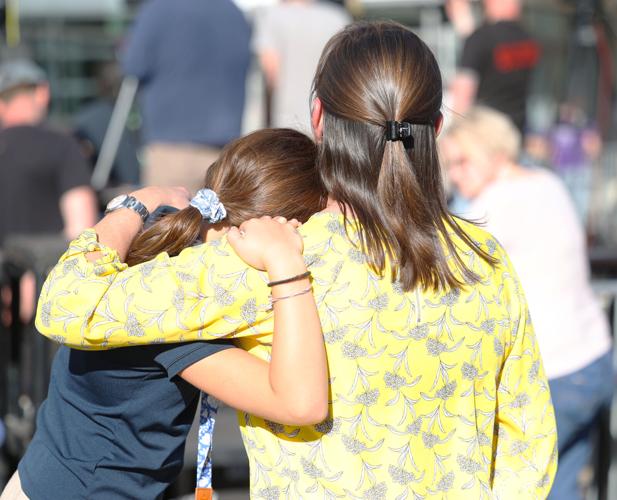
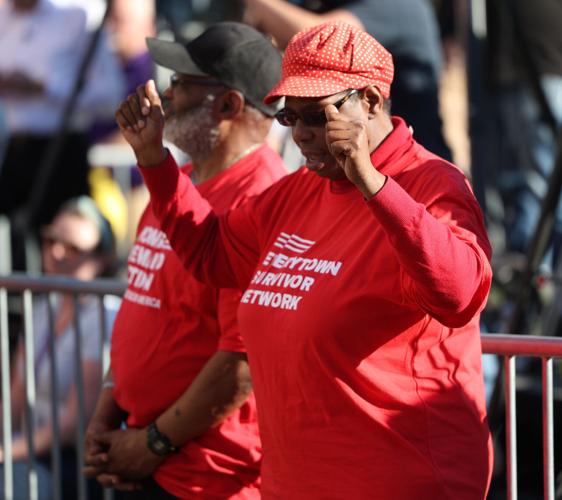
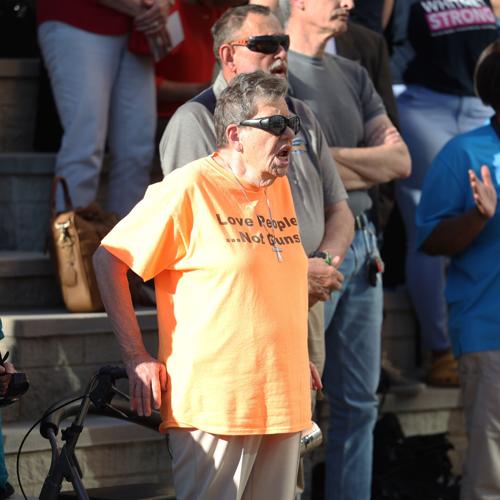
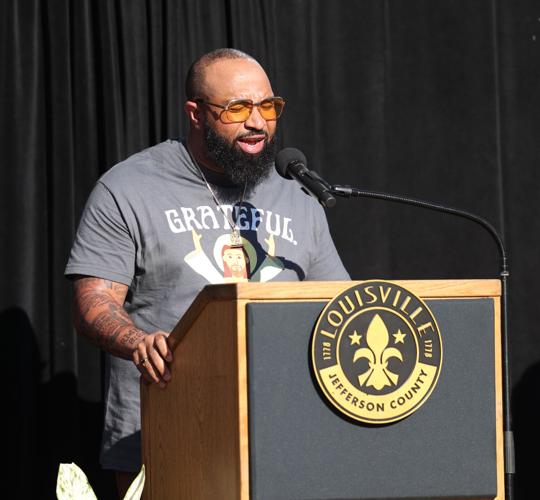
A community prayer vigil was held at the Muhammad Ali Center on April 12, 2023 to honor the victims and survivors of the mass shooting at Old National Bank.
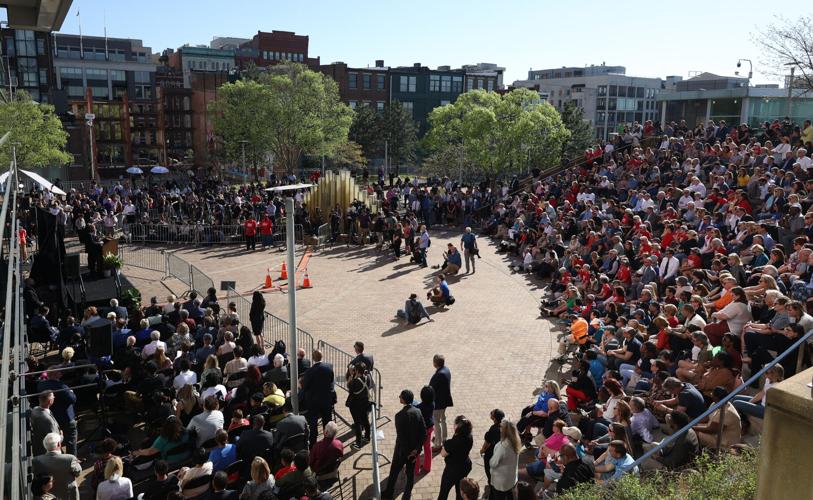
A community prayer vigil was held at the Muhammad Ali Center on April 12, 2023 to honor the victims and survivors of the mass shooting at Old National Bank.
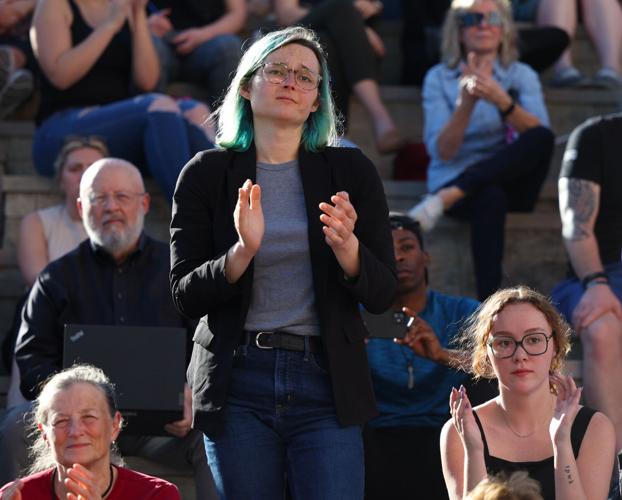
A community prayer vigil was held at the Muhammad Ali Center on April 12, 2023 to honor the victims and survivors of the mass shooting at Old National Bank.
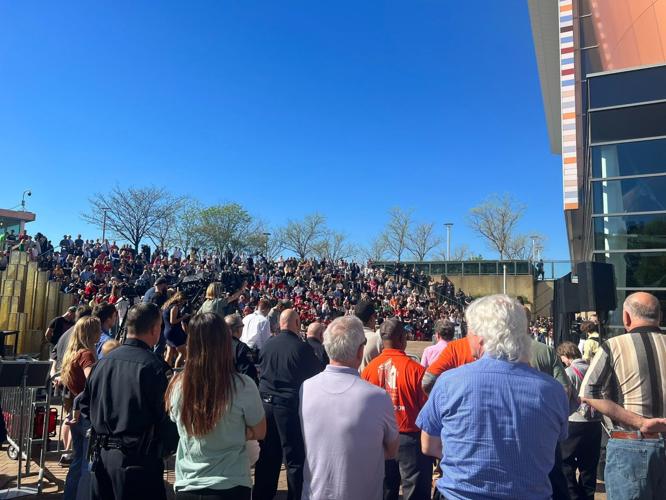
A community prayer vigil was held at the Muhammad Ali Center on April 12, 2023 to honor the victims and survivors of the mass shooting at Old National Bank.
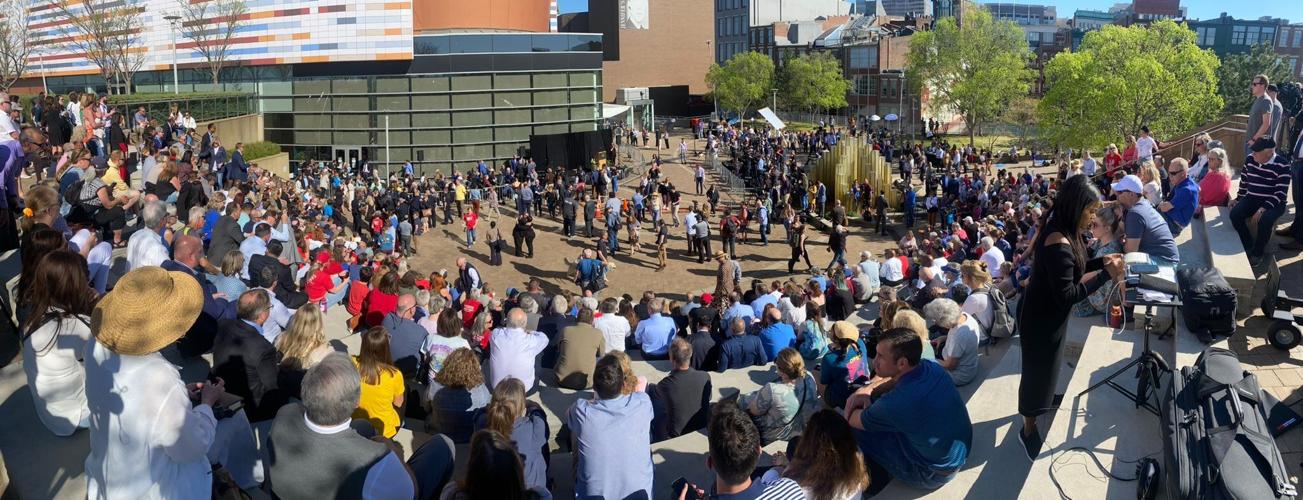
A community prayer vigil was held at the Muhammad Ali Center on April 12, 2023 to honor the victims and survivors of the mass shooting at Old National Bank.
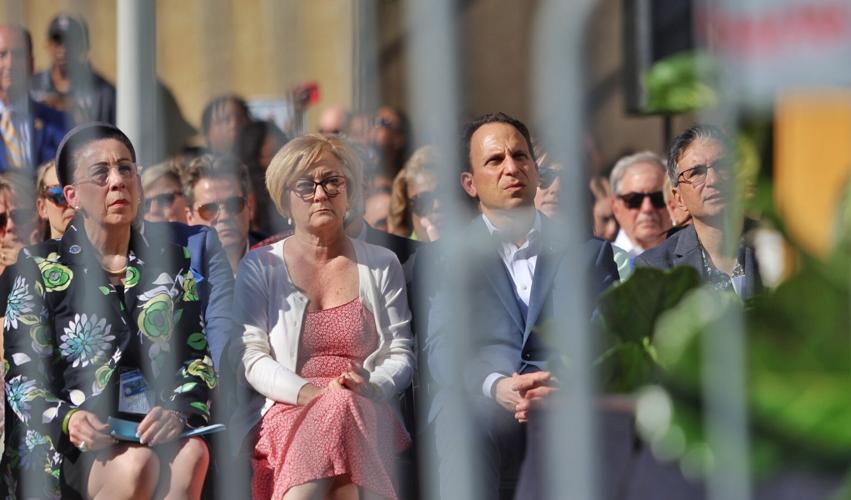
A community prayer vigil was held at the Muhammad Ali Center on April 12, 2023 to honor the victims and survivors of the mass shooting at Old National Bank.
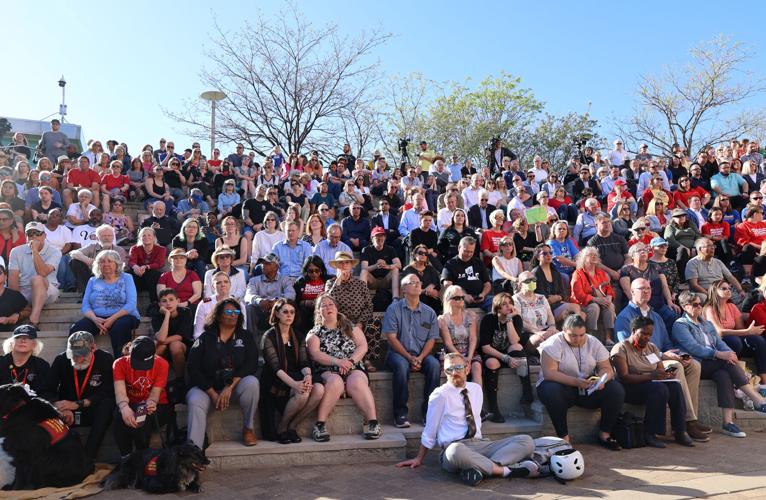
A community prayer vigil was held at the Muhammad Ali Center on April 12, 2023 to honor the victims and survivors of the mass shooting at Old National Bank.
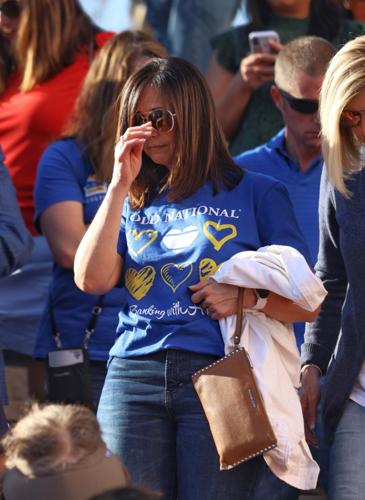
A community prayer vigil was held at the Muhammad Ali Center on April 12, 2023 to honor the victims and survivors of the mass shooting at Old National Bank.
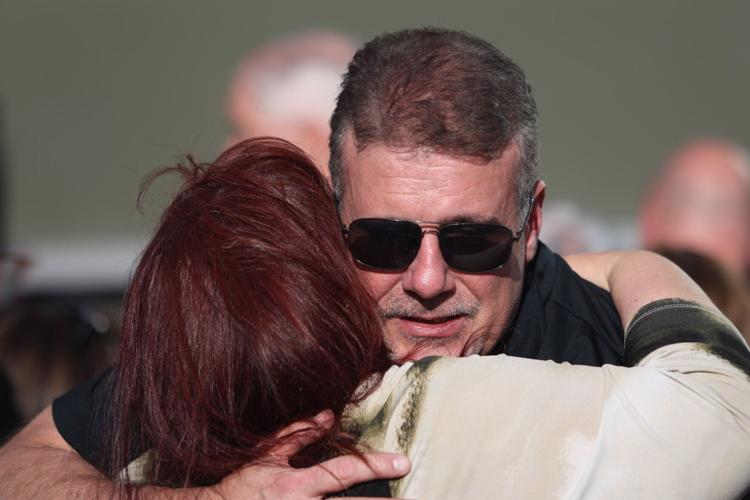
A community prayer vigil was held at the Muhammad Ali Center on April 12, 2023 to honor the victims and survivors of the mass shooting at Old National Bank.
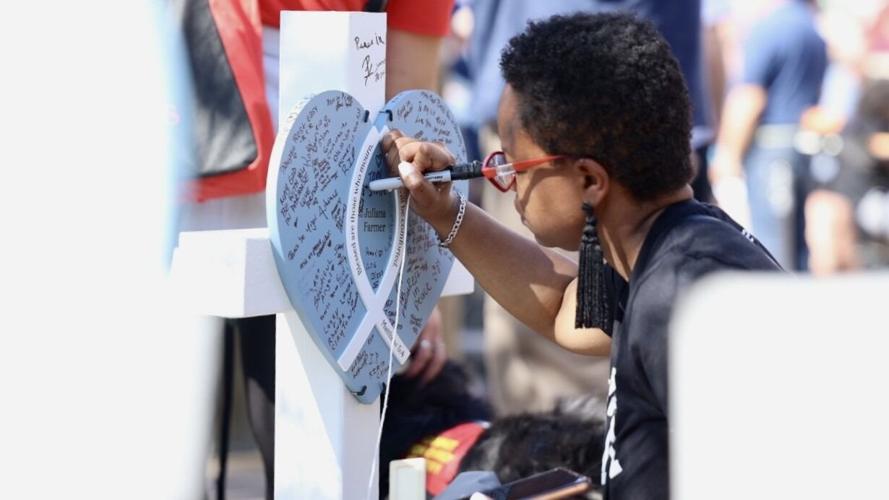
A community prayer vigil was held at the Muhammad Ali Center on April 12, 2023 to honor the victims and survivors of the mass shooting at Old National Bank.
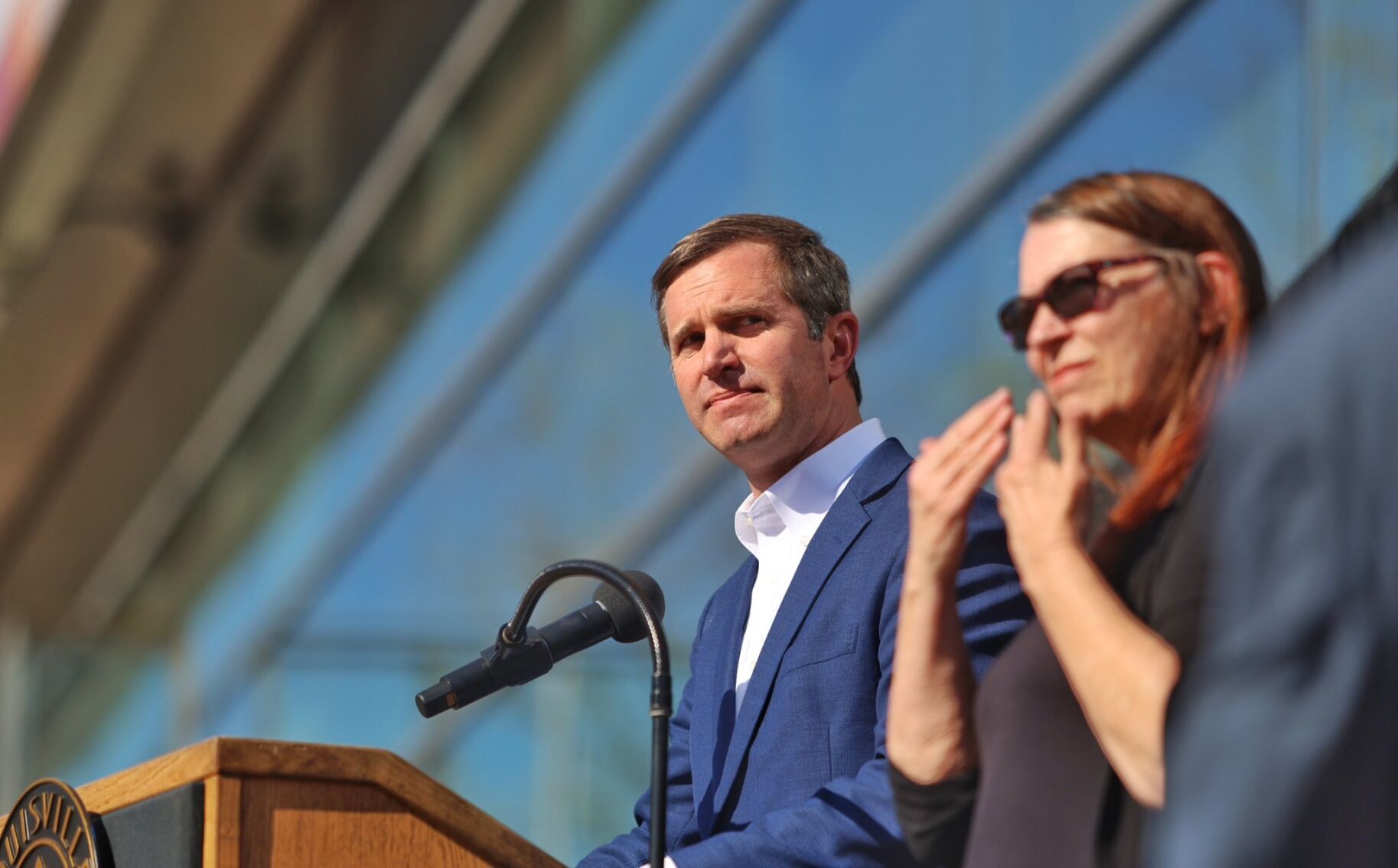
A community prayer vigil was held at the Muhammad Ali Center on April 12, 2023 to honor the victims and survivors of the mass shooting at Old National Bank.
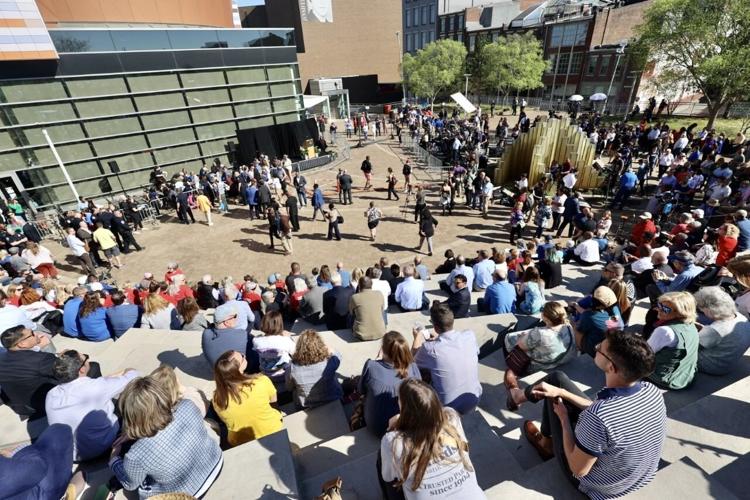
A community prayer vigil was held at the Muhammad Ali Center on April 12, 2023 to honor the victims and survivors of the mass shooting at Old National Bank.
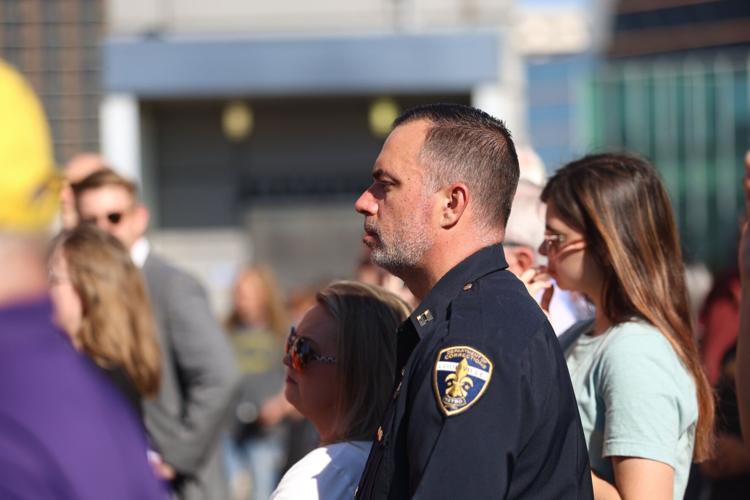
A community prayer vigil was held at the Muhammad Ali Center on April 12, 2023 to honor the victims and survivors of the mass shooting at Old National Bank.
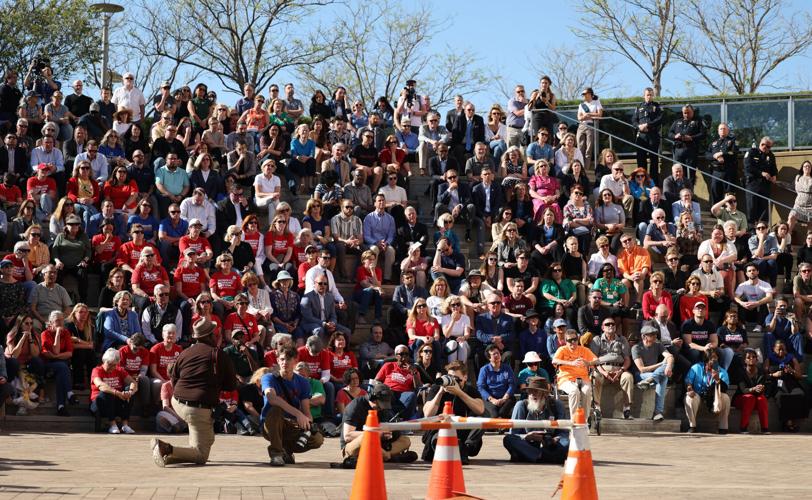
A community prayer vigil was held at the Muhammad Ali Center on April 12, 2023 to honor the victims and survivors of the mass shooting at Old National Bank.
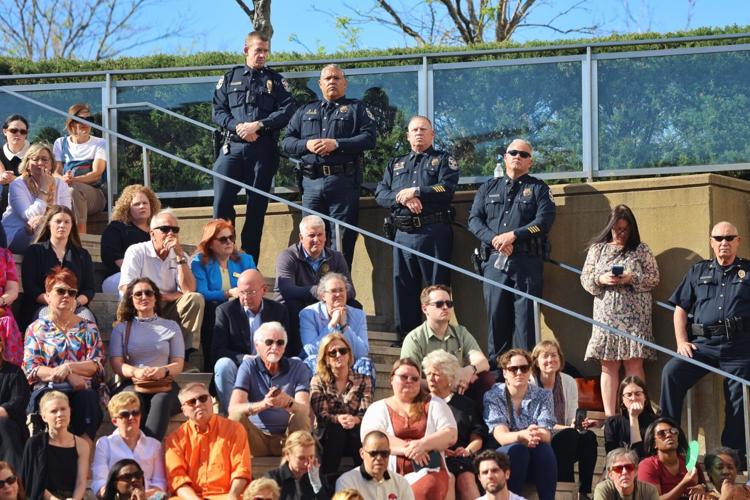
A community prayer vigil was held at the Muhammad Ali Center on April 12, 2023 to honor the victims and survivors of the mass shooting at Old National Bank.
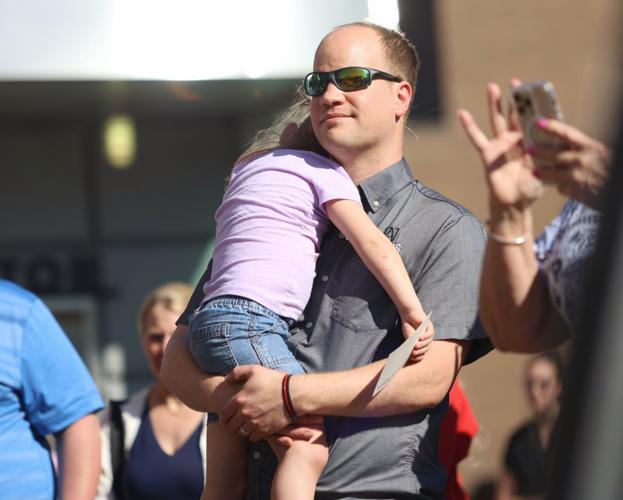
A community prayer vigil was held at the Muhammad Ali Center on April 12, 2023 to honor the victims and survivors of the mass shooting at Old National Bank.
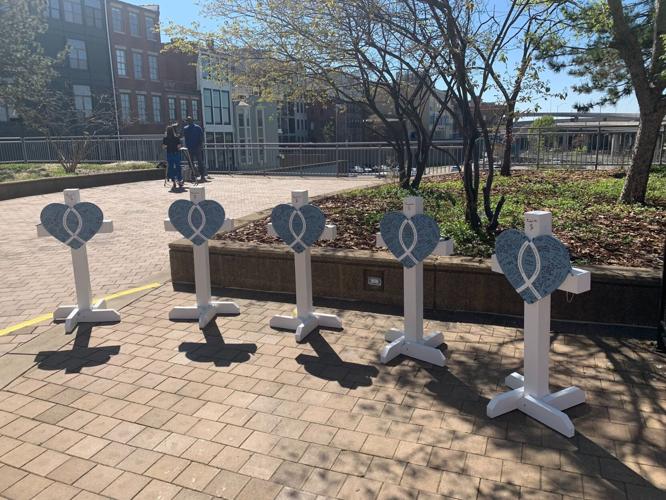
A community prayer vigil was held at the Muhammad Ali Center on April 12, 2023 to honor the victims and survivors of the mass shooting at Old National Bank.
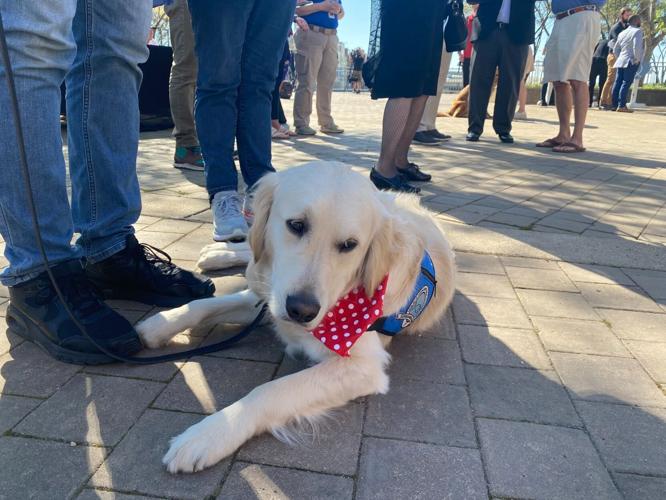
A community prayer vigil was held at the Muhammad Ali Center on April 12, 2023 to honor the victims and survivors of the mass shooting at Old National Bank.
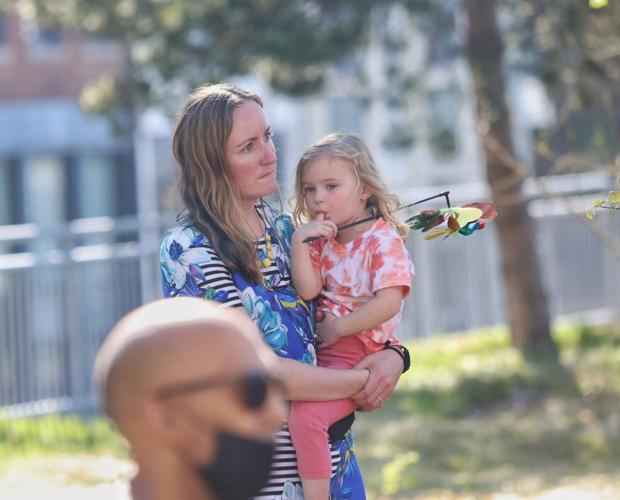
A community prayer vigil was held at the Muhammad Ali Center on April 12, 2023 to honor the victims and survivors of the mass shooting at Old National Bank.
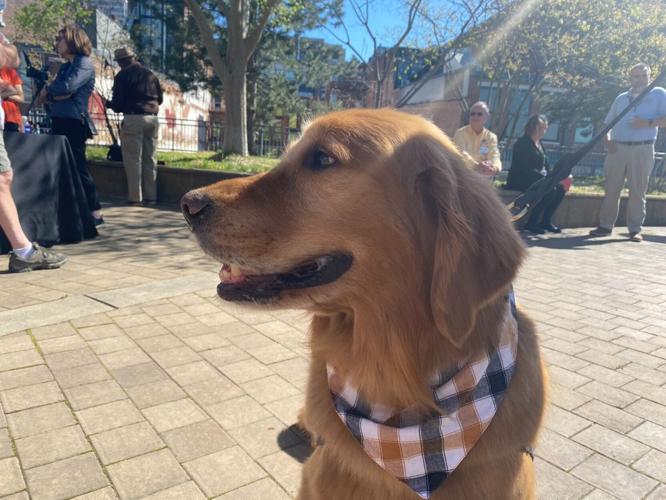
A community prayer vigil was held at the Muhammad Ali Center on April 12, 2023 to honor the victims and survivors of the mass shooting at Old National Bank.
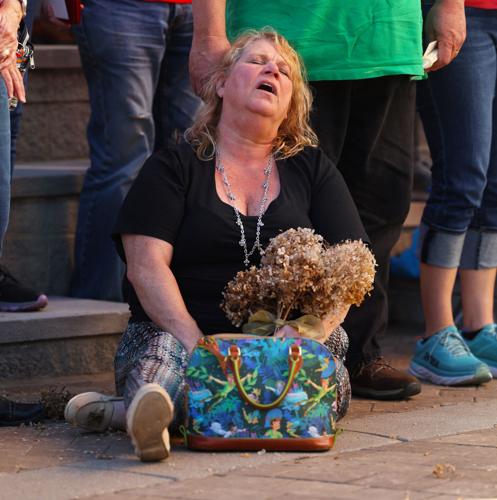
A community prayer vigil was held at the Muhammad Ali Center on April 12, 2023 to honor the victims and survivors of the mass shooting at Old National Bank.
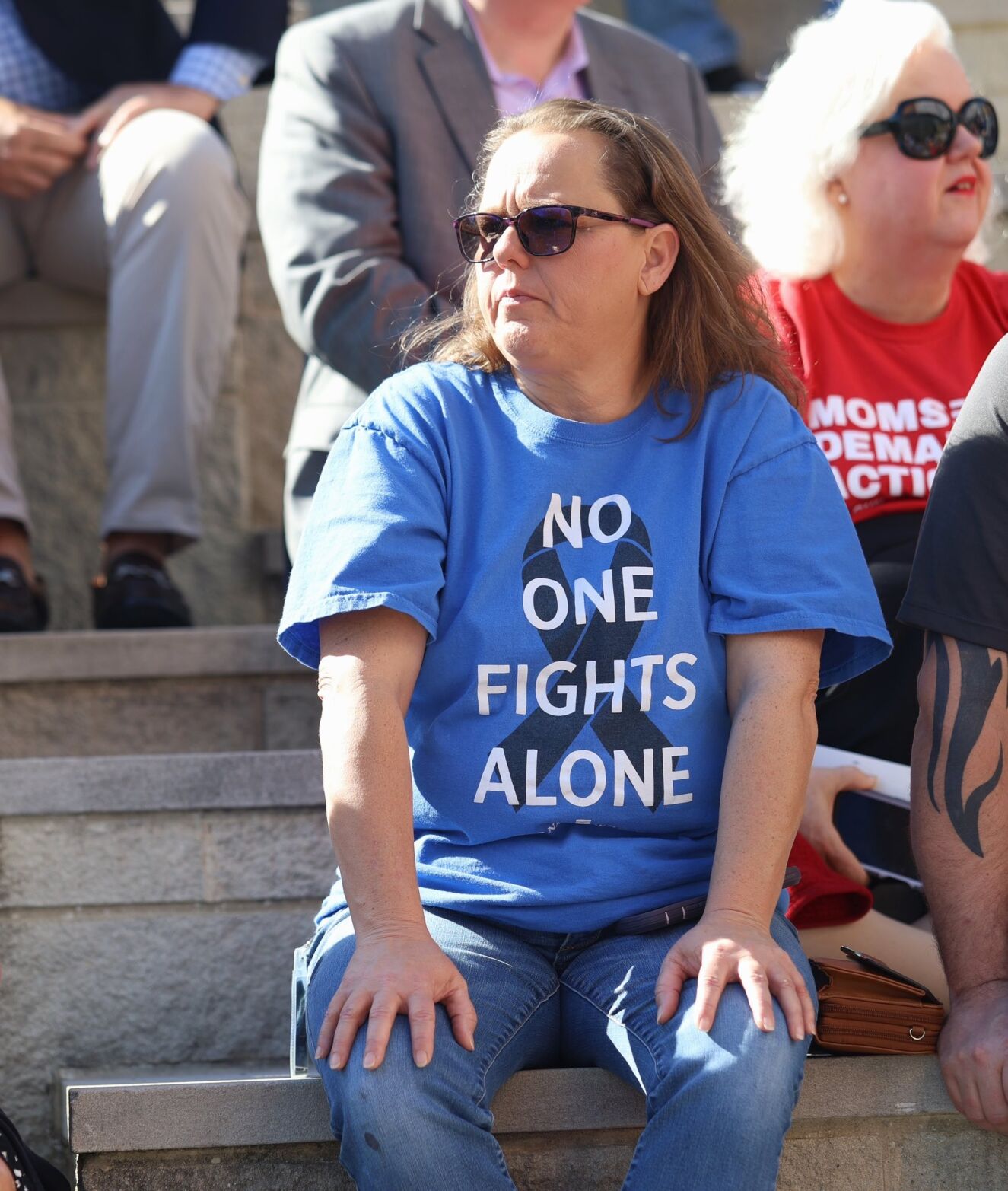
A community prayer vigil was held at the Muhammad Ali Center on April 12, 2023 to honor the victims and survivors of the mass shooting at Old National Bank.
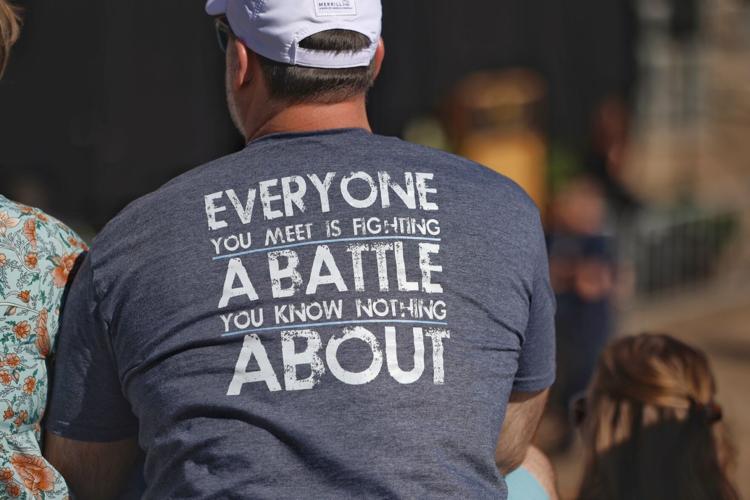
A community prayer vigil was held at the Muhammad Ali Center on April 12, 2023 to honor the victims and survivors of the mass shooting at Old National Bank.
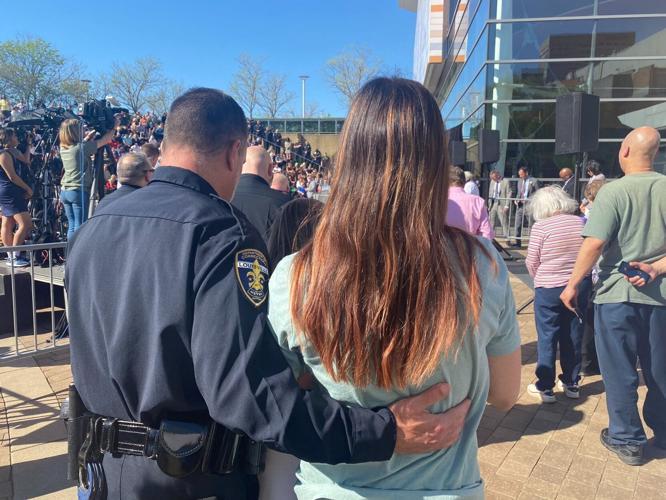
A community prayer vigil was held at the Muhammad Ali Center on April 12, 2023 to honor the victims and survivors of the mass shooting at Old National Bank.
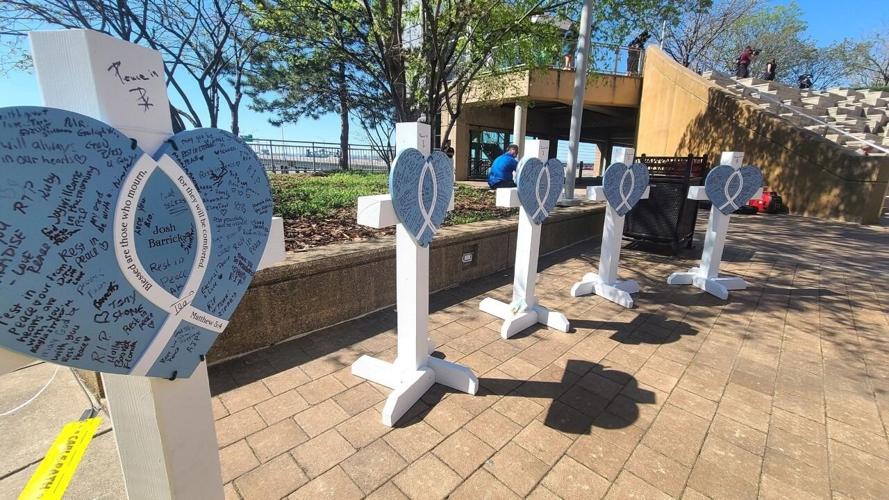
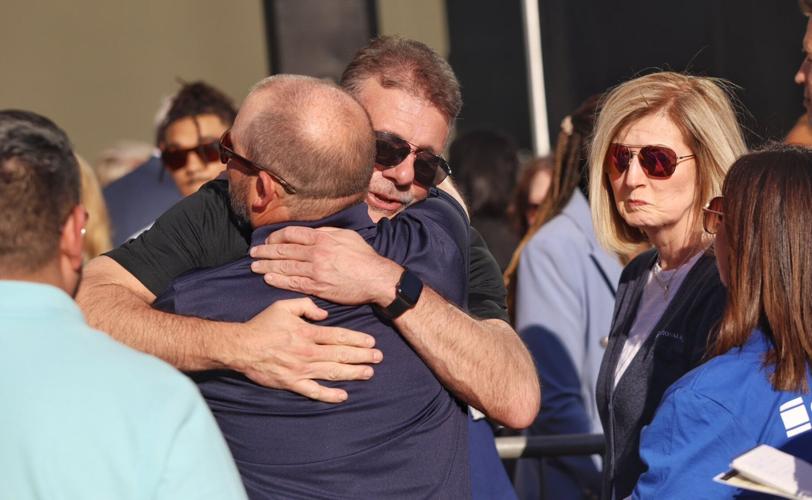
A community prayer vigil was held at the Muhammad Ali Center on April 12, 2023 to honor the victims and survivors of the mass shooting at Old National Bank.
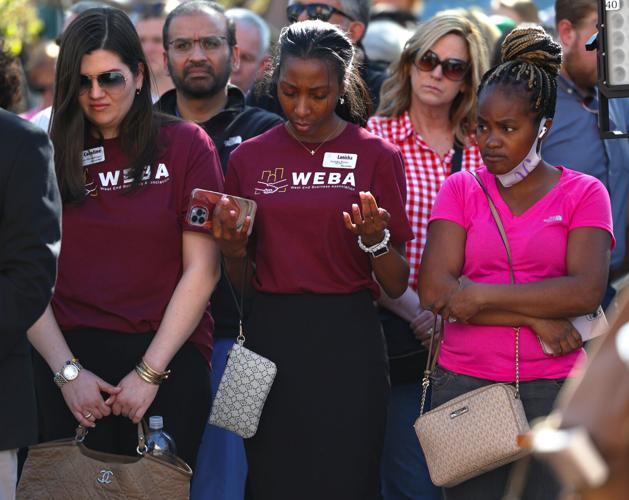
A community prayer vigil was held at the Muhammad Ali Center on April 12, 2023 to honor the victims and survivors of the mass shooting at Old National Bank.
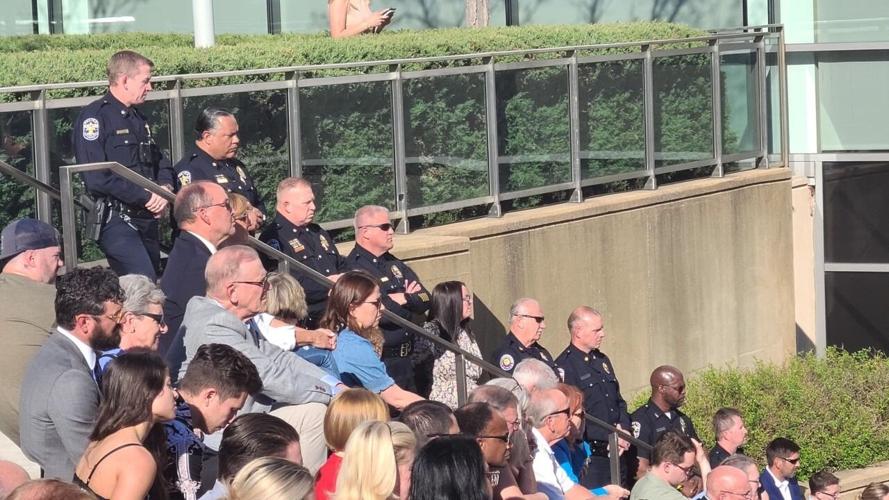
A community prayer vigil was held at the Muhammad Ali Center on April 12, 2023 to honor the victims and survivors of the mass shooting at Old National Bank.
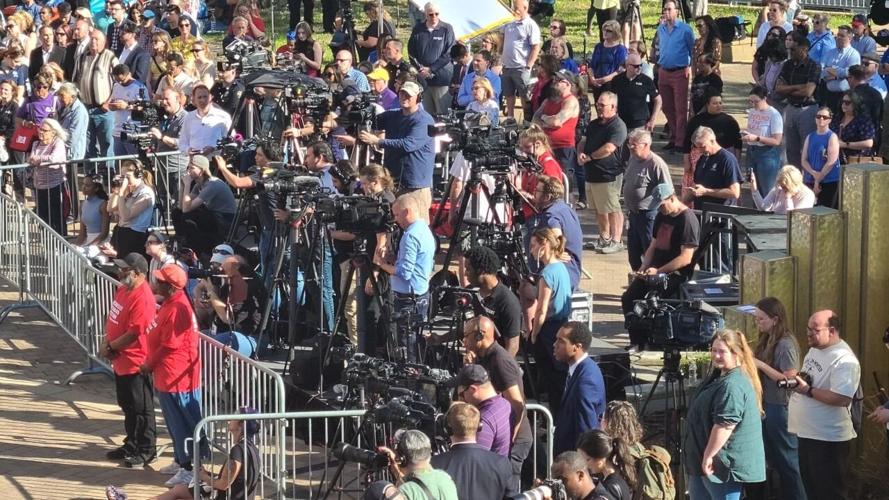
A community prayer vigil was held at the Muhammad Ali Center on April 12, 2023 to honor the victims and survivors of the mass shooting at Old National Bank.
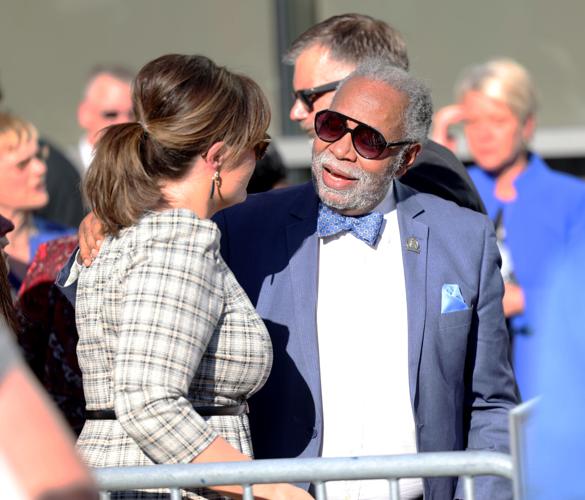
Sen. Gerald Neal speaks with Lt. Gov. Jacqueline Coleman on April 12, 2023.
A community prayer vigil was held at the Muhammad Ali Center on April 12, 2023 to honor the victims and survivors of the mass shooting at Old National Bank.
A community prayer vigil was held at the Muhammad Ali Center on April 12, 2023 to honor the victims and survivors of the mass shooting at Old National Bank.
Jason Clayborn sings Amazing Grace.
A community prayer vigil was held at the Muhammad Ali Center on April 12, 2023 to honor the victims and survivors of the mass shooting at Old National Bank.
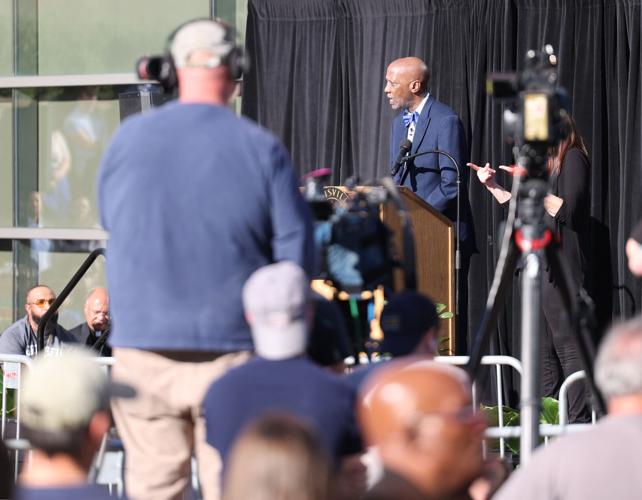
Dr. Muhammad Babar speaks at the vigil on April 12, 2023.
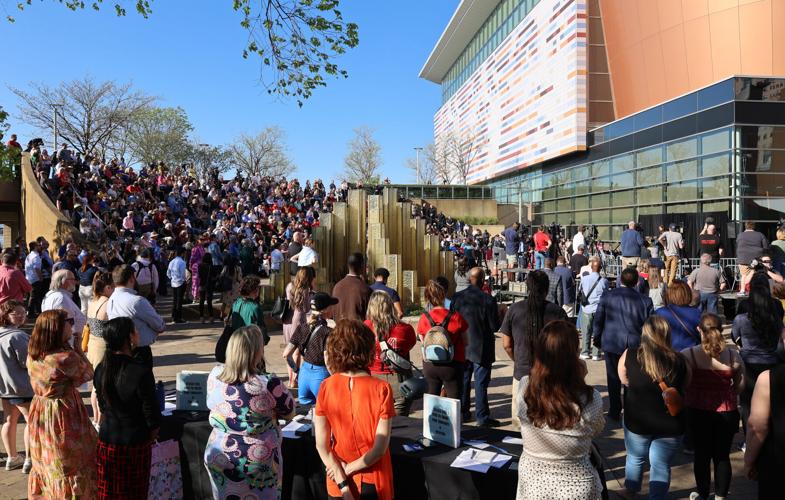
A community prayer vigil was held at the Muhammad Ali Center on April 12, 2023 to honor the victims and survivors of the mass shooting at Old National Bank.
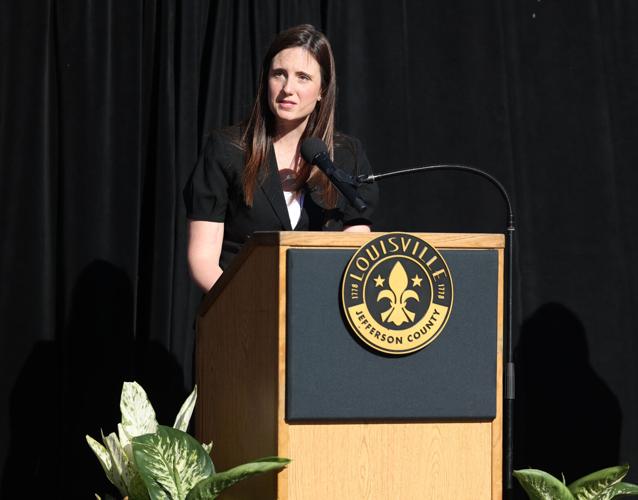
Whitney Austin speaks during the vigil on April 12, 2023.
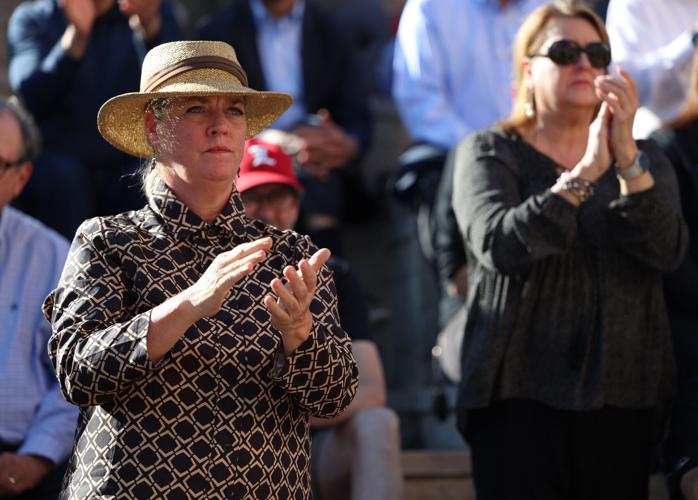
A community prayer vigil was held at the Muhammad Ali Center on April 12, 2023 to honor the victims and survivors of the mass shooting at Old National Bank.
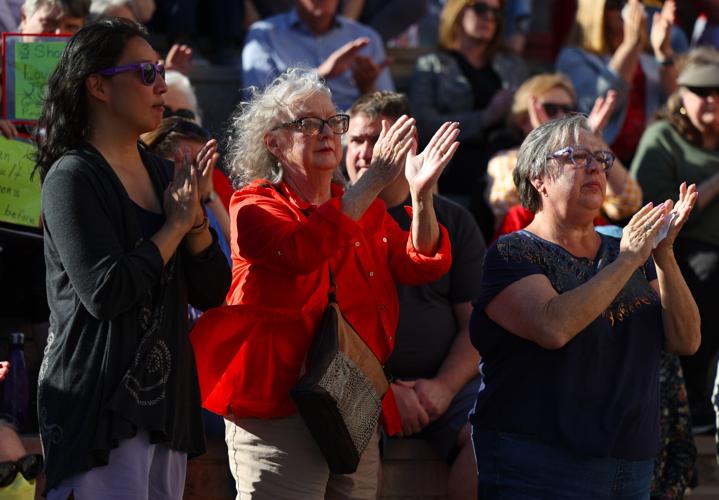
A community prayer vigil was held at the Muhammad Ali Center on April 12, 2023 to honor the victims and survivors of the mass shooting at Old National Bank.
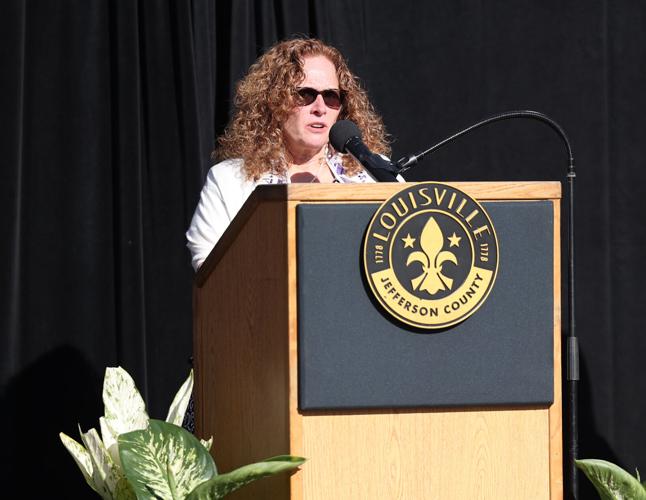
A community prayer vigil was held at the Muhammad Ali Center on April 12, 2023 to honor the victims and survivors of the mass shooting at Old National Bank.
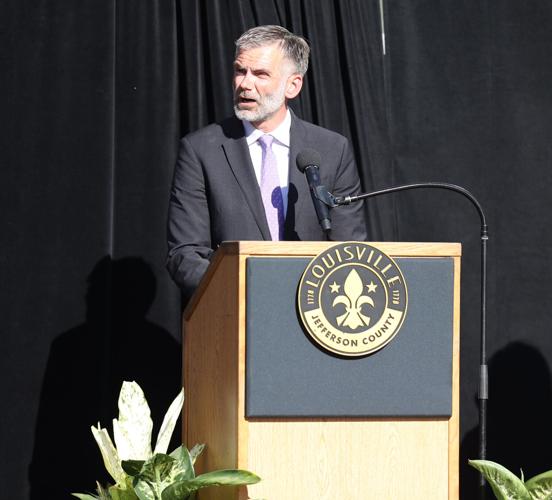
Markus Winkler speaks during vigil on April 12, 2023.
A community prayer vigil was held at the Muhammad Ali Center on April 12, 2023 to honor the victims and survivors of the mass shooting at Old National Bank.
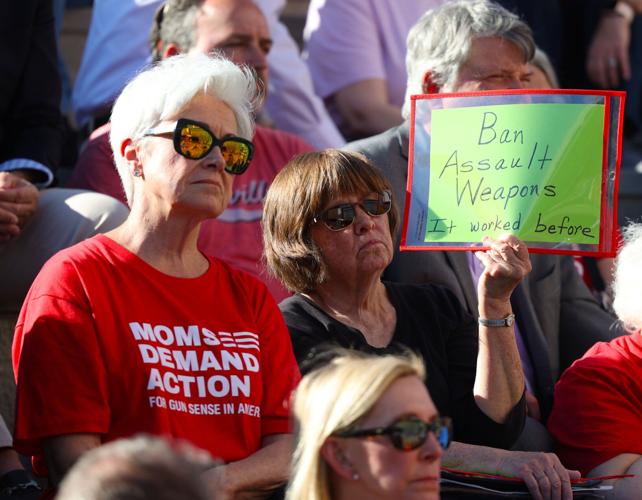
A community prayer vigil was held at the Muhammad Ali Center on April 12, 2023 to honor the victims and survivors of the mass shooting at Old National Bank.
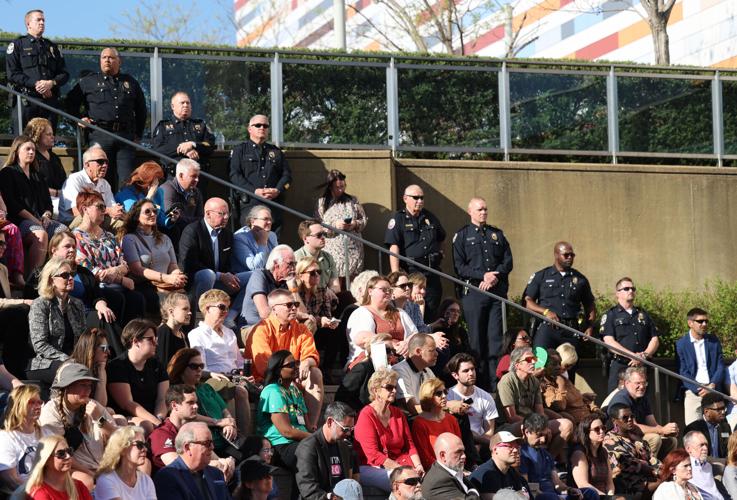
A community prayer vigil was held at the Muhammad Ali Center on April 12, 2023 to honor the victims and survivors of the mass shooting at Old National Bank.
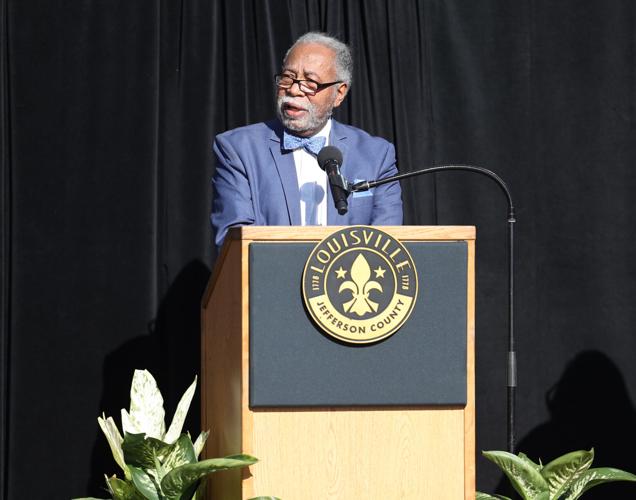
Sen. Gerald Neal speaks during the vigil on April 12, 2023.
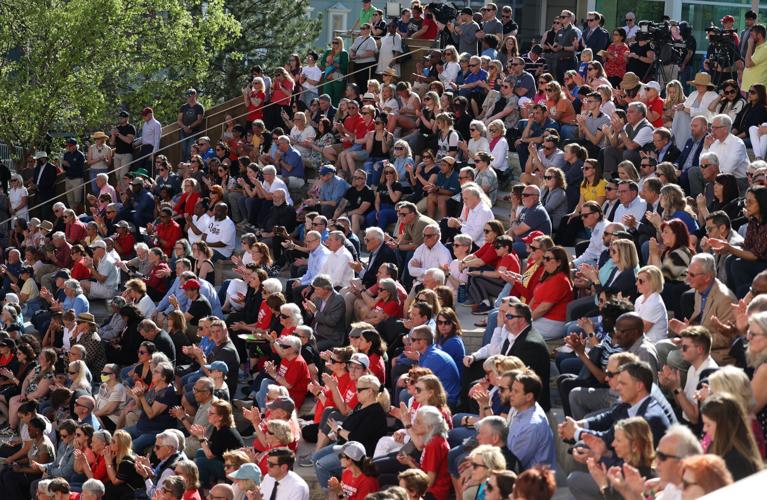
A community prayer vigil was held at the Muhammad Ali Center on April 12, 2023 to honor the victims and survivors of the mass shooting at Old National Bank.
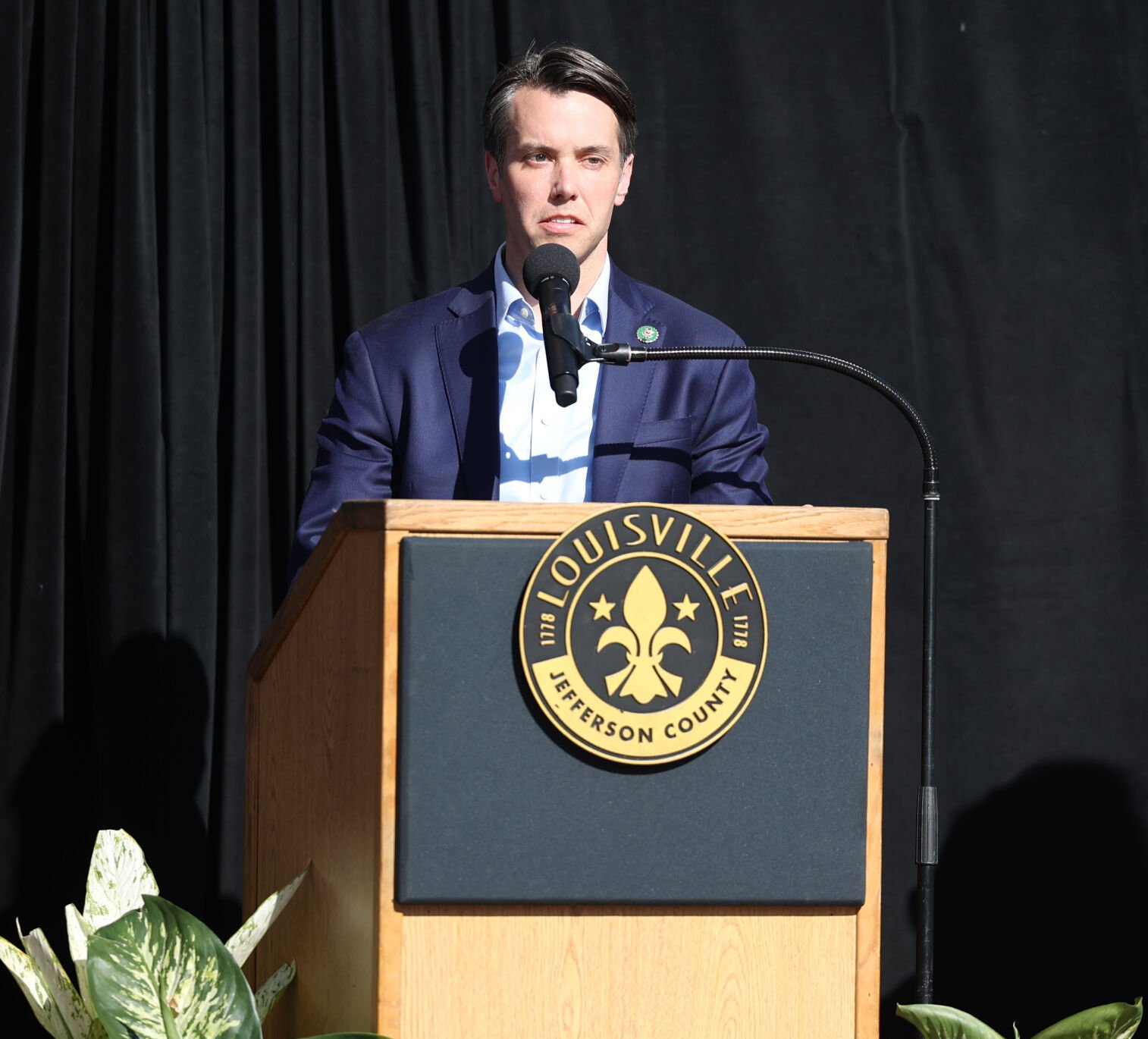
Rep. Morgan McGarvey speaks during vigil on April 12, 2023.
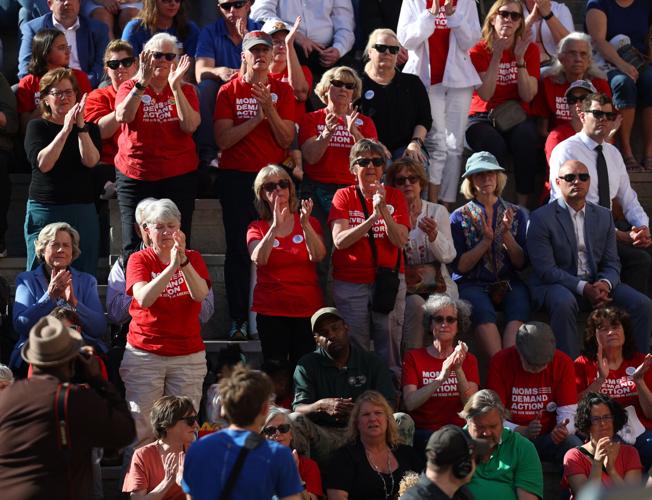
A community prayer vigil was held at the Muhammad Ali Center on April 12, 2023 to honor the victims and survivors of the mass shooting at Old National Bank.
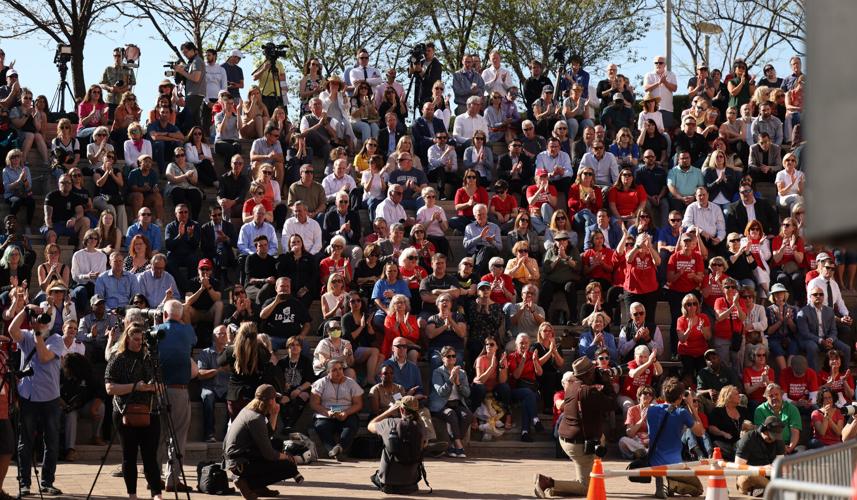
A community prayer vigil was held at the Muhammad Ali Center on April 12, 2023 to honor the victims and survivors of the mass shooting at Old National Bank.
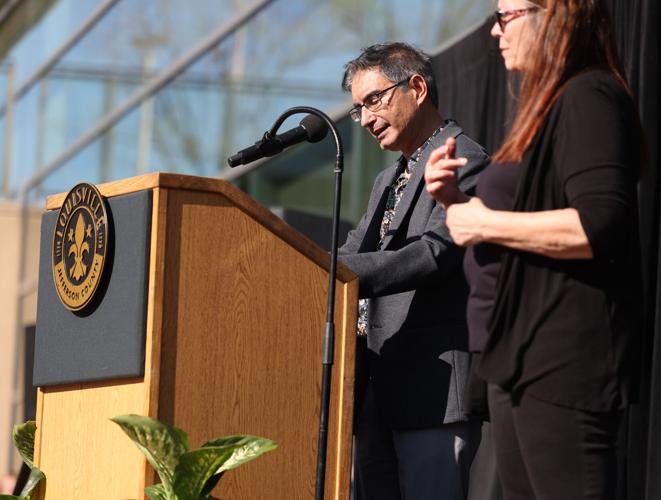
A community prayer vigil was held at the Muhammad Ali Center on April 12, 2023 to honor the victims and survivors of the mass shooting at Old National Bank.
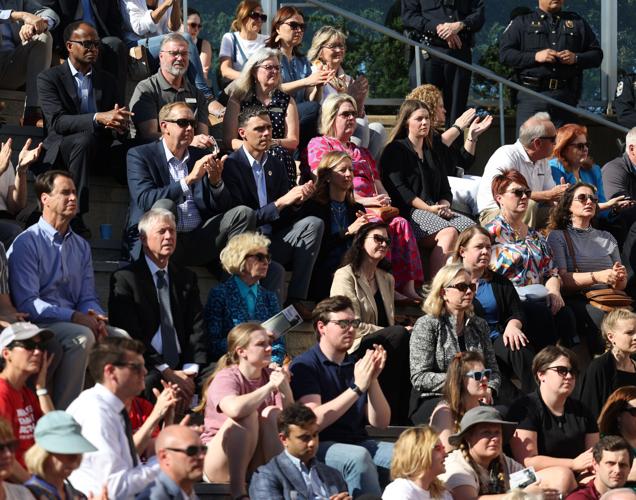
A community prayer vigil was held at the Muhammad Ali Center on April 12, 2023 to honor the victims and survivors of the mass shooting at Old National Bank.
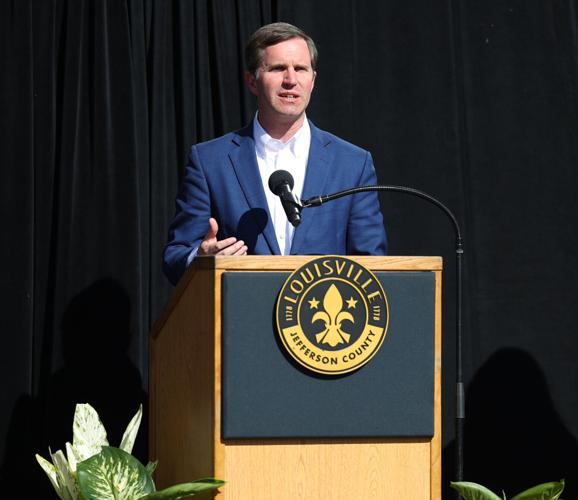
Gov. Andy Beshear speaks during vigil on April 12, 2023.
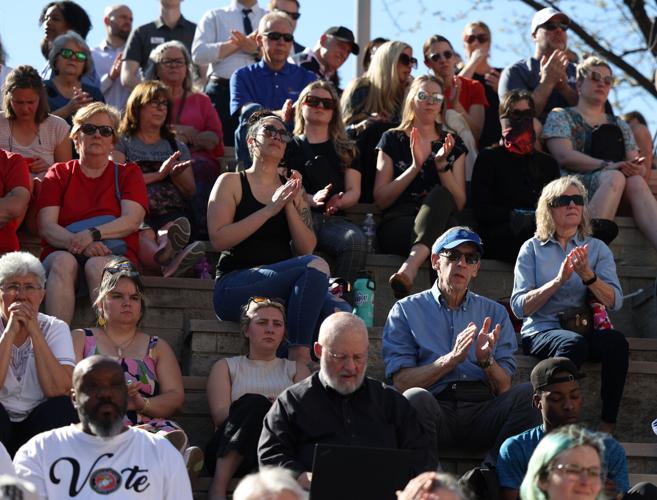
A community prayer vigil was held at the Muhammad Ali Center on April 12, 2023 to honor the victims and survivors of the mass shooting at Old National Bank.
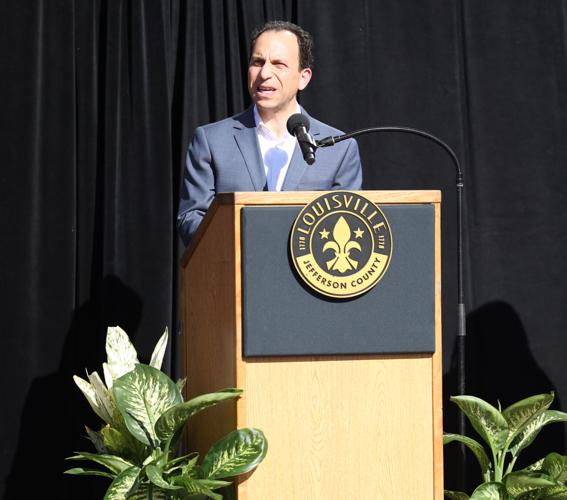
A community prayer vigil was held at the Muhammad Ali Center on April 12, 2023 to honor the victims and survivors of the mass shooting at Old National Bank.
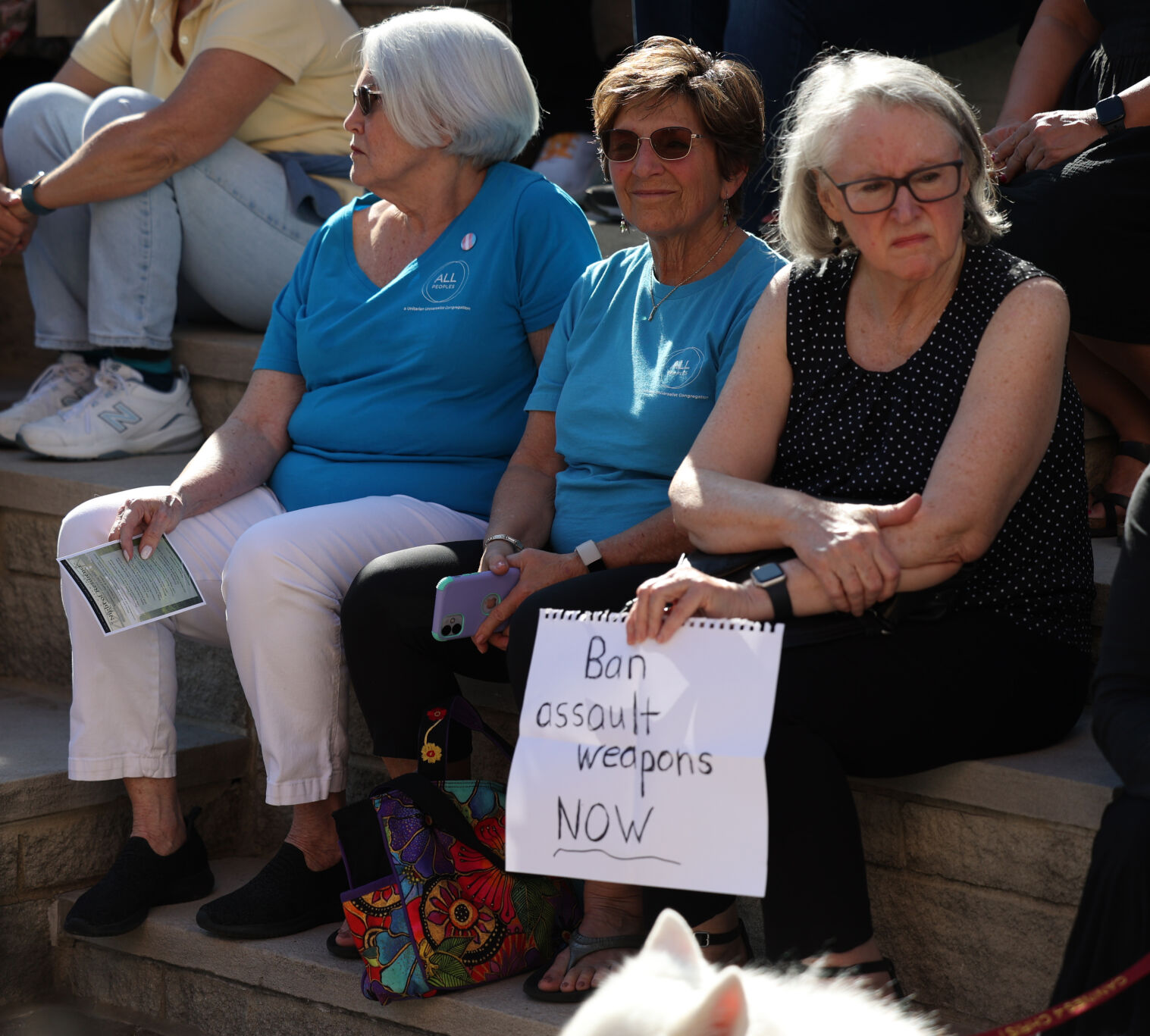
A community prayer vigil was held at the Muhammad Ali Center on April 12, 2023 to honor the victims and survivors of the mass shooting at Old National Bank.
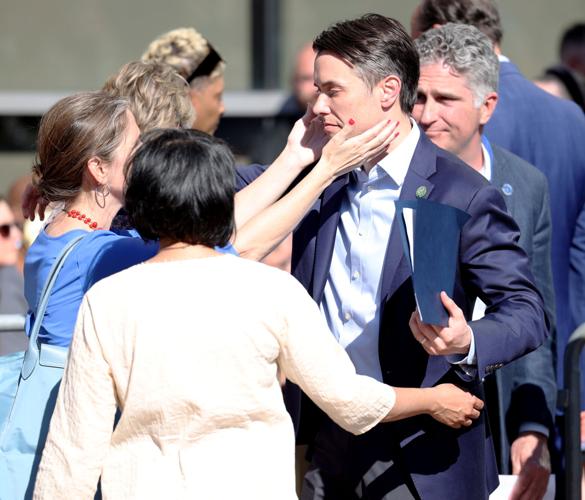
A community prayer vigil was held at the Muhammad Ali Center on April 12, 2023 to honor the victims and survivors of the mass shooting at Old National Bank.
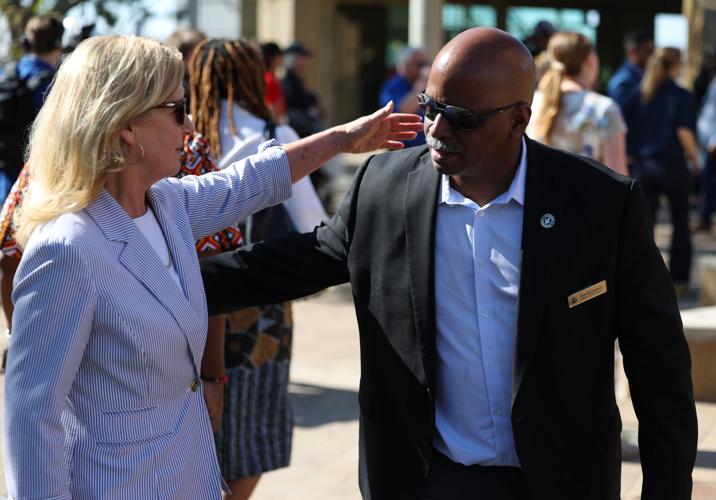
A community prayer vigil was held at the Muhammad Ali Center on April 12, 2023 to honor the victims and survivors of the mass shooting at Old National Bank.
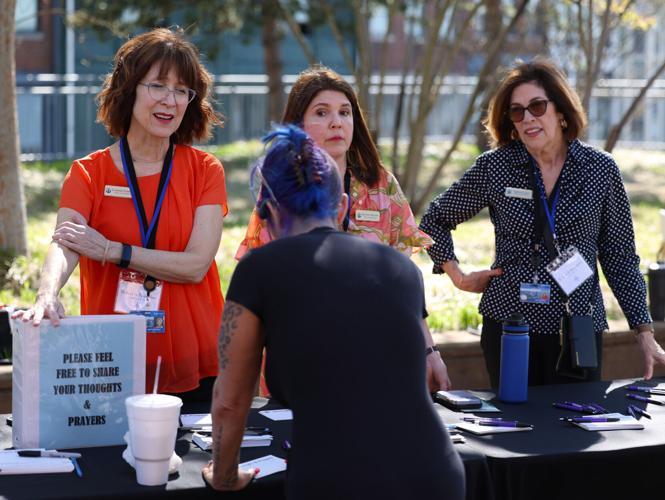
A community prayer vigil was held at the Muhammad Ali Center on April 12, 2023 to honor the victims and survivors of the mass shooting at Old National Bank.
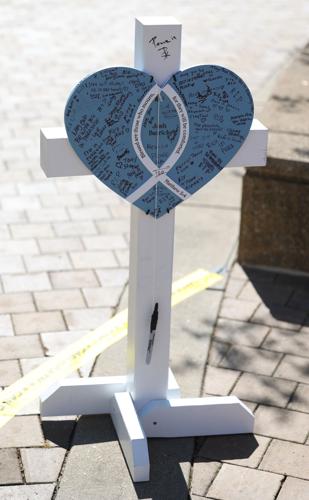
A community prayer vigil was held at the Muhammad Ali Center on April 12, 2023 to honor the victims and survivors of the mass shooting at Old National Bank.
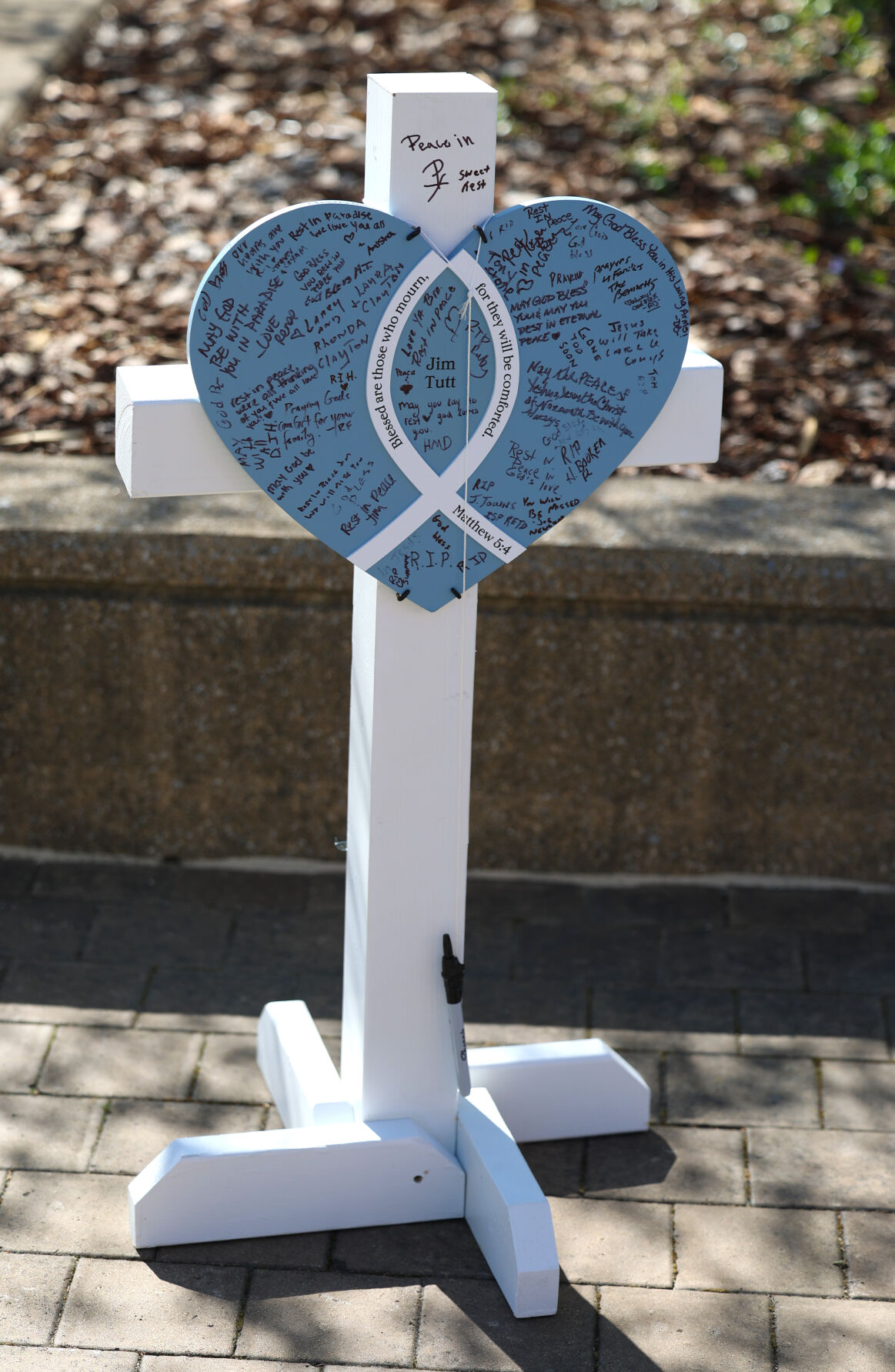
A community prayer vigil was held at the Muhammad Ali Center on April 12, 2023 to honor the victims and survivors of the mass shooting at Old National Bank.
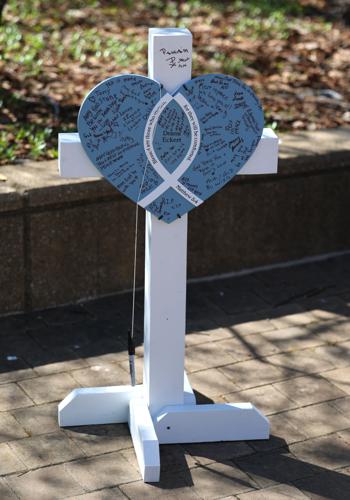
A community prayer vigil was held at the Muhammad Ali Center on April 12, 2023 to honor the victims and survivors of the mass shooting at Old National Bank.
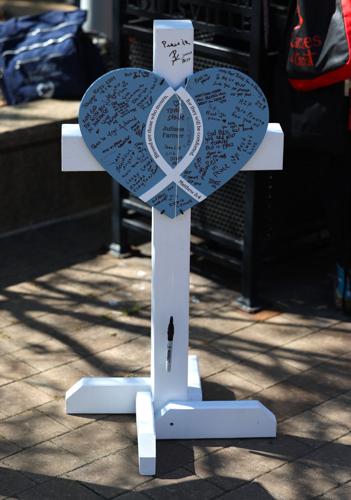
A community prayer vigil was held at the Muhammad Ali Center on April 12, 2023 to honor the victims and survivors of the mass shooting at Old National Bank.
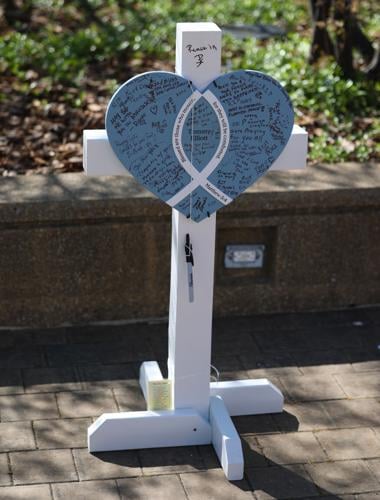
Tommy Elliott cross.
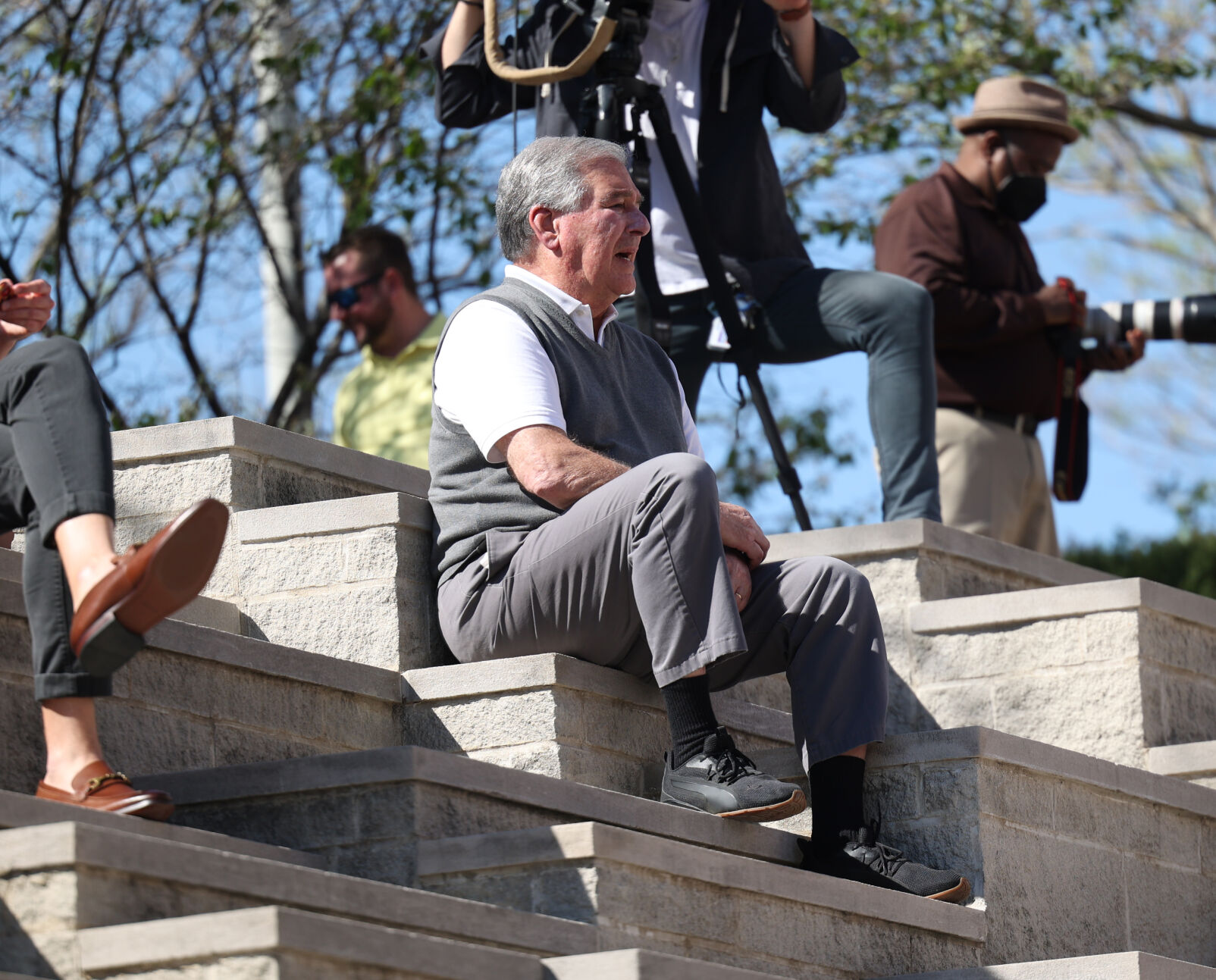
A community prayer vigil was held at the Muhammad Ali Center on April 12, 2023 to honor the victims and survivors of the mass shooting at Old National Bank.
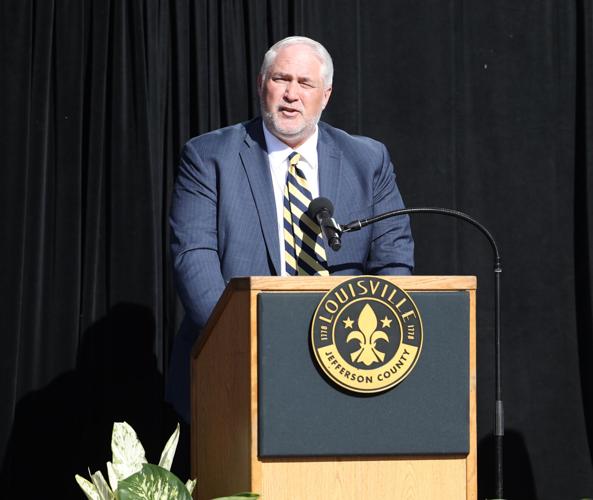
A community prayer vigil was held at the Muhammad Ali Center on April 12, 2023 to honor the victims and survivors of the mass shooting at Old National Bank.
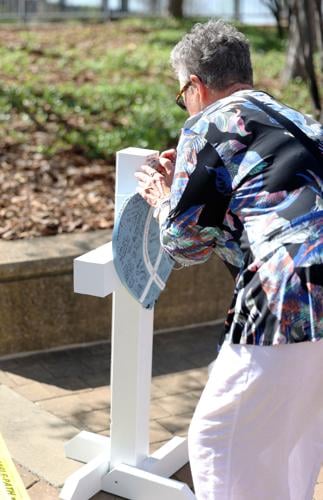
A community prayer vigil was held at the Muhammad Ali Center on April 12, 2023 to honor the victims and survivors of the mass shooting at Old National Bank.
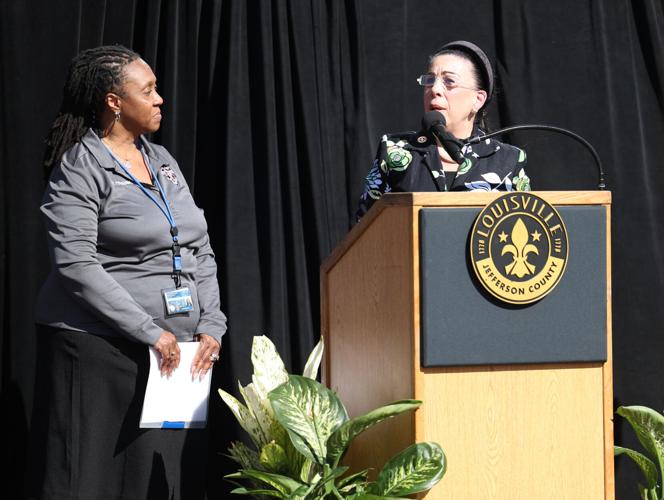
A community prayer vigil was held at the Muhammad Ali Center on April 12, 2023 to honor the victims and survivors of the mass shooting at Old National Bank.
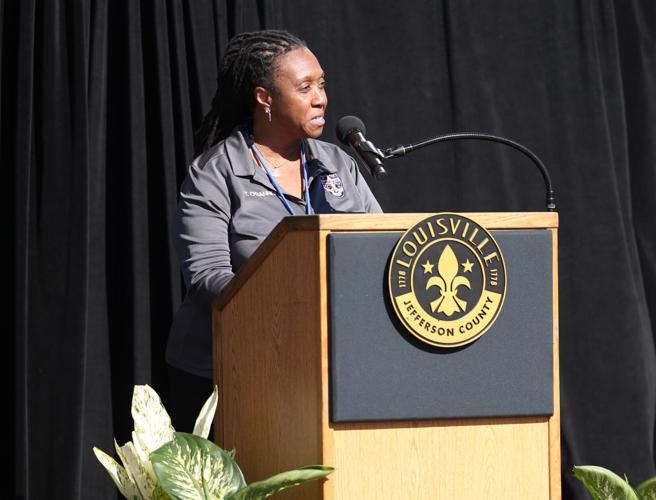
A community prayer vigil was held at the Muhammad Ali Center on April 12, 2023 to honor the victims and survivors of the mass shooting at Old National Bank.
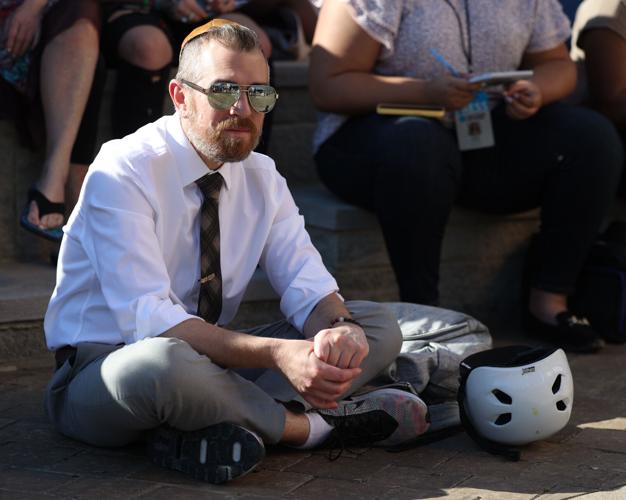
A community prayer vigil was held at the Muhammad Ali Center on April 12, 2023 to honor the victims and survivors of the mass shooting at Old National Bank.
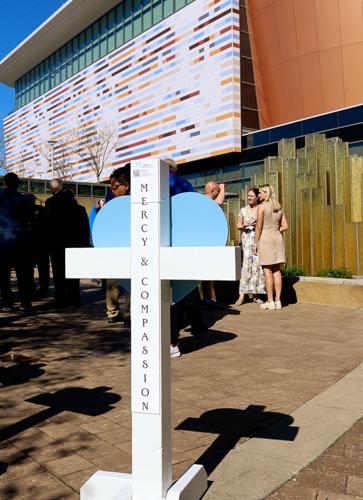
A community prayer vigil was held at the Muhammad Ali Center on April 12, 2023 to honor the victims and survivors of the mass shooting at Old National Bank.
- ERIC CRAWFORD
A community prayer vigil was held at the Muhammad Ali Center on April 12, 2023 to honor the victims and survivors of the mass shooting at Old National Bank.
- ERIC CRAWFORD
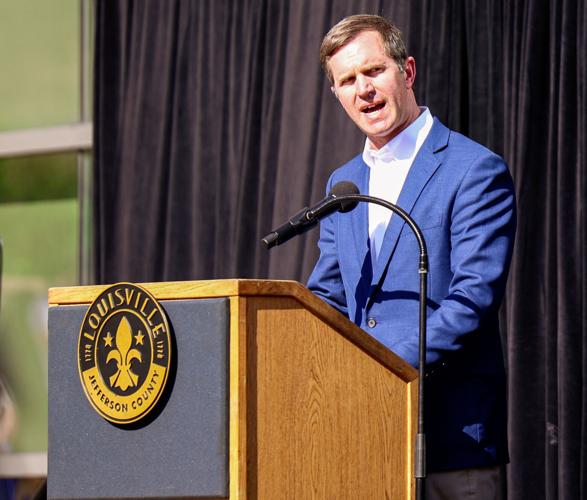
A community prayer vigil was held at the Muhammad Ali Center on April 12, 2023 to honor the victims and survivors of the mass shooting at Old National Bank.
- ERIC CRAWFORD
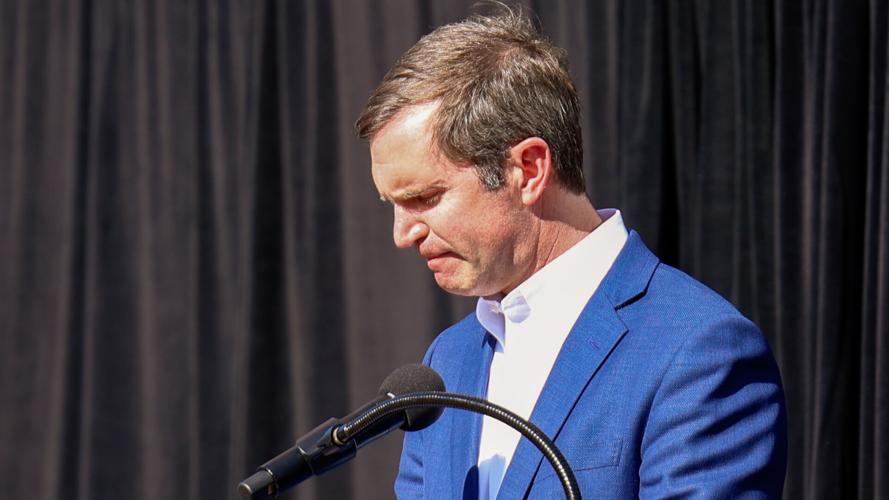
A community prayer vigil was held at the Muhammad Ali Center on April 12, 2023 to honor the victims and survivors of the mass shooting at Old National Bank.
- ERIC CRAWFORD
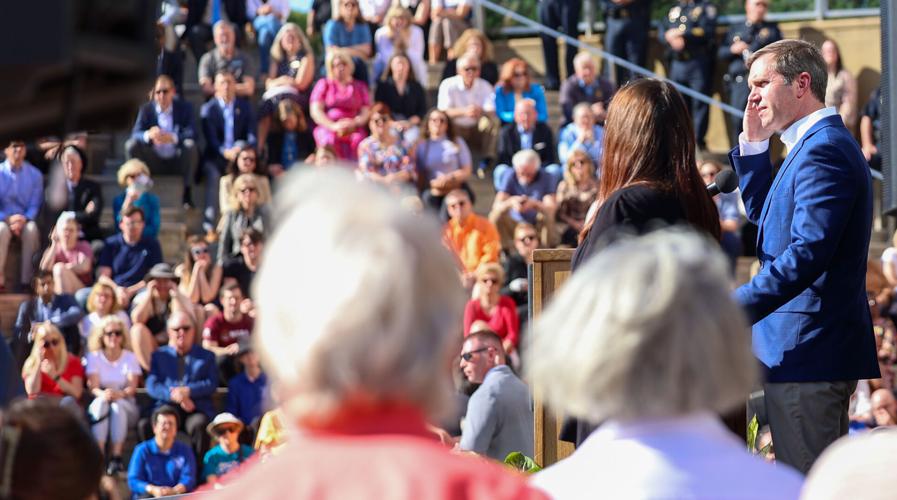
A community prayer vigil was held at the Muhammad Ali Center on April 12, 2023 to honor the victims and survivors of the mass shooting at Old National Bank.
- ERIC CRAWFORD
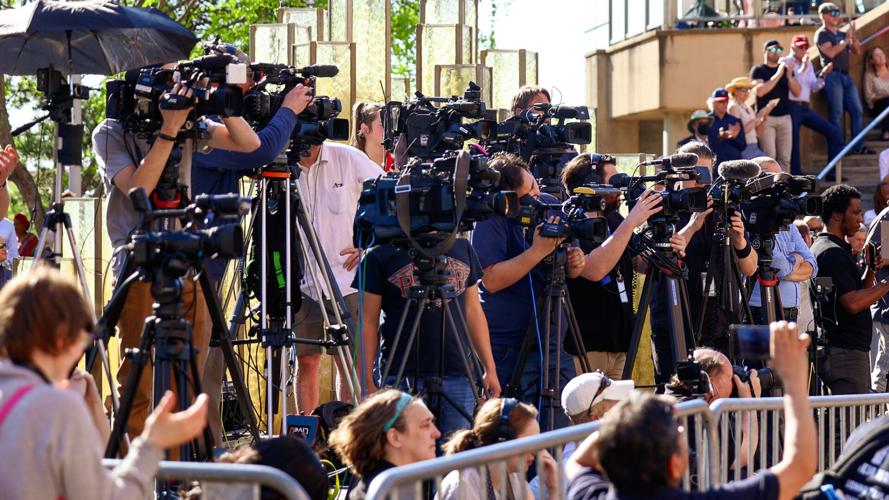
A community prayer vigil was held at the Muhammad Ali Center on April 12, 2023 to honor the victims and survivors of the mass shooting at Old National Bank.
- ERIC CRAWFORD
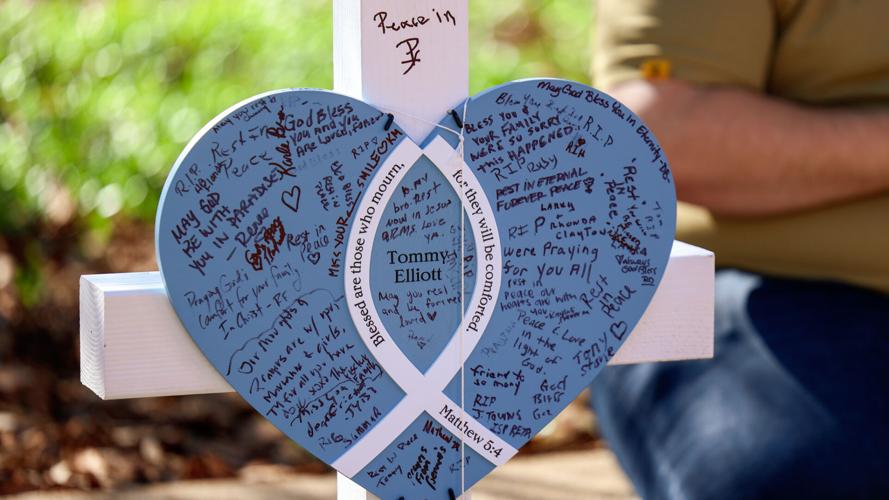
A community prayer vigil was held at the Muhammad Ali Center on April 12, 2023 to honor the victims and survivors of the mass shooting at Old National Bank.
- ERIC CRAWFORD
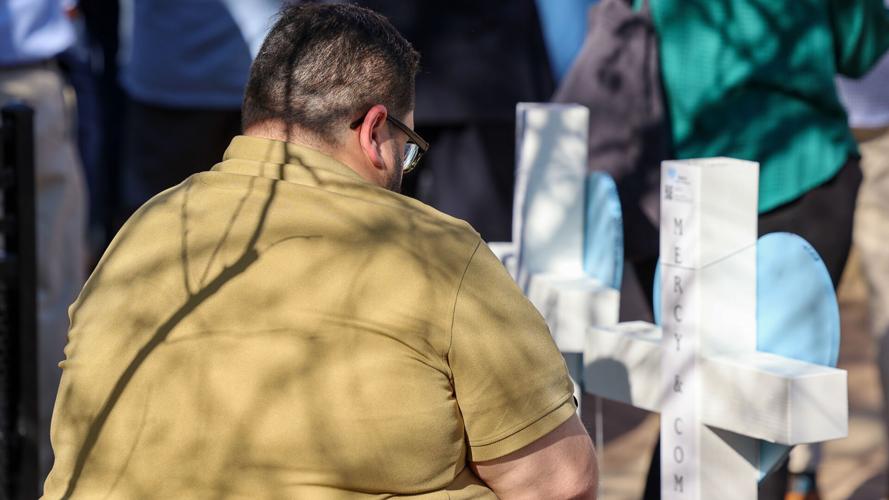
A community prayer vigil was held at the Muhammad Ali Center on April 12, 2023 to honor the victims and survivors of the mass shooting at Old National Bank.
- ERIC CRAWFORD
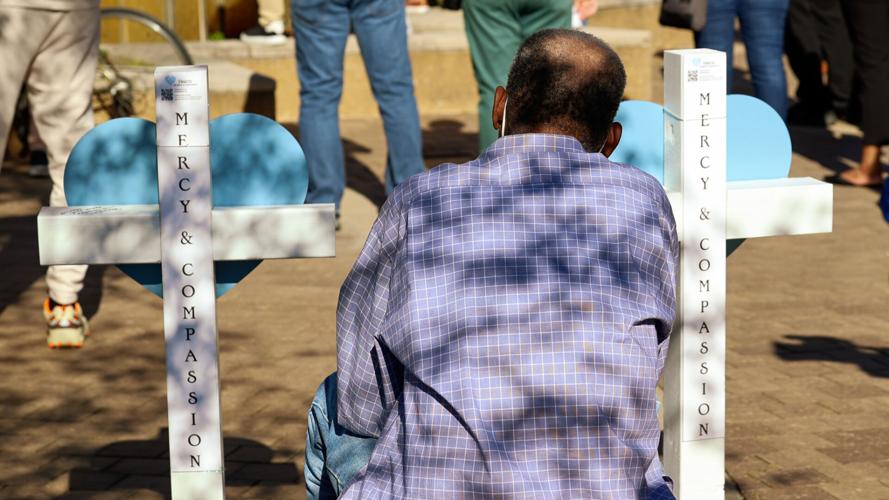
A community prayer vigil was held at the Muhammad Ali Center on April 12, 2023 to honor the victims and survivors of the mass shooting at Old National Bank.
- ERIC CRAWFORD
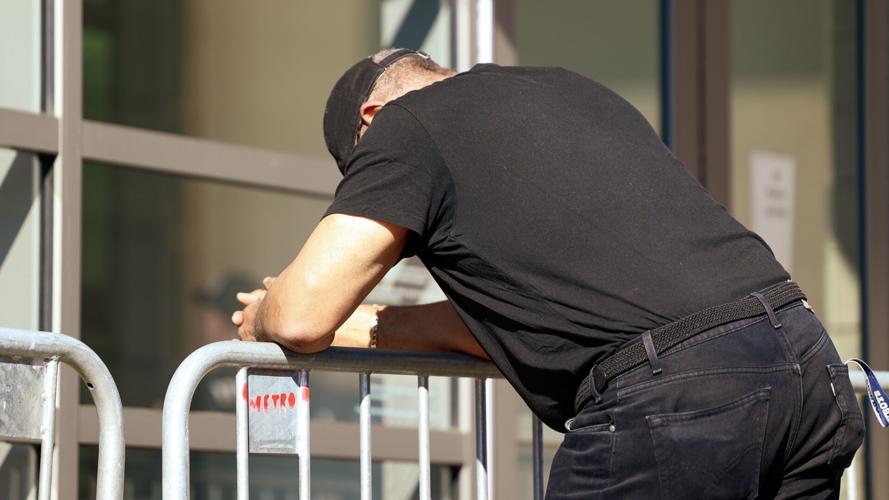
A community prayer vigil was held at the Muhammad Ali Center on April 12, 2023 to honor the victims and survivors of the mass shooting at Old National Bank.
- ERIC CRAWFORD
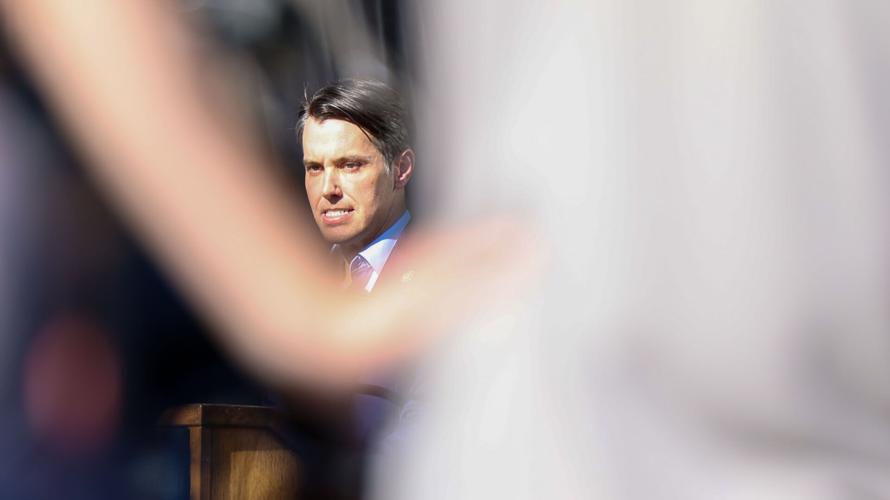
A community prayer vigil was held at the Muhammad Ali Center on April 12, 2023 to honor the victims and survivors of the mass shooting at Old National Bank.
- ERIC CRAWFORD
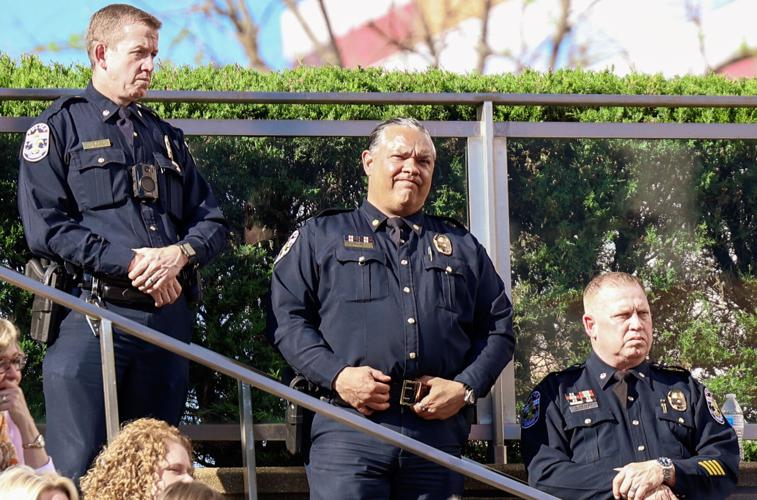
A community prayer vigil was held at the Muhammad Ali Center on April 12, 2023 to honor the victims and survivors of the mass shooting at Old National Bank.
- ERIC CRAWFORD
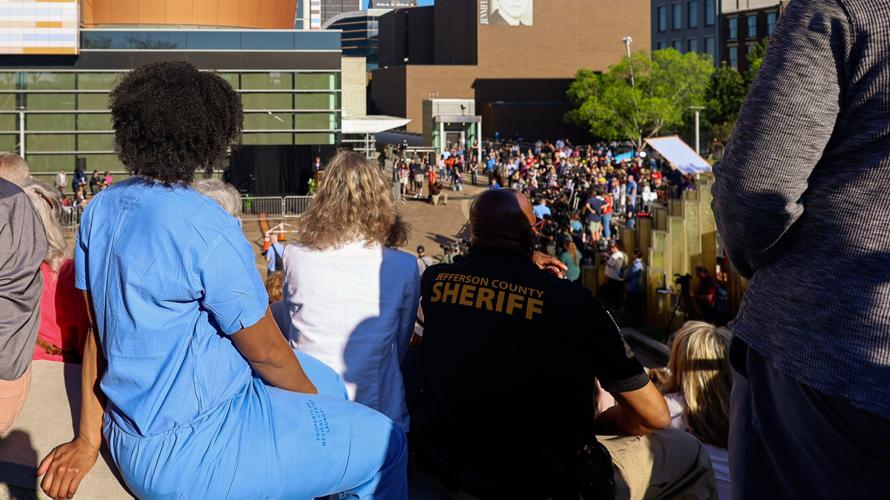
A community prayer vigil was held at the Muhammad Ali Center on April 12, 2023 to honor the victims and survivors of the mass shooting at Old National Bank.
- ERIC CRAWFORD
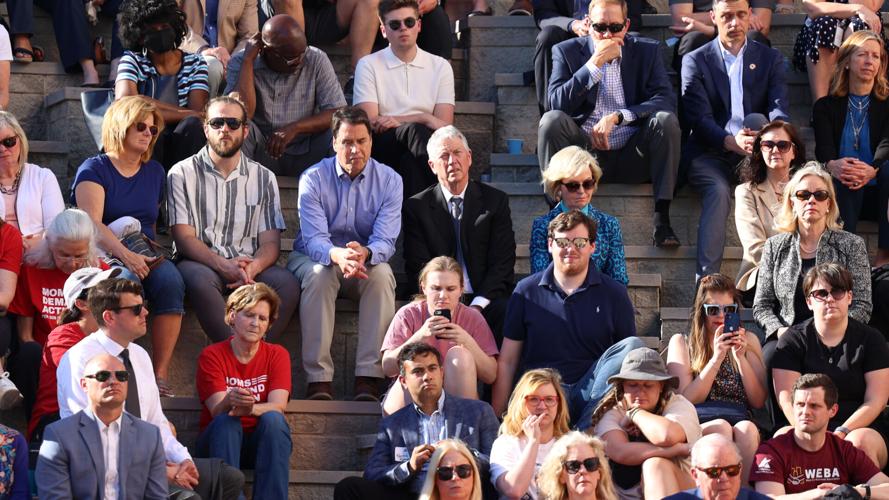
A community prayer vigil was held at the Muhammad Ali Center on April 12, 2023 to honor the victims and survivors of the mass shooting at Old National Bank.
- ERIC CRAWFORD
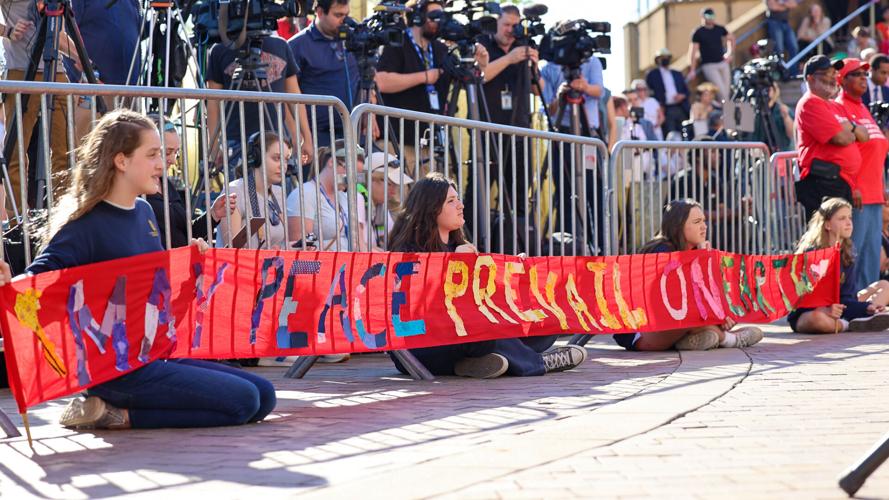
A community prayer vigil was held at the Muhammad Ali Center on April 12, 2023 to honor the victims and survivors of the mass shooting at Old National Bank.
- ERIC CRAWFORD
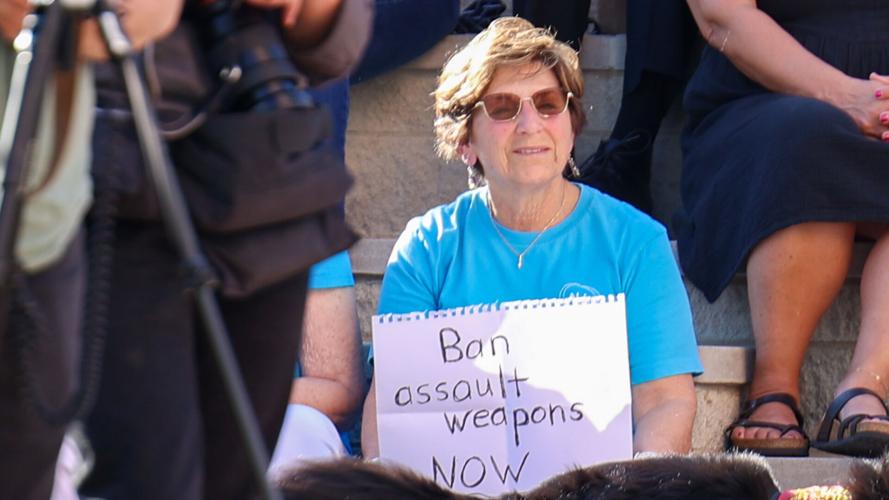
A community prayer vigil was held at the Muhammad Ali Center on April 12, 2023 to honor the victims and survivors of the mass shooting at Old National Bank.
- ERIC CRAWFORD
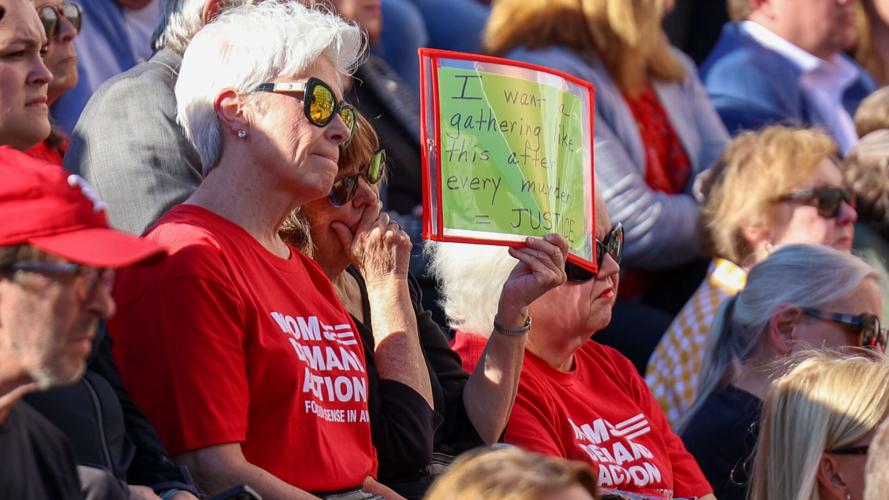
A community prayer vigil was held at the Muhammad Ali Center on April 12, 2023 to honor the victims and survivors of the mass shooting at Old National Bank.
- ERIC CRAWFORD
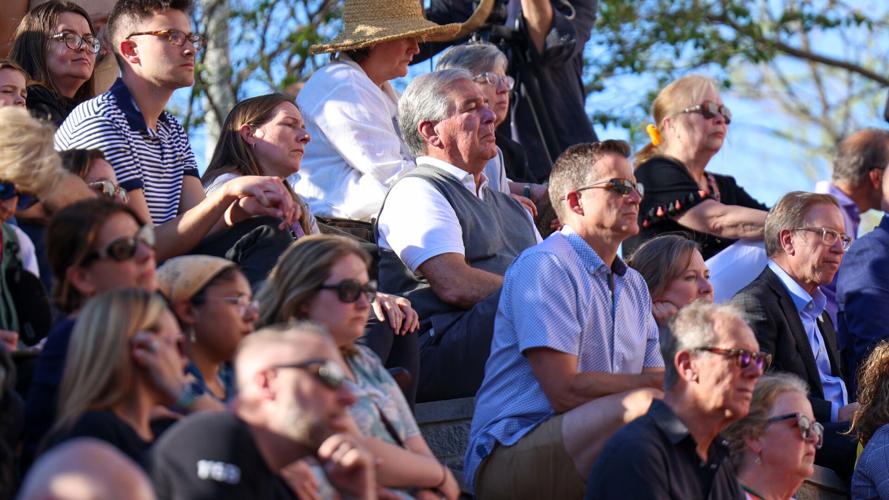
Former Louisville mayor Jerry Abramson sits among his fellow Louisvillians during a community prayer vigil at the Muhammad Ali Center on April 12, 2023 to honor the victims and survivors of the mass shooting at Old National Bank.
- ERIC CRAWFORD
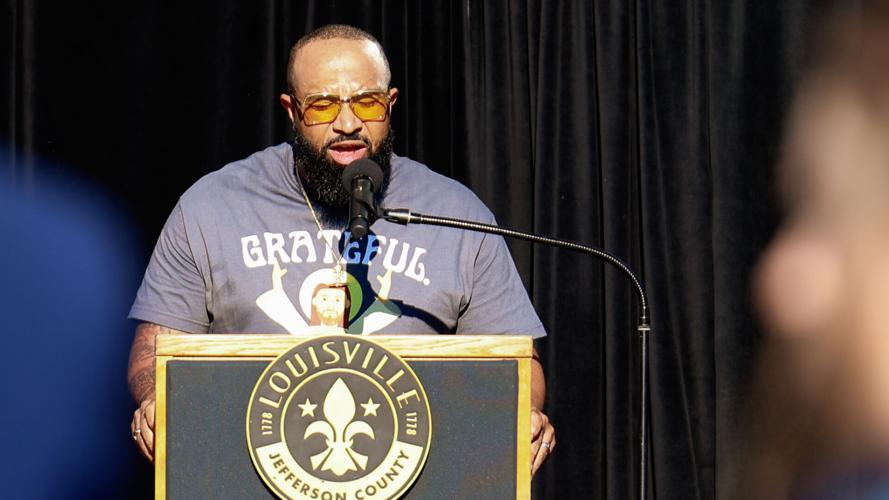
A community prayer vigil was held at the Muhammad Ali Center on April 12, 2023 to honor the victims and survivors of the mass shooting at Old National Bank.
- ERIC CRAWFORD
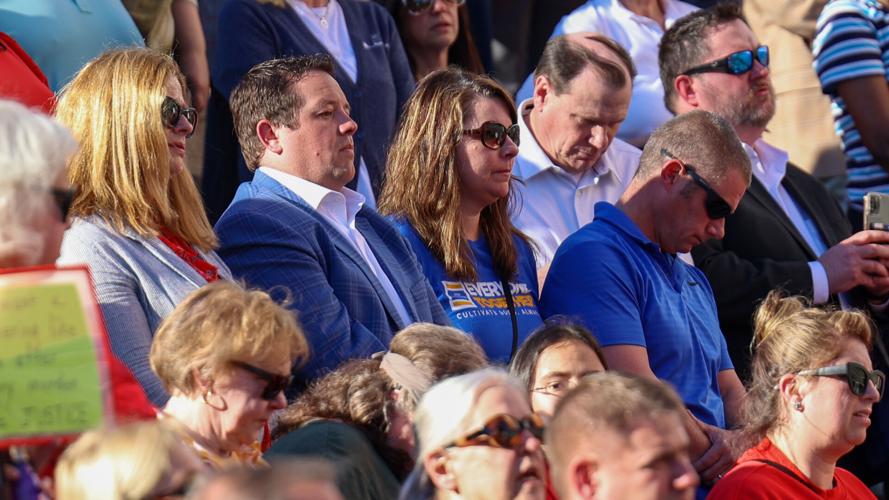
A community prayer vigil was held at the Muhammad Ali Center on April 12, 2023 to honor the victims and survivors of the mass shooting at Old National Bank.
- ERIC CRAWFORD
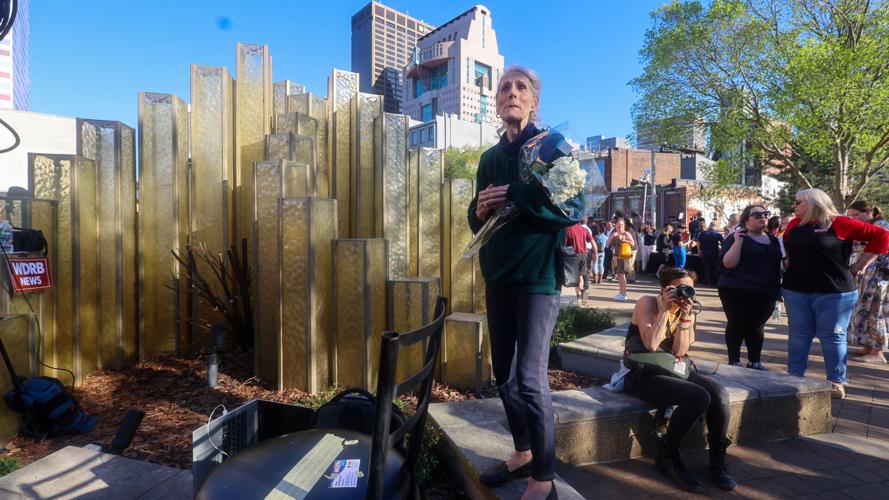
A community prayer vigil was held at the Muhammad Ali Center on April 12, 2023 to honor the victims and survivors of the mass shooting at Old National Bank.
- ERIC CRAWFORD
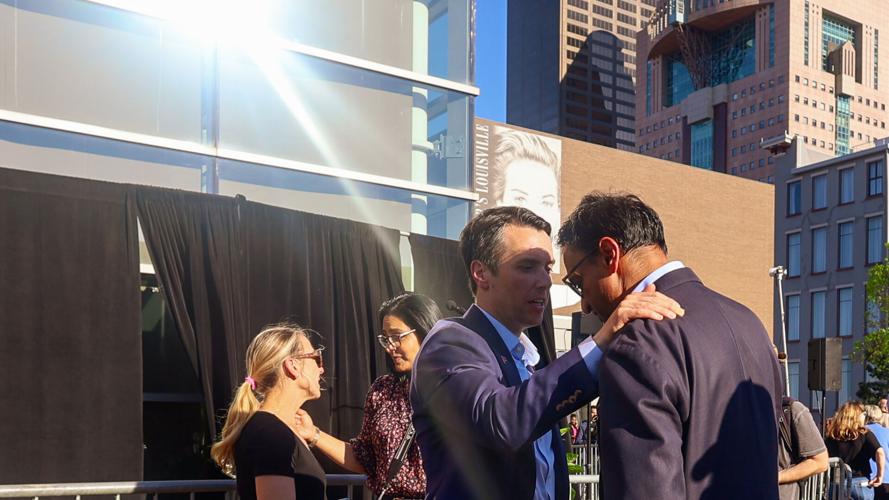
A community prayer vigil was held at the Muhammad Ali Center on April 12, 2023 to honor the victims and survivors of the mass shooting at Old National Bank.
- ERIC CRAWFORD
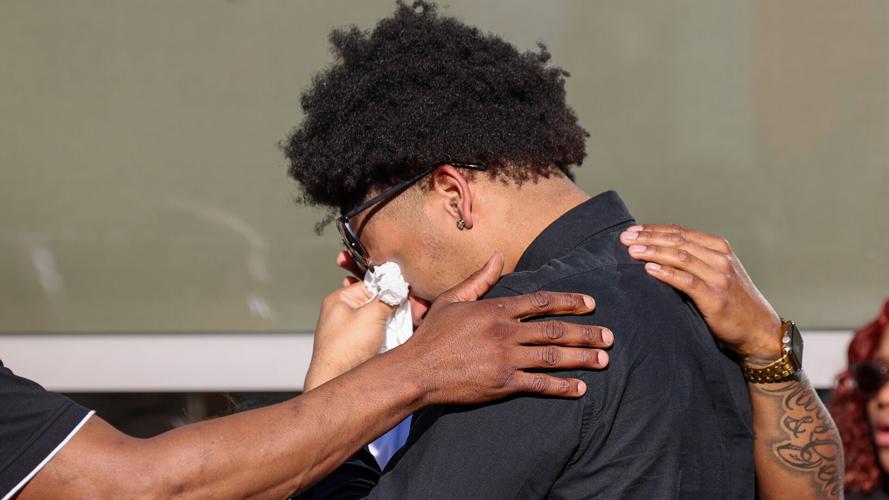
A community prayer vigil was held at the Muhammad Ali Center on April 12, 2023 to honor the victims and survivors of the mass shooting at Old National Bank.
- ERIC CRAWFORD
"So what I'm asking the general assembly is give us local autonomy," Greenberg said. "I understand if there are people in the state that don't want to change the laws in other parts of the state. But there are a lot of unique laws for Louisville already. Give us the local autonomy to destroy weapons that have been used to commit crimes. ... that are confiscated when they're illegally on the streets. Allow us to implement a concealed carry permit requirement here in Louisville to give us more tools in our toolbox."
A Democratic-sponsored bill in the 2023 Kentucky General Assembly that would let local governments destroy confiscated firearms did not get assigned to a committee in the Republican-controlled legislature.
Additionally Kentucky is not among 19 states that have passed so-called "red flag" or "extreme risk" legislation, including the bordering states of Indiana, Illinois and Virginia. Tennessee Gov. Bill Lee has urged his state's lawmakers to adopt a similar measure in the wake of the Covenant School shooting in Nashville in March.
Bills creating such laws have failed to gain traction in the Kentucky General Assembly in recent years, even with bipartisan sponsorship, the backing of mass shooting survivor Whitney Austin and U.S. Senate Minority Leader Mitch McConnell's support of a bill providing funding to states that approve the laws.
Gov. Andy Beshear, a Democrat running for reelection, argued that "red flag" laws involve the court system and don't run afoul of Second Amendment rights. At the same time, he acknowledged that the April 10 shooting still might have happened even if Kentucky had a law in place.
"I know people will say that wouldn't have stopped this situation, and it probably wouldn't have," Beshear told CNN. "Maybe it will the next one. I don't want another family to go through this."
Mental health
Families across Louisville are grieving their loved ones lost too soon. But the violence impacts people in every zip code of the city.
"This community is hurting bad," said Richard Lynch, a drug and alcohol counselor and grief mentor with First Hour Grief Response in Louisville. "We all live in this community. We work together. We go to schools together."
First Hour Grief Response recently opened its doors in east Louisville and the south end to people having trouble coping with the violence and loss of life.
"Starting with last Monday's shooting, we've received calls from people needing our services that were affected by the shootings," Lynch said. "We're here for anyone that's grieving, specifically the individuals that continue to be affected by these shootings.
"And the phone calls are coming from all over."
Seven Counties Services, a community mental health center, answers 988 calls for Louisville and the surrounding area. Anyone feeling suicidal or in emotional distress can dial 988 across the country to be connected with mental health support.
Since Monday's shooting, Geneva Robinson, director of The Crisis and Information Center with Seven Counties Services, said they've seen a 24% increase in call volume on the 988 line when compared to previous weeks.
"This impacts everyone in our community," Robinson said. "And it impacts different folks in different ways and some folks in our community have people in their life they feel like they can reach out to others might not. So the fact that more people are reaching out in using that line makes us feel like we really are doing something of value not only to individuals but to our community as a whole. For a lot of people, it can be a stigma-free way to reach out and talk to someone in the moment when you need it most."
Gangs
Humphrey said gangs are driving a lot of the violence in Louisville. But that isn't always something that's been openly talked about. Former LMPD Chief Steve Conrad broke years of tip-toeing around the subject in 2016 when he sat in the WDRB studio and admitted there are at least 20 gangs operating around the city. That number has remained static in recent years.
Dr. Eddie Woods, known as "Doc" to many, is with "No More Red Dots," a group focused on stopping gun violence. In 2021, he said there were 19 active gangs in Louisville, and many of them were associated with specific neighborhoods.
"We pretty much know them by neighborhoods," Woods said. "Young people do what they call sliding. Sliding is riding neighborhoods, looking for individuals. They got specific neighborhoods but looking for individuals that they can consider be their opponents, or "opps." The whole process is called going on a drill. When they go on these drills, they are looking for someone to shoot."
LMPD officers routinely work with Jefferson County Public Schools students on steering clear of gang violence. The G.R.E.A.T program — which stands for Gang Resistance Education and Training — is designed to help students steer clear of gang violence and educate them against bullying.
Hundreds of kids have worked with officers, learning lessons since 2018. Organizers said the overall goal is to give students resources they need to make better decisions now and in the future.
"We know that kids are recruited at a very young age to be in gangs and to do bad things," LMPD Sgt. Tony Sacra said. "We want to make sure that not only you build the positive relationship with JCPS, but with the local police departments. But we also want to build relationships with their families."
Humphrey said when it comes to addressing the gang problem, there is only so much police can do.
"This is a problem that is going to be recognized by family members, friends (and) neighborhoods far faster than anyone outside of those specific groups are going to be able to recognize," he said. "And those are the ones that are going to be able to intervene first."
Making a difference
Although there doesn't seem to be any one specific solution to ending the violence, education has been a powerful tool that is saving the lives of a lot of young people, including former gang members.
A perfect example is Kaelin Hall, who said after a standout basketball career at Moore High School in Louisville, turned to the streets.
"I was in the streets because I lacked love somewhere," Hall said Thursday.
He admitted he didn't find that love in the streets. But one day, there was a wakeup call. On March 8, 2016, he was shot several times, leaving him paralyzed and confined to a wheelchair. He said it was the second time he'd been shot in six months.
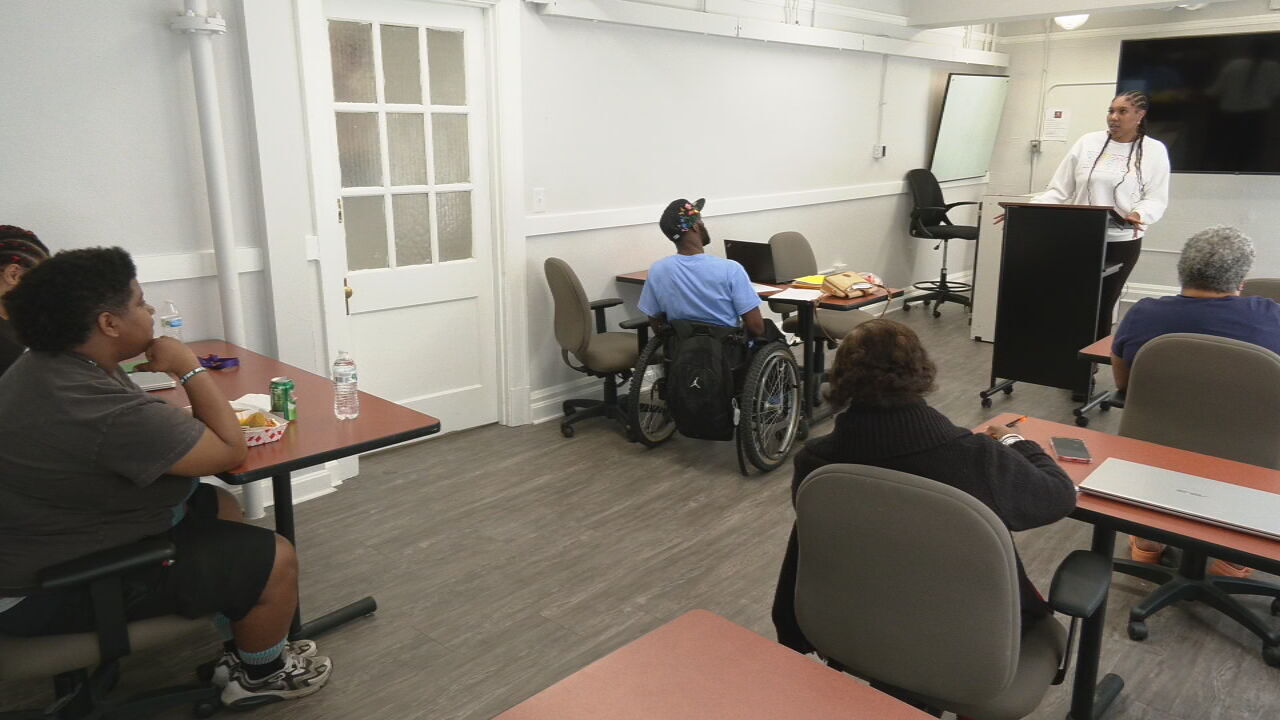
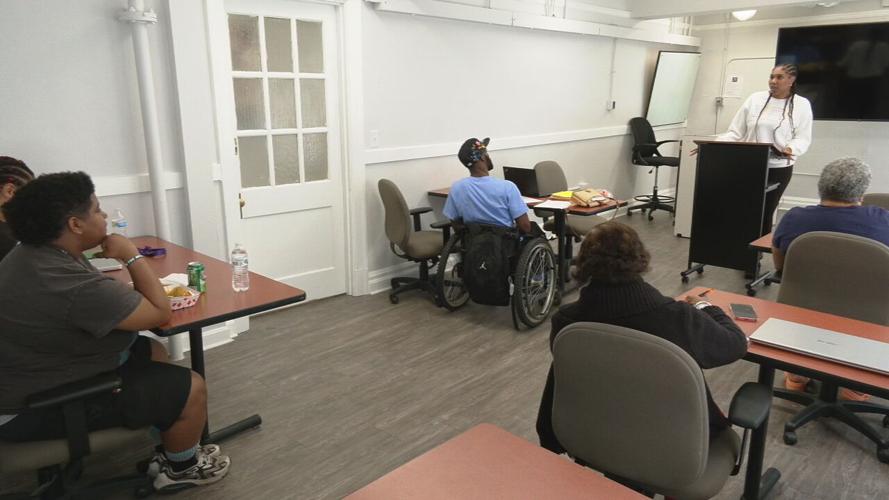
Kaelin Hall sits in a class at Simmons College of Kentucky. April 20, 2023. (WDRB Photo)
"I think that's when it sunk in," he said. "It's really time to get it together."
Hall said he was part of a gang, and the outcomes weren't much better for its other members.
"Most are dead," he said. "... dead, jail or some of them have lost their damn mind. ... Seriously."
Since being shot, Hall has changed his life, his friends and his surroundings. Most stories about gangs and shootings don't have a positive outcome, but Hall is determined to make a difference.
"I found it wasn't really what I want, you know (what) I mean?" he said. "I don't really want to keep getting shot."
Today, he's a freshman at Simmons College of Kentucky and shares his story at schools across the city.
"I want to be the example for my child," he said. "I want to be the first person in her family — my family — to graduate from college."
Hall said he wants to make it "cool to go to school," a mentality that will give more young people a chance at a better life. The alternative, he said, is tragic.
"We're losing people — five, six a week — and it's blowing my mind," he said. "Just last week, what was it? Fourteen, 15? That's too many. That's too many, you know? For nothing."
Related Stories:
- Kentucky doesn't have a 'red flag' law. Will a mass shooting in Louisville change that?
- LMPD: At least 2 dead, 4 others injured after shots fired into crowd of people at Chickasaw Park
- Family of Louisville shooter said he had 'mental health challenges' but 'no warning signs' of 'shocking' mass shooting
- 6 dead, including shooter, and 8 injured after gunman opens fire in downtown Louisville
Copyright 2023 WDRB Media. All Rights Reserved.