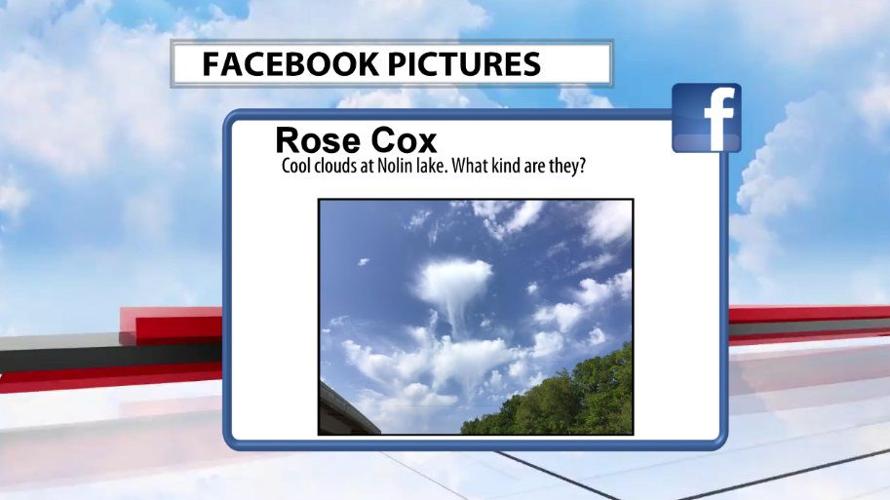
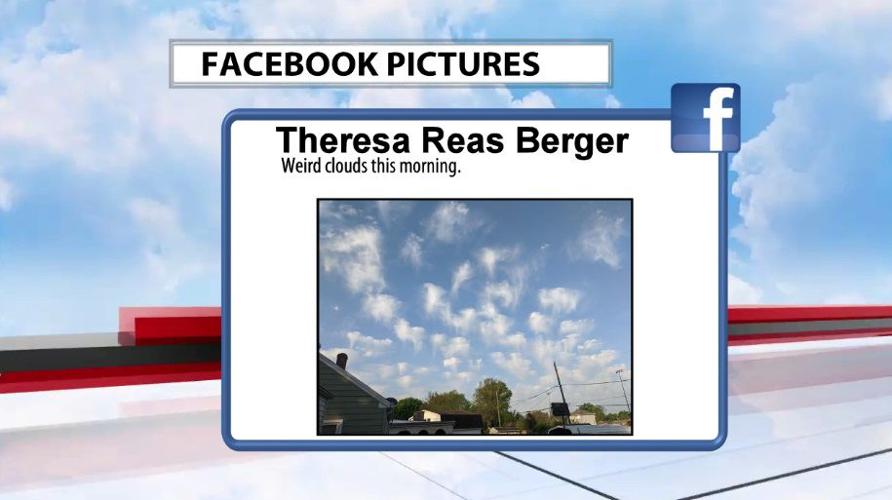
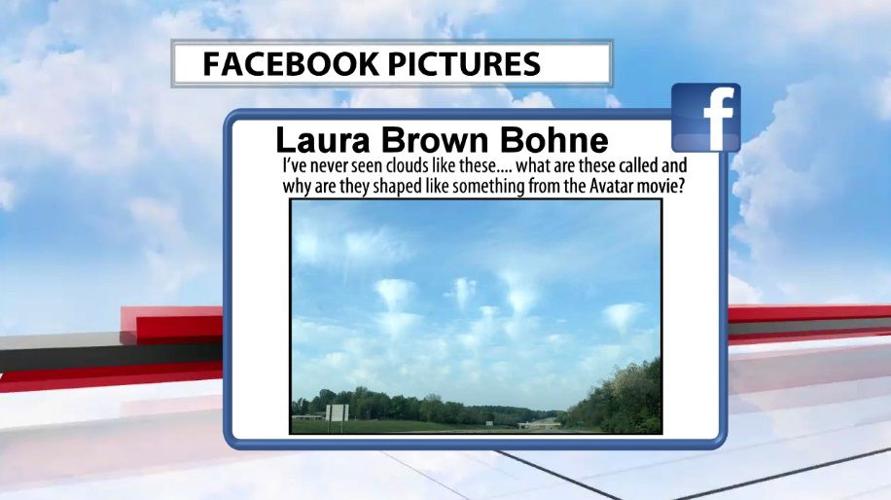
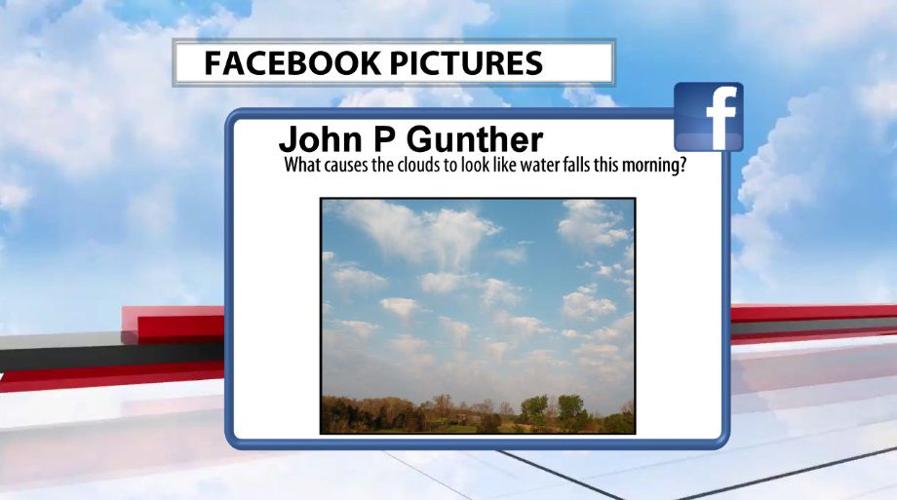
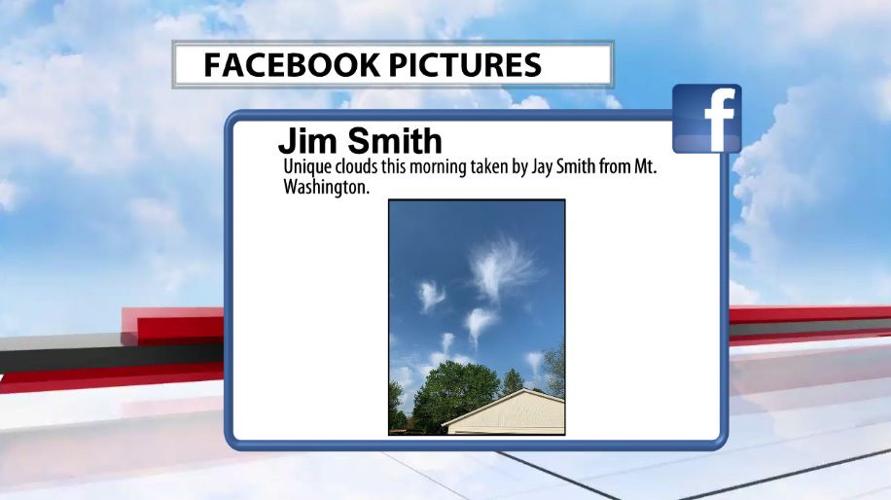

Did you look up to see strange clouds in the sky this morning? They looked like something you might see in a movie about aliens, but they're totally harmless. You saw jellyfish clouds!

Although technically recognized as an altocumulus castelanus cloud, these funny looking clouds can take on a close resemblence to the creature it was nicknamed after with wispy tentacles being its defining characteristic.

The altocumulus castelanus cloud or jellyfish cloud forms when you have a shallow layer of moist air in the midlevels of the atmosphere, generally between 7,000 and 20,000 feet up, which is surrounded by dry air both above it and below.

Essentially the parent cloud or "head" of the jellyfish produces shafts of precipitation that fall into the dry layer below it causing it to evaporate creating the tentacle like features. This process of precipitation falling into dry air and evaporating is known as "virga" and is associated with many different types of clouds.

The combination of low humidity and high temperatures is thought to be responsible for such lovely formations – which can, however, cause some less than lovely side effects. For example, the cooler air generated by the vaporizing water is able to create swiftly descending pockets of cold air, and these can be dangerous for aircraft. Fortunately, the virga are quite safe to admire from the ground, though! Although most common out west in dry or semi-arid environments, these clouds do occasionally occur further east in our neck of the woods too.


