
LOUISVILLE, Ky. (WDRB) -- On a picture-perfect afternoon, John Walczak was surrounded by a zoo full of bliss: the smell of fresh popcorn, the sounds of stroller wheels and giggling toddlers and the sweeping views of furry and scaly creatures who seemed to be enjoying the weather just as much as those walking on two legs.
"Working at the zoo — it's a blessing," Walczak said, glowingly. "I couldn't think of a better career. We're here to help people enjoy themselves and make great memories."
But Walczak, the director of the Louisville Zoo, has another mission too, and it's a bigger one: saving animals, like some of the ambassadors of his zoo, from extinction.
"Our zoo has actually helped bring species back from the very verge of extinction," he said.
But now, Walczak said that mission of conservation is even more critical in light of a United Nations report that was published days ago.
"In that report, they talk about 1 million species of plants and animals at risk of endangerment and extinction in the very, very near future," Walczak said.
The "landmark," first-of-its-kind report, compiled after three years of research by the Intergovernmental Science-Policy Platform on Biodiversity and Ecosystem Services (IPBES), says species are now declining at rates unprecedented in human history and that around 1 million animal and plant species are now threatened with extinction, many within decades. It also says 500,000 of them may already be doomed to extinction, no matter the response.

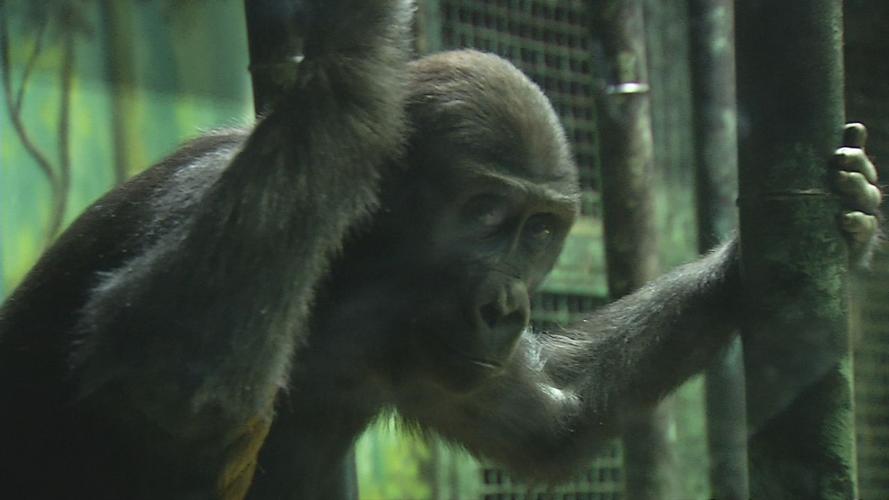
Kinda, a female western lowland gorilla at Louisville Zoo, turned three in March. (WDRB Photo)
“This loss is a direct result of human activity and constitutes a direct threat to human well-being in all regions of the world," wrote a professor who helped chair the study.
A summary of the report posted by the United Nations states the current global response is insufficient and that "transformative changes" are needed.
The report gives Walczak and the Louisville Zoo a new sense of purpose. In the coming decades, the zoo might help breed and introduce species currently in its collection if and when that species goes extinct in the wild.

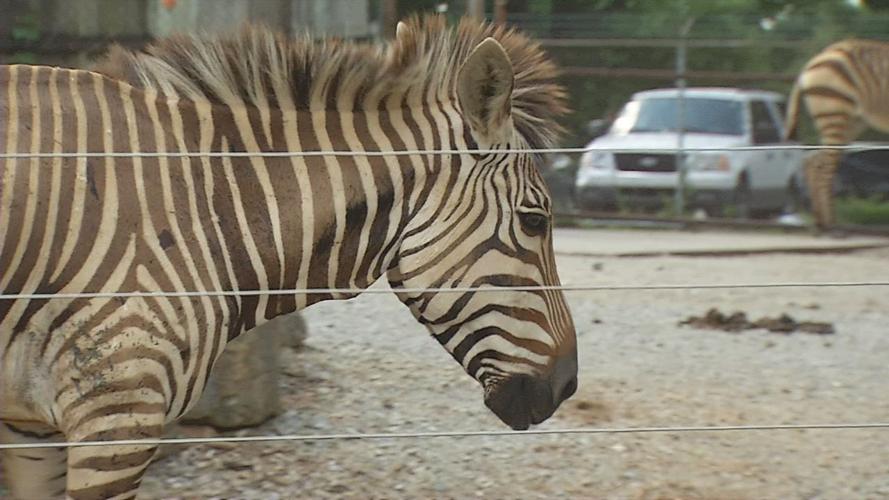
The Louisville Zoo chose to exhibit this species of zebra, the Hartmann's Mountain Zebra, because it's closer to extinction than some of its relatives. (WDRB Photo)
The practice isn't far-fetched. Years ago, the zoo helped save the Black-Footed Ferret, a species native to the Great Plains that was declared extinct in 1979.
When a remnant population was surprisingly discovered in Wyoming years later, the Louisville Zoo was one of six organizations that helped revitalize the population from 18 members to a population north of 200 mature ferrets in the wild today.
"The Zoo’s Conservation Center has produced over 1,000 kits since 1991 and provided over 700 ferrets for reintroduction to over 21 reintroduction sites across the Great Plains," the zoos website touts. "This is no small feat by any standards in the world of conservation."

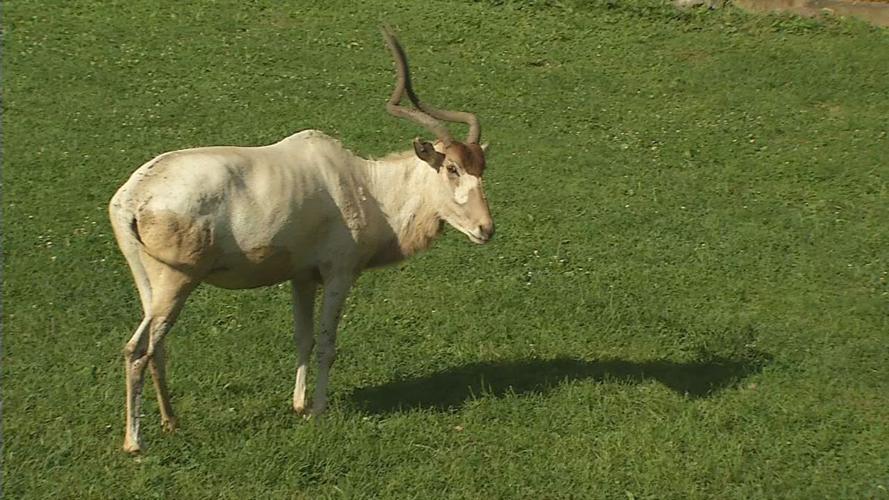
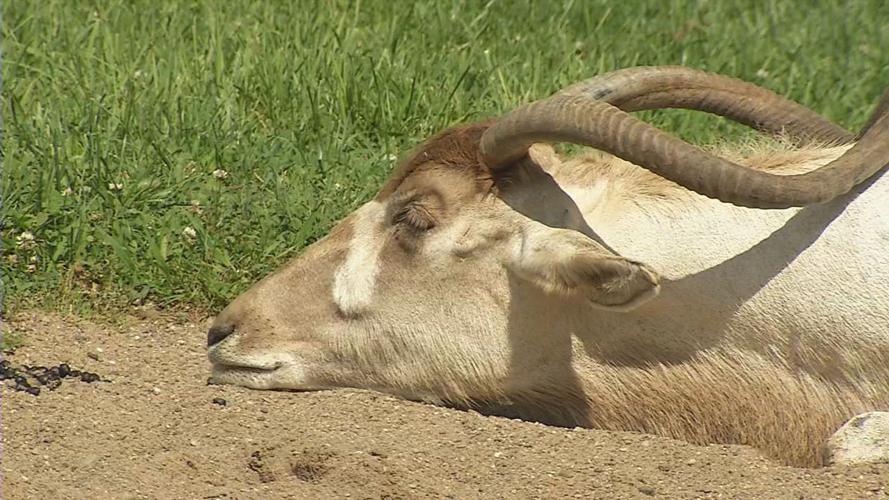
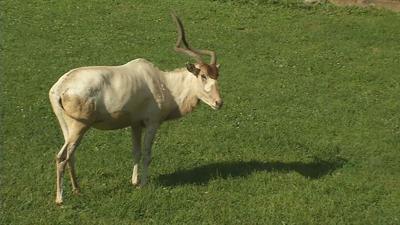
The Addax Antelope, native to Saharan Africa, is the most endangered creature at the Louisville Zoo. (WDRB Photo)
Walczak said, in coming years, the zoo might do something similar for the Saharan Addax, an antelope native to Africa. It's likely the Addax will be deemed extinct in the wild soon. Walczak said the most recent survey of the Sahara located just three of the species, which likely means fewer than 100 members remain in the wild.
"This species is the most endangered species at the zoo," he said as he gestured to the three who call the Louisville Zoo home.
Whether the Louisville Zoo gets the call to help save the wild Addax — or any other species — or not, Walczak said the United Nations report shows why his zoo and accredited zoos and aquariums are now more important than ever before.
"The time to become aware is now. We can't wait," Walczak said. "We can't wait another 10 years. And it's important that people understand what we're facing, because planetary health directly translates to our health."
Copyright 2019 WDRB Media. All Rights Reserved.


