

LOUISVILLE, Ky. (WDRB) — As the cyclospora outbreak spreads rapidly across the U.S., so do fears about eating lettuce and other produce.
The concerns are also driving up demands for locally grown foods.
Where does your food come from? That's the question Louisville farmer Catherine Shake said people are now asking as concerns for cyclosporiasis and food recalls grow.
Shake started growing produce at her farm, Shake Farm, in 2020.
"During COVID, it really took off because people didn't want to go in the grocery stores," Shake said.
Now, with cyclosporiasis, the explosive diarrhea-causing illness, many are scared to eat lettuce and produce.
"If we could've grown lettuce through the summer, we would've been millionaires," she said. "I don't know anybody that's eating lettuce right now."
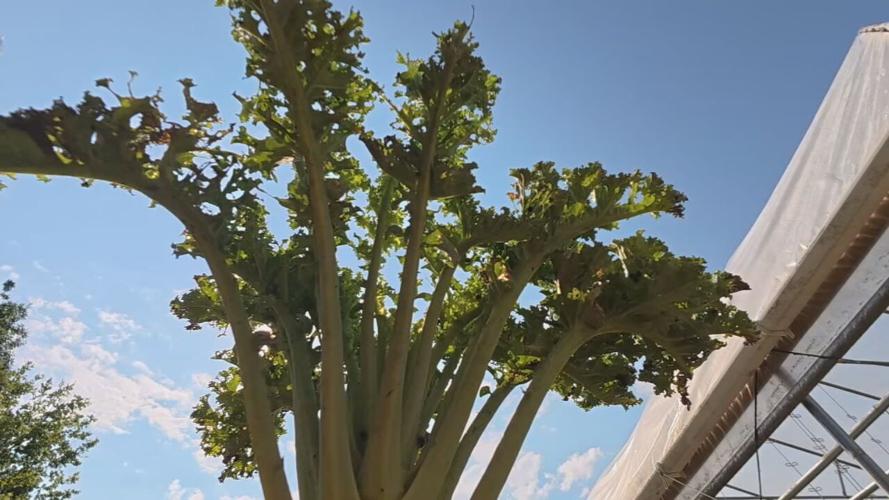
Shake said lettuce is a Spring crop. It's too hot during Kentucky summers for farmers like her to grow it.
As people search for food they can trust, she's seeing more and more people turn to her, looking for locally grown produce.
"We see people coming from all over Louisville and Spencer County and Bullitt County," she said.
Just this year alone, Shake has seen a 35% increase in sales.
"The main thing they're looking for is, people that are actually growing their own produce," she said. "Even at farmer's markets, you'll run into people that are purchasing and reselling, and we try to grow as much has we can. They want to know where it comes from."
Shake said since so many people have inquired about lettuce, she plans to grow lettuce and a few other Spring crops in the fall when its cooler.
The uptick in interest in locally grown food may be new, but cyclospora isn't. According to the U.S. Centers for Disease Control and Prevention, there are nearly 10,500 laboratory-confirmed cases of the illness across 47 states. That's a drastic increase compared to the average 2,800 annual cases that the CDC has tracked since 2016.
The CDC reports that more than 6,000 of those cases are linked to the cyclospora outbreak connected to the shredded iceberg lettuce from Taylor Farms in Mexico.
"This year, I think we have to admit, was different," said Dr. Kris Bryant, pediatric infectious disease specialist for Norton Healthcare. "CDC numbers lag behind what are being reported by local and state health departments.
Bryant said Norton has seen 152 positive tests for the disease so far this year, adding that where you get your food from matters.
"Fruits and vegetables grown down the road or across town is always going to be fresher and, potentially, more delicious than something that is grown in another country and has to spend multiple days getting here on an airplane or a train," she said.
Dr. Mark Burns, with UofL Health, said getting your food close to home may be your best defense.
"Local sourcing of your food is actually one of the best ways to lower your risk to exposure to foodborne illnesses like cyclospora," said Burns.
Shake said other countries that we import food from don't always have to follow guidelines that America food safety guidelines that American farmers take heed to.
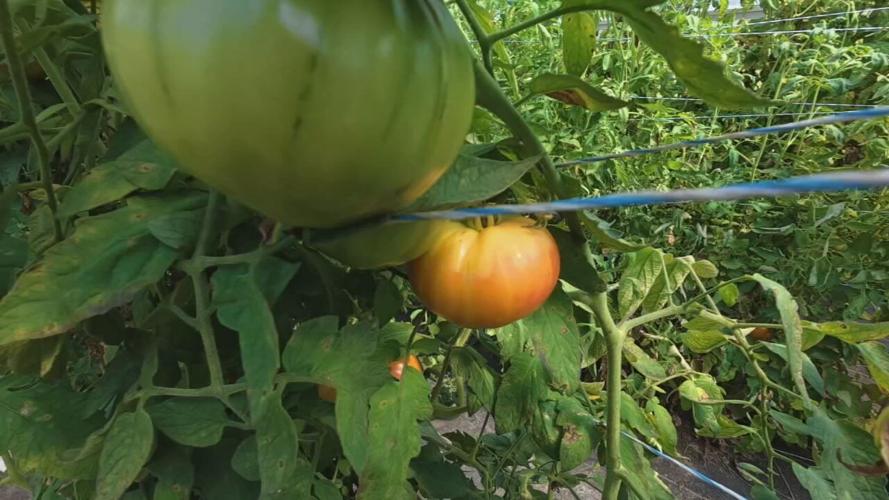
"They're trying to transport them from California or out of the country, and they have to have that lag time, whereas if you buy a tomato from us, it was picked within the last couple of days," she said. "They can spray food with things that we can't, and other countries don't have those same limitations, but they can ship us their food."
Bryant said even when buying from farmers, you still have to make sure that you thoroughly wash your hands and your food.
Copyright 2026 WDRB Media. All Rights Reserved.


