



LOUISVILLE, Ky. (WDRB) -- A new report highlights troubling data involving violent crime among teenagers and young adults in the city of Louisville.
Youth homicides in Louisville tripled from 2018 to 2021. These are homicides involving youth from the ages of 15 to 24 years old, who were either the victim or the suspect. In 2018, there were 20 youth homicides. That number was 60 in 2021, and 48 of them were young Black men between the ages of 15-24.
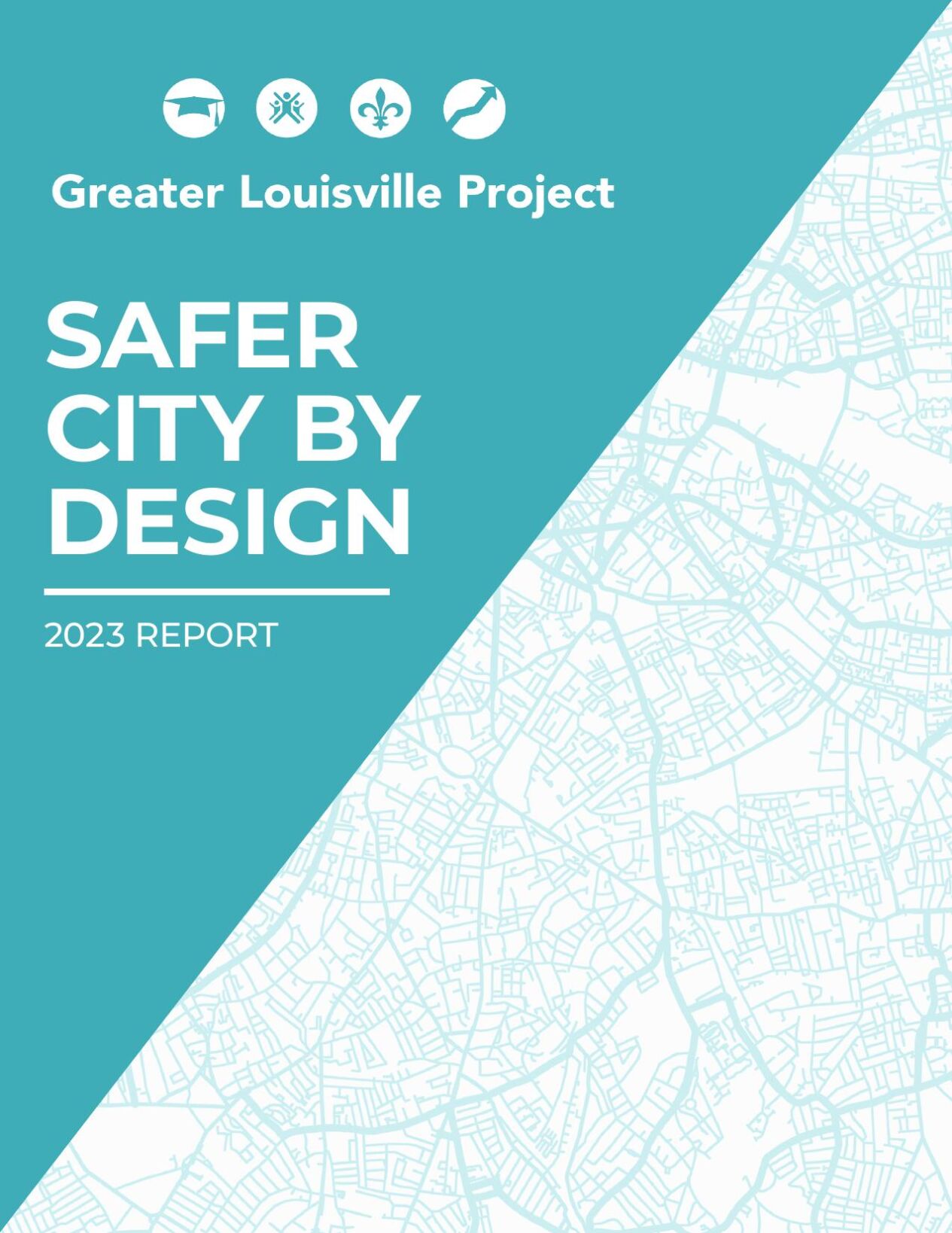
The data, from the Greater Louisville Project (GLP) 2023 Safer City by Design Report, compares Louisville to 16 similar cities. Since the COVID-19 pandemic began, Louisville saw the second-largest increase in youth homicides among those cities. Additionally, data shows the city has the highest rate among those 16 peer cities of Black residents between ages 15 and 24 who are not employed or in school.
GLP, along with Mayor Craig Greenberg, Jefferson County Public Schools Superintendent Dr. Marty Pollio and Deputy Mayor David James, gathered Tuesday afternoon to talk about the data.
.@LouisvilleMayor speaking at the Greater Louisville Project’s Safer City by Design 2023 report. @WDRBNews pic.twitter.com/4OMKKtOiyS
— Joel Schipper (@JSchipperWDRB) February 14, 2023
City leaders are hoping youth-focused investments increase following the release of the report.
"We are focused on preventing crime before it happens, by providing youth and mental health services, more educational resources, more extracurricular athletic opportunities, " Mayor Craig Greenberg said.
Despite the high crime statistics, the city has stopped investing in youth-focused departments. In 2011, the city invested $46 million. In 2021, just $22 million was spent.
Current investments are funded by American Rescue Plan dollars. Louisville Metro Government allocated $67 million of ARP funding to address public safety. But leaders said $10 million of that funding has to be spent by the end of 2024, so much of the focus on Tuesday was how to do it, especially for young people.
"Our financial response has been tepid and inconsistent, and we have not gone about this the way we have needed to," Harrison Kirby, with the Greater Louisville Project, said.
According to the report, however, most funding towards violence intervention programs "will be spent on programs and staff," meaning that in 2025, violence prevention and intervention programs will have to find nearly $10 million in annual funding.
In a news release, GLP said its data "highlights that violence intervention efforts and funding can be targeted to reach our most vulnerable youth to build a safer city."
GLP met with partners over 50 times in six months to talk about where the remaining funds should go.
"Making sure our libraries are open when kids want to go to libraries, and that there are programs for them," said Greenberg. "All of these things are part of the solution."
Pollio said JCPS attendance is not near where it should be in the last couple of years, to help get more kids off the streets.
"The pandemic definitely exacerbated disconnected youth," Pollio said. "We have seen attendance drop significantly since, and that is statewide, but it is definitely a reflection here at JCPS."
Greenberg said the community needs to be proactive instead of reactive to get ahead of the crime.
"We've been seeing so much violence of young people harming other young people, and that is what we have to focus on stopping," he said.
GLP said making investments in youth services "decreases the chances" of youth becoming a victim, perpetrator or witness of violence.
To read the report, click here or click on the PDF below.
Copyright 2023 WDRB Media. All Rights Reserved.


