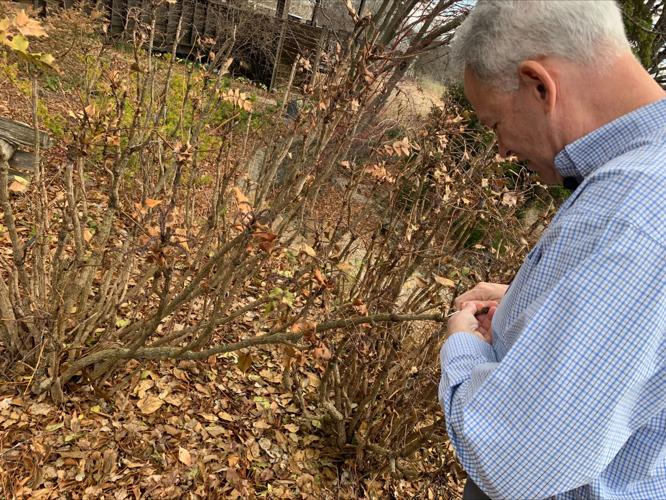
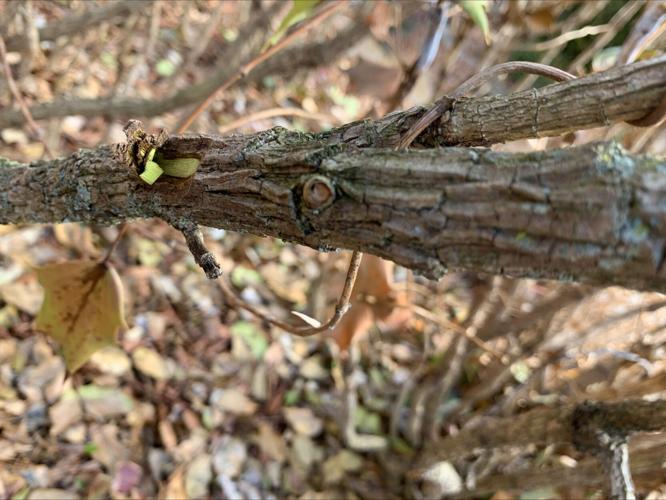
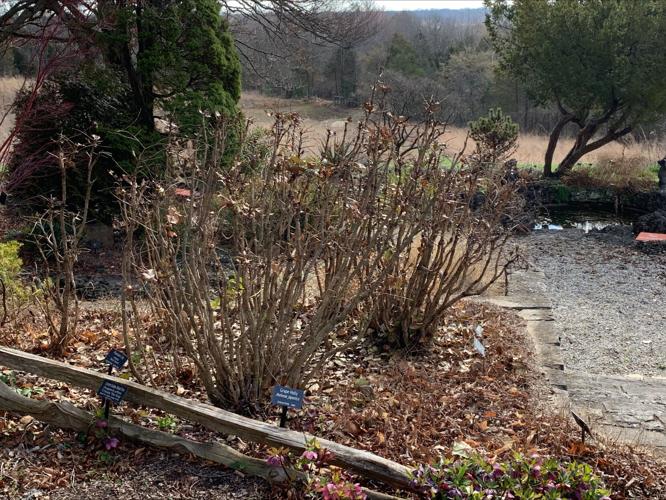



LOUISVILLE, Ky. (WDRB) -- Chris Harmer's green thumb couldn't save the leaves on the mahonia sitting just off of his front porch. The evergreen plant should've maintained its color and life through the winter as it always does.
But something changed.
"Oregon Grape, beautiful four-season plant," Harmer said. "But this year, all the leaves dropped, and that's true just like with hollies and laurels."
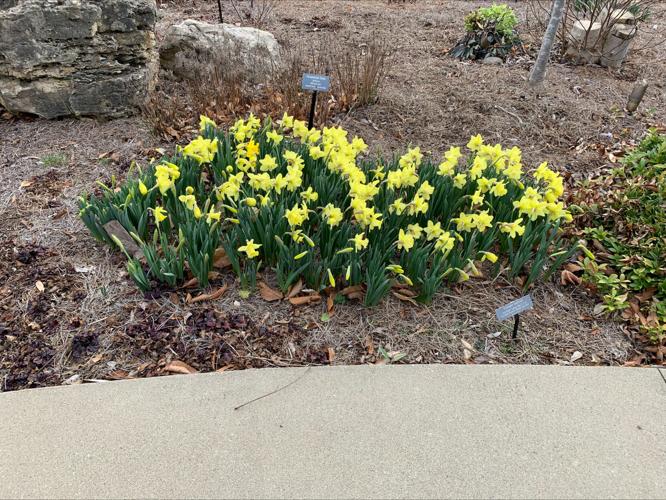
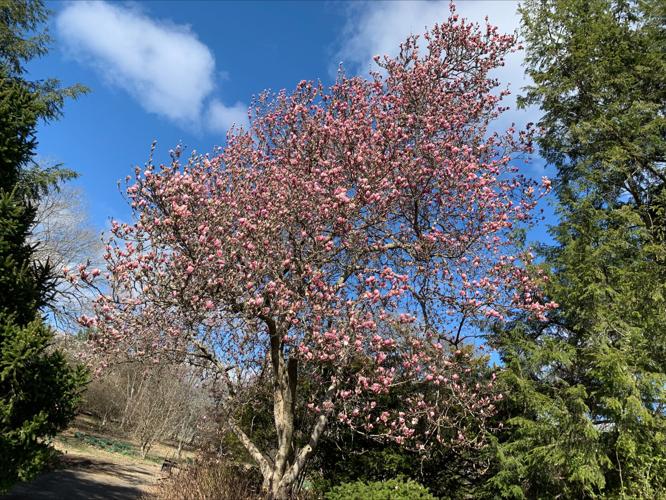
Laurels and holly seem bare and brown, while daffodils and magnolia trees this February are in early bloom. It's uncommon but not surprising following a winter that saw extreme cold and unusual warmth.
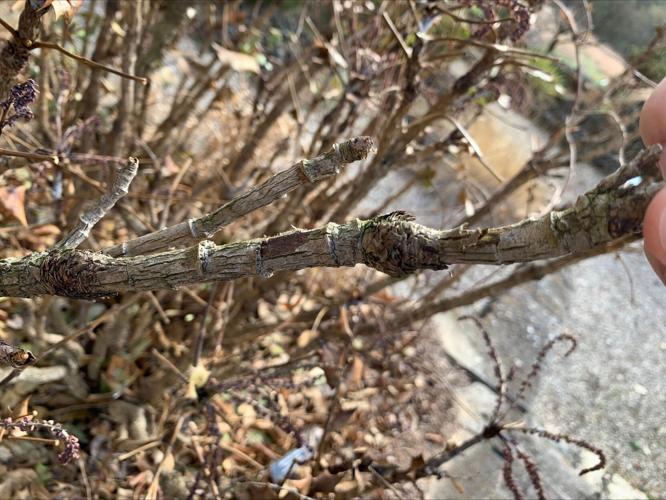
Experts believe the evergreen plants that are clearly damaged suffered from the severely frigid temperatures that dropped well below zero just before Christmas. Even plants that are designed to literally weather the storm did not because of the drastic temperature change.
"A lot of plants can handle -8, -9, -10, but they can't handle it in just a few hours dropping from that high temperature," said Paul Cappiello, executive director at Yew Dell Botanical Gardens in La Grange.
However, no matter how colorless and lifeless those plants may seem, they're likely still alive despite significant damage.
"Because the ground is so well insulated in soil, the roots are insulated, and, very likely, a lot of those will come back," Cappiello said. "The problem is we're not going to know that until, probably, after Derby."
The name of the game, at this point, is patience.
It will likely be late spring when those laurels and holly begin to show what needs to be done. Experts believe that new growth will sprout in the late spring months and reveal what needs to be pruned.
"We don't want people to get out there and say, 'Oh, it's been 70 degrees three days in a row, there's no leaves,' and start cutting when they're probably perfectly healthy and perfectly happy," Cappiello said.
Despite his suffering mahonia, Harmer has blooms of daffodils, aconites and other spring flowers on full display. That's the case all across Kentuckiana.
"It has a bright yellow flower and usually comes out in early February," Harmer said. "It was out mid-January this year. I don't know why that was out so early."
The 70-degree temperatures have bloomed some plants and flowers fairly early.
"My advice is: Whatever comes out now, enjoy," Cappiello said. "It could get frosted in a couple of days."
The worry is that cold weather is coming back and will damage some of the early blooms. Experts know that some of the plants can sustain low 30-degree temperatures and even some in the 20s. Temperatures colder than that could hurt.
"It's coming," Cappiello said. "It's just a matter of when it hits, how hard it hits and what happens to be in bloom. This warm continues, and we start getting things like hyacinths and tulips, they can't handle a whole lot below freezing."
Experts recommend covering any flowers to protect them ahead of expected cold or frost.
Copyright 2023 WDRB Media. All Rights Reserved.


