


MADISON, Ind. (WDRB) -- When a person suffers a heart attack, getting help quickly is key. But it can be challenging for rural hospitals.
While a ST-Segment Elevation Myocardial Infarction (STEMI) isn't the most common type of heart attack, it is the most severe and requires timely intervention. Patients suffering from a STEMI have to get to the nearest cardiac catheterization lab quickly for the best possible outcome.
Experts say the goal is to get a patient to the lab from dispatch in less than 90 minutes.
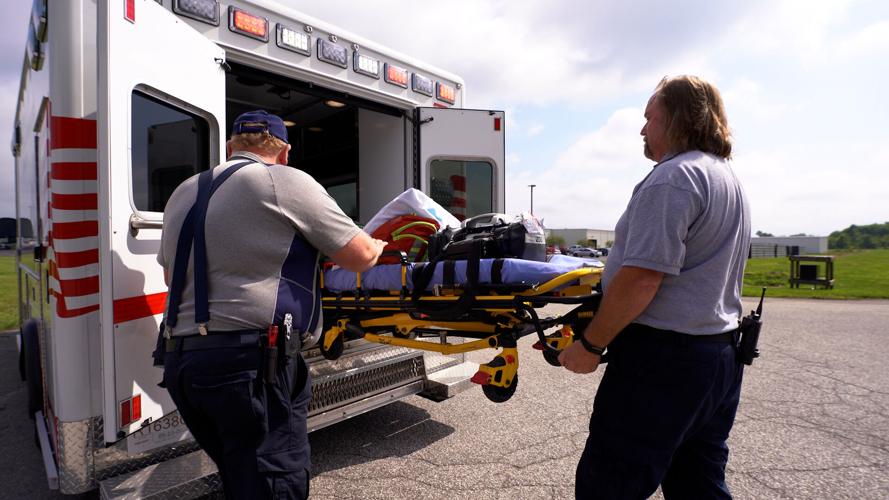
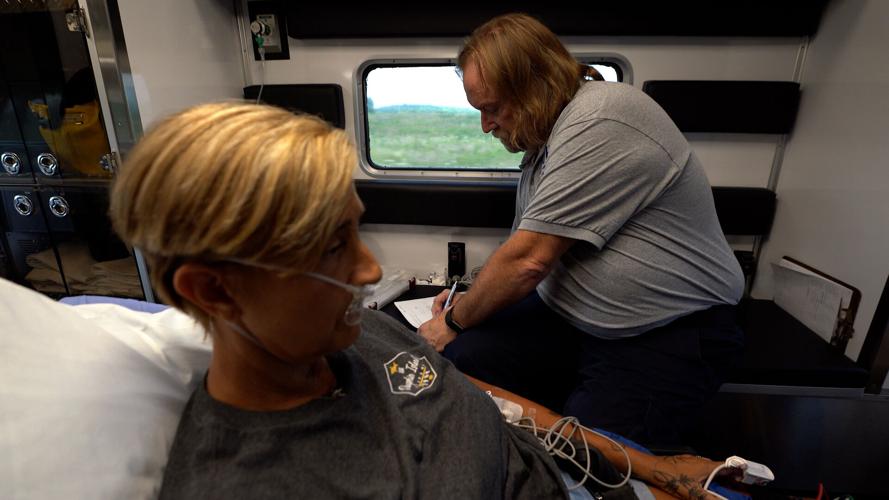
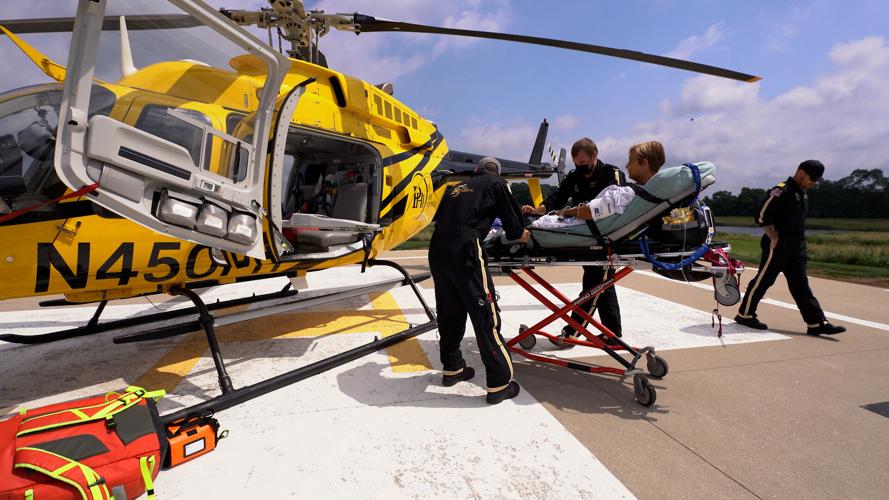
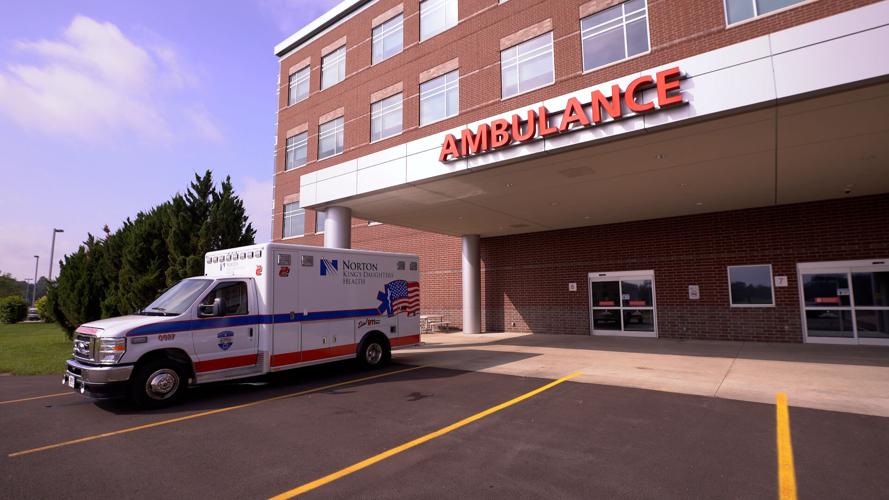
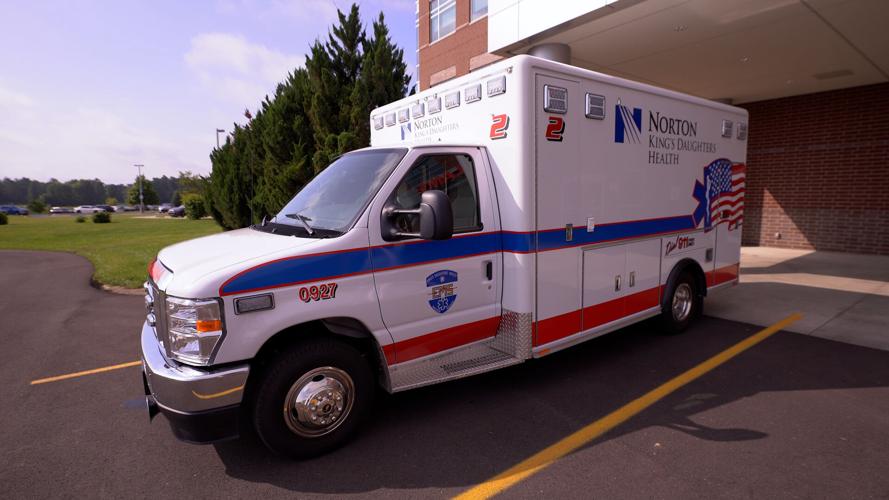
"The longer that patient goes with a blockage in their heart, the more that heart tissue can die," said Scott Stevens, EMS director at Norton King's Daughters Health hospital. "We can actually start treatment in the field with IVs, medications, EKGs, and decide whether we need to transport the patients having a STEMI either to our ER for stabilization or directly to a helicopter for rapid transport."
When EMS gets to a patient, they're able to determine whether or not they're having a STEMI by doing an assessment and an EKG. They are then able to start the process of getting that patient to the lab as soon as possible.
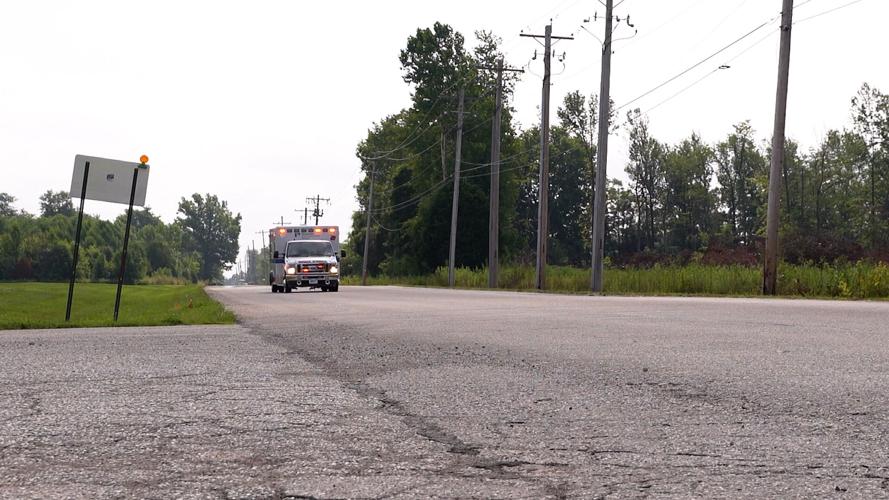
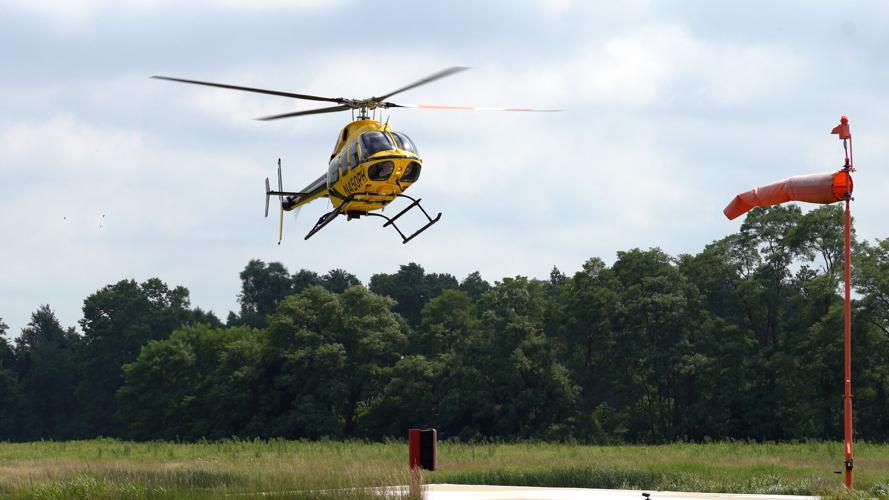
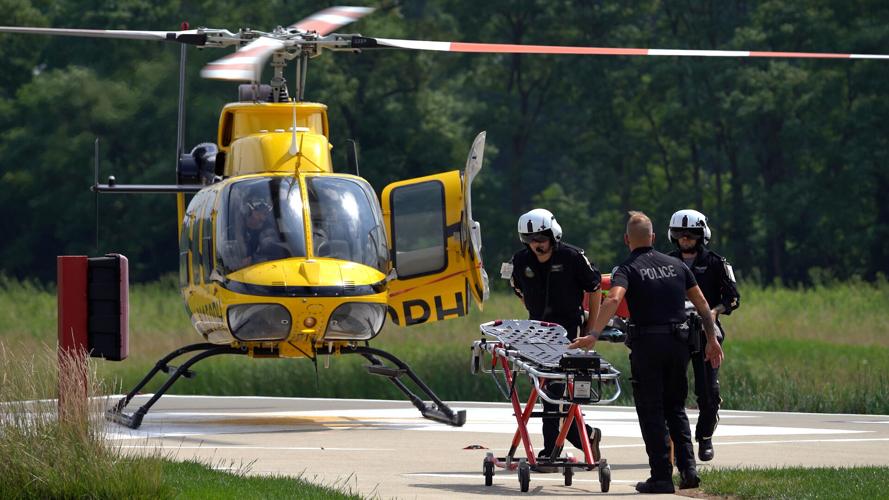
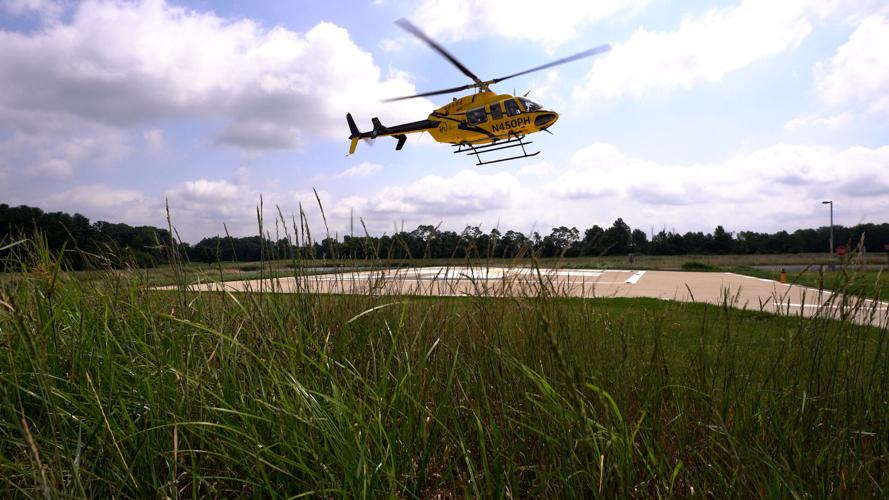
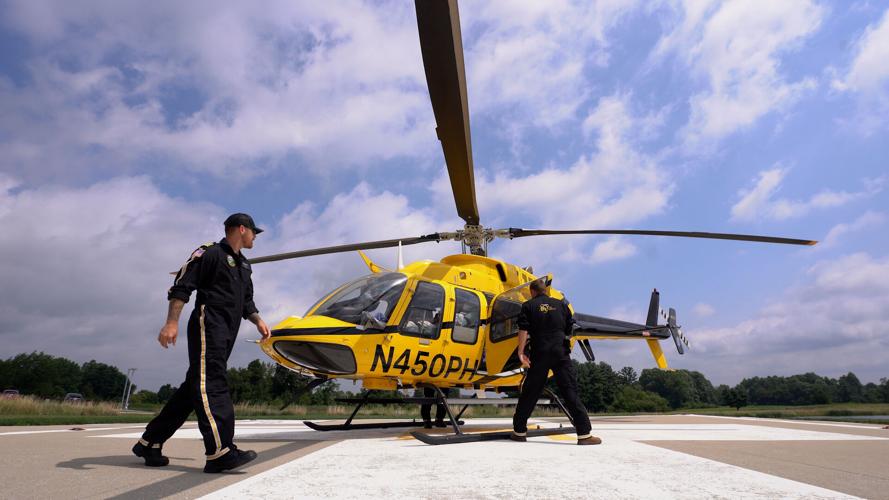
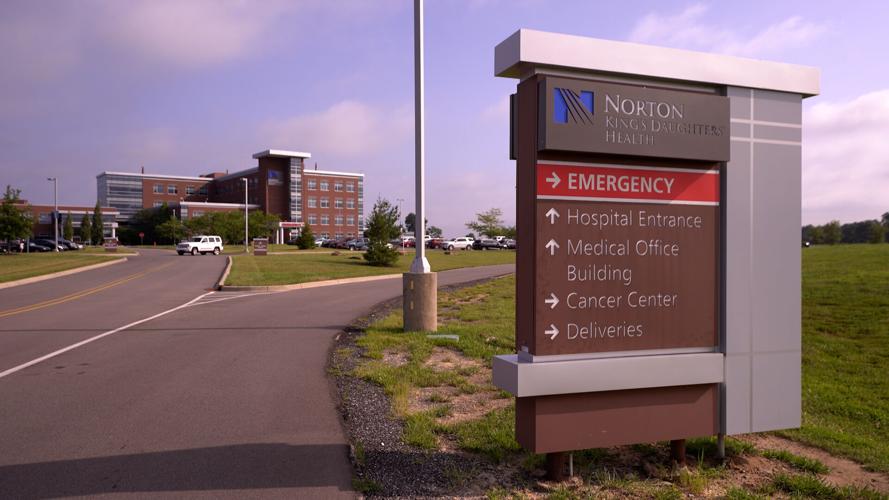
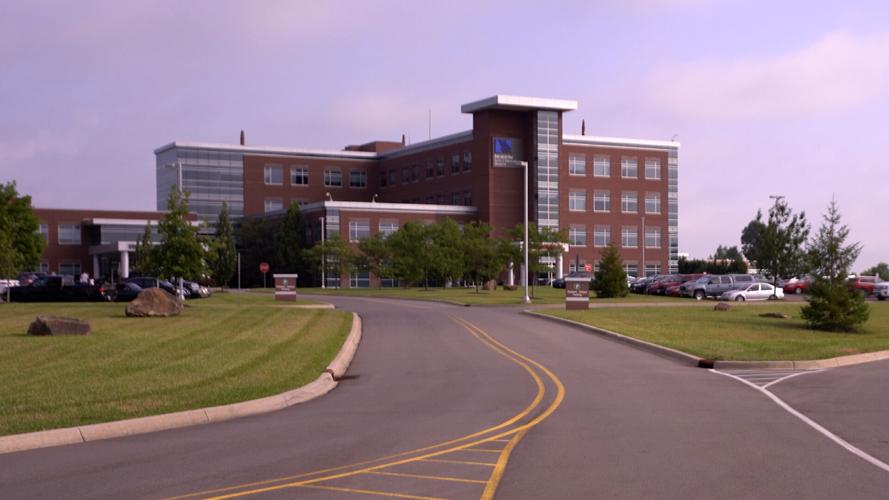
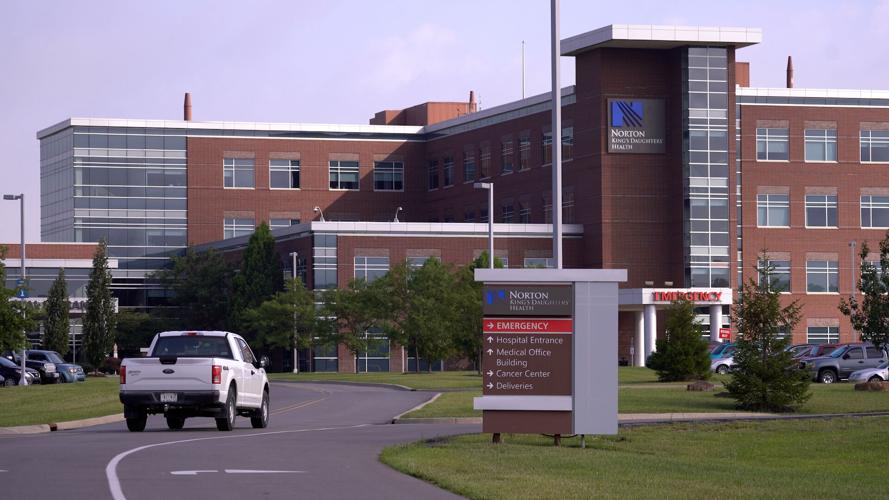
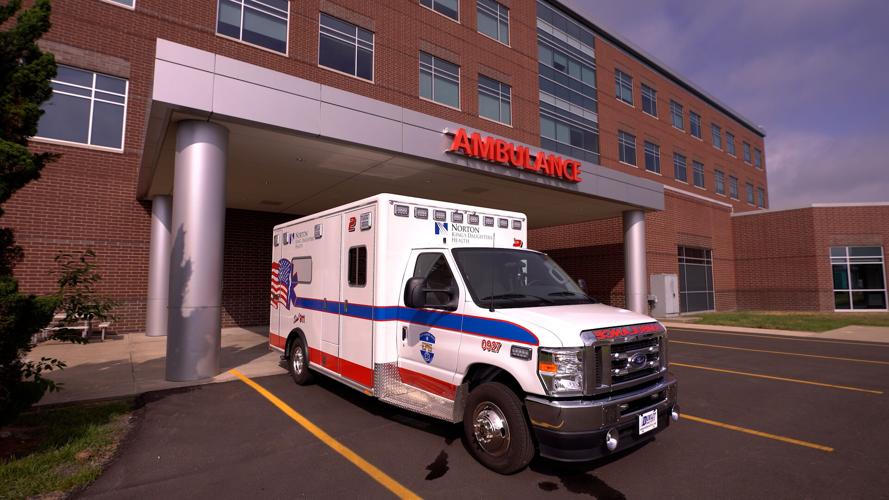
Norton King's Daughters' Health hospital in Madison, Indiana, doesn't have a cardiac catheterization lab. Like many rural hospitals, it often relies on helicopters to transport patients but will use an ambulance if a flight isn't possible.
"Being a rural hospital, we do have a lot of the medications that are going to be required for it, but we do not have cath lab capabilities for cardiac intervention, and that's what people need the most," Stevens said.
Nurses said the biggest challenge of being at a rural hospital is the distance to get a patient to the cardiac catheterization lab.
"Time saved is heart saved, so the quicker we can get them to have intervention, the better outcome they will have from their heart attack," said Marca Long, an RN in the ER at Norton King's Daughters Health hospital.
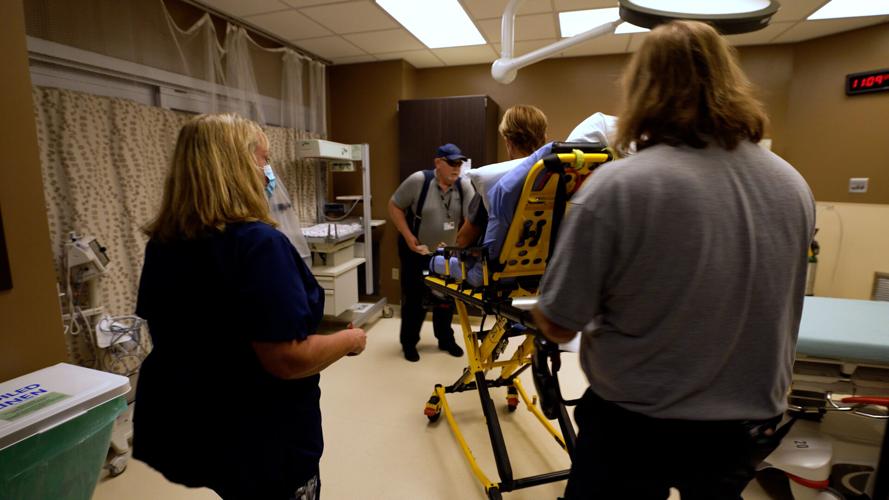
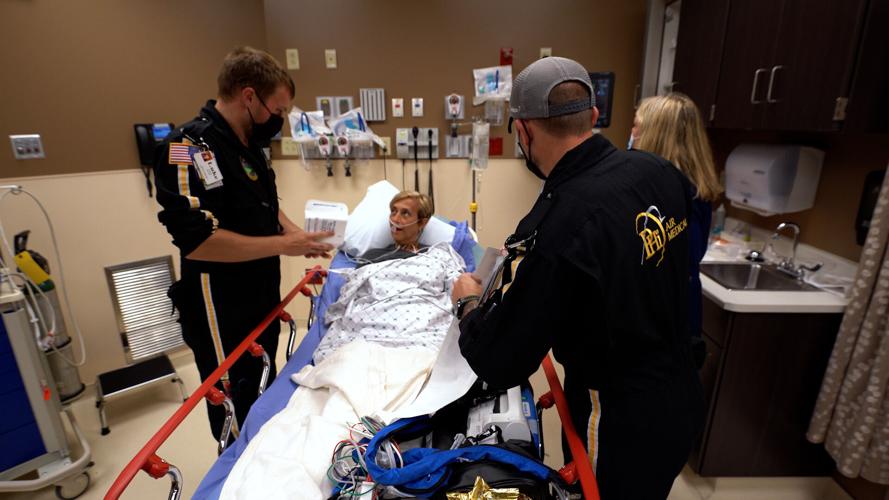
Upon arrival at the hospital, EMS and ER officials are able to stabilize the patient and provide as much care as possible while transportation to a lab is organized.
"Communication is the key between your team members, your doctor, your nurses, your cardiology tech that does the EKG, it's all teamwork," Long said.
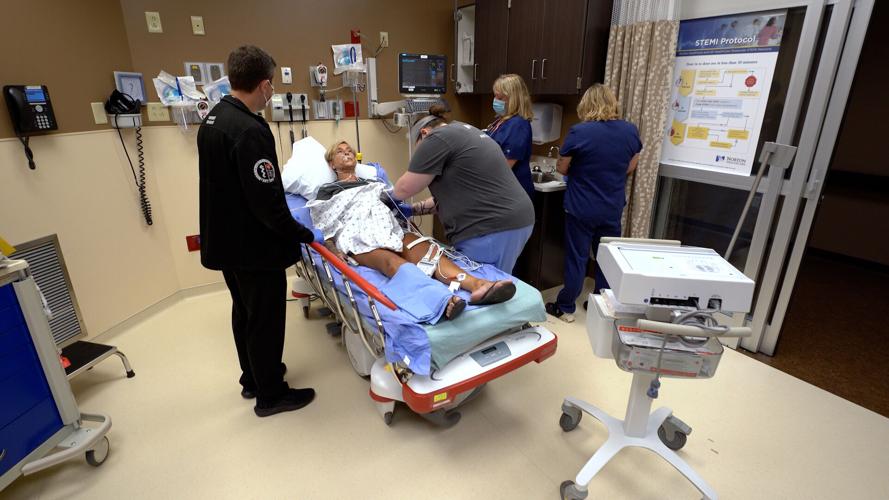
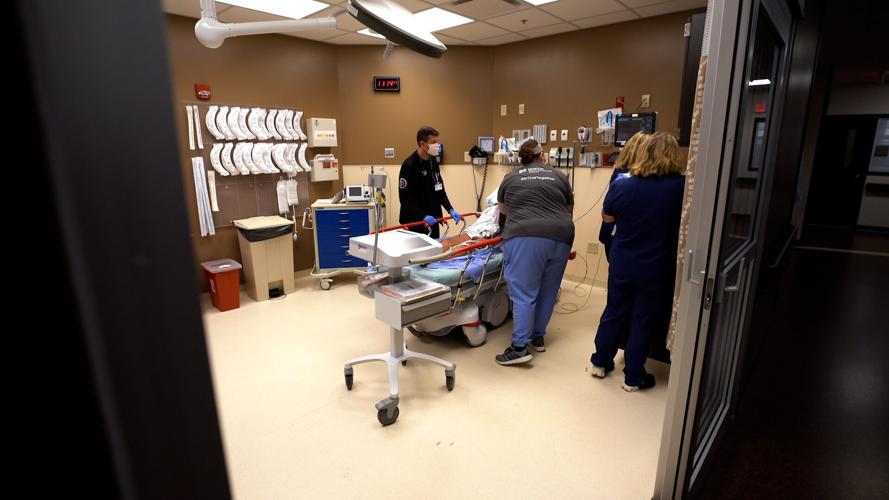
The hospital held a drill on Wednesday, going through the response to this kind of situation with a mock patient being treated as if she were a real patient. Norton Healthcare aims to do similar training and drills at each of its facilities, with three more scheduled this summer.
"We don't always see our patients afterwards, but when you're walking through a Walmart and somebody comes up and says 'Hey man, you saved my life because you flew me to Louisville because I was having a heart attack,' it is a proud moment,'" Stevens said.
The drills are part of the process for a hospital to be accredited with the American College of Cardiology Chest Pain Center. All four of Norton's hospitals have the accreditation at some level.
Copyright 2022 WDRB Media. All Rights Reserved.


