

LOUISVILLE, Ky. (WDRB) — An independent report found more than 300 Kentucky foster kids were forced to stay overnight in state office buildings, hotels, parks and more over 22-month period in an environment investigators called "rife with risks of sex trafficking, physical abuse, and other forms of abuse and negligence."
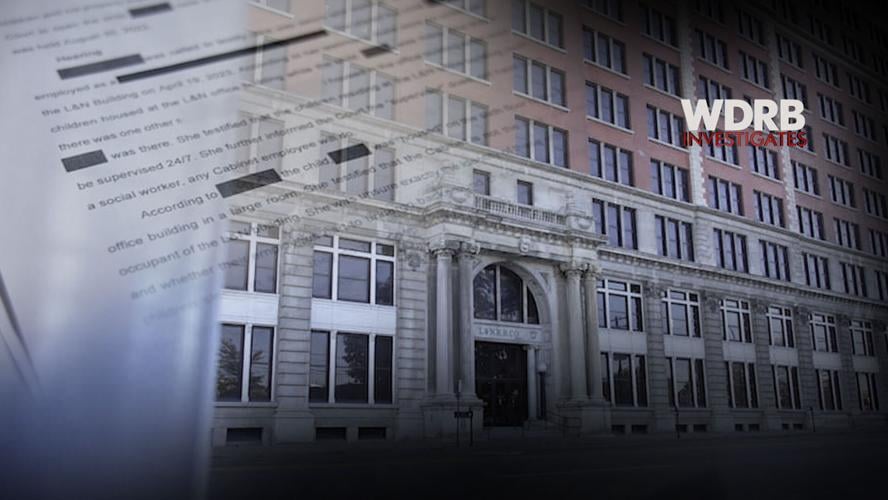
The nontraditional placements, or NTPs, date back to 2022 and were subject of a WDRB investigation which showed some foster kids were staying overnight in the L&N building on West Broadway in downtown Louisville. This new report, released Monday morning by the Commonwealth Office of the Ombudsman, accused the Cabinet for Health and Family Services of "continued housing of vulnerable Kentucky children in state office buildings and other non-family or non-therapeutic based environments, a practice continuing for years despite CHFS promises to fix the problem."
The year-long investigation found 304 placements between January 2023 and October 2024 — some for weeks at a time — broken down into the following places:
- 269 placements in CHFS Offices
- 17 placements in Hotels
- 16 placements in State Parks
- 11 placements in Hospitals (not admitted)
- 7 placements in Community Centers
- 1 placement in a Private Child Placing /Private Child Caring Office
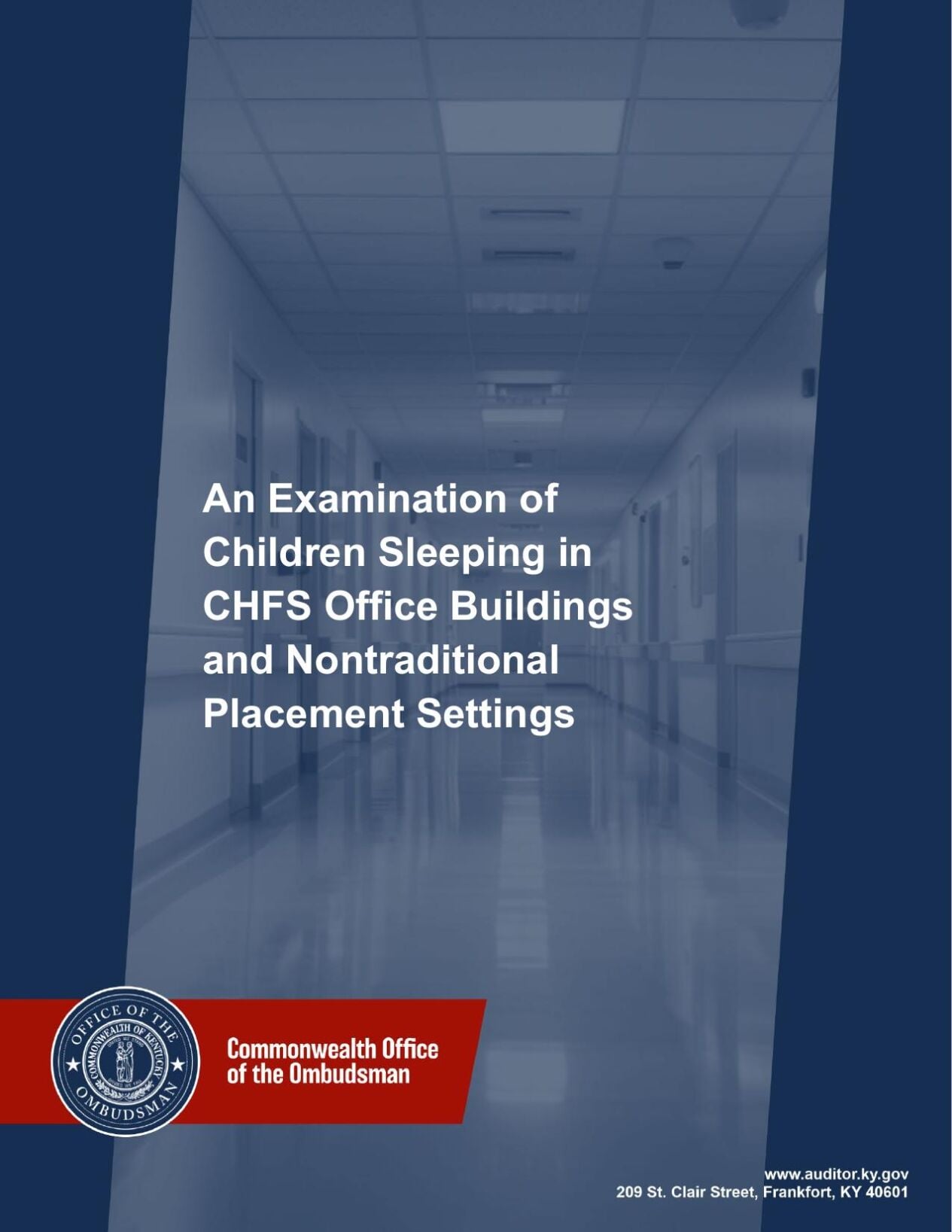
"Housing children in state offices is a terrible solution to a solvable problem," the report stated. "Yet, to the detriment of Kentucky's children, CHFS's promised solution remains undelivered."
And those placements had, in some cases, dire consequences, the report found. Here are a handful of the findings:
- At least one child legally in the care of the state reported that she was a victim of sex trafficking that occurred after she ran away from the location at which she was being housed.
- One child was forcefully slammed to the ground by a provider during an emergency placement by CHFS.
- One child who fled NTP was eventually located with a person wanted by law enforcement for murder.
- After fleeing NTP and considered missing for 264 days, one child died three weeks to the day of his 18th birthday.
- At least two children were placed for prolonged periods of time in out-of-state facilities with documented investigations and deficiencies concerning allegations of neglect, sexual misconduct by staff against residents, and the use of chemical injections as restraints, among others.
- As a means to occupy one child staying in an office building, a CHFS social worker provided them with a Ouija board despite this being in contradiction to her faith.
- Eighty-three children with suicidal thoughts and behaviors were housed in office buildings without psychiatric care, suicide-safe design, or trained clinical supervision.
- Consistent concerns about missed medicines, educational continuity, and a lack of suitable and appropriate therapies for children in state care arose in the course of this investigation.
- In 81.2% (247) of cases, medical care, medication management, continuation of therapy, and school attendance were not readily apparent for the time period when the child was housed in a nontraditional setting
"The lack of suitable and appropriate placement options has escalated into a crisis, forcing Kentucky to place children in settings that were never designed or intended for housing children," the report states.
The report exposed transparency issues, unreliable record-keeping and a lack of clear policies. It also claims CHFS attempted to limit access to information and often didn't cooperate or participate in the investigation, something Kentucky Auditor Allison Ball believes must change to solve the problem and protect Kentucky kids.
"They are the boots on the ground," she said Monday. "They are the ones that have to actually implement these things, so this works best when we do have good communication back and forth."
The state investigation recommended a slew of changes to fix the issues at CHFS, including:
- Create and publish a comprehensive plan that includes both short and long-term strategies to stabilize the current system, informed by a thorough needs assessment identifying capacity limitations to address the gaps in the state's continuum of care
- Develop formal regulations, policies, and standardized procedures governing all child placements not currently regulated
- Strengthen recruitment and retention of trauma-informed foster parents
- Facilitate the creation of an electronic system that would replace all or part of the current paper medical passport
- Develop a standardized NTP cost methodology that captures the full fiscal impact of each placement
- Provide children with clear timelines and daily updates regarding placement searches and anticipated moves to reduce uncertainty and anxiety
"We call upon CHFS leadership to look to those solutions and bring to finality the promise it made years ago to stop housing vulnerable abused, neglected, and dependent children in state office buildings," the report states.
How we got here
In July 2023, CHFS first made the public aware of these placements, saying nearly 90 Kentucky foster children have slept on cots in government buildings and showering at YMCAs that year after not being placed in the care they need.
CHFS said at the time the kids are the most severe cases in the foster system, predominantly teenage boys. But the reasons for lack of placement range from a history of violence or fighting to intellectual disabilities. The first cases of kids staying in a social worker's office started in rural communities in 2022. By summer 2023, it'd become a frequent alternative when there weren't enough psychiatric residential treatment facility beds or a facility turned a child away.
"It was a very shocking story that sent shockwaves throughout Kentucky," Ball said Monday.
By August 2024, the placements had continued. State data obtained in public records requests showed 144 children had spent at least one night at a hotel or state office space from July 2022 to July 2023. And from then until February 2024, 137 more kids stayed in those places for a night or more, amounting to 281 children in less than two years.
In Louisville, the L&N building downtown was one of the identified places.
"There's not a lot that surprises me just because I don't think the community at large understands the severity of the situation and the importance of it," Rep. Sarah Stalker, D-Louisville, said at the time. "So I think people have to get super creative because obviously if we cannot find a placement for a child, we need to make sure that their basic needs are being met."
Typically, there were one to three kids statewide at a time staying in a temporary situation overnight for one to two days, CHFS. The most the department said it tracked for one child was 17 consecutive nights.
And in February 2025, Sen. Danny Carroll, R-Benton, filed Senate Bill 111 after a preliminary report from the Kentucky Office of the Ombudsman found that dozens of foster children stayed in office buildings over a four-month period in 2024 because there was nowhere else for them to go. The bill proposed a new psychiatric youth facility with 16 beds and pushed for two new places to be built for young girls, in central and western Kentucky, with the possibility of a third in northern Kentucky. Each would cost an estimated $45 million, he said.
But the bill failed to gain much traction and never reached the full House or Senate.
This story will be updated.
Copyright 2026 WDRB Media. All Rights Reserved.