



LOUISVILLE, Ky. (WDRB) — As tensions flared in the Middle East earlier this week, a familiar face to Thunder Over Louisville viewers is offering his perspective from decades of experience in U.S. military operations.
Rob Givens, a retired U.S. Air Force officer and Louisville native, spent 27 years in the service, much of it as a pilot. He also served as director of operations for U.S. forces in the Middle East.
“I was director of the combine, their operations center,” Givens said. “So in other words, the director of ops for the Air Force in the Middle East.”
That background gives him unique insight into the escalating conflict with Iran and the U.S. On Monday, just hours before a ceasefire was announced, Iran launched a missile attack on Al Udeid Air Base in Qatar — a key U.S. military installation in the region.
“All the missiles were intercepted,” Givens said. “I don't have anything to verify that, but Iranian missiles may not have the precision that our weapons do. Most of the targets are pinpoint, so it would be hard to hit. From what I understand, the air defenses — from the Qataris and possibly ours — intercepted the missiles before they could impact.”
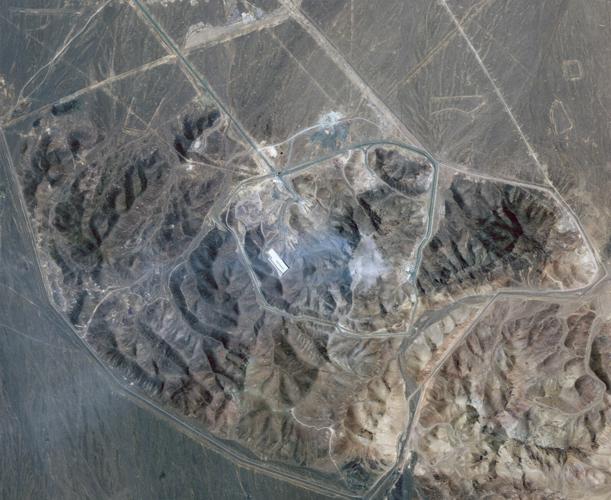
That strike came just days after a powerful U.S. response: the military dropped 14 bunker buster bombs on Iranian targets, followed by more than two dozen Tomahawk missiles aimed at dismantling Iran’s nuclear capabilities.
“If you look at the photos, everyone’s seen the three holes,” Givens said. “They probably put two in each hole. They burrow one after another — they train for it, they practice it. We’ve done it in the desert in Nevada, we’ve done it in Utah. Those guys are the best trained in the world with the best equipment.”
While the full extent of the damage is still being assessed, Givens believes the strikes hit their intended targets.
“I think we feel confident that we hit the targets we knew about,” he said. “The level of damage — we’re still trying to figure that out. We may not know publicly for some time. We get intelligence from all sources.”
For now, the skies above Iran and Israel are quiet. President Trump announced Monday evening both sides have agreed to a ceasefire.
As someone who served in multiple combat zones — from Desert Storm to Iraqi Freedom — Givens said he has mixed emotions about seeing U.S. troops heading back into harm’s way.
“I’ve spent about three and a half years in the Middle East,” Givens said. “I don’t really have a wish to go back. I don’t like the fact that there are people over there — who I probably helped train — that are involved in this to some degree. But at the same time, I’m an institutionalized American airman. If our forces are going in, I’d like to go with them.”
Even in retirement, Givens is keeping a close eye on developments in the region, especially since his son is a U.S. Marine.
It started in 1967 when Iran took control of a nuclear reactor in Tehran.
Related Stories:
Trump announces a ceasefire in Iran-Israel war; Iran to halt its fire if Israel stops its strikes
World waits for what's next after Iran retaliates with missile attack on US military base
Kentucky, Indiana leaders react to U.S. bombing 3 Iranian nuclear sites
Louisville protesters rally against US strikes on Iran nuclear sites
Copyright 2025 WDRB Media. All Rights Reserved.


