

LOUISVILLE, Ky. (WDRB) -- Mom-and-pop landlords who own only a few rental properties in Louisville are less likely to spend time and money evicting tenants than bigger, corporate landlords with lots of units.
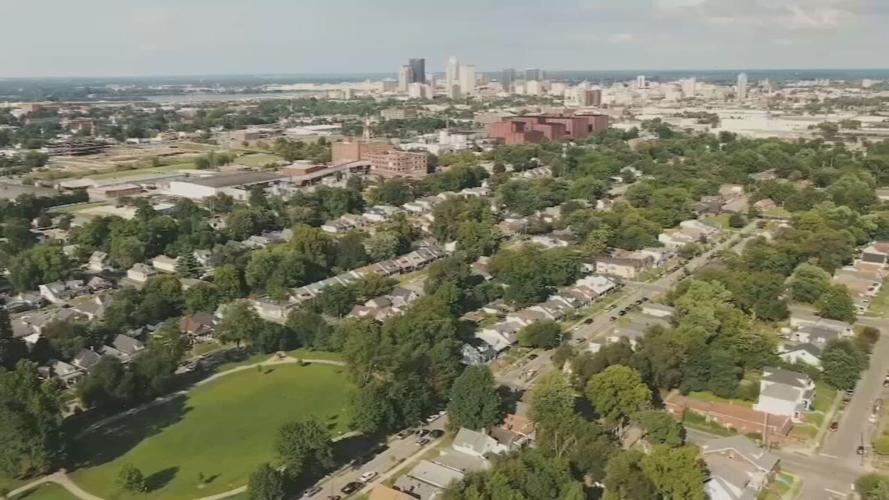
Meanwhile, eviction rates in southwest Jefferson County are nearly the same as in impoverished west Louisville, the area of the city with the most evictions.
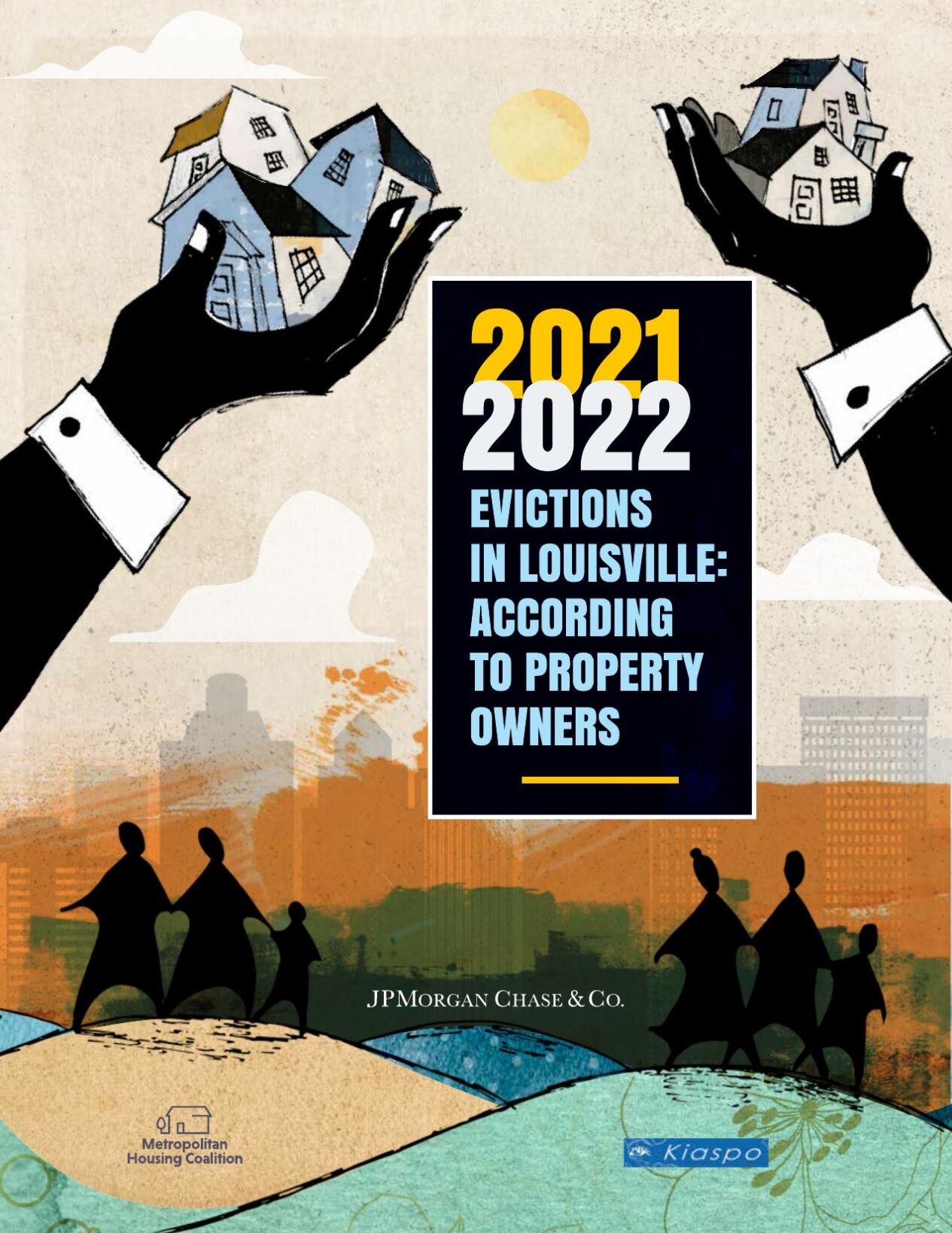
These are among the findings of a 219-page report from Louisville's Metropolitan Housing Coalition released Tuesday. The report — a partnership between MHC, JP Morgan Chase and Kiaspo — drew on interviews and surveys with landlords to help paint a better picture of the city's housing issues.
Through interviews with 11 landlords across Louisville and a survey with 207 responses, the report aims to give local and state lawmakers a clear picture of the "crisis" facing people in the city.
"Louisville was experiencing an eviction crisis in a pre-pandemic world and the issue only grew to affect more families in our community," Tony Curtis, executive director of MHC, said in a news release Tuesday. "This report magnifies the issue even further than previous Metropolitan Housing Coalition reports, by understanding landlord motivations through a survey of and interviews with landlords."
In 2018, a WDRB report detailed how out-of-state investors had spent the previous three years purchasing more than 400 single-family homes in middle-income areas of Jefferson County, largely in a swath spanning from Pleasure Ridge Park to Jeffersontown. Institutional landlords — including New York financial firms like Luxor and a publicly traded company in the U.S. Virgin Islands — are increasingly snapping up nondescript two- and three-bedroom homes in Louisville and renting them.
Rising eviction rates
The highest eviction rate was found in what the report deemed the "West Metro," which is an area west of Interstate 65 and inside Interstate 264:
- West Metro: 6.8%
- Southwest Metro: 5.2%
- South-Central Metro: 5.1%
- Southeast Metro: 3.8%
- Downtown-East Core: 2.7%
- East Metro: 2.1%
The report says nearly 70% of property owners strongly agree they would rather avoid eviction, with almost 80% asserting they provide tenants with multiple opportunities to avoid it. During the anonymous interviews, one landlord said:
For those landlords, it's harder to make up lost rent, many stating the main reason for eviction is missed payments. In a number of interview responses, landlords pointed out they have their own bills to pay and families to care for and feel the eviction moratorium and other leniencies for tenants during the pandemic didn't consider their needs.
"I think it's important for us to remember that the vast majority of landlords in the Louisville area are landlords with smaller portfolios," said Marilyn Harris, the director of Develop Louisville who also serves on the MHC board.
Many won't be surprised by the struggles in west Louisville, but the authors of the report found southwest Louisville's eviction rate noteworthy.
"While the concentration of high eviction rates in the northwest part of Louisville Metro is nothing new to those familiar with Louisville, it is noteworthy that the southwestern part of Louisville Metro is nearly indistinguishable from its northwestern counterpart," the report says.
"The eviction rate in Louisville is a crisis affecting small businesses and families alike, and we have a role to play in finding solutions to this challenge," Paul Costel, region manager for JPMorgan Chase in Kentucky, said in a news release Tuesday.
Harris said the findings weren't particularly different than the data assembled the last few years of eviction court proceedings.
"I think we generally get the idea that landlords are big corporate landlords," Harris said. "And I think this report shows that is not necessarily the case, that the vast majority of the landlords in our community are smaller and really doing it as a way to invest their income to create financial stability for their families."
Copyright 2022 WDRB Media. All Rights Reserved.


