


LOUISVILLE, Ky. (WDRB) -- Hours after the U.S. Supreme Court voted to overturn Roe v. Wade, hundreds of people took to the streets of downtown Louisville to protest the decision.
Friday's ruling strips away the nation's constitutional protections for abortion that stood for nearly a half-century, given to Americans by the court's landmark Roe v. Wade decision in 1973, returning the power back to the states to decide whether or not abortion should be legal.
Charles Booker at the mic with his oldest daughter standing behind him. He said this goes beyond the issue of just abortion. It is a matter of humanity and politicians trying to take rights away. pic.twitter.com/Yc65lTkYz6
— Katrina Nickell WDRB (@knickelltv) June 24, 2022
Hours after the decision, feelings of outrage, frustration and disappointment filled the space in front of the Gene Snyder Courthouse on Broadway in downtown Louisville where hundreds of people gathered in protest.
Politicians and representatives with the American Civil Liberties Union (ACLU) and Planned Parenthood spoke at the rally in front of the city's federal courthouse.
Some of those running for office spoke, including Charles Booker, Craig Greenberg and Morgan McGarvey. Many of them encouraged the crowd to vote blue this November, since the decision of abortions will now be left to the state to decide. Louisville Metro Council was also represented, with appearances by David James, Cassie Chambers Armstrong and Bill Hollander.
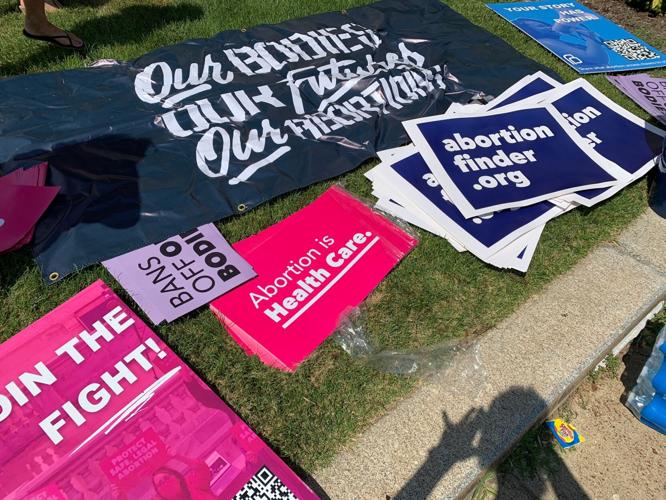
The crowd had a message: "bans off our bodies," which they took to the streets, marching down the sidewalks along Broadway and down onto 5th Street which was closed when some started interfering with traffic.
The march ended on Jefferson Street, which was blocked off, in front of Metro Hall where a second rally took place.
@MorganMcGarvey now speaking. “I can’t believe my daughters have fewer rights than their grandmothers did.” pic.twitter.com/4Nx4Ob426G
— Katrina Nickell WDRB (@knickelltv) June 24, 2022
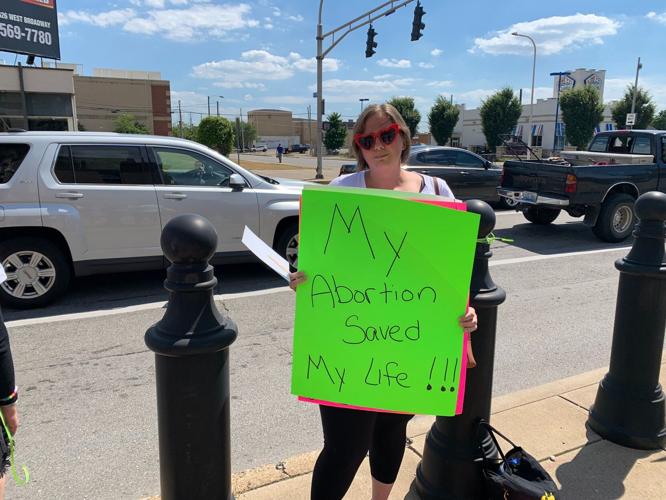
Among those protesting on Friday was a woman who said the decision hit home personally.
"I had an abortion back in the 70s when it had just been passed, Roe v. Wade," Shelley Chapman said. "I can't believe I'm here fighting again for a right we had for 50 years. I'm angry, I'm extremely sad about this."
Shelley told WDRB News she was in college when she got pregnant.
"I don't know, as a young college student who was using birth control and got pregnant and would not have been able to pursue my master's degree, I don't know what I would have done."
"They say no choice? We say pro-choice," the crowd chanted.
The group is now marching to Metro Hall. pic.twitter.com/rJ5BCHb0I7
— Katrina Nickell WDRB (@knickelltv) June 24, 2022
When asked what it was like going through the abortion experience in the 70s, Shelley said it was new.
"It was so new that they still didn't have a big infrastructure, so even with that it was a bit scary, but I was sure that's what I wanted to do," she said.
"The people united will never be divided," people repeated in the crowd.
"I'm here to get active. I'm now retired, so if I have to get arrested to protest or whatever I have to do, now that I have the time I intend to do that," Shelley said.
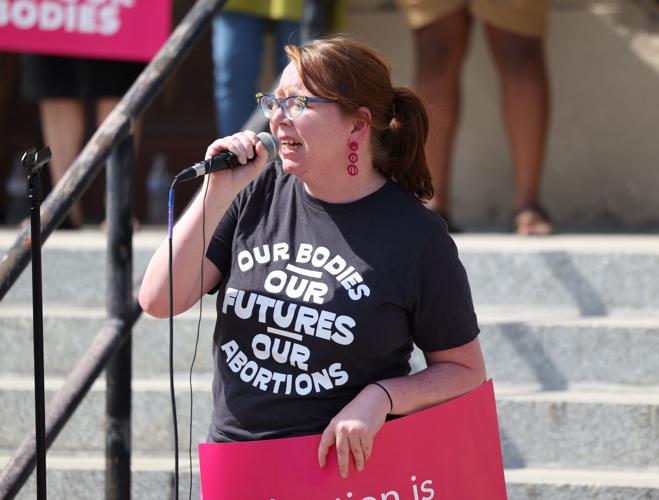
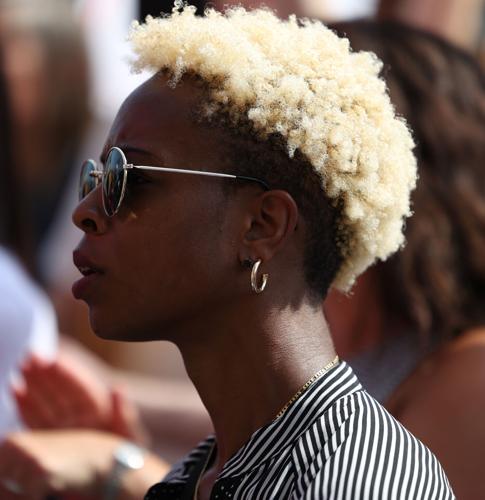
IMAGES | Rally held in downtown Louisville after Supreme Court abortion decision
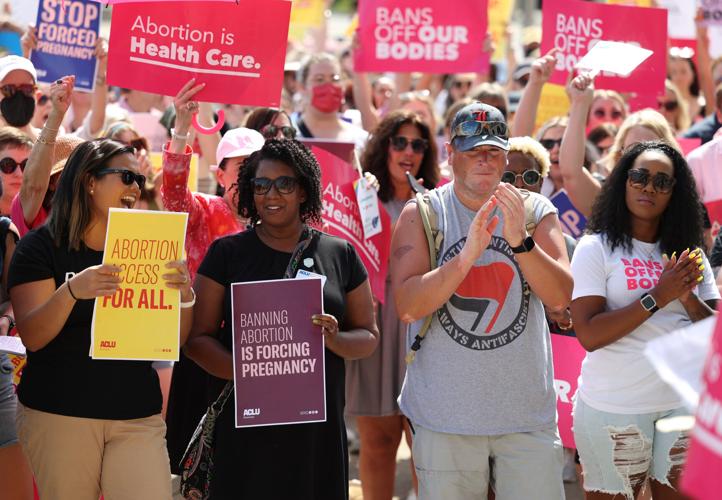
People hold signs at a rally held by ACLU of Kentucky and Planned Parenthood in downtown Louisville on June 24, 2022.
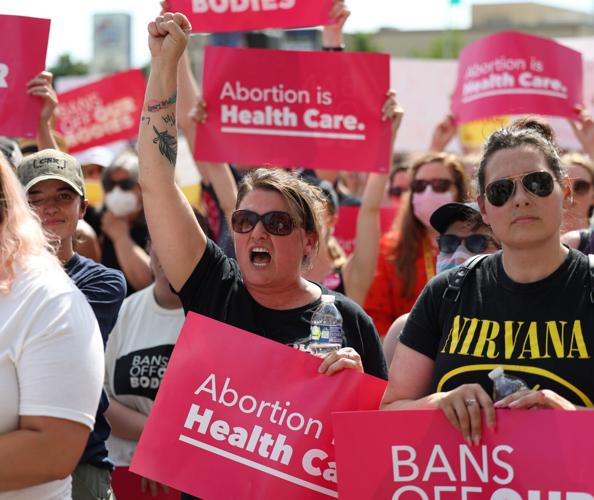
People hold signs at a rally held by ACLU of Kentucky and Planned Parenthood in downtown Louisville on June 24, 2022.
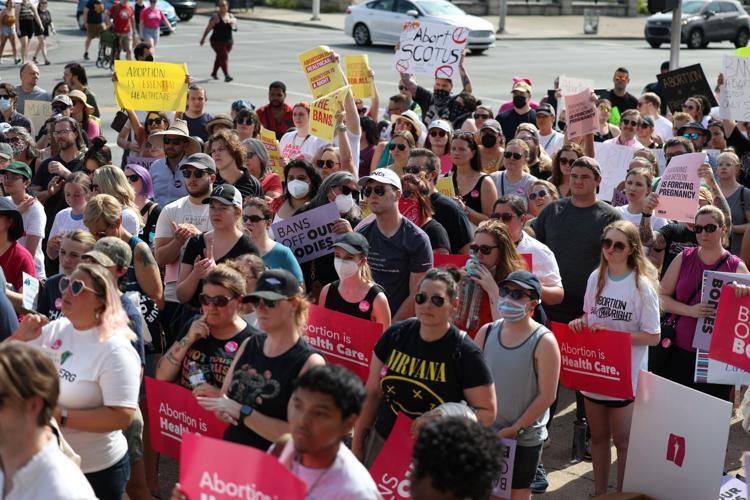
People hold signs at a rally held by ACLU of Kentucky and Planned Parenthood in downtown Louisville on June 24, 2022.
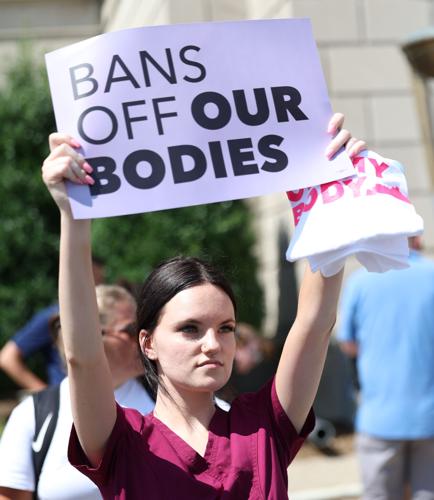
People hold signs at a rally held by ACLU of Kentucky and Planned Parenthood in downtown Louisville on June 24, 2022.
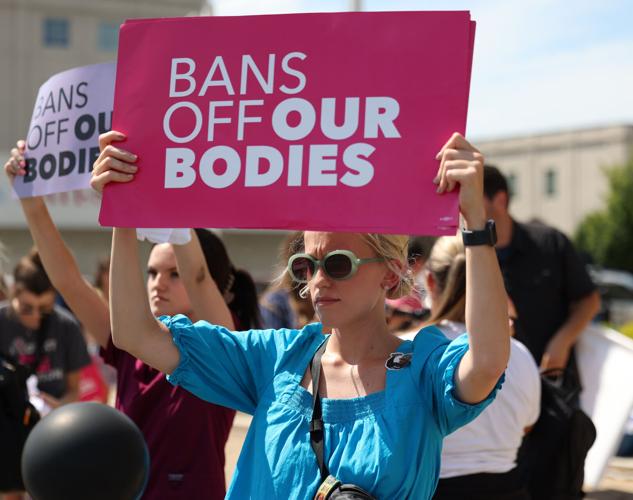
People hold signs at a rally held by ACLU of Kentucky and Planned Parenthood in downtown Louisville on June 24, 2022.
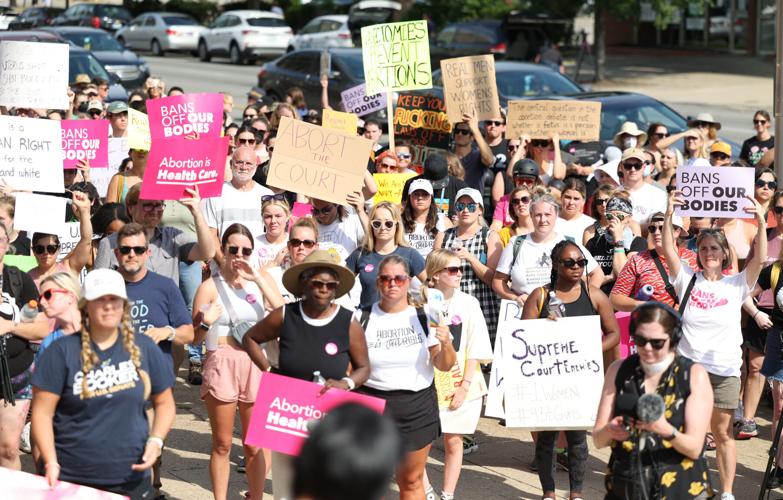
People hold signs at a rally held by ACLU of Kentucky and Planned Parenthood in downtown Louisville on June 24, 2022.
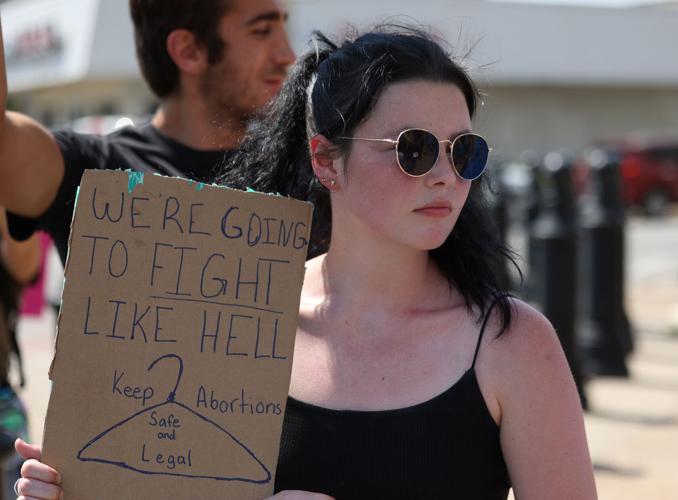
People hold signs at a rally held by ACLU of Kentucky and Planned Parenthood in downtown Louisville on June 24, 2022.
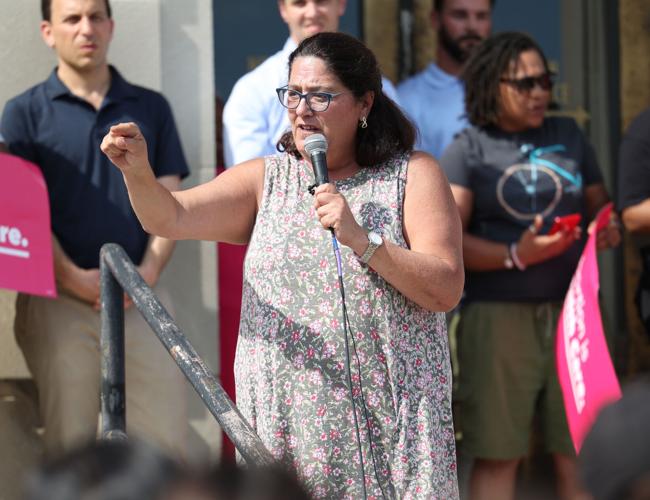
Dr. Karen Berg, State Senator for District 26 in Kentucky, speaks during an abortion rally on June 24, 2022.
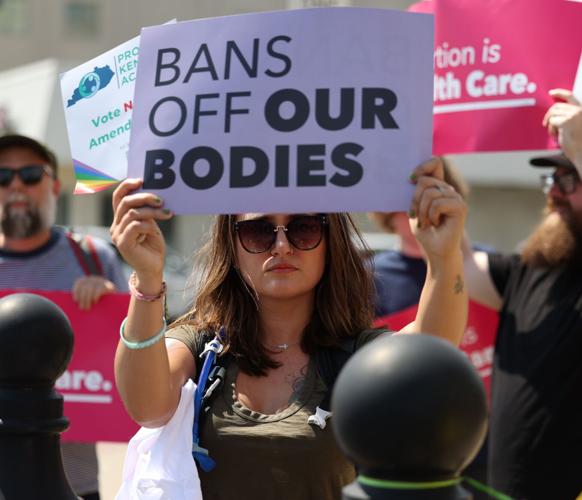
People hold signs at a rally held by ACLU of Kentucky and Planned Parenthood in downtown Louisville on June 24, 2022.
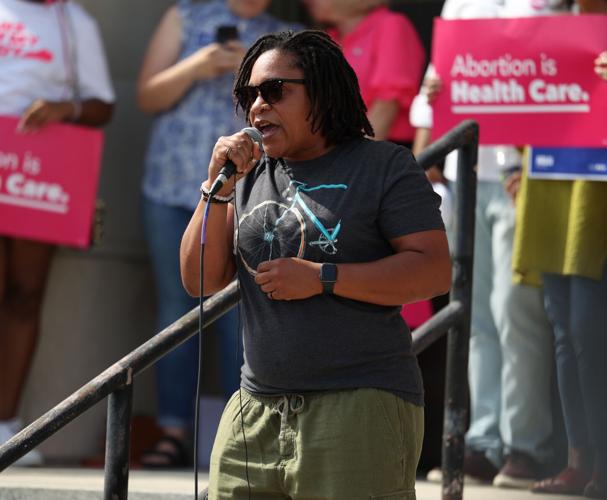
Rep. Keturah Herron speaks at an abortion rally in downtown Louisville on June 24, 2022.
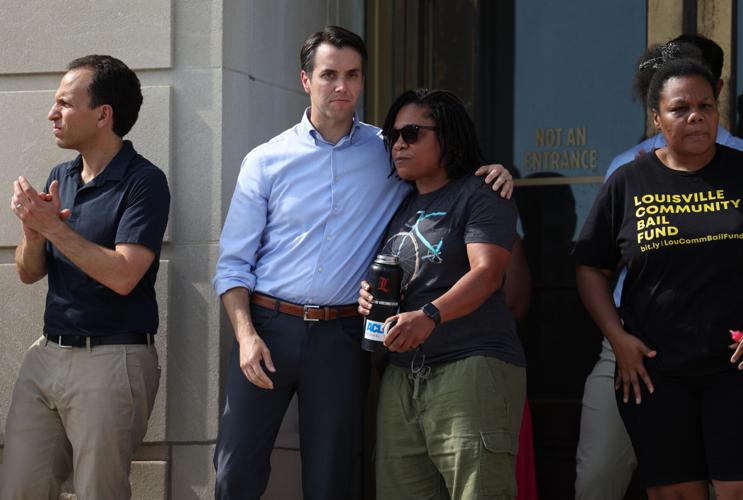
Kentucky State Sen. Morgan McGarvey and Rep. Keturah Herron embrace at an abortion rally in downtown Louisville on June 24, 2022.
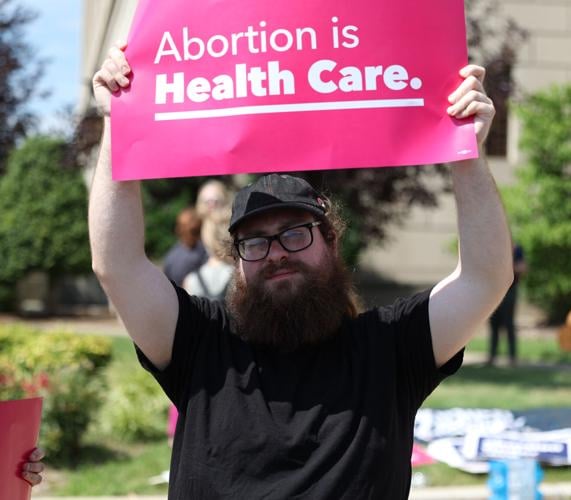
People hold signs at a rally held by ACLU of Kentucky and Planned Parenthood in downtown Louisville on June 24, 2022.
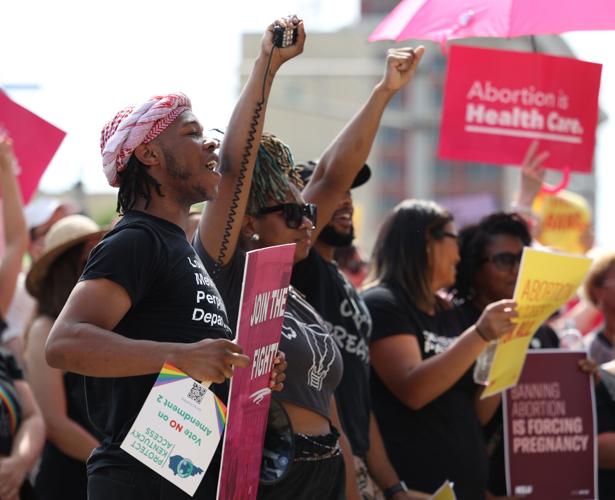
People hold signs at a rally held by ACLU of Kentucky and Planned Parenthood in downtown Louisville on June 24, 2022.
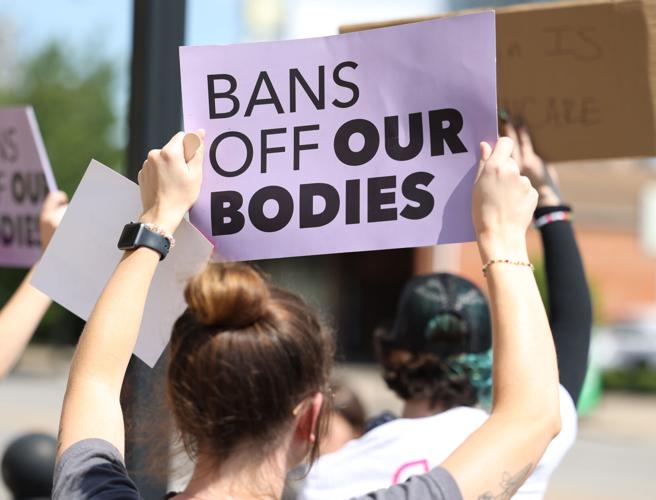
People hold signs at a rally held by ACLU of Kentucky and Planned Parenthood in downtown Louisville on June 24, 2022.
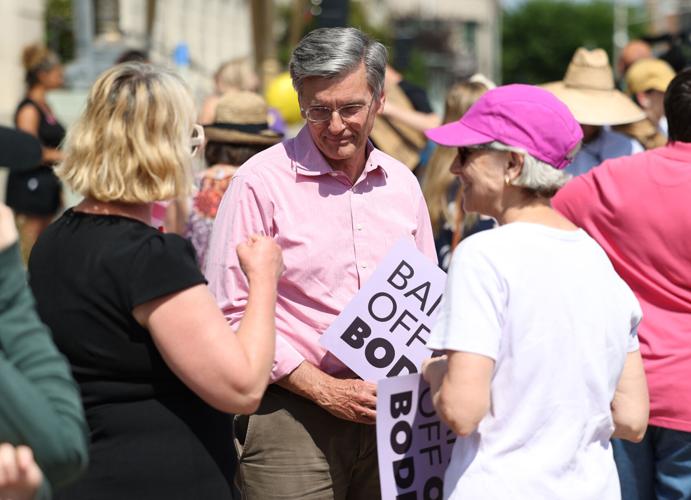
Metro Council member Bill Hollander at a rally held by ACLU of Kentucky and Planned Parenthood in downtown Louisville on June 24, 2022.
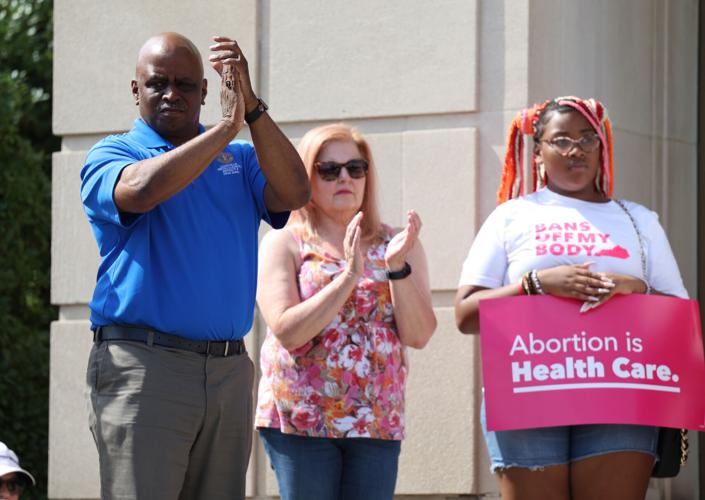
Louisville Metro Council President David James claps during an abortion rally in downtown Louisville on June 24, 2022.
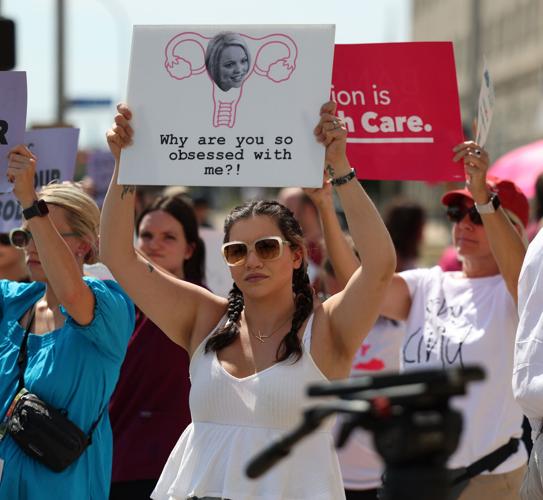
People hold signs at a rally held by ACLU of Kentucky and Planned Parenthood in downtown Louisville on June 24, 2022.
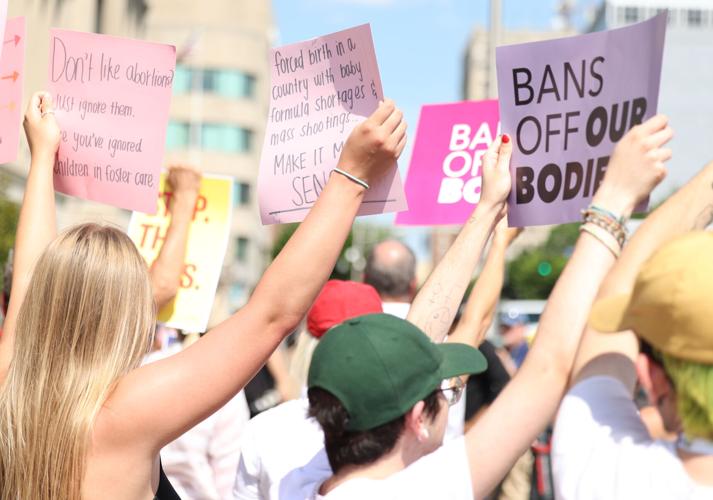
People hold signs at a rally held by ACLU of Kentucky and Planned Parenthood in downtown Louisville on June 24, 2022.
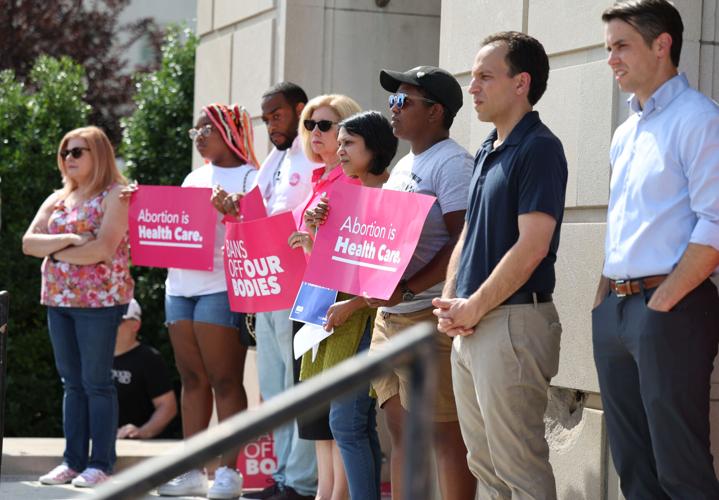
Elected officials stand together at an abortion rally in downtown Louisville on June 24, 2022.
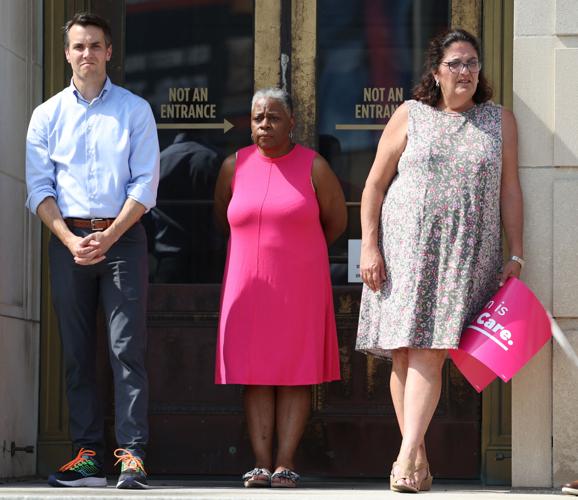
Morgan McGarvey, Pamela Stevenson and Dr. Karen Berg stand together at an abortion rally in downtown Louisville on June 24, 2022.
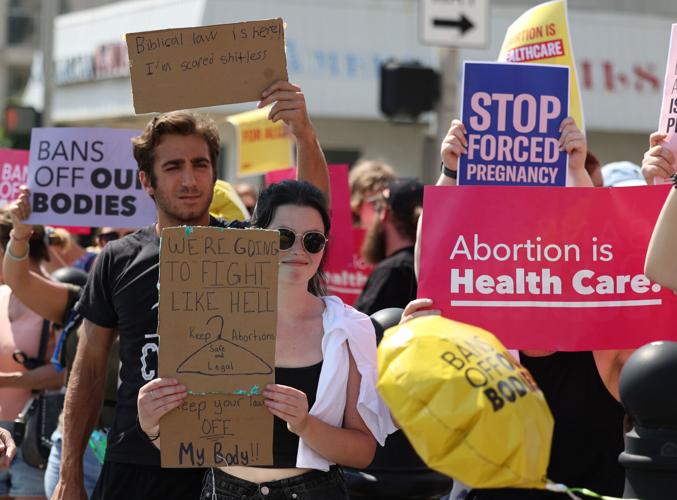
People hold signs at a rally held by ACLU of Kentucky and Planned Parenthood in downtown Louisville on June 24, 2022.
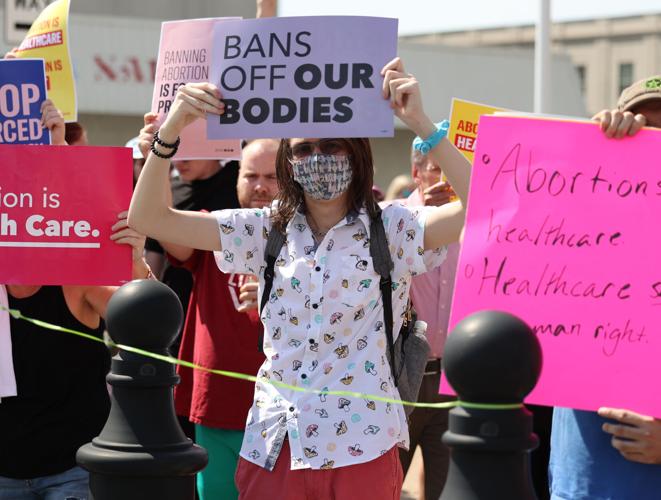
People hold signs at a rally held by ACLU of Kentucky and Planned Parenthood in downtown Louisville on June 24, 2022.
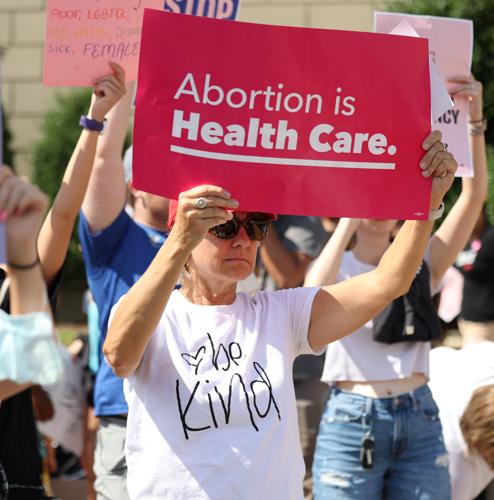
People hold signs at a rally held by ACLU of Kentucky and Planned Parenthood in downtown Louisville on June 24, 2022.
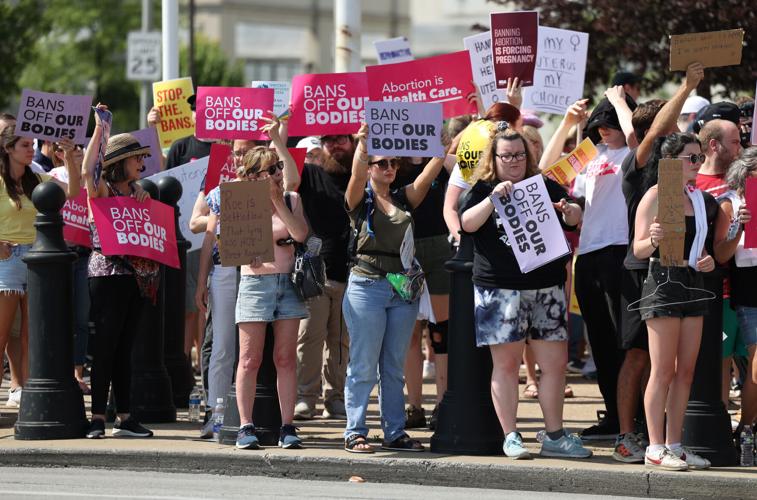
People hold signs at a rally held by ACLU of Kentucky and Planned Parenthood in downtown Louisville on June 24, 2022.
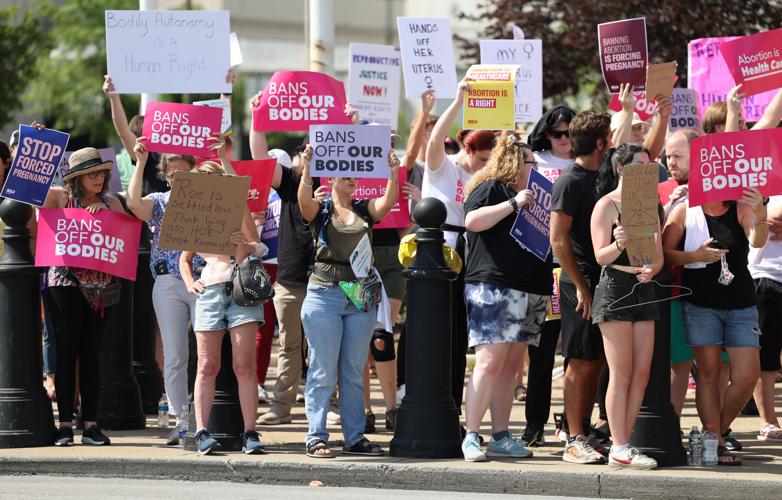
People hold signs at a rally held by ACLU of Kentucky and Planned Parenthood in downtown Louisville on June 24, 2022.
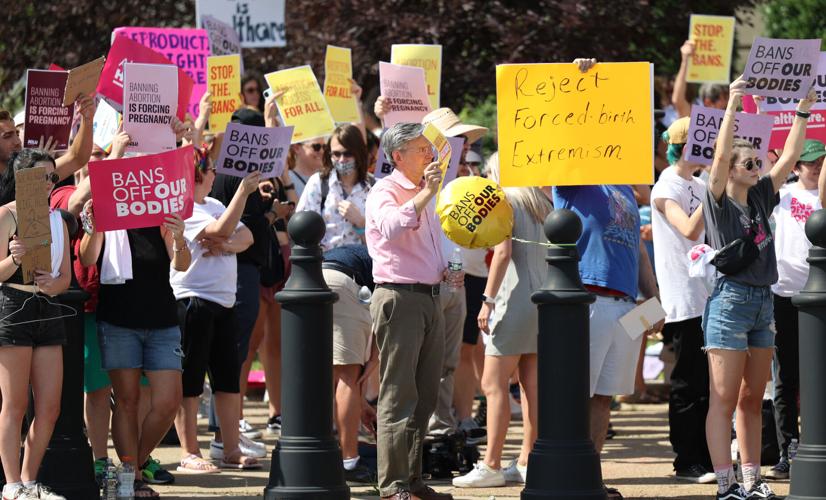
People hold signs at a rally held by ACLU of Kentucky and Planned Parenthood in downtown Louisville on June 24, 2022.
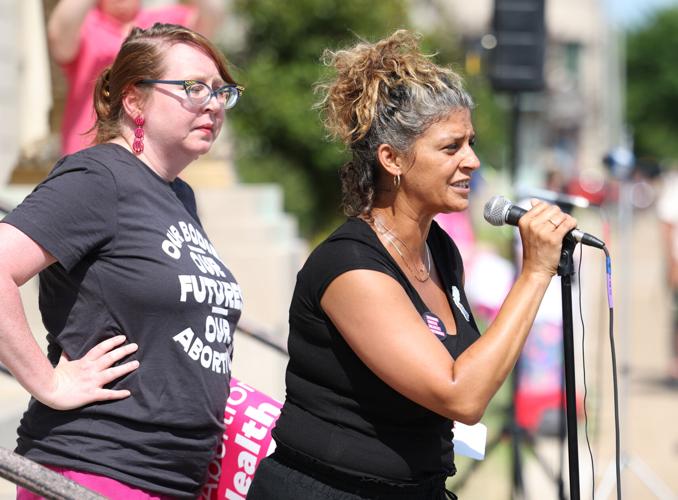
Jackie McGranahan, ACLU of Kentucky, speaks on June 24, 2022.
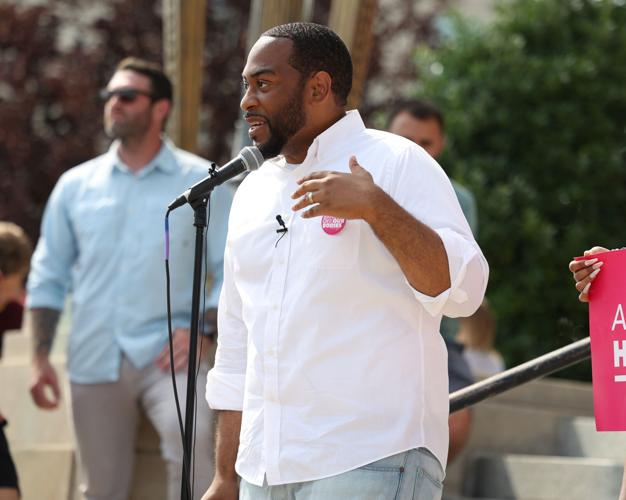
Democrat Charles Booker, a candidate for U.S. Senate in Kentucky, speaks at an abortion rally in downtown Louisville on June 24, 2022.
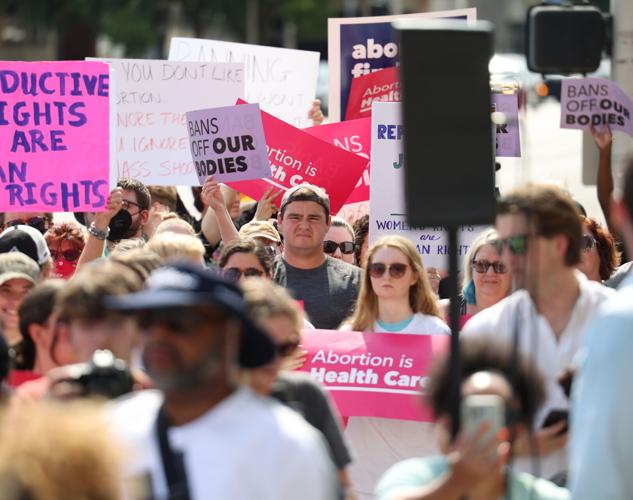
People hold signs at a rally held by ACLU of Kentucky and Planned Parenthood in downtown Louisville on June 24, 2022.
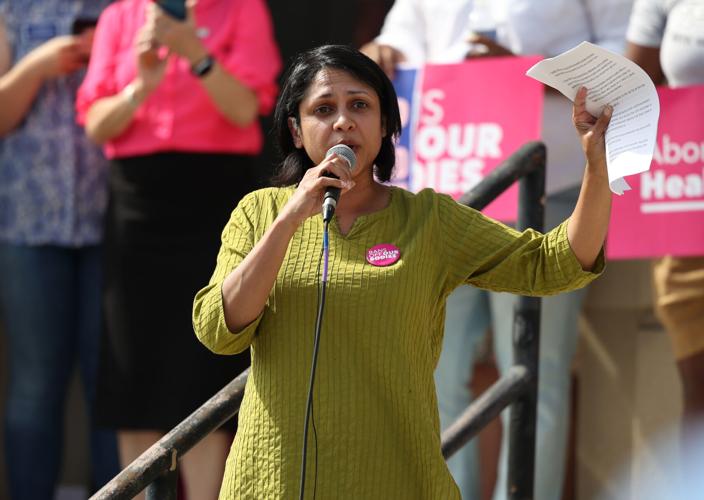
Rep. Nima Kulkarni speaks at an abortion rally in downtown Louisville on June 24, 2022.
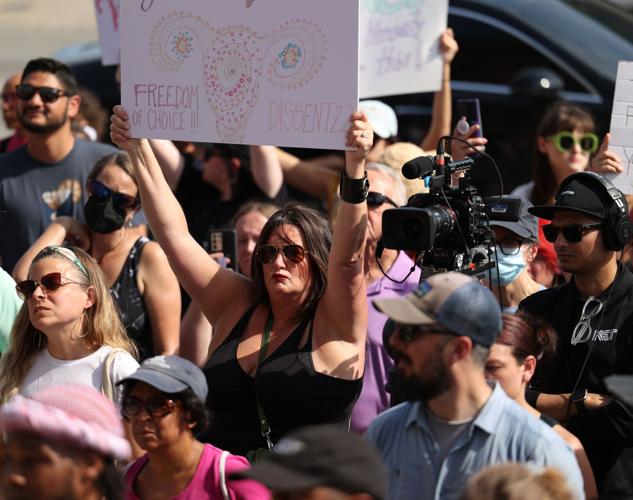
People hold signs at a rally held by ACLU of Kentucky and Planned Parenthood in downtown Louisville on June 24, 2022.
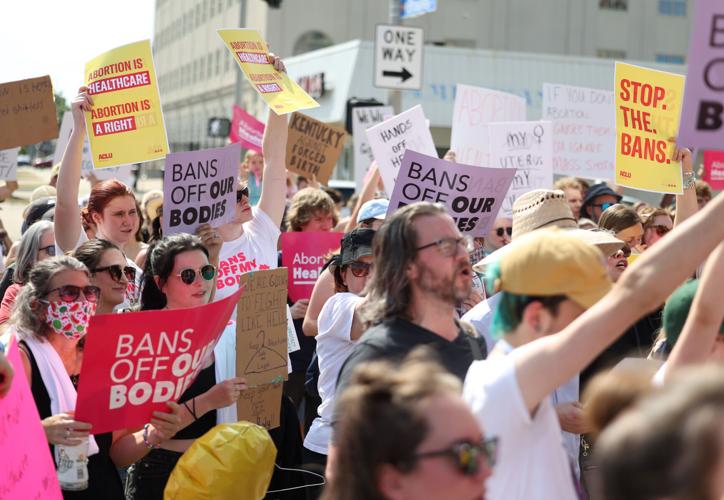
People hold signs at a rally held by ACLU of Kentucky and Planned Parenthood in downtown Louisville on June 24, 2022.
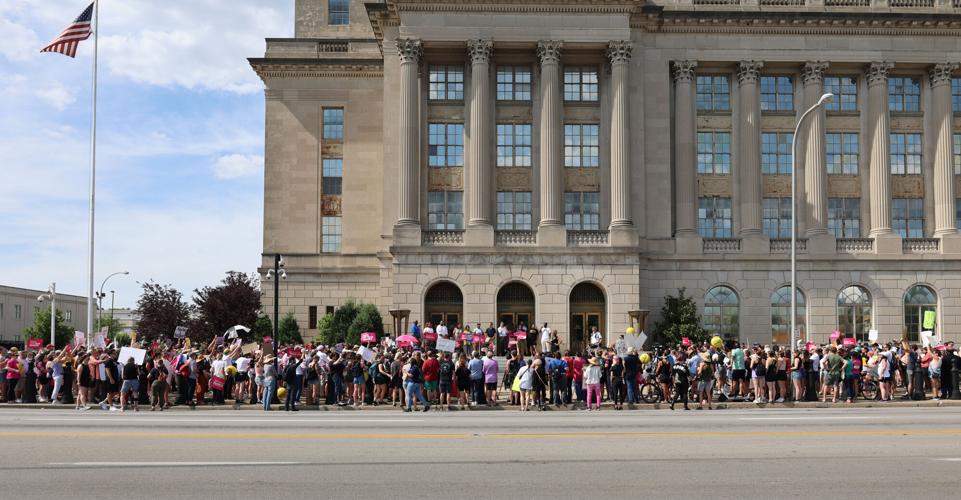
People hold signs at a rally held by ACLU of Kentucky and Planned Parenthood in downtown Louisville on June 24, 2022.
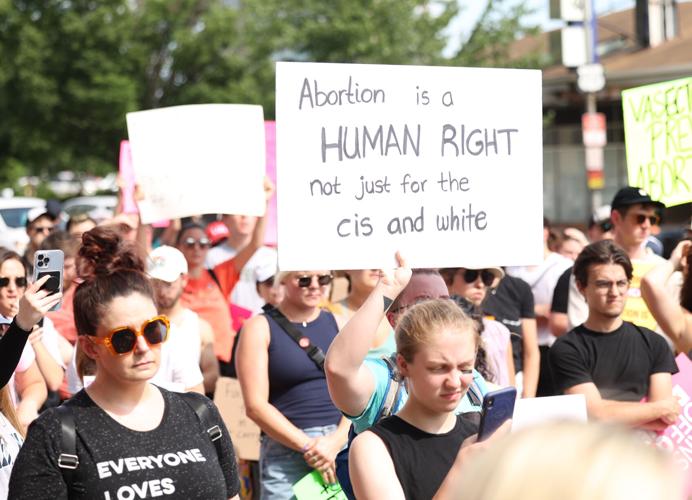
People hold signs at a rally held by ACLU of Kentucky and Planned Parenthood in downtown Louisville on June 24, 2022.
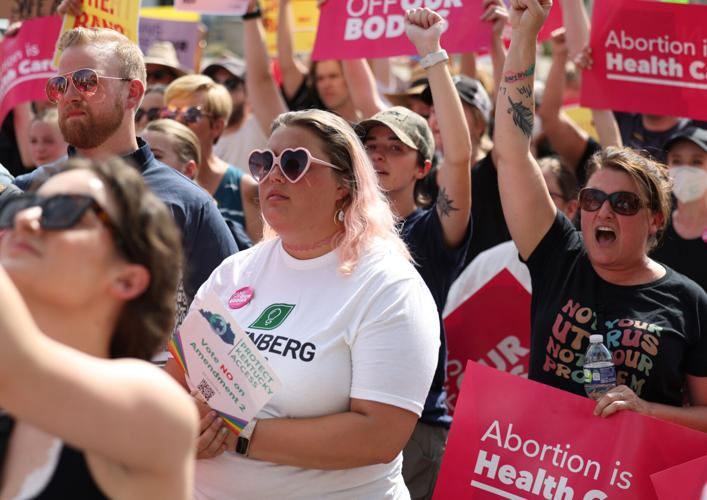
People hold signs at a rally held by ACLU of Kentucky and Planned Parenthood in downtown Louisville on June 24, 2022.
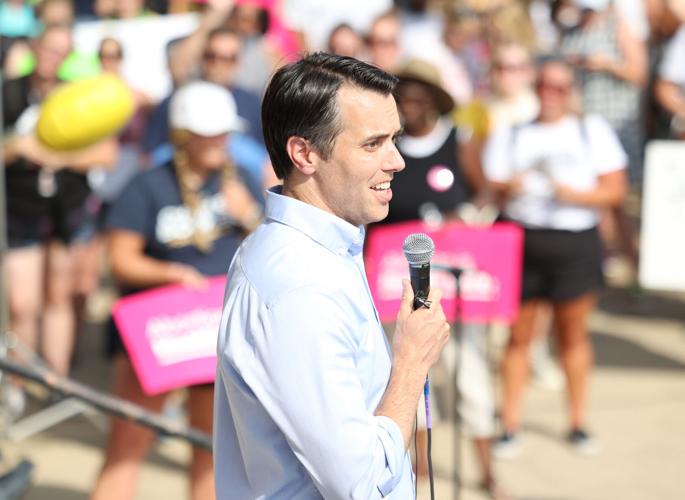
Kentucky State Senator Morgan McGarvey speaks at an abortion rally on June 24, 2022.
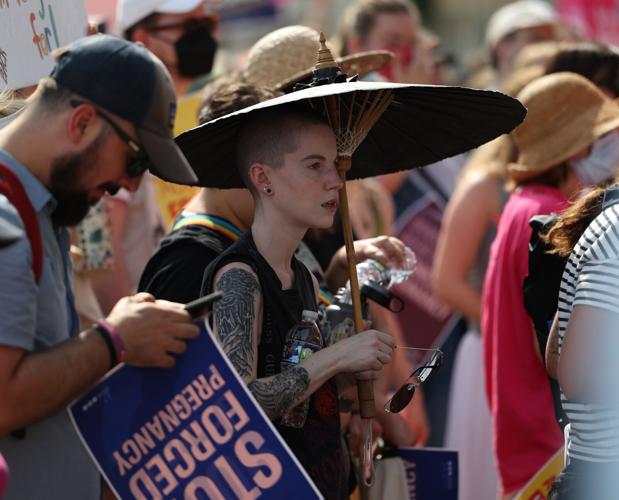
People hold signs at a rally held by ACLU of Kentucky and Planned Parenthood in downtown Louisville on June 24, 2022.
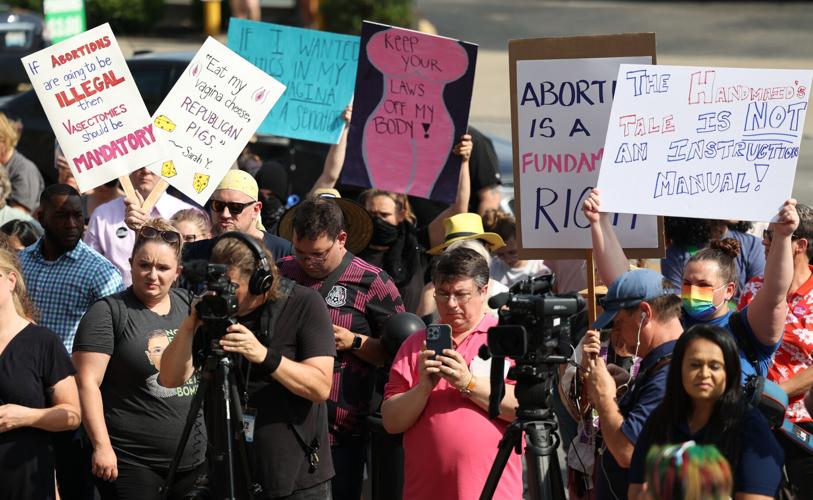
People hold signs at a rally held by ACLU of Kentucky and Planned Parenthood in downtown Louisville on June 24, 2022.
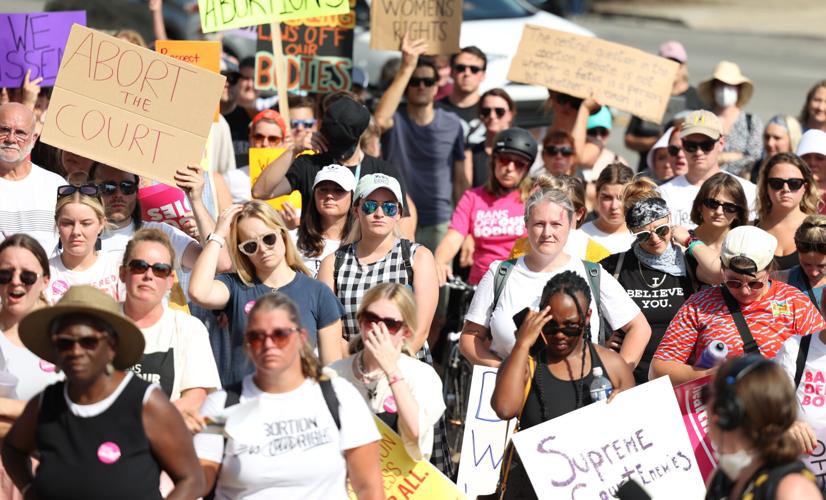
People hold signs at a rally held by ACLU of Kentucky and Planned Parenthood in downtown Louisville on June 24, 2022.
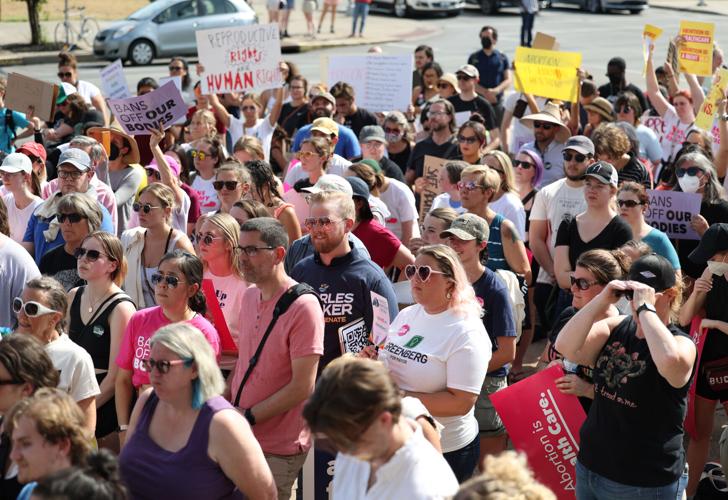
People hold signs at a rally held by ACLU of Kentucky and Planned Parenthood in downtown Louisville on June 24, 2022.
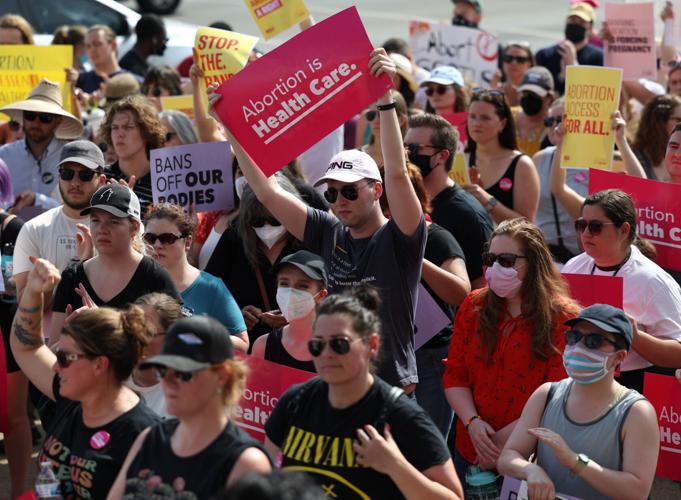
People hold signs at a rally held by ACLU of Kentucky and Planned Parenthood in downtown Louisville on June 24, 2022.
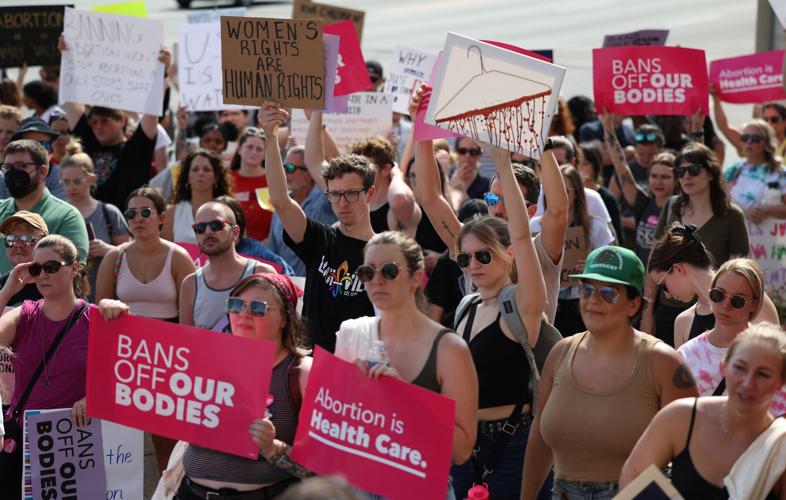
People hold signs at a rally held by ACLU of Kentucky and Planned Parenthood in downtown Louisville on June 24, 2022.
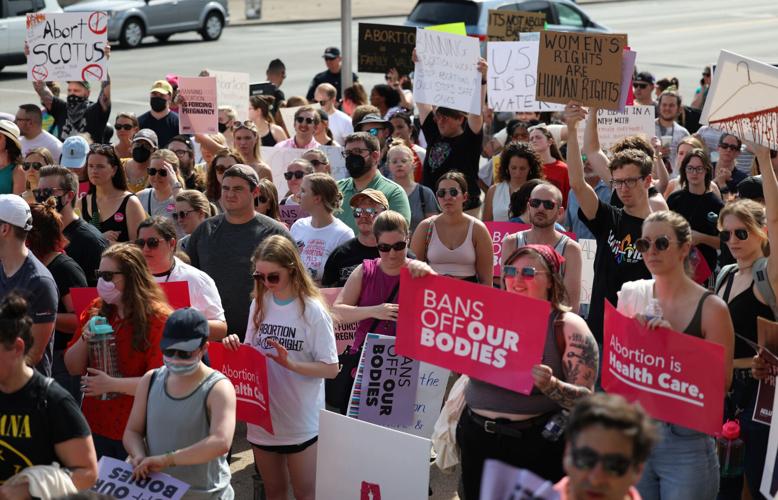
People hold signs at a rally held by ACLU of Kentucky and Planned Parenthood in downtown Louisville on June 24, 2022.
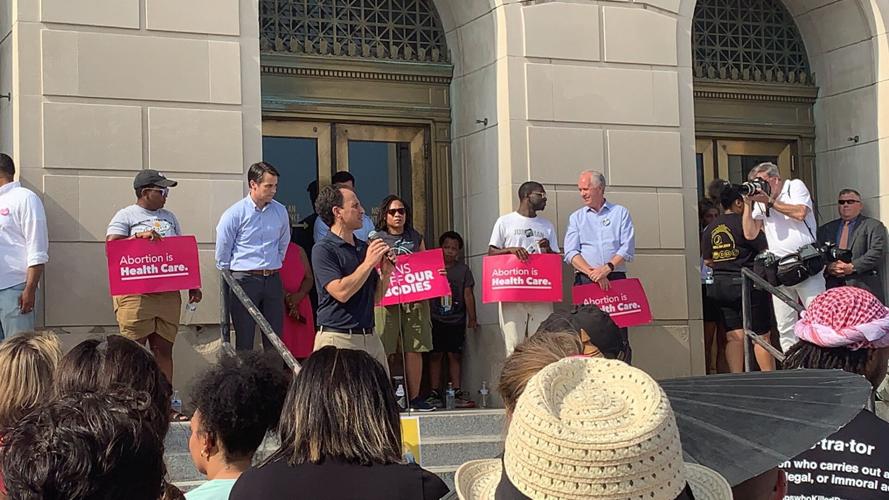
Pro-choice advocates protested outside the Gene Snyder Courthouse in downtown Louisville on Friday, June 24, 2022 in response to the Supreme Court overturning Roe v. Wade. (WDRB photo)
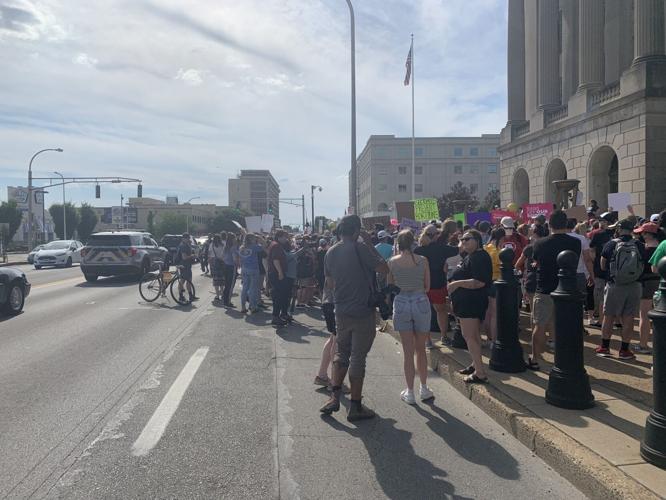
Pro-choice advocates protested outside the Gene Snyder Courthouse in downtown Louisville on Friday, June 24, 2022 in response to the Supreme Court overturning Roe v. Wade. (WDRB photo)
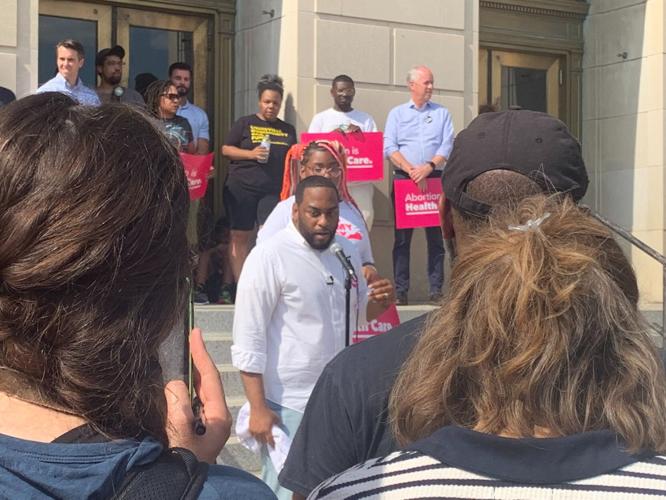
Pro-choice advocates protested outside the Gene Snyder Courthouse in downtown Louisville on Friday, June 24, 2022 in response to the Supreme Court overturning Roe v. Wade. (WDRB photo)
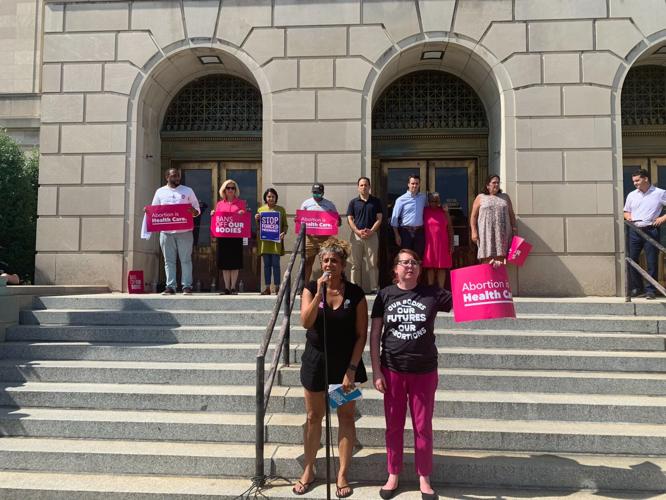
Pro-choice advocates protested outside the Gene Snyder Courthouse in downtown Louisville on Friday, June 24, 2022 in response to the Supreme Court overturning Roe v. Wade. (WDRB photo)
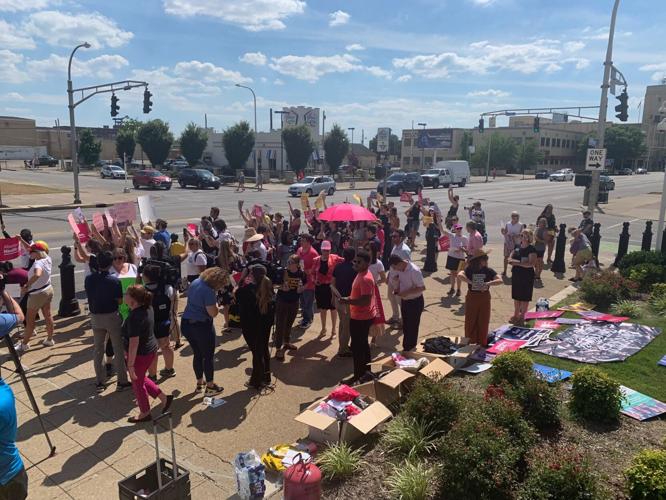
Pro-choice advocates protested outside the Gene Snyder Courthouse in downtown Louisville on Friday, June 24, 2022 in response to the Supreme Court overturning Roe v. Wade. (WDRB photo)
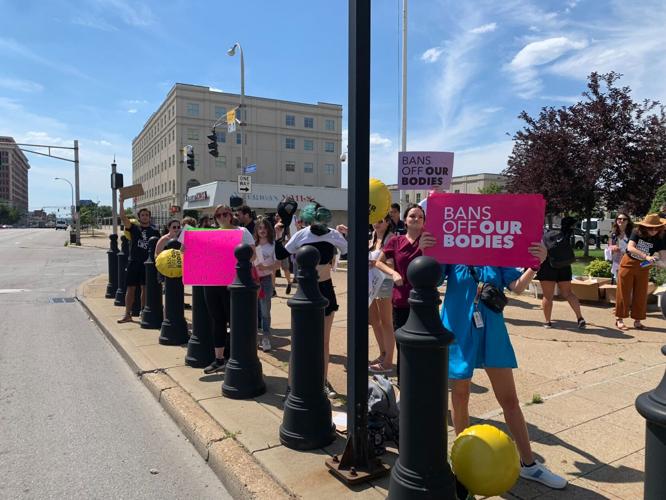
Pro-choice advocates protested outside the Gene Snyder Courthouse in downtown Louisville on Friday, June 24, 2022 in response to the Supreme Court overturning Roe v. Wade. (WDRB photo)
Pro-choice advocates protested outside the Gene Snyder Courthouse in downtown Louisville on Friday, June 24, 2022 in response to the Supreme Court overturning Roe v. Wade. (WDRB photo)
Pro-choice advocates protested outside the Gene Snyder Courthouse in downtown Louisville on Friday, June 24, 2022 in response to the Supreme Court overturning Roe v. Wade. (WDRB photo)
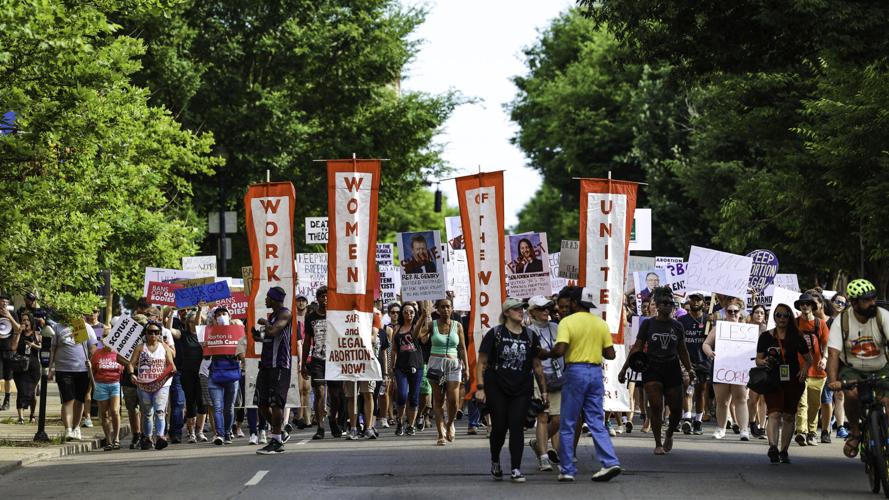
Abortion rights protesters march through downtown Louisville on the day the Supreme Court overturned Roe v. Wade.
- Eric Crawford
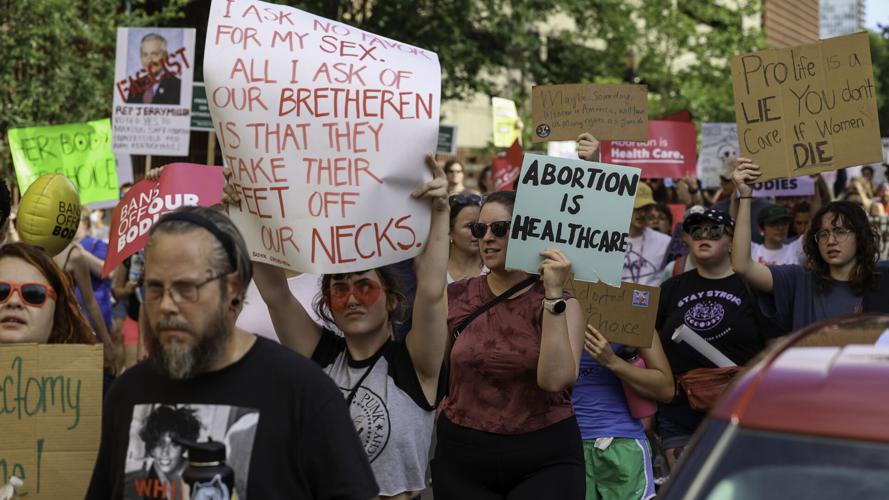
Abortion rights protesters march through downtown Louisville on the day the Supreme Court overturned Roe v. Wade.
- Eric Crawford
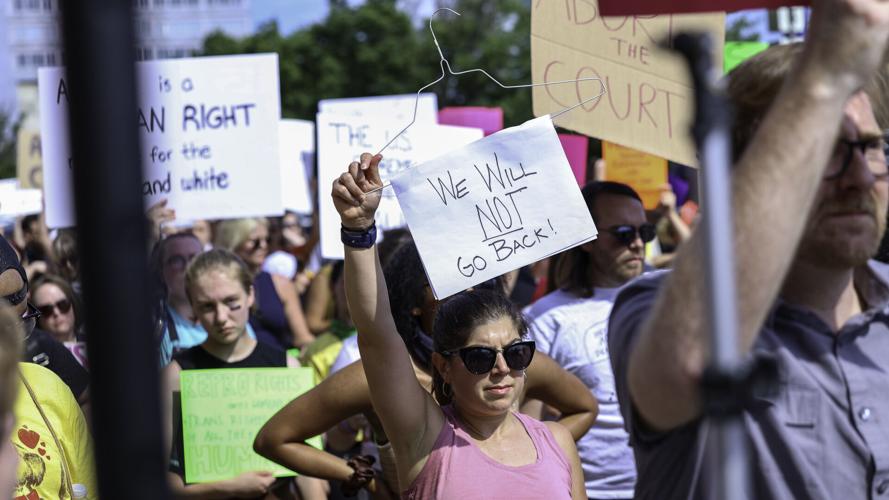
Abortion rights protesters in downtown Louisville rallied against the Supreme Court decision to overturn Roe v. Wade on June 24, 2022.
- Eric Crawford
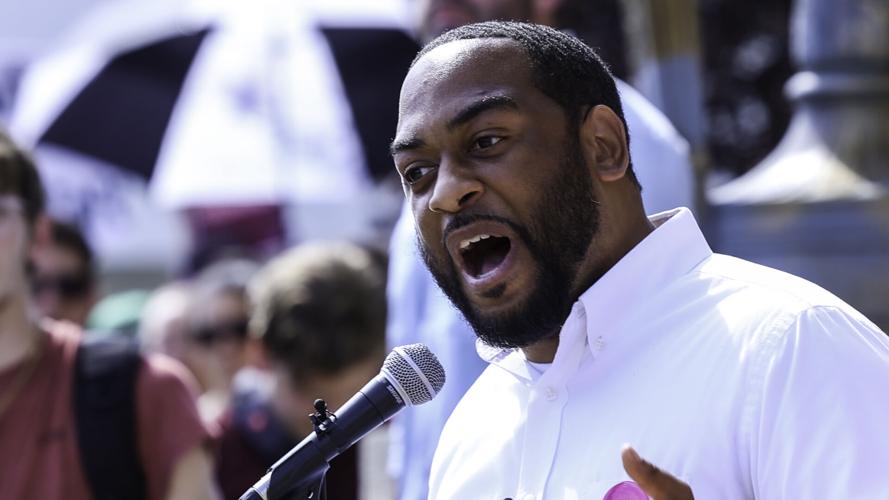
U.S. Senate candidate from Kentucky Charles Booker speaks to abortion protesters in downtown Louisville on the day the U.S. Supreme Court overturned Roe v. Wade.
- Eric Crawford
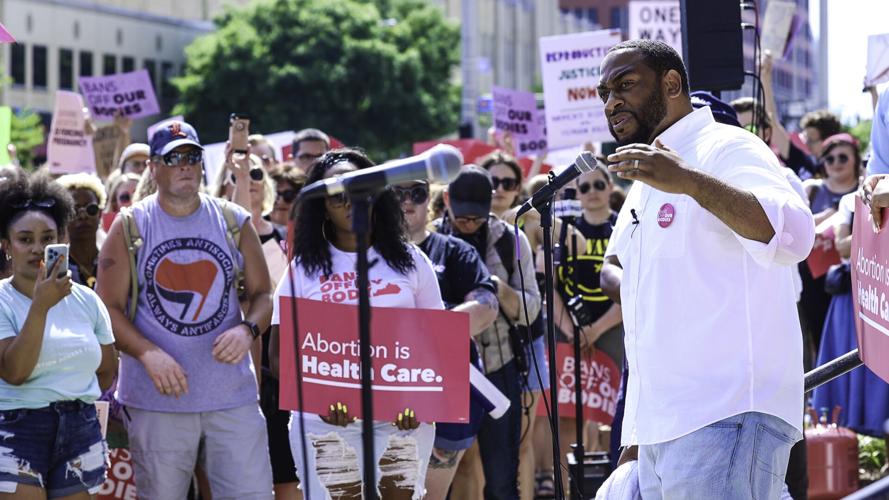
U.S. Senate candidate from Kentucky Charles Booker speaks to abortion protesters in downtown Louisville on the day the U.S. Supreme Court overturned Roe v. Wade.
- Eric Crawford
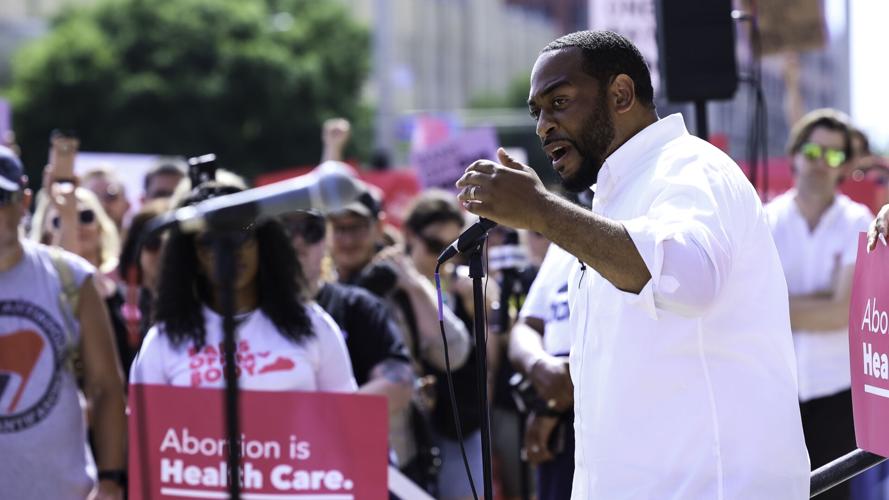
U.S. Senate candidate from Kentucky Charles Booker speaks to abortion protesters in downtown Louisville on the day the U.S. Supreme Court overturned Roe v. Wade.
- Eric Crawford
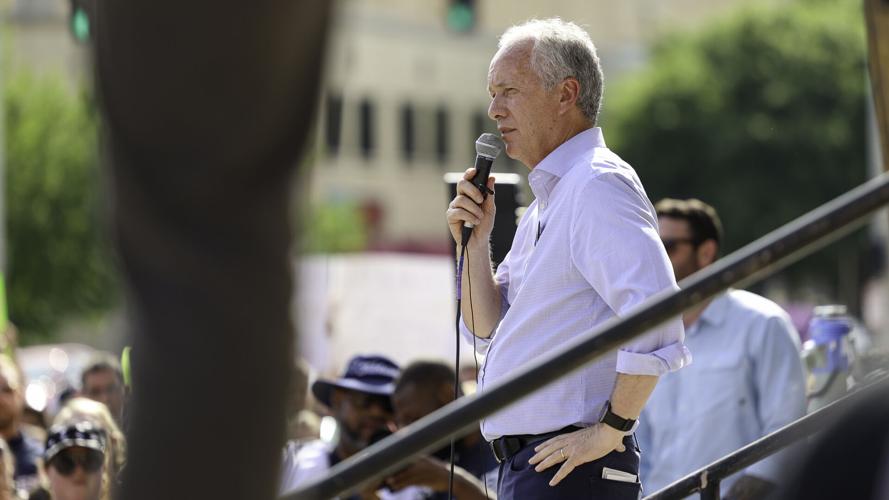
Louisville mayor Greg Fischer speaks at an abortion rights rally in downtown Louisville on the day the U.S. Supreme Court overturned Roe v. Wade.
- Eric Crawford
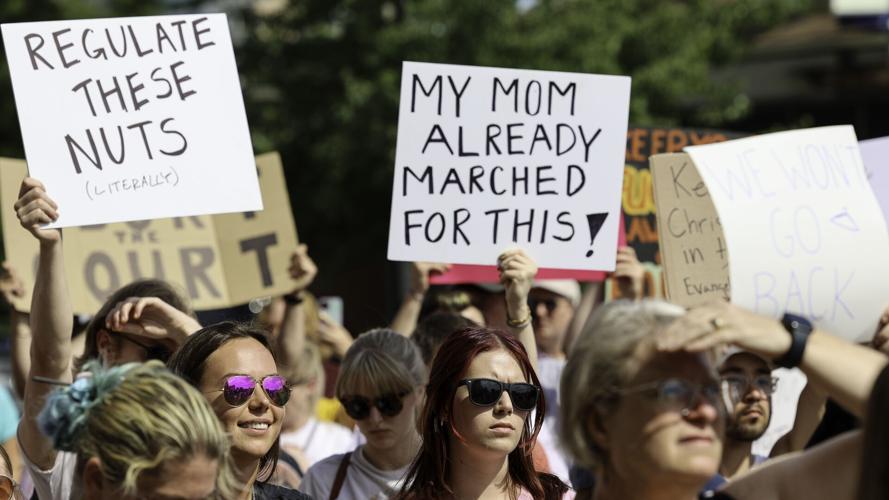
Abortion rights protesters in downtown Louisville rallied against the Supreme Court decision to overturn Roe v. Wade on June 24, 2022.
- Eric Crawford
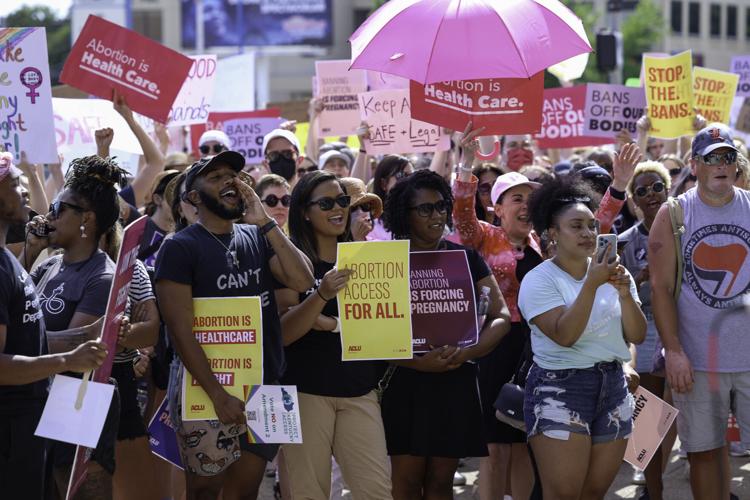
Abortion rights protesters in downtown Louisville rallied against the Supreme Court decision to overturn Roe v. Wade on June 24, 2022.
- Eric Crawford
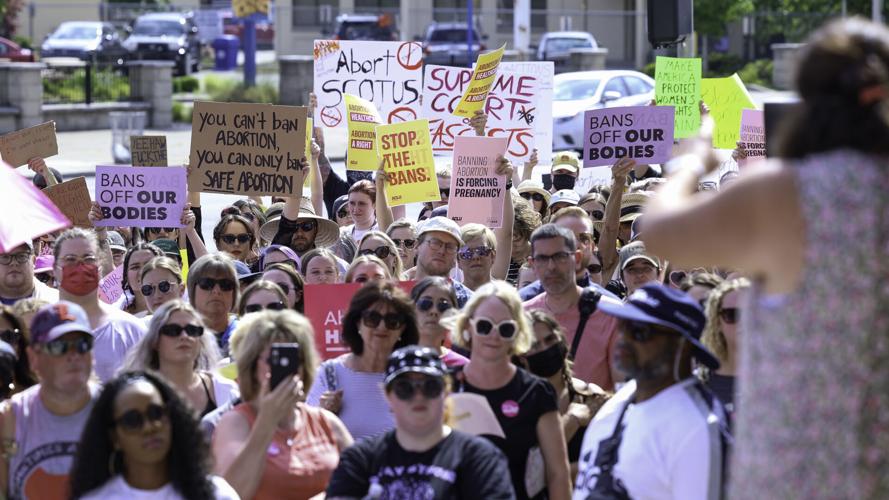
Abortion rights protesters in downtown Louisville rallied against the Supreme Court decision to overturn Roe v. Wade on June 24, 2022.
- Eric Crawford
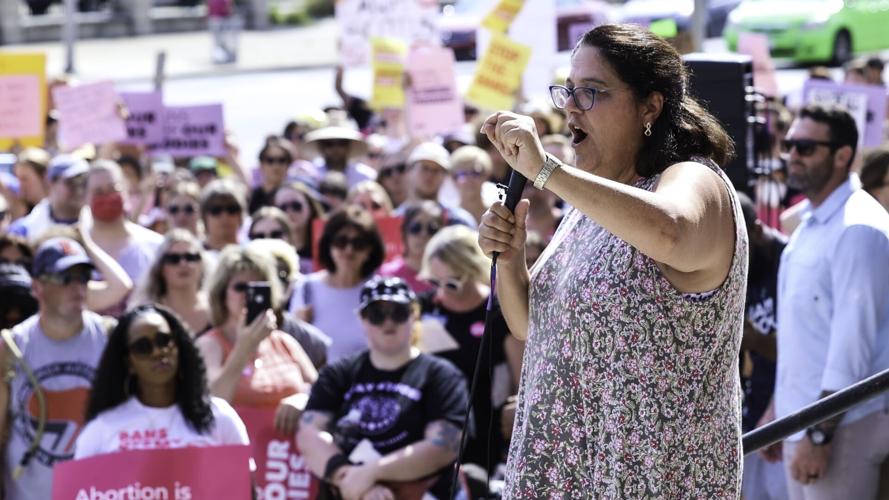
Abortion rights protesters in downtown Louisville rallied against the Supreme Court decision to overturn Roe v. Wade on June 24, 2022.
- Eric Crawford
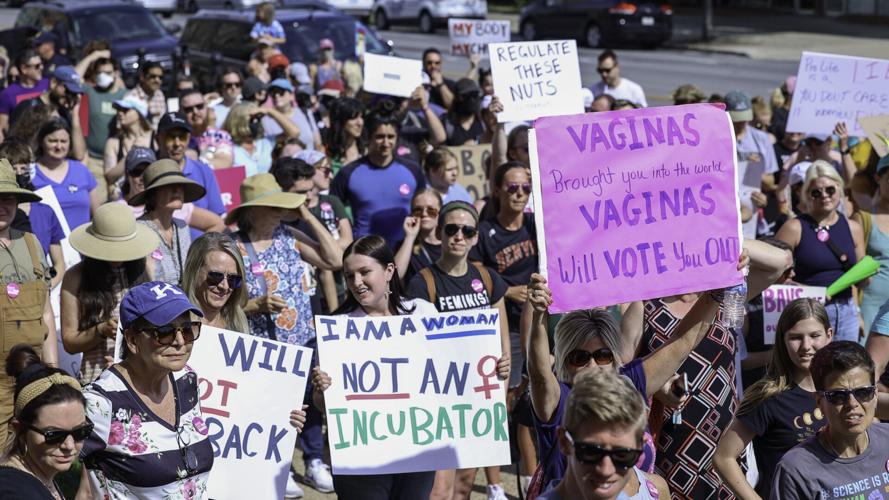
Abortion rights protesters in downtown Louisville rallied against the Supreme Court decision to overturn Roe v. Wade on June 24, 2022.
- Eric Crawford
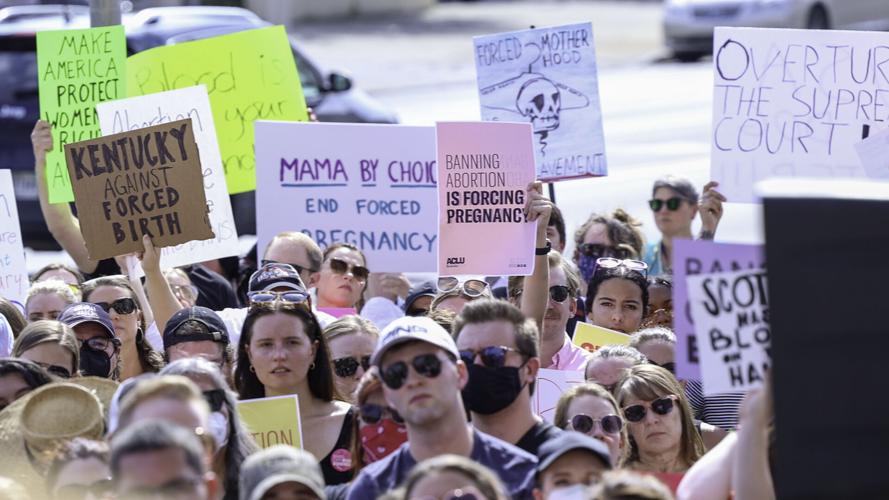
Abortion rights protesters in downtown Louisville rallied against the Supreme Court decision to overturn Roe v. Wade on June 24, 2022.
- Eric Crawford
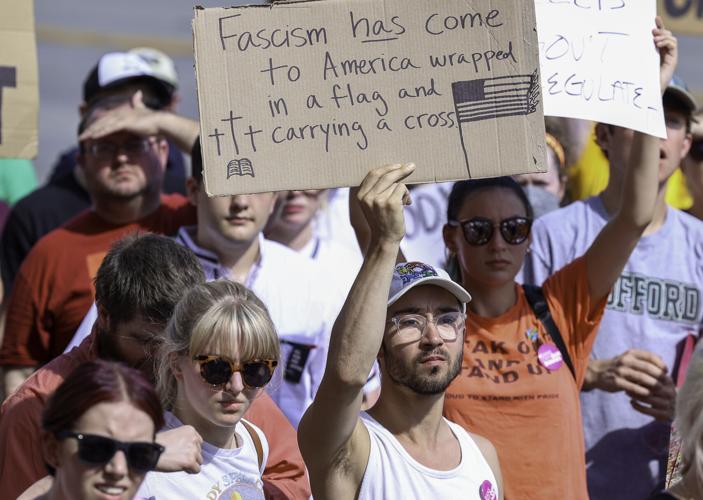
Abortion rights protesters in downtown Louisville rallied against the Supreme Court decision to overturn Roe v. Wade on June 24, 2022.
- Eric Crawford
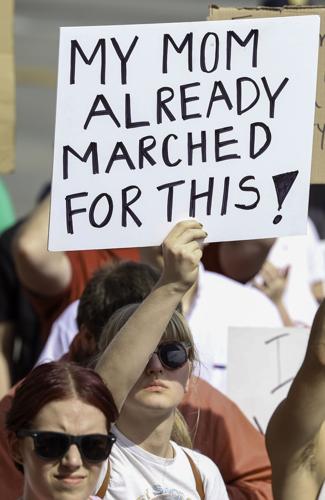
Abortion rights protesters in downtown Louisville rallied against the Supreme Court decision to overturn Roe v. Wade on June 24, 2022.
- Eric Crawford
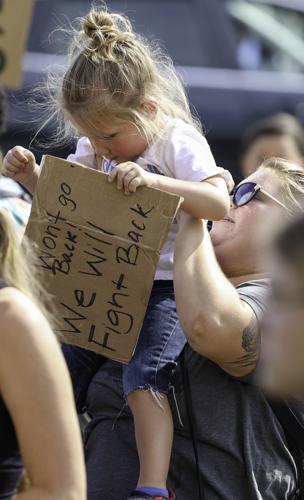
Abortion rights protesters in downtown Louisville rallied against the Supreme Court decision to overturn Roe v. Wade on June 24, 2022.
- Eric Crawford
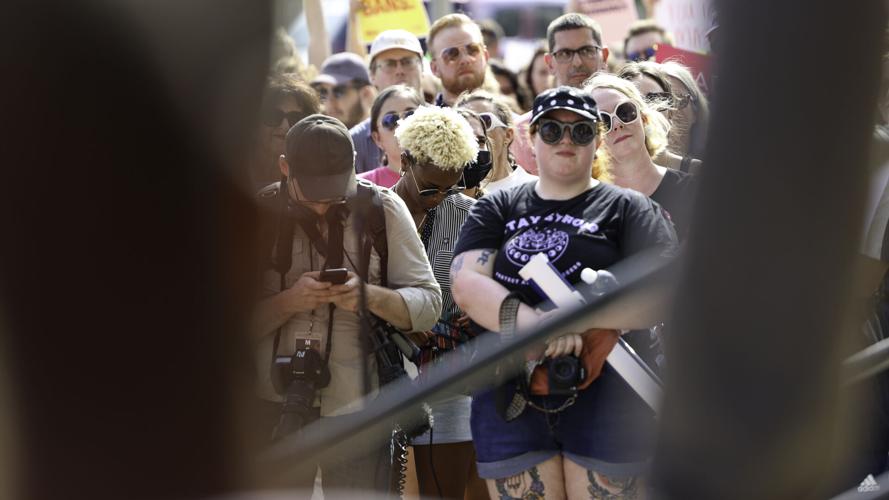
Abortion rights protesters in downtown Louisville rallied against the Supreme Court decision to overturn Roe v. Wade on June 24, 2022.
- Eric Crawford
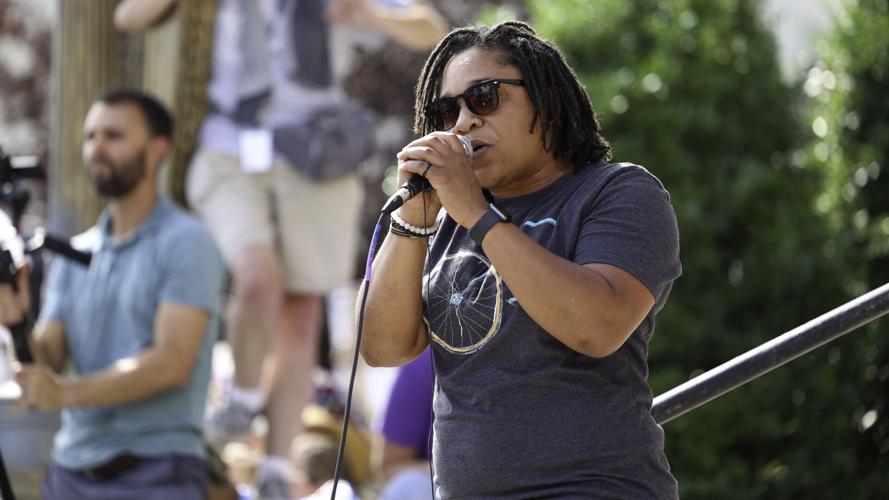
Abortion rights protesters in downtown Louisville rallied against the Supreme Court decision to overturn Roe v. Wade on June 24, 2022.
- Eric Crawford
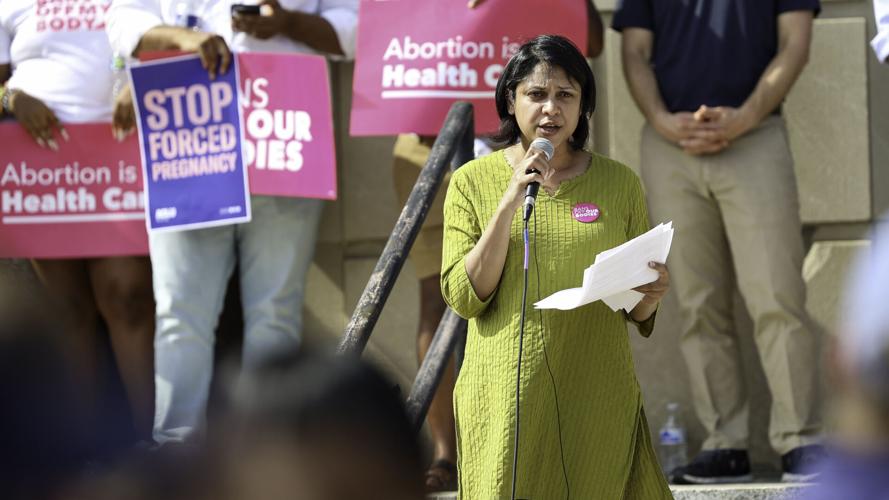
Abortion rights protesters in downtown Louisville rallied against the Supreme Court decision to overturn Roe v. Wade on June 24, 2022.
- Eric Crawford
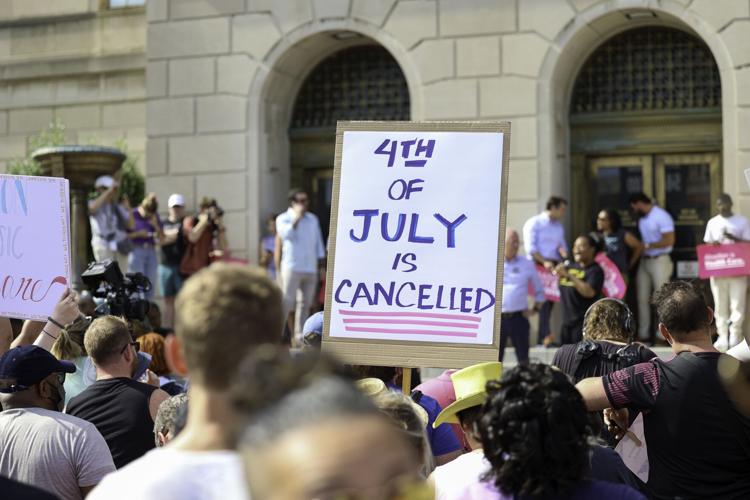
Abortion rights protesters in downtown Louisville rallied against the Supreme Court decision to overturn Roe v. Wade on June 24, 2022.
- Eric Crawford
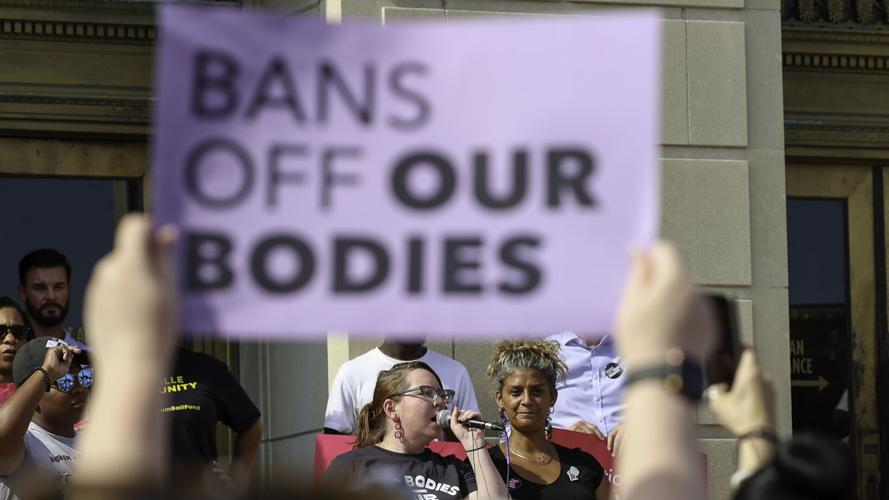
Abortion rights protesters in downtown Louisville rallied against the Supreme Court decision to overturn Roe v. Wade on June 24, 2022.
- Eric Crawford
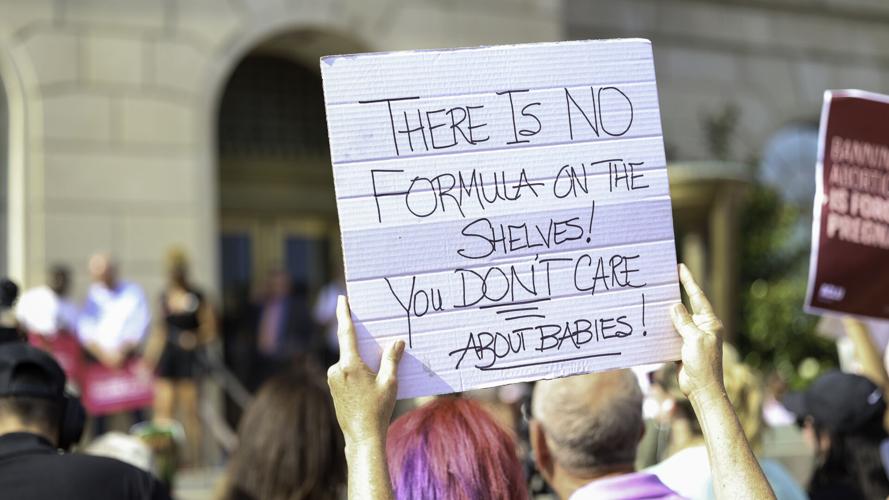
Abortion rights protesters in downtown Louisville rallied against the Supreme Court decision to overturn Roe v. Wade on June 24, 2022.
- Eric Crawford
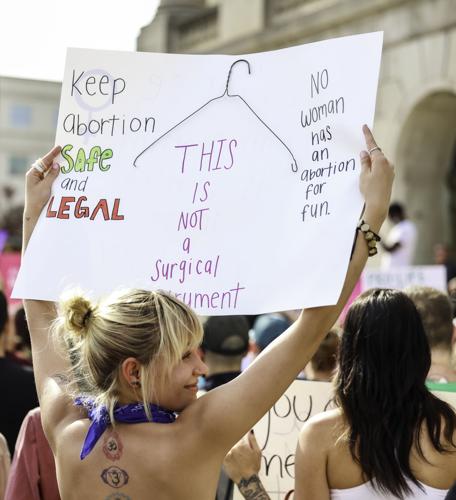
Abortion rights protesters in downtown Louisville rallied against the Supreme Court decision to overturn Roe v. Wade on June 24, 2022.
- Eric Crawford
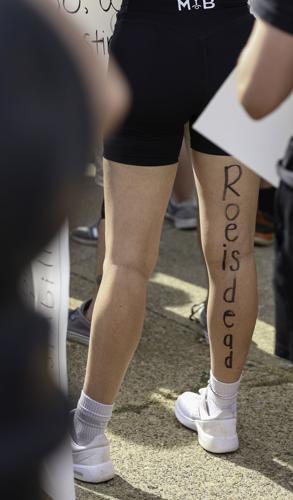
Abortion rights protesters in downtown Louisville rallied against the Supreme Court decision to overturn Roe v. Wade on June 24, 2022.
- Eric Crawford
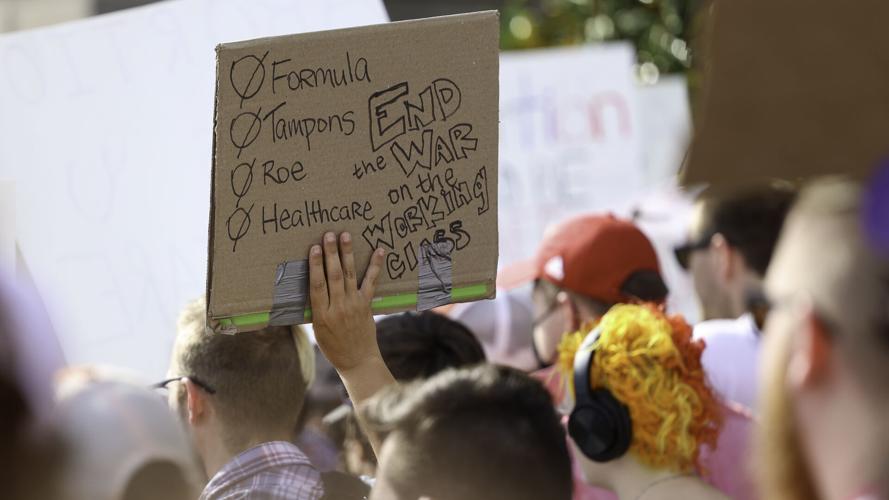
Abortion rights protesters in downtown Louisville rallied against the Supreme Court decision to overturn Roe v. Wade on June 24, 2022.
- Eric Crawford
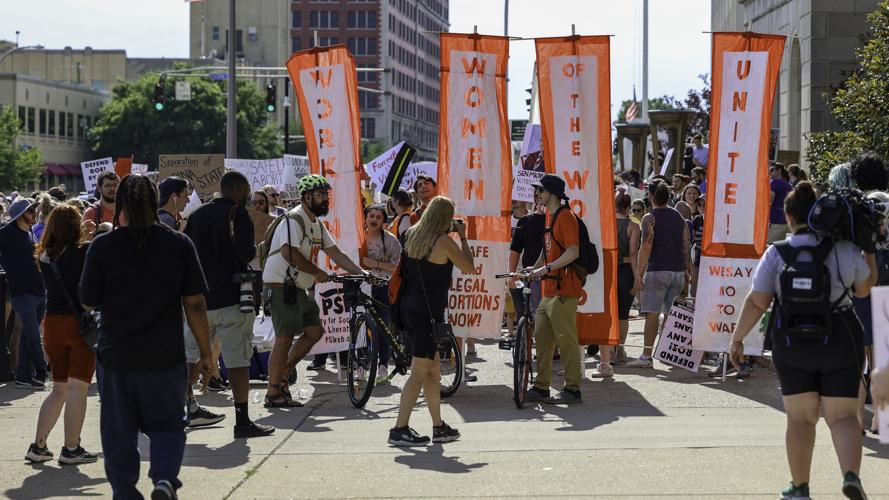
Abortion rights protesters in downtown Louisville rallied against the Supreme Court decision to overturn Roe v. Wade on June 24, 2022.
- Eric Crawford
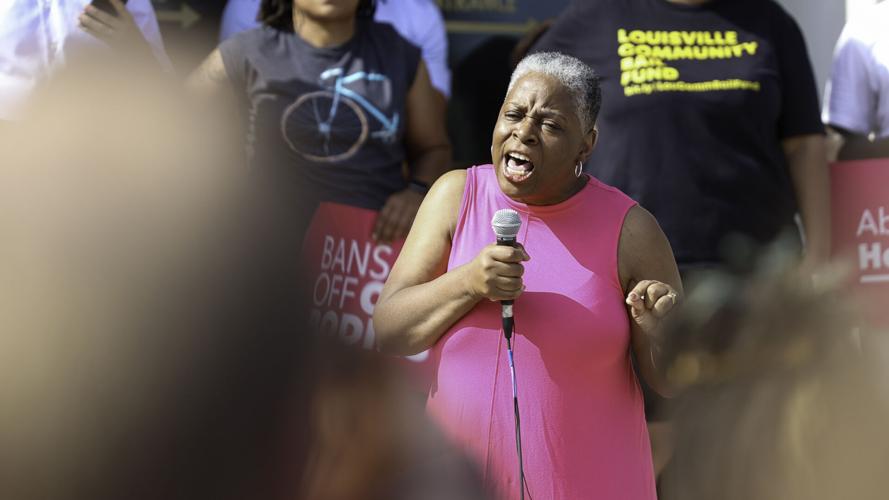
Abortion rights protesters in downtown Louisville rallied against the Supreme Court decision to overturn Roe v. Wade on June 24, 2022.
- Eric Crawford
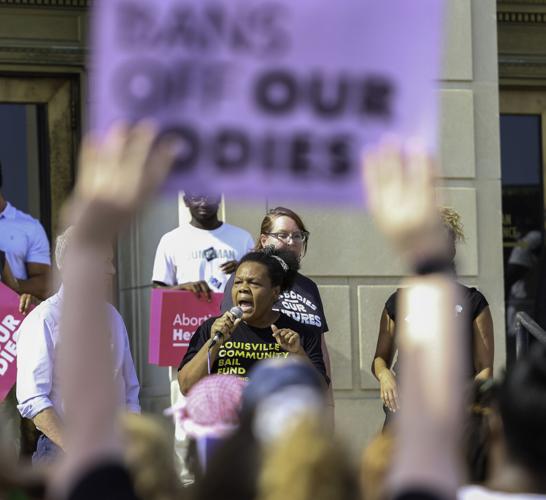
Chanelle Helm speaks to abortion rights protesters at a downtown Louisville rally on the day the U.S. Supreme Court overturned Roe v. Wade
- Eric Crawford
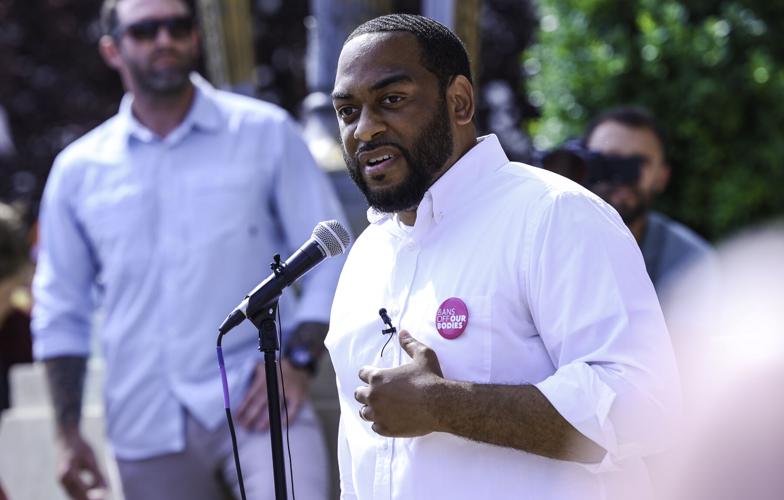
U.S. Senate candidate from Kentucky Charles Booker speaks to abortion protesters in downtown Louisville on the day the U.S. Supreme Court overturned Roe v. Wade.
- Eric Crawford
The decision by the court's conservative majority is expected to lead to abortion bans in roughly half the states, more than a month after the stunning leak of a draft opinion by Justice Samuel Alito indicating the court was prepared to take this momentous step.
He was joined Friday by Justices Clarence Thomas, Neil Gorsuch, Brett Kavanaugh, Amy Coney Barrett in the vote to overturn Roe v. Wade 5-4. The latter three justices are Trump appointees. Thomas first voted to overrule Roe 30 years ago. But Chief Justice John Roberts didn't join his conservative colleagues in overturning Roe v. Wade.
Four justices would have left Roe and Casey in place. Justices Stephen Breyer, Sonia Sotomayor and Elena Kagan — the diminished liberal wing of the court — were in dissent.
“With sorrow—for this Court, but more, for the many millions of American women who have today lost a fundamental constitutional protection—we dissent,” they wrote, warning that abortion opponents now could pursue a nationwide ban “from the moment of conception and without exceptions for rape or incest.”
More than 90% of abortions take place in the first 13 weeks of pregnancy, and more than half are now done with pills, not surgery, according to the Guttmacher Institute, a research group that supports abortion rights.
Related Stories:
- Kentucky and Indiana politicians react to overturning of Roe v. Wade
- Indiana Republicans expect to tighten state's abortion law during special session
- Abortion 'over' in Kentucky after Supreme Court decision, AG Daniel Cameron says
- Supreme Court overturns Roe v. Wade; states can ban abortion
Copyright 2022 WDRB Media. All Rights Reserved. The Associated Press also contributed to this report.


