LOUISVILLE, Ky. (WDRB) -- Animal shelters cleared out during the pandemic, leading to an increase in pet owners.
That has resulted in a greater workload in the veterinary care industry.
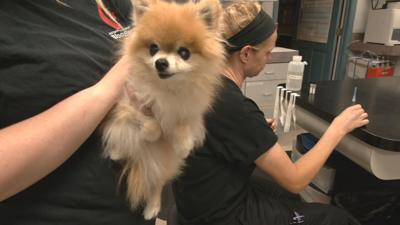
The Jefferson Animal Hospital and Regional Emergency Center is one of many that have taken on more cases than usual.
"We've had people waiting, unfortunately, eight to 10 hours to be seen, to have their pets seen," said Hospital Director Dr. Pat Kennedy Arrington.
Kennedy says more than 11 million households in the country have adopted pets during the pandemic. That's caused primary care clinics to be booked up with routine services like vaccines and spaying and neutering.
"There was a great shortage of the ability for veterinarians to see people on short notice for vomiting, diarrhea, all kinds of things," said Kennedy.
"So, same-day sick appointments, for example, are being spun out to the emergency centers, and there's only so much that the emergency centers can absorb right now," said Dr. Scott Campbell.
Campbell, with Blue Cross Animal Hospital, co-founded Metropolitan Veterinary Emergency Service in Louisville.
"Any of the emergency centers that you drive up to right now," said Campbell. "The parking lot may seem relatively quiet but I can guarantee you on the inside of those hospitals that they're jammed full of patients."
Many clinics and animal hospitals are still doing curbside-only service, something the doctors say slows the process.
Kennedy also believes, with people spending more quality time with their pets during they pandemic, they're simply more attuned to changes in their pet's health than before.
Plus, like any emergency room, cases are prioritized by severity. So pet owners with animals in stable condition will always wait longer than others.
"They want to immediately have their pet seen within five minutes, and there's not a lot of patience in today's world," Kennedy said. "People want to be seen right now, and they don't care that something else is more critical than their pet."
Their frustration can take a toll on staff who are already short handed and stressed.
"Can't get out on time, can't get a break, miss lunch," said Kennedy. "It's a problem all over the country of people just getting burned out and quitting."
She believes some assume veterinarians are in it for the money, and question their care.
"It's not for the pay that my staff does this. It's because they truly, they love these patients, and they enjoy working with them and they're trying to help them," Kennedy said. "They are trying to do their best, and many times you just don't have enough staff to deal with all of it. You're never going to have enough doctors and staff when you have 20 to 25 cars out in the parking lot all wanting to be seen."
She encourages owners to contact their primary care veterinarians first.
"Find out if there's any way they can be worked in that day," she said. "Is this something you really have to be seen today? If you describe the symptoms to your veterinarian, not just to the receptionist but to somebody who's skilled, a veterinary technician, is there something you can do at home that can help your pet where you don't have to pay an emergency fee?"
Kennedy believes adoptions are slowing down, which will help free up primary care and help relieve emergency care workloads.
But in the meantime, she and Campbell want people to know they are doing their best.
“Being patient, understanding, sympathetic, empathetic to what everybody's needs are, I think really, people need to keep that front and center, and that’ll make, I think, the experience a lot better," Campbell said.
"Be patient and be kind to all the veterinary workers, veterinarians, and veterinary assistants because we've been exhausted from this past year," said Kennedy.
Copyright 2021 WDRB Media. All Rights Reserved.


