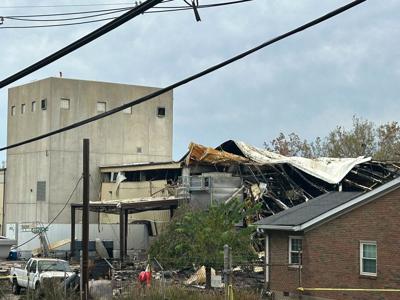



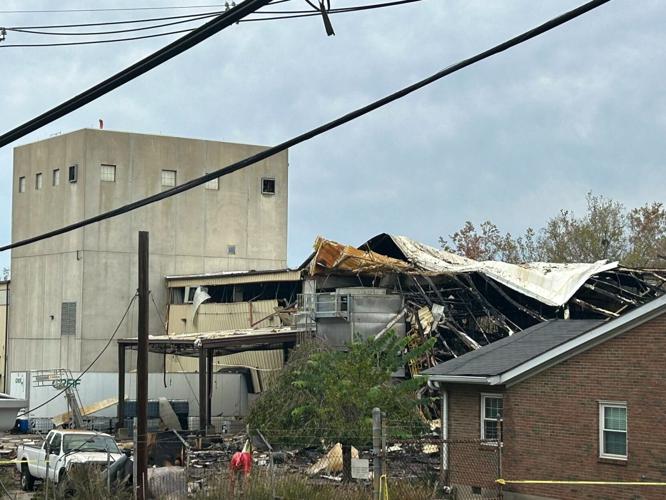
LOUISVILLE, Ky. (WDRB) -- A devastating explosion at the Givaudan plant in Louisville has prompted widespread scrutiny, as workers and former employees raise alarms over potential safety lapses.
The explosion led to two people killed and 11 others injured, but new revelations suggest the incident could have been prevented if safety concerns had been addressed sooner.
Just days before the explosion, an employee reportedly warned co-workers about a critical piece of equipment at the plant—Cooker 6.
According to workers, the employee explicitly told them not to walk past Cooker 6, as it had been overheating for several days. This warning, issued five days before the tragic incident, raises serious questions about whether the equipment should have been taken out of service sooner.
Despite these concerns, Cooker 6 continued to operate until the explosion occurred, leaving some to wonder why the equipment was not addressed in a timely manner.
In the wake of the explosion, Angelita Oldham, a plant employee, came forward with her own troubling account of the plant’s safety culture.
Less than 24 hours after the explosion, Oldham shared with WDRB that she had notified management about safety issues before the incident. She had also provided pictures and videos as evidence, showing dangerous conditions inside the plant: steam or smoke filling a room, water pouring from a wall near an electrical outlet, and an oil-like substance leaking from equipment.
Despite her efforts, company leadership denied having received any significant reports. During a media briefing, Givaudan President Ann Leonard was asked directly about the safety concerns raised by Oldham and other employees.
Leonard responded, “We have daily safety meetings and employees are encouraged to submit pictures of safety concerns. But I’m not aware of any specific issues with Cooker 6 or other equipment before the explosion.”
The company’s response to Oldham’s concerns, however, has drawn additional scrutiny.
Oldham claims she was silenced and removed from a company meeting shortly after speaking out to the press.
“I wasn’t allowed to ask questions or talk to my co-workers,” she said. “I think they did that because I spoke the truth, and my only objective is to speak for those who cannot advocate for themselves.”
Oldham’s claims of retaliation raise further questions about the company’s handling of employee concerns and whether it has fostered a culture of fear that discourages workers from reporting safety hazards.
Oldham, who worked 12-hour shifts without a team leader, claims that she was not informed of any safety huddles or meetings, even though the company had supposedly instituted these daily check-ins.
In the aftermath of the explosion, plant employees were called into meetings where they were informed that the company would continue to provide pay and benefits during the ongoing investigation.
However, Oldham alleges that the meeting was a tactic to silence dissent.
"They took me into a separate room, away from my coworkers, where I couldn’t ask questions or express my concerns,” she said.
This treatment, combined with the failure to properly address prior safety concerns, has led many workers to question the company’s commitment to their safety.
As investigations into the explosion continue, many are left asking: Could this have been prevented? If the warnings about Cooker 6 were heeded, if employee concerns had been taken seriously, would the explosion have occurred at all?
The answers remain unclear, but the voices of those who worked at the plant, like Oldham, are growing louder. They are calling for greater accountability, transparency, and a renewed commitment to worker safety.
At 6 p.m. Monday, Nov. 18 a Clifton Neighborhood Meeting is scheduled at United Crescent Hill Ministries on State Street. City and Givaudan officials will attend the meeting to listen to residents and address their concerns.
Related Stories:
- Louisville fire, ATF continue investigating Givaudan plant for cause of fatal explosion
- Givaudan employee describes 'lots of leaks' at Louisville plant that exploded
- After deadly blast, Louisville leader says Clifton residents 'want the company gone'
Copyright 2024 WDRB Media. All Rights Reserved.


