


LOUISVILLE, Ky. (WDRB) -- A year after abortion became illegal in Kentucky, there's a new reality for many women facing unplanned pregnancies. With confusing restrictions, big changes and fewer options, Louisville organizations said they've seen an increase in the amount of women seeking their services.
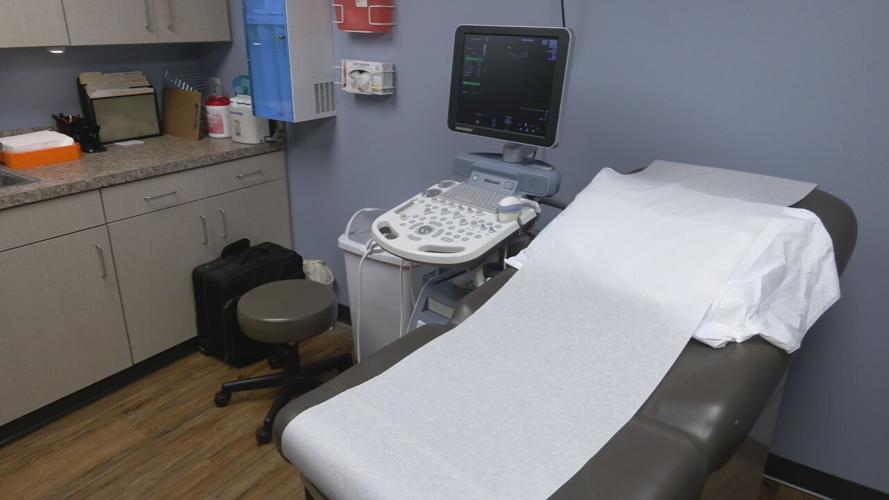
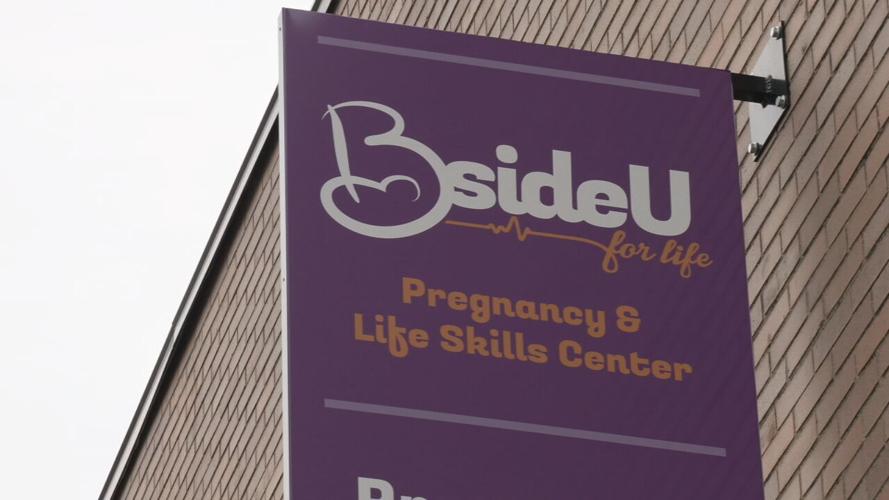
One of them is Bside U for Life, a religious-based, pro-life pregnancy center working with women to have a healthy pregnancy. It offers ultrasounds, pregnancy testing, classes, child care and continued support after their babies are born.
Jessie Davis, who unexpectedly got pregnant with her second child, turned to Bside U for Life and, after counseling, decided to carry the pregnancy. She said the center gave her a free car seat, crib and bassinet.
"I was very very nervous," Davis said. "I called one of the workers and said 'I don't know what to do and I don't think I can go through with this.'"
Her daughter, Ezra, is now 2 years old.
"If I did not have Bside U, it would've been so much harder," Davis said.
The U.S. Supreme Court overturned Roe v. Wade in June 2022, undoing a nationwide right to abortion that had been in place for nearly 50 year. Since then, sate lawmakers in Republican-led states have moved to drastically limit abortion access, and GOP presidential candidates have wrestled with how to approach the issue.

Bside U for Life in Louisville, Aug. 2, 2023. (WDRB Photo)
In Kentucky, a near-total trigger law ban and a separate six-week ban were both passed by the state legislature. The trigger law was passed in 2019 and took effect when Roe was overturned. It bans abortions except when they're carried out to save the life of the mother or to prevent disabling injury. It does not include exceptions for cases of rape or incest.
Last year, Kentucky voters rejected a ballot measure that would have denied any constitutional protections for abortion, handing a victory to abortion-rights supporters.
Nearly half the states in the country now allow abortion until between 20 and 27 weeks but bar it later than that in most cases. Before the end of Roe, almost every state fell in that range. Now, abortion is banned — with varying exceptions — at all stages of pregnancy in 14 states, including much of the South.
Since the Supreme Court ruling, Bside U said it's seen a 65% increase in clients. The abortion ban means fewer options for pregnant women in the area, and Monica Henderson, executive director of the center, said while more people are seeking help at the center, the struggles they face remain the same.
"Certain months, it was double what it was prior," she said Wednesday. "A woman who is facing an unexpected pregnancy now, her decision-making process — the challenges that she faces — that didn't change with the law.
On the other side of the issue, Planned Parenthood said abortion bans have created a level of fear for its patients. While its clinics can no longer offer abortions in our area, they still offer birth control, cancer screenings and wellness visits.
"Patients are fearful. They're angry," said Rebecca Gibron, CEO of Planned Parenthood of Indiana and Kentucky. "They're worried about where they can access abortion care. They're concerned about their friends, their family members, their work colleagues.
"We are turning up the volume to ensure our patients know we are still here for them."
Related Stories:
- 'Living in a nightmare,' Kentucky woman forced to leave state for abortion despite discovery of fatal defect
- Abortion rights groups drop suit challenging Kentucky’s ban but continue legal fight
- Federal court strikes down lawsuit challenging part of 2022 Kentucky abortion law
- Few US adults support full abortion bans, even in states that have them, an AP-NORC poll finds
Copyright 2023 WDRB Media. The Associated Press contributed to this report. All Rights Reserved.


