


LOUISVILLE, Ky. (WDRB) — By Monday afternoon, Georgia had decided it didn't want to play Texas Tech in any sport. Nebraska had reached a similar conclusion.
Big Ten athletic directors were reportedly discussing whether the conference should stop scheduling the Red Raiders altogether.
College sports has survived conference realignment, NIL collectives, unlimited transfers, athletes becoming employees in everything but paperwork and coaches making enough money to purchase coastal property.
Yet it took a quarterback who admitted to gambling on his own team to make people start talking about quarantines.
Louisville | Kentucky | Indiana | Eric Crawford
That's usually a sign something unusual has happened.
Louisville’s men’s basketball team is scheduled to face Texas Tech in the Players Era Tournament in Las Vegas this November. University officials said Tuesday they expect to play the game as scheduled and declined comment on the broader controversy.
Which is probably wise.
Because college sports appears to have wandered into a part of the forest where nobody is entirely sure what the rules are anymore.
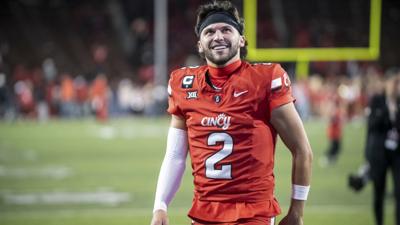
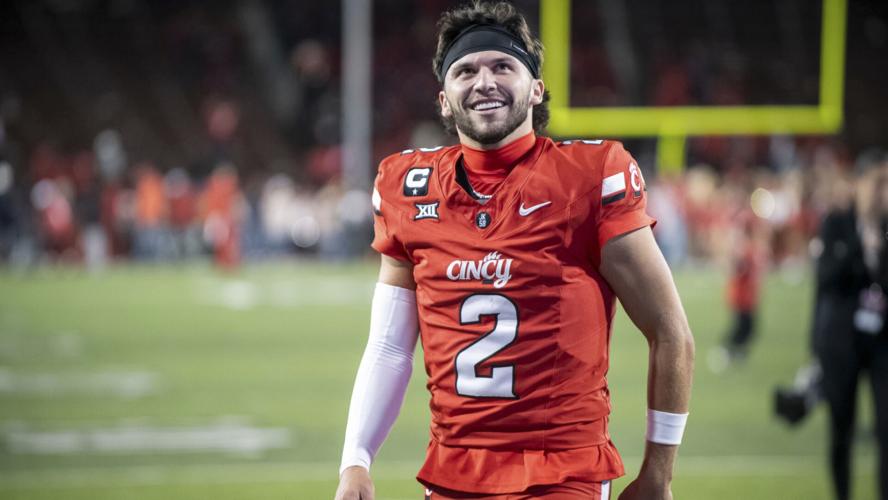
The latest guide through the wilderness is Texas Tech quarterback Brendan Sorsby, who admitted to placing more than 9,000 sports wagers totaling more than $90,000, including bets involving Indiana football while he was a member of that program.
The NCAA ruled him permanently ineligible. A Texas judge ruled he can play. The judge also imposed a two-game suspension. Which works out to approximately one game for every 4,500 wagers.
Somewhere, mathematics is filing an appeal.
Now before anyone mistakes this for a defense of the NCAA, let's be clear.
The NCAA has spent years arriving late to the wrong conclusion. The organization fought NIL until it lost. Fought transfers until it lost. Fought athlete compensation until it lost.
If the NCAA announced Tuesday that water was wet, half the country would check a faucet.
Much of that skepticism is earned. This case is different. This isn't an employment dispute or some obscure eligibility formula requiring three lawyers, two accountants and a decoder ring.
This is gambling.
The rule was simple enough that even sports fans could understand it. Don't gamble on the games. Don't gamble on your team. Don't gamble on your sport.
Nobody needed a symposium. Nobody needed a congressional hearing or a 111-page federal bill.
Just don't do it.
Apparently that standard is now under review.
If this were a referee, there would be no discussion. Suppose an official admitted to thousands of sports wagers on games involving games he worked. Suppose investigators discovered a gambling addiction.
Would anyone argue he should be back after missing two weeks?
Of course not.
You can recover. You can seek treatment. You can rebuild your life. You can become an advocate for others. But you don't get the whistle back.
Sports depends on trust. Not an NCAA concept. Not a legal concept. A sports concept.
The moment fans stop believing the game is honest, the whole enterprise starts wobbling.
Which is why the reaction around the country has been so telling. The loudest objections haven't come from NCAA headquarters. They've come from schools. Conferences are the ones saying, wait a minute.
And hanging over all of it is the reality that Texas Tech has become a powerful financial force in college athletics, fueled largely by billionaire booster Cody Campbell, one of the most influential figures in modern college sports and a prominent advocate for federal legislation intended to reshape the industry.
The optics are terrible, even if there’s no reason to think Campbell had anything to do with this court ruling. A rich and politically connected program just found a way to put a quarterback back on the field despite conduct every major sports league treats as toxic.
The NCAA has lost so many court cases that people have begun treating every NCAA rule as inherently suspect. Maybe that's where we are. Maybe every regulation is an opening bid. Maybe every punishment is the first draft of a negotiation. Maybe permanent ineligibility means see you after Labor Day.
If so, college sports has arrived somewhere remarkable, and not in a good way.
For years, the debate was about which NCAA rules deserved to disappear. Many of them did. This wasn't supposed to be one of them.
Gambling felt different. It felt permanent. It felt like the last thing everybody agreed on.
On Monday, a Texas court decided otherwise.
The games will continue. The bands will play. The television money will arrive right on schedule.
But if betting on your own team is now a matter for negotiation, college sports may discover that the line it just crossed was more important than the ones it left behind.
Copyright 2026 WDRB Media. All Rights Reserved.


