LOUISVILLE, Ky. (WDRB) -- COVID-19 is slamming the nation’s food supply as the virus infects workers at meat plants across the country, including Louisville’s JBS plant in Butchertown.
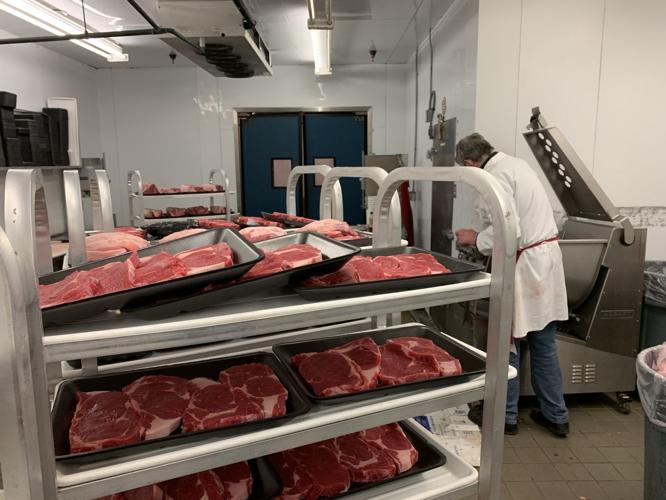
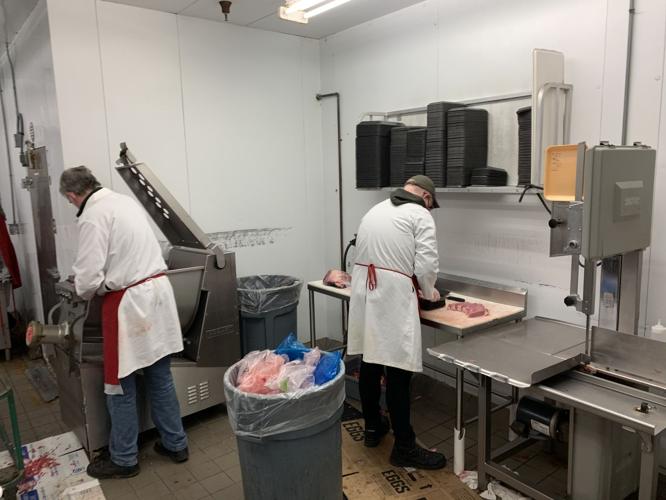
The state reported 34 confirmed cases and one virus-related death at the meat processing plant. The Louisville plant is still open, and the company said it is taking major safety precautions to curb the spread of the virus at the facility.
All JBS employees get their temperature taken before entering the workplace. They are required to wear face masks on the property, and the plant’s officials said they are increasing sanitation efforts. The company also said no one is forced to come to work, and no one will be punished for a health-related absence. Employees also received increased wages of $4 per hour through at least May 30.
Yailen Cruz said her mother works at JBS in Louisville, and both women have tested positive for the novel coronavirus.
“I believe they waited too long to do those things,” Cruz said about the actions JBS said it’s taking to keep employees safe. “They knew that people were working in unsafe conditions.
“That’s a good thing to do, but no $4 raise can ever pay for someone caught in such a deadly virus ... The people who have gotten sick are obviously not going to get that bonus, because they’re not at work every day ... If you went to work and you got sick, then you should be allowed to receive the compensation because you were there.”

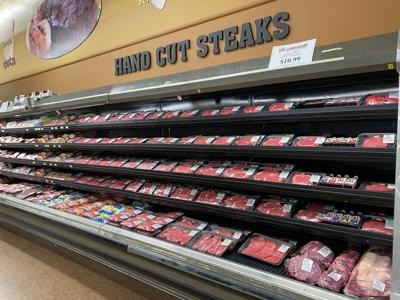
Meat markets take a major hit from COVID-19.
Cruz said it’s not true that the employees are not getting penalized for missing work during the pandemic.
“They still expect their employees to go to work, even if they’re not feeling well," she said. "If someone calls in on a Monday or on a Friday, they accumulate absence points, and eventually, they will get fired for having too many points. When my mother started feeling ill, she still had to go to work because she was too afraid to lose her job due to the company’s strict attendance policy."
Cruz said many workers inside the plant do not speak English, and there is a language barrier for communicating important safety information.
Cameron Bruett, head of corporate affairs at JBS USA and Pilgrim, provided this statement to WDRB News on Tuesday evening:
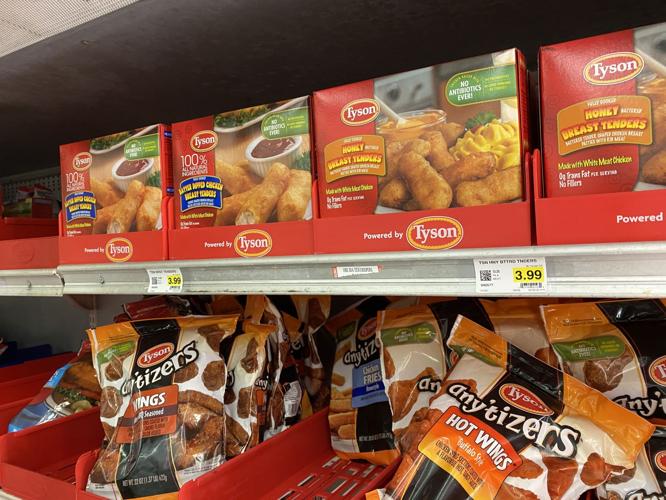
While the Louisville facility remains open, the company has temporarily shut down some of its plants throughout the country. Other meat processing and packing plants, like Tyson Foods, is closing locations, too.
Test results over the weekend confirmed 700 more COVID-19 cases in Cass County, Indiana, boosting the county’s total to 1,025 cases, the state’s health department said Monday.
Those new results come after Tyson announced last week it would temporarily suspend operations at its Logansport plant that was the site of widespread illness and all of its 2,200 workers were tested for the virus.
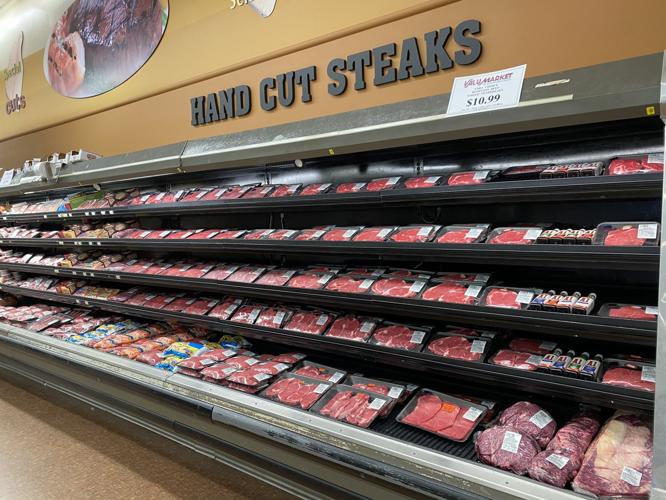
The vice president of ValuMarket, James Neumann, said the shortage of meat in the pipeline will drive costs up, no matter where the closed processing plant is located.

Frozen meat supply is down 30 to 40 percent at ValuMarket
“Just because there’s a plant in Indiana or Tennessee, or God forbid the plant in Louisville that JBS runs, isn’t necessarily indicative of where our supply comes from,” he said.
Neumann said grocery stores have been accused of price gouging, but he said it is all about supply and demand, and ValuMarket is doing its best to keep costs down.
“During the big spike in mid-March, there was a very rapid increase in the price of some meat commodities, and we had to follow suite," he said. "We can’t control the cost, and we can’t control the deck of cards and the hand we are dealt. We can only react to those, and I think we are doing an excellent job in reacting to it.”

Meat markets take a major hit from COVID-19.
Neumann said he hasn’t seen meat costs jump drastically yet, but they change every day, and it is causing a major problem in the food economy.
“The spike that we saw in the meat markets that happened in March were demand-driven,” Neumann said. “It’s economics. So, the demand peaked. Supply was static. Now what we are seeing ... because you have processors that are shutting down ... demand has come to a new level. It’s higher than what it was, but it’s not near the peak that we had back in March, but the supply is dropping. Cost will go up, and there are scarcities in the beef and pork market.”
Neumann predicts if shoppers aren’t searching for specific brands, stores will not run out of a product. But your favorite cut of meat might be more expensive, because the cost will increase.
Copyright 2020 WDRB Media. All Rights Reserved.