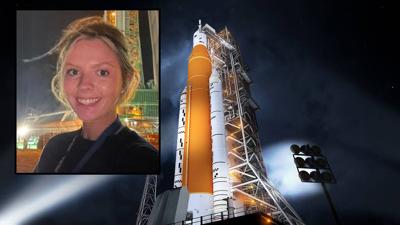


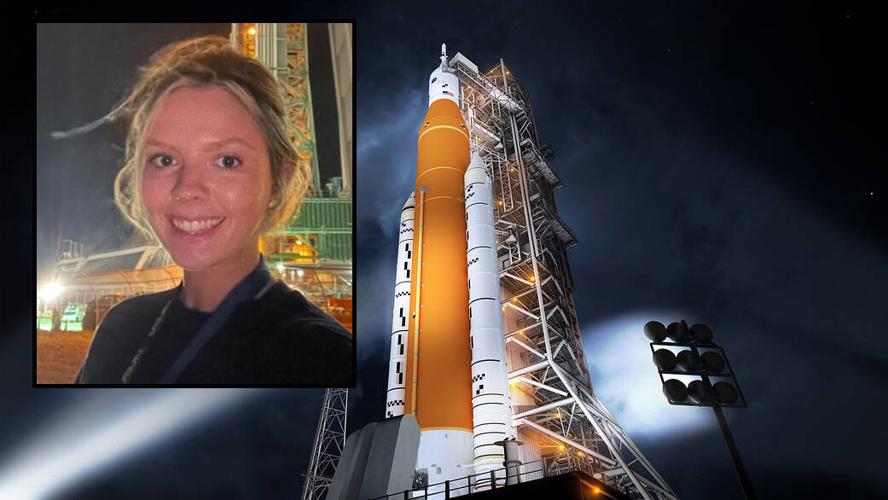
LOUISVILLE, Ky. (WDRB) -- She's Kentucky's very own representative at NASA'S Ground Control.
Alora Mazarakis, 26, is a UofL Speed School graduate who grew up in Shelbyville, Kentucky. Now she works as an engineer on the launch team for Artemis I, the first of a series of NASA space missions that aims to return humans to the moon, and eventually, send them to Mars.
TO LEARN MORE ABOUT ALORA MAZARAKIS' KENTUCKY ROOTS, CLICK HERE.
As of the time of this writing, Artemis I is scheduled to launch just after 1 a.m. on Wednesday. That's hours from now.
"Launch Day is very stressful," Mazarakis said. "Obviously, there's a lot of pressure to launch. But we learned back in the shuttle era with Challenger and Columbia that the utmost important thing is safety and readiness."
Bottom line: There's always the chance that the launch is cancelled at the last minute — as it has already been twice before.
"I will say that the launch team always goes in with a healthy level of preparedness for a scrub," Mazarakis said.
She pauses.
"Scrub. The 'S' word. We don't like to say that word."
But assuming everything does go off as planned, what can we expect? According to Mazarakis, this is not a business-as-usual mission.
"So we reach T-minus Zero. Launch. Go for launch. Can't wait for that," she said. "It's gonna be louder than the Saturn V rocket, which actually shattered many windows in Titusville."
"So hopefully everybody has replaced their windows since the 60s," she added.
The rocket has solid rocket boosters similar to those used by the space shuttles of NASA's previous era. Three minutes into the flight, the solid rocket boosters will separate and fall away, Mazarakis said.
Six minutes into the flight, Mazarakis said the rocket's core stage will separate from its upper stage, referred to as the Interim Cryogenic Propulsion Stage (ICPS). This is the second stage liquid engine.
"We have cameras on all the stages," she said. "You'll see all this."
Once the core stage is jettisoned, the ICPS will fire up and the rocket will enter a low earth orbit.
"We're going to do an orbit around the earth, and then we're going to lose the ICPS and we're just going to be left with the Orion crew module, which is propelled by the European Space Module," she said.
The Orion crew module is the capsule that NASA hopes will one day carry live astronauts to the moon. But on this flight, dummies will stand in for live astronauts — but they'll still be heading toward the moon.
"For about 5 days, it won't be too noticeable, but you'll see the earth getting a lot smaller," Mazarakis said.
At that point, the capsule will arrive at the moon and enter orbit.
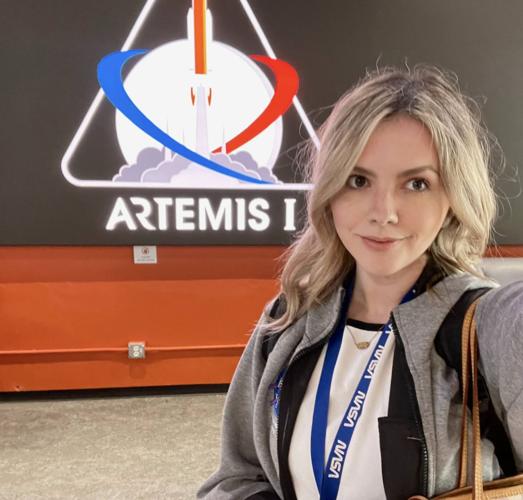
Alora Mazarakis grew up in Shelbyville, Kentucky and credits the UofL Speed School of Engineering and the River City Rocket Club for preparing her for a career as a flight communications and tracking engineer for NASA's Artemis I program. (Image provided by Alora Mazarakis)
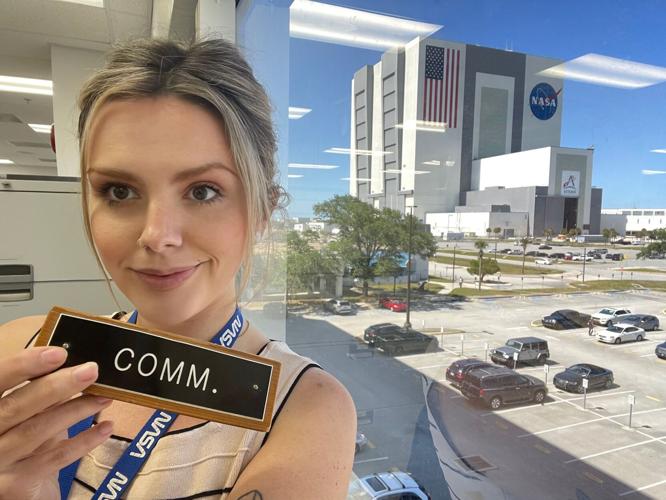
Alora Mazarakis grew up in Shelbyville, Kentucky and credits the UofL Speed School of Engineering and the River City Rocket Club for preparing her for a career as a flight communications and tracking engineer for NASA's Artemis I program. (Image provided by Alora Mazarakis)
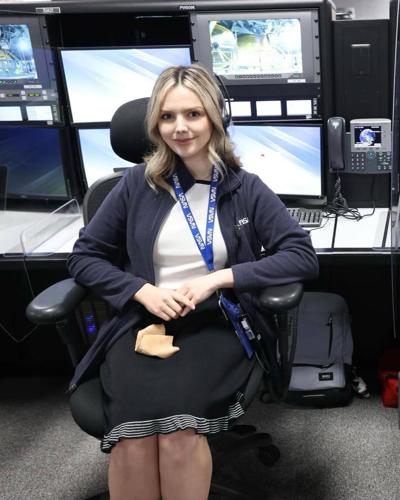
Alora Mazarakis grew up in Shelbyville, Kentucky and credits the UofL Speed School of Engineering and the River City Rocket Club for preparing her for a career as a flight communications and tracking engineer for NASA's Artemis I program. (Image provided by Alora Mazarakis)
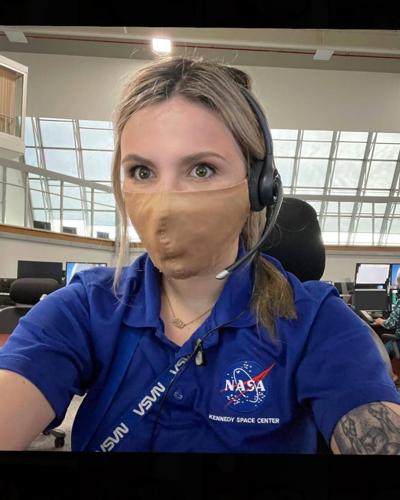
Alora Mazarakis grew up in Shelbyville, Kentucky and credits the UofL Speed School of Engineering and the River City Rocket Club for preparing her for a career as a flight communications and tracking engineer for NASA's Artemis I program. (Image provided by Alora Mazarakis)
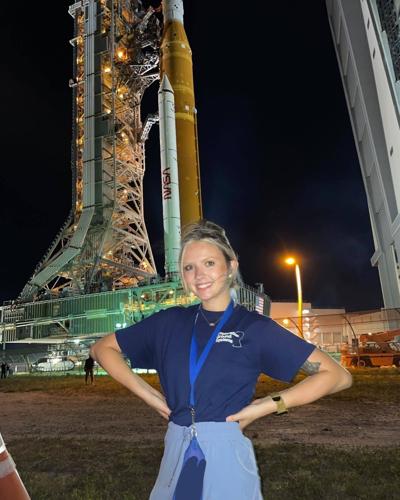
Alora Mazarakis grew up in Shelbyville, Kentucky and credits the UofL Speed School of Engineering and the River City Rocket Club for preparing her for a career as a flight communications and tracking engineer for NASA's Artemis I program. (Image provided by Alora Mazarakis)
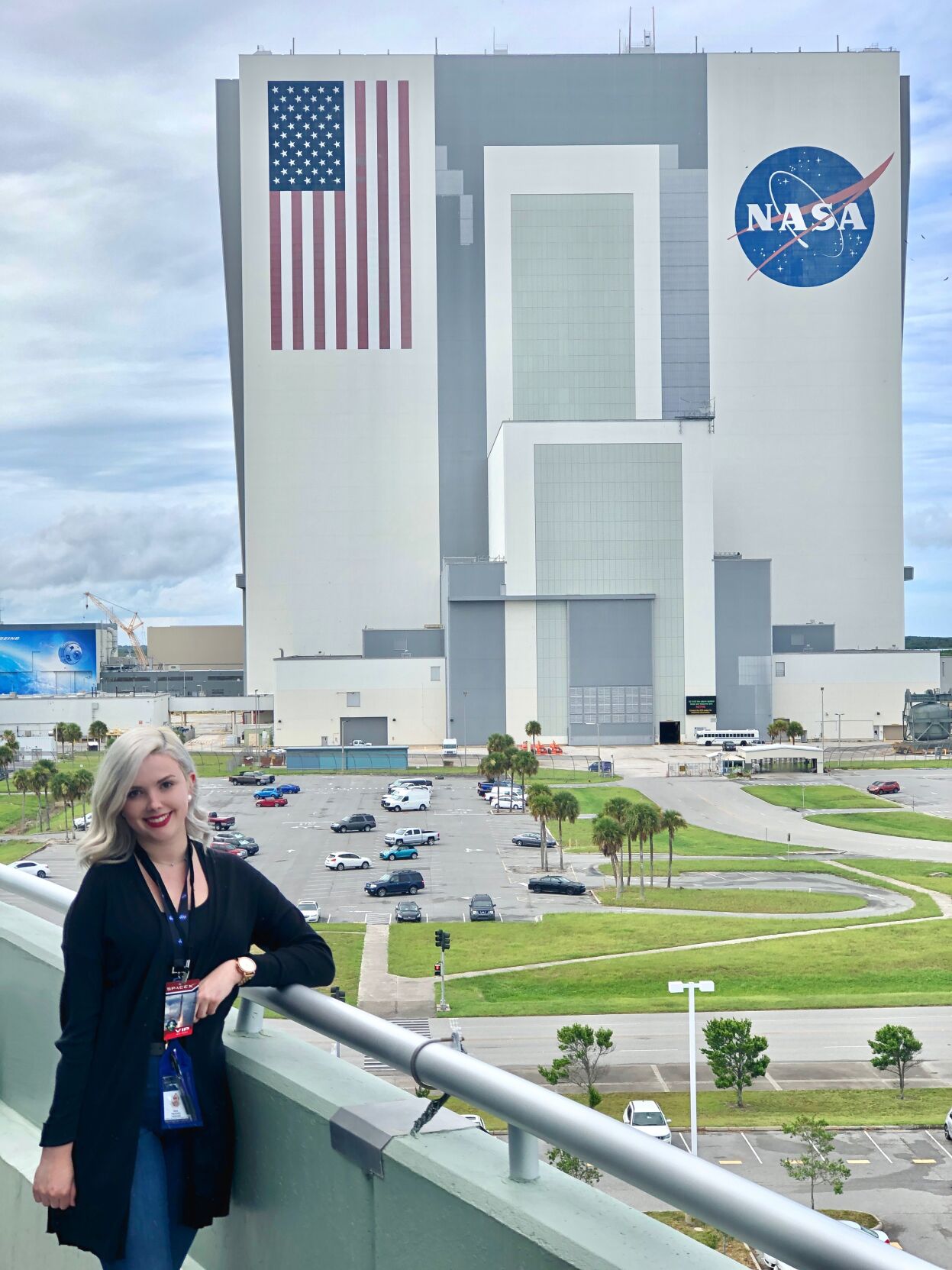
Alora Mazarakis grew up in Shelbyville, Kentucky and credits the UofL Speed School of Engineering and the River City Rocket Club for preparing her for a career as a flight communications and tracking engineer for NASA's Artemis I program. (Image provided by Alora Mazarakis)
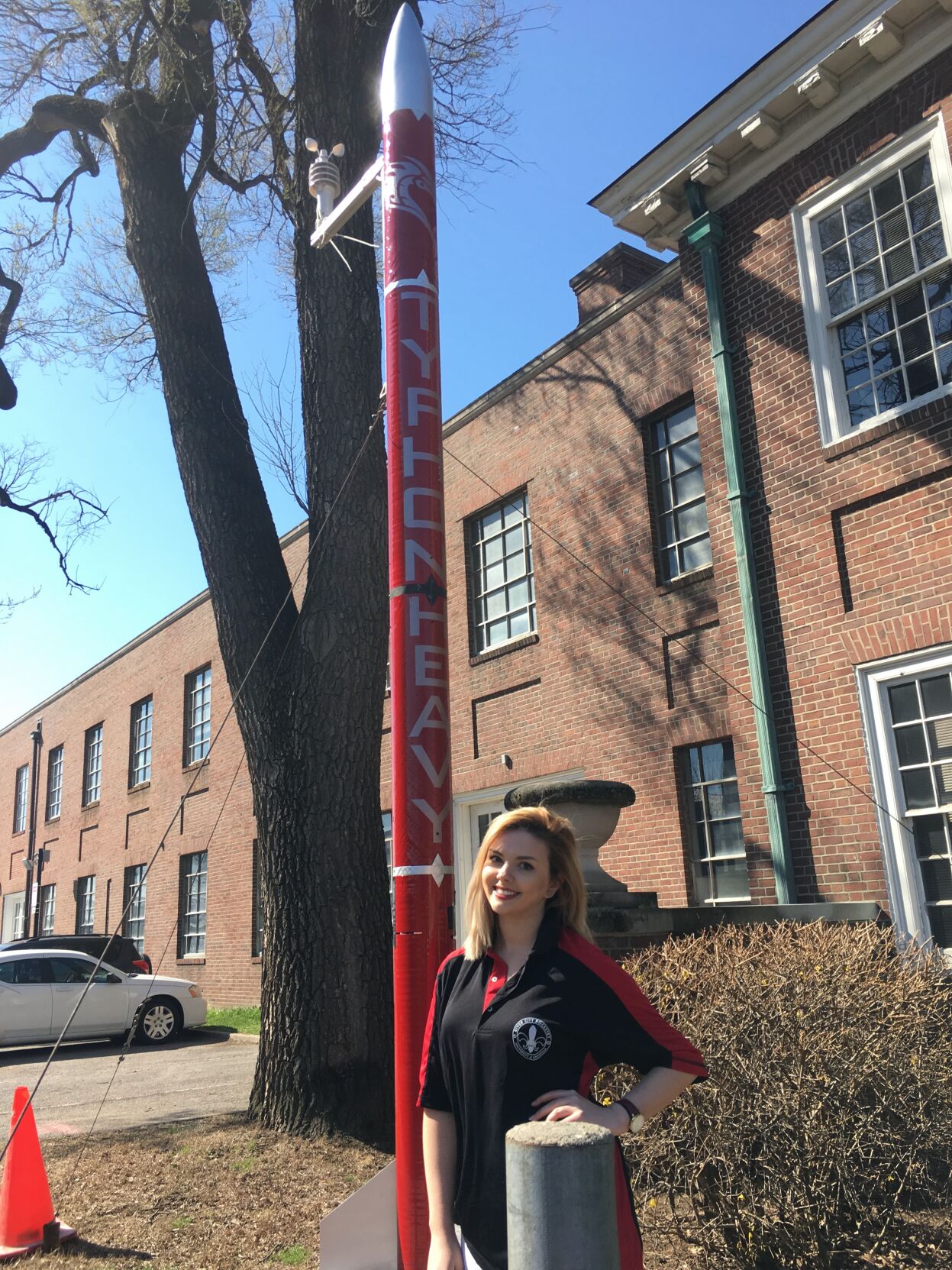
Alora Mazarakis grew up in Shelbyville, Kentucky and credits the UofL Speed School of Engineering and the River City Rocket Club for preparing her for a career as a flight communications and tracking engineer for NASA's Artemis I program. (Image provided by Alora Mazarakis)
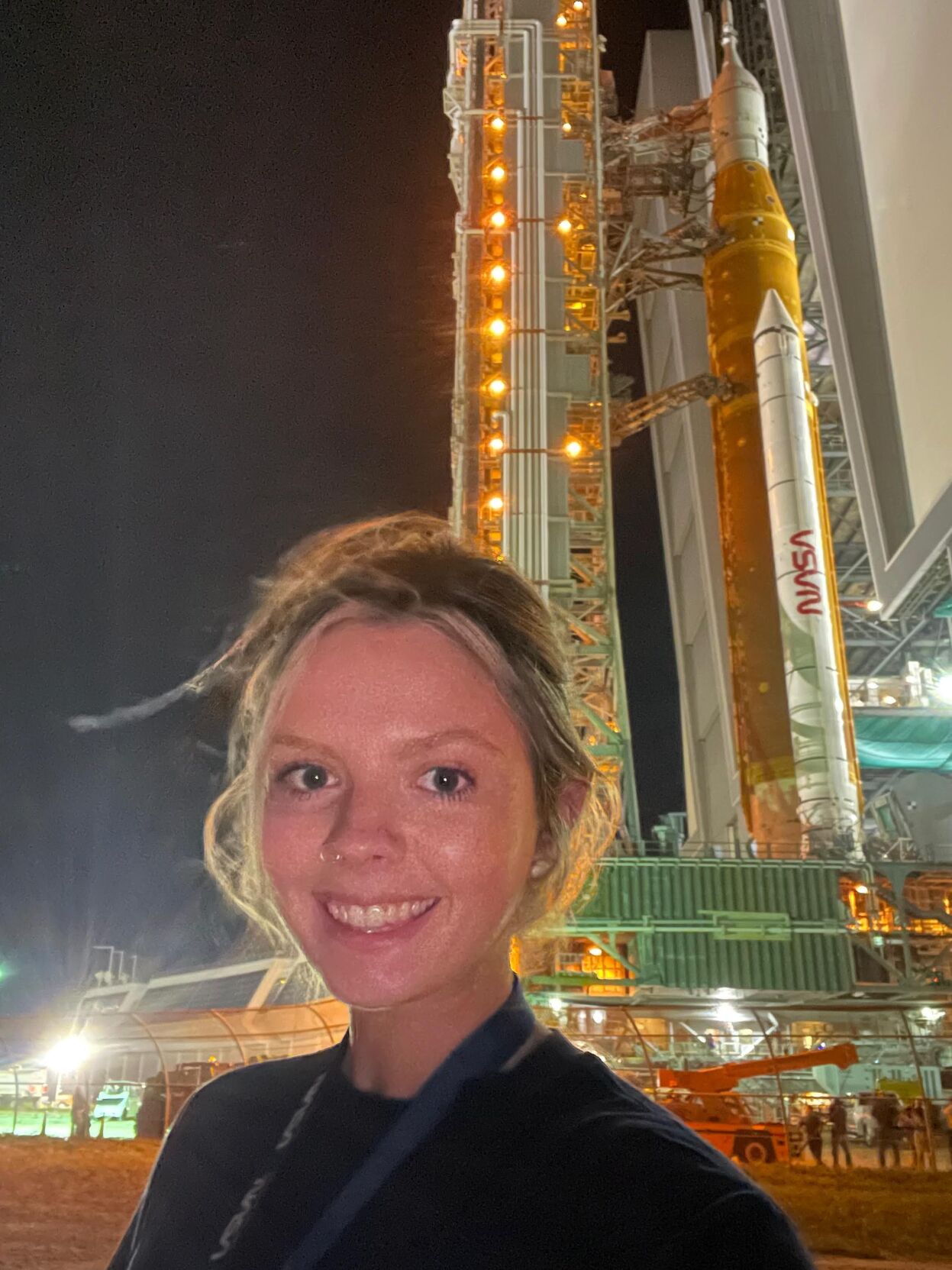
Alora Mazarakis grew up in Shelbyville, Kentucky and credits the UofL Speed School of Engineering and the River City Rocket Club for preparing her for a career as a flight communications and tracking engineer for NASA's Artemis I program. (Image provided by Alora Mazarakis)
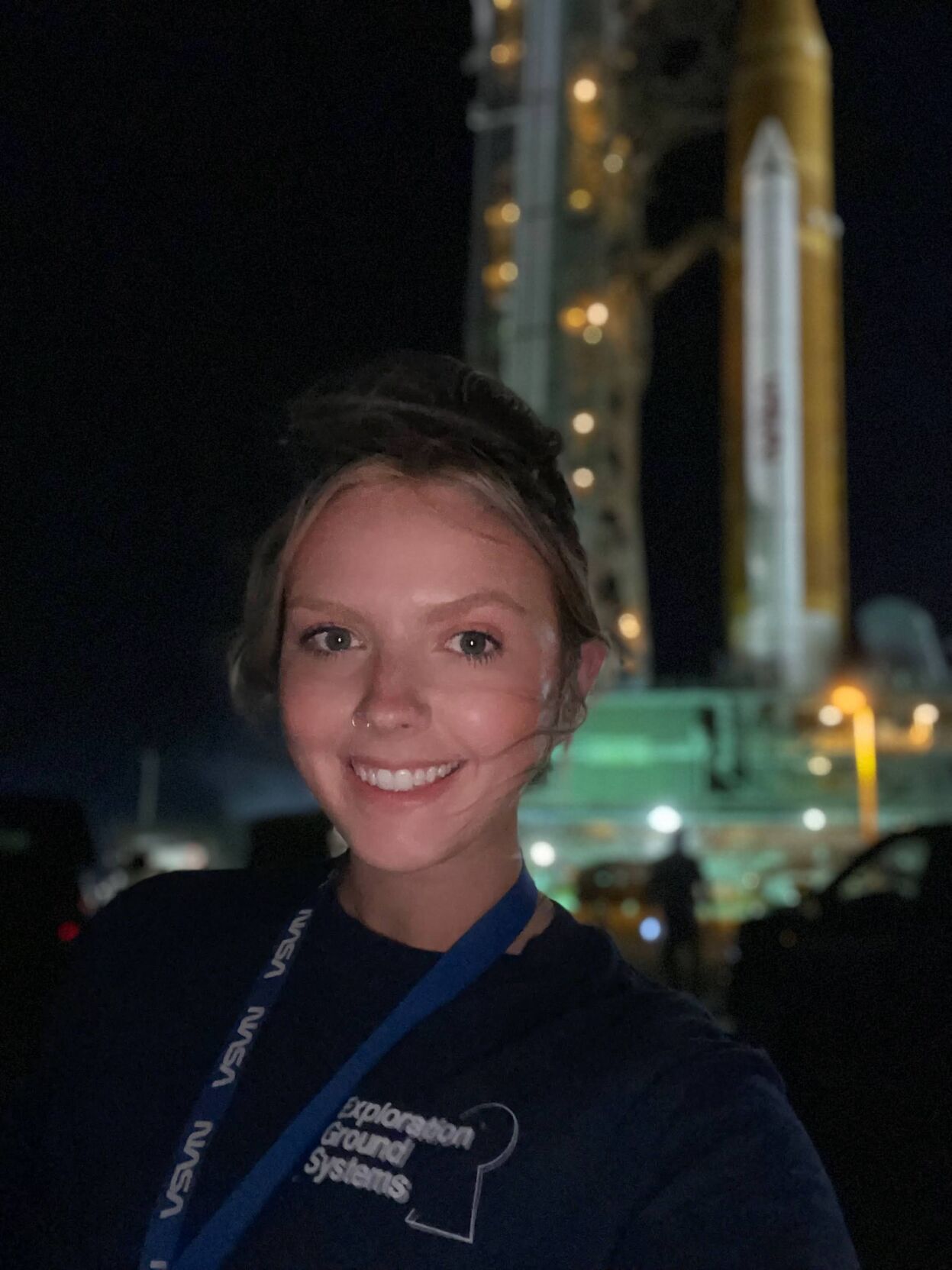
Alora Mazarakis grew up in Shelbyville, Kentucky and credits the UofL Speed School of Engineering and the River City Rocket Club for preparing her for a career as a flight communications and tracking engineer for NASA's Artemis I program. (Image provided by Alora Mazarakis)
Alora Mazarakis grew up in Shelbyville, Kentucky and credits the UofL Speed School of Engineering and the River City Rocket Club for preparing her for a career as a flight communications and tracking engineer for NASA's Artemis I program. (Image provided by Alora Mazarakis)
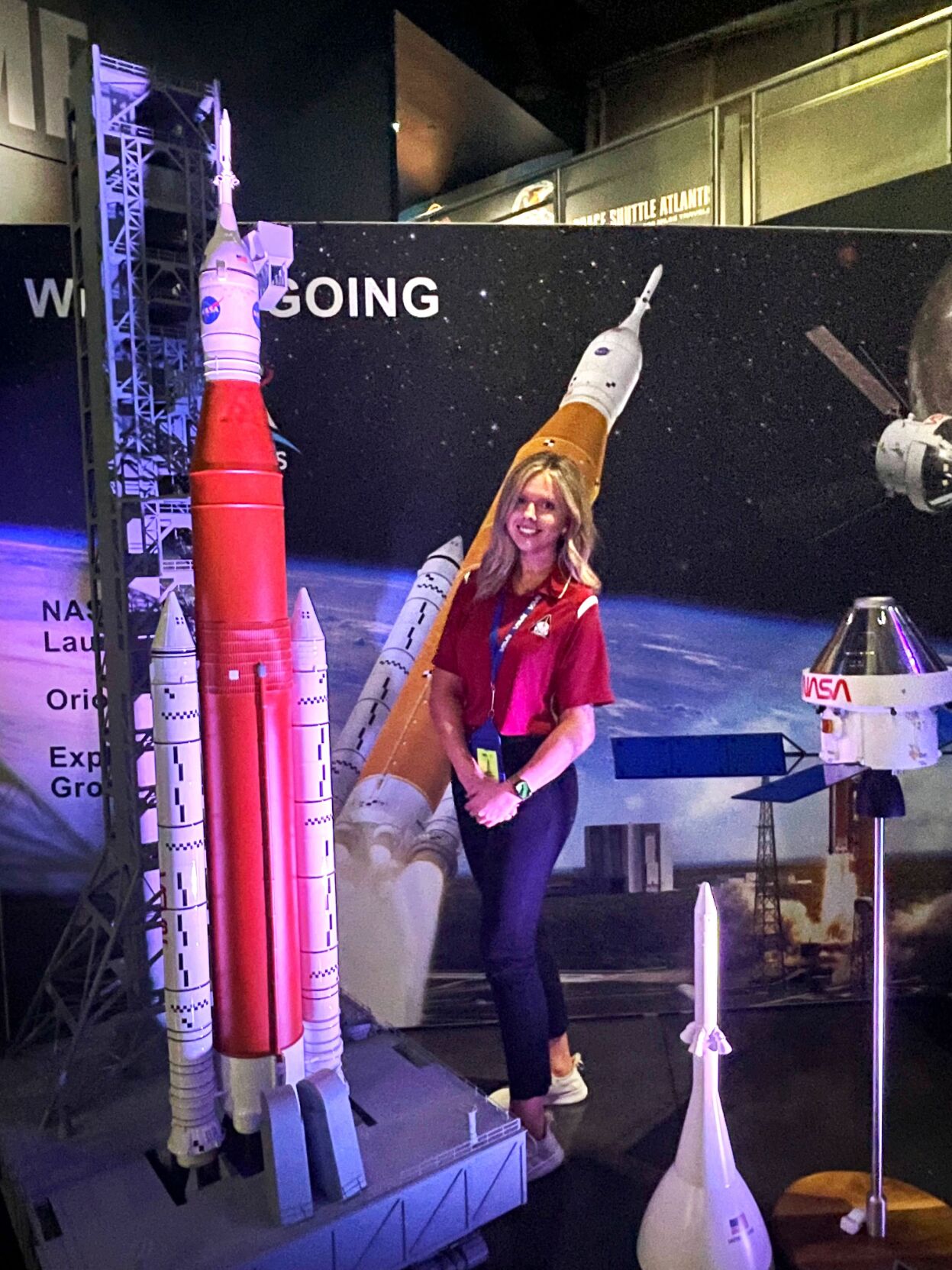
Alora Mazarakis grew up in Shelbyville, Kentucky and credits the UofL Speed School of Engineering and the River City Rocket Club for preparing her for a career as a flight communications and tracking engineer for NASA's Artemis I program. (Image provided by Alora Mazarakis)
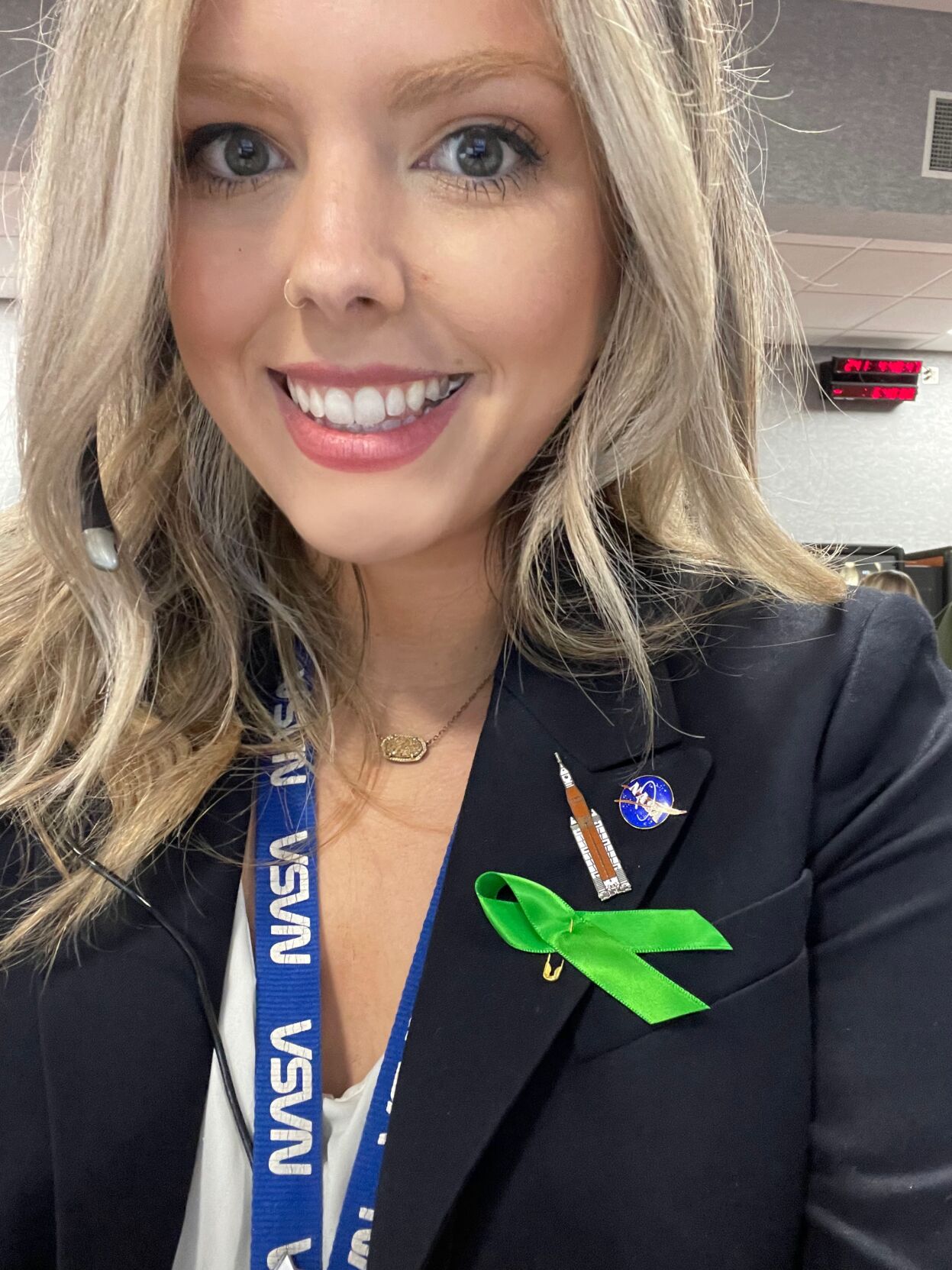
Alora Mazarakis grew up in Shelbyville, Kentucky and credits the UofL Speed School of Engineering and the River City Rocket Club for preparing her for a career as a flight communications and tracking engineer for NASA's Artemis I program. (Image provided by Alora Mazarakis)

Alora Mazarakis grew up in Shelbyville, Kentucky and credits the UofL Speed School of Engineering and the River City Rocket Club for preparing her for a career as a flight communications and tracking engineer for NASA's Artemis I program. (Image provided by Alora Mazarakis)
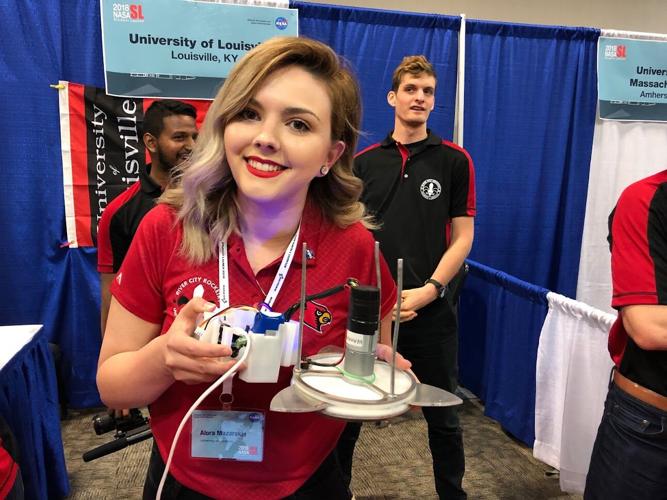
Alora Mazarakis grew up in Shelbyville, Kentucky and credits the UofL Speed School of Engineering and the River City Rocket Club for preparing her for a career as a flight communications and tracking engineer for NASA's Artemis I program. (Image provided by Alora Mazarakis)
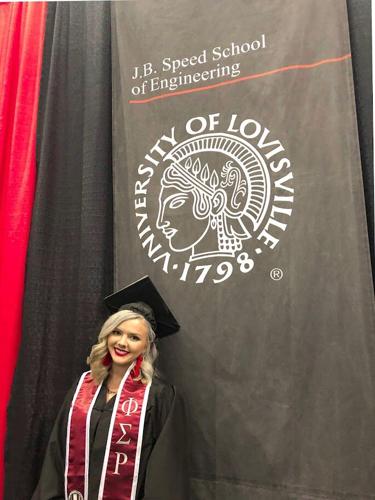
Alora Mazarakis grew up in Shelbyville, Kentucky and credits the UofL Speed School of Engineering and the River City Rocket Club for preparing her for a career as a flight communications and tracking engineer for NASA's Artemis I program. (Image provided by Alora Mazarakis)
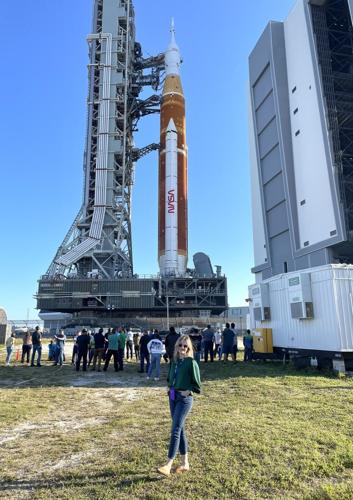
Alora Mazarakis grew up in Shelbyville, Kentucky and credits the UofL Speed School of Engineering and the River City Rocket Club for preparing her for a career as a flight communications and tracking engineer for NASA's Artemis I program. (Image provided by Alora Mazarakis)
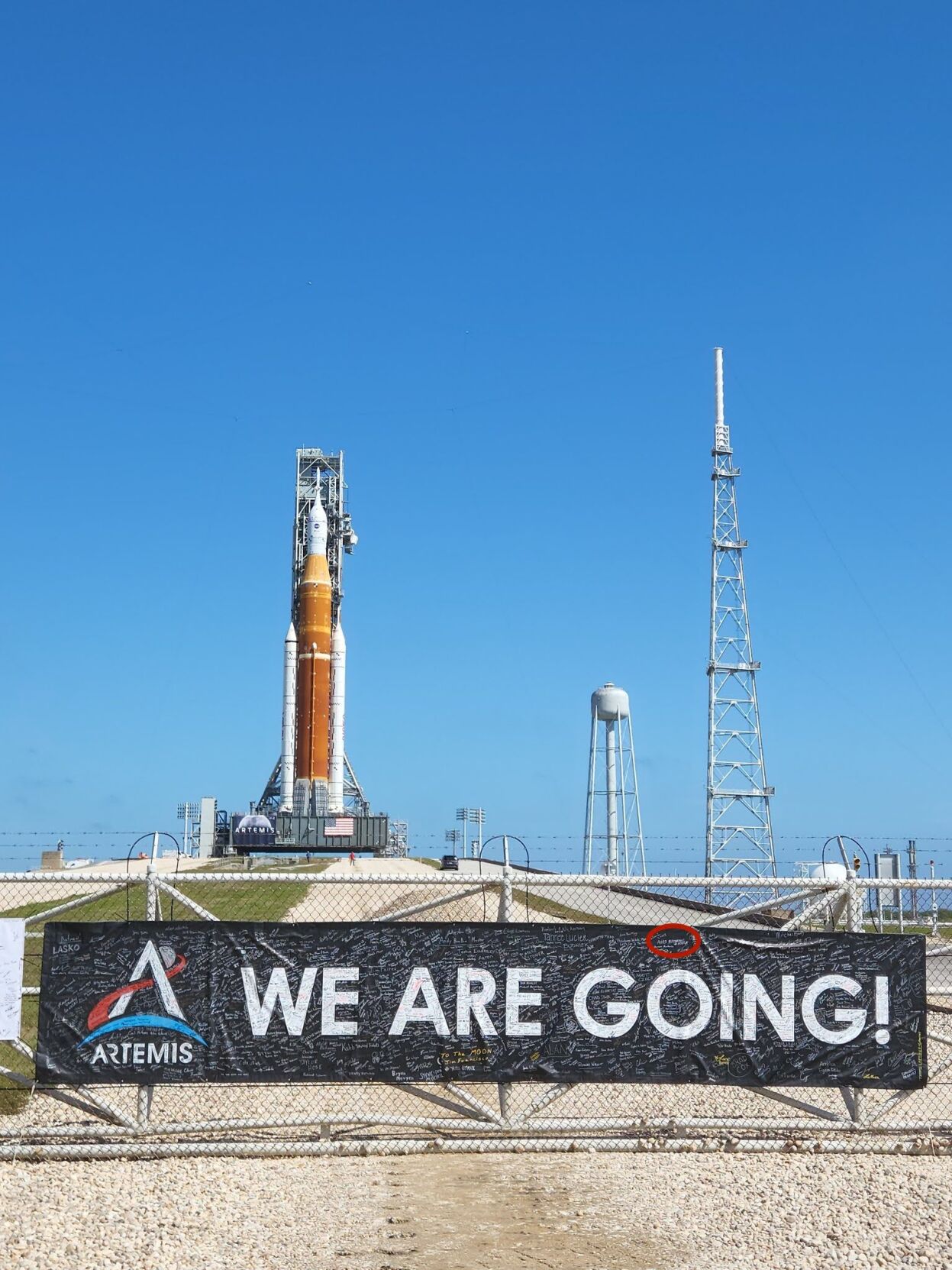
Alora Mazarakis grew up in Shelbyville, Kentucky and credits the UofL Speed School of Engineering and the River City Rocket Club for preparing her for a career as a flight communications and tracking engineer for NASA's Artemis I program. (Image provided by Alora Mazarakis)
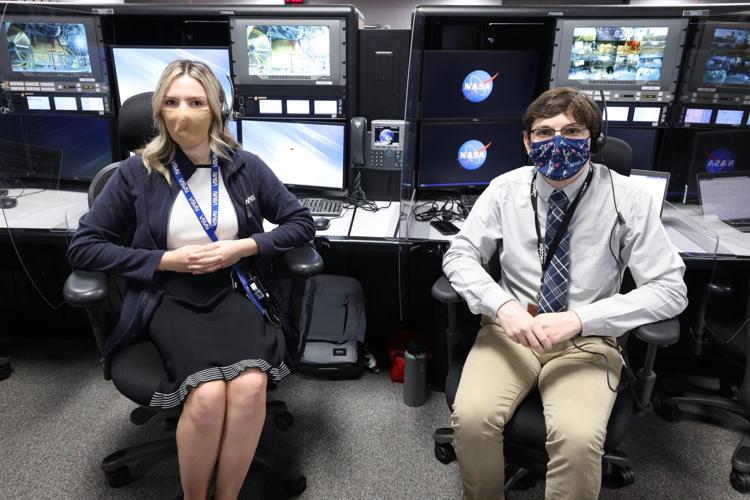
Launch team members are seated at consoles inside Firing Room 1 of the Launch Control Center at NASA’s Kennedy Space Center in Florida on Dec. 13, 2021. They are participating in a joint integrated simulation for the Artemis I launch that covered both cryogenic loading and terminal countdown portions of prelaunch activities. Members of NASA’s mission management team and launch team conducted the simulation together. The Kennedy team was certified for the Artemis I launch. During Artemis I, the agency’s Orion spacecraft will lift off from Kennedy aboard NASA’s most powerful rocket – the Space Launch System – to fly farther than any spacecraft built for humans has ever flown. Through NASA’s Artemis missions, the agency, along with commercial and international partners, will establish a sustainable human presence on the Moon to prepare for missions to Mars.
- NASA/Frank Michaux
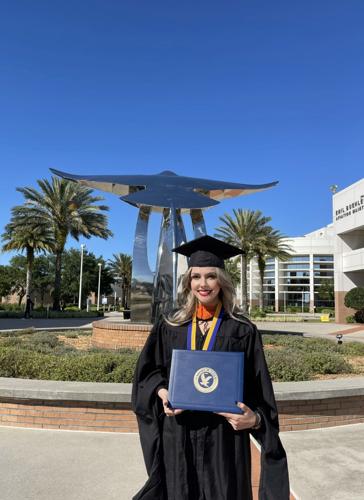
Alora Mazarakis grew up in Shelbyville, Kentucky and credits the UofL Speed School of Engineering and the River City Rocket Club for preparing her for a career as a flight communications and tracking engineer for NASA's Artemis I program. (Image provided by Alora Mazarakis)

Alora Mazarakis grew up in Shelbyville, Kentucky and credits the UofL Speed School of Engineering and the River City Rocket Club for preparing her for a career as a flight communications and tracking engineer for NASA's Artemis I program. (Image provided by Alora Mazarakis)
Alora Mazarakis
Alora Mazarakis grew up in Shelbyville, Kentucky and credits the UofL Speed School of Engineering and the River City Rocket Club for preparing her for a career as a flight communications and tracking engineer for NASA's Artemis I program. (Image provided by Alora Mazarakis)
Alora Mazarakis grew up in Shelbyville, Kentucky and credits the UofL Speed School of Engineering and the River City Rocket Club for preparing her for a career as a flight communications and tracking engineer for NASA's Artemis I program. (Image provided by Alora Mazarakis)
Alora Mazarakis grew up in Shelbyville, Kentucky and credits the UofL Speed School of Engineering and the River City Rocket Club for preparing her for a career as a flight communications and tracking engineer for NASA's Artemis I program. (Image provided by Alora Mazarakis)
Alora Mazarakis grew up in Shelbyville, Kentucky and credits the UofL Speed School of Engineering and the River City Rocket Club for preparing her for a career as a flight communications and tracking engineer for NASA's Artemis I program. (Image provided by Alora Mazarakis)
Alora Mazarakis grew up in Shelbyville, Kentucky and credits the UofL Speed School of Engineering and the River City Rocket Club for preparing her for a career as a flight communications and tracking engineer for NASA's Artemis I program. (Image provided by Alora Mazarakis)
Alora Mazarakis grew up in Shelbyville, Kentucky and credits the UofL Speed School of Engineering and the River City Rocket Club for preparing her for a career as a flight communications and tracking engineer for NASA's Artemis I program. (Image provided by Alora Mazarakis)
Alora Mazarakis grew up in Shelbyville, Kentucky and credits the UofL Speed School of Engineering and the River City Rocket Club for preparing her for a career as a flight communications and tracking engineer for NASA's Artemis I program. (Image provided by Alora Mazarakis)
Alora Mazarakis grew up in Shelbyville, Kentucky and credits the UofL Speed School of Engineering and the River City Rocket Club for preparing her for a career as a flight communications and tracking engineer for NASA's Artemis I program. (Image provided by Alora Mazarakis)
Alora Mazarakis grew up in Shelbyville, Kentucky and credits the UofL Speed School of Engineering and the River City Rocket Club for preparing her for a career as a flight communications and tracking engineer for NASA's Artemis I program. (Image provided by Alora Mazarakis)
Alora Mazarakis grew up in Shelbyville, Kentucky and credits the UofL Speed School of Engineering and the River City Rocket Club for preparing her for a career as a flight communications and tracking engineer for NASA's Artemis I program. (Image provided by Alora Mazarakis)
Alora Mazarakis grew up in Shelbyville, Kentucky and credits the UofL Speed School of Engineering and the River City Rocket Club for preparing her for a career as a flight communications and tracking engineer for NASA's Artemis I program. (Image provided by Alora Mazarakis)
Alora Mazarakis grew up in Shelbyville, Kentucky and credits the UofL Speed School of Engineering and the River City Rocket Club for preparing her for a career as a flight communications and tracking engineer for NASA's Artemis I program. (Image provided by Alora Mazarakis)
Alora Mazarakis grew up in Shelbyville, Kentucky and credits the UofL Speed School of Engineering and the River City Rocket Club for preparing her for a career as a flight communications and tracking engineer for NASA's Artemis I program. (Image provided by Alora Mazarakis)
Alora Mazarakis grew up in Shelbyville, Kentucky and credits the UofL Speed School of Engineering and the River City Rocket Club for preparing her for a career as a flight communications and tracking engineer for NASA's Artemis I program. (Image provided by Alora Mazarakis)
Alora Mazarakis grew up in Shelbyville, Kentucky and credits the UofL Speed School of Engineering and the River City Rocket Club for preparing her for a career as a flight communications and tracking engineer for NASA's Artemis I program. (Image provided by Alora Mazarakis)
Alora Mazarakis grew up in Shelbyville, Kentucky and credits the UofL Speed School of Engineering and the River City Rocket Club for preparing her for a career as a flight communications and tracking engineer for NASA's Artemis I program. (Image provided by Alora Mazarakis)
Alora Mazarakis grew up in Shelbyville, Kentucky and credits the UofL Speed School of Engineering and the River City Rocket Club for preparing her for a career as a flight communications and tracking engineer for NASA's Artemis I program. (Image provided by Alora Mazarakis)
Launch team members are seated at consoles inside Firing Room 1 of the Launch Control Center at NASA’s Kennedy Space Center in Florida on Dec. 13, 2021. They are participating in a joint integrated simulation for the Artemis I launch that covered both cryogenic loading and terminal countdown portions of prelaunch activities. Members of NASA’s mission management team and launch team conducted the simulation together. The Kennedy team was certified for the Artemis I launch. During Artemis I, the agency’s Orion spacecraft will lift off from Kennedy aboard NASA’s most powerful rocket – the Space Launch System – to fly farther than any spacecraft built for humans has ever flown. Through NASA’s Artemis missions, the agency, along with commercial and international partners, will establish a sustainable human presence on the Moon to prepare for missions to Mars.
- NASA/Frank Michaux
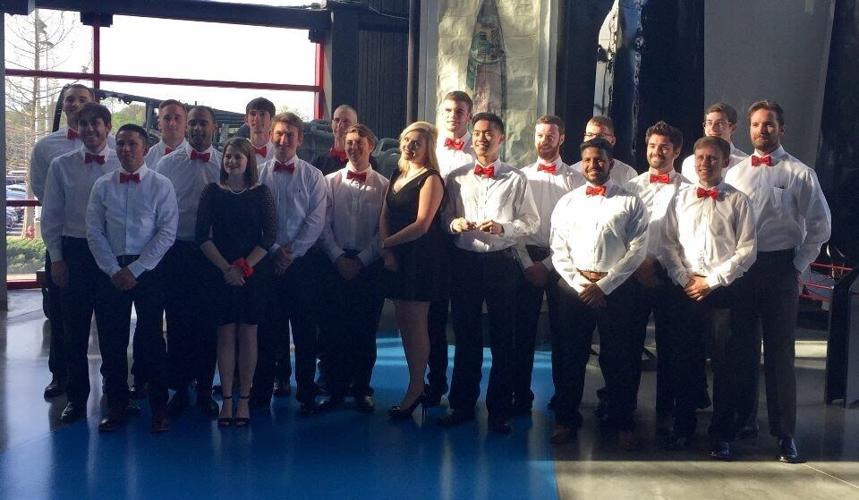
The River City Rocket Team
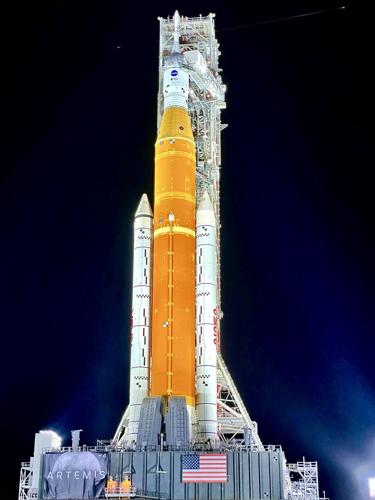
Artemis I (Credit: NASA)
Alora Mazarakis grew up in Shelbyville, Kentucky and credits the UofL Speed School of Engineering and the River City Rocket Club for preparing her for a career as a flight communications and tracking engineer for NASA's Artemis I program. (Image provided by Alora Mazarakis)
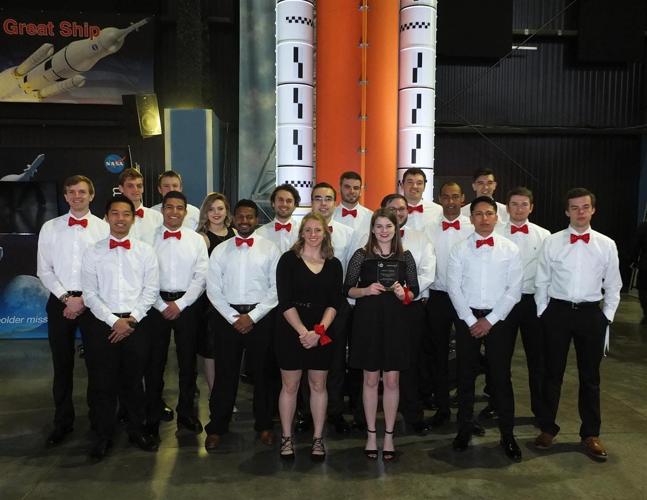
The River City Rocket Team
Alora Mazarakis grew up in Shelbyville, Kentucky and credits the UofL Speed School of Engineering and the River City Rocket Club for preparing her for a career as a flight communications and tracking engineer for NASA's Artemis I program. (Image provided by Alora Mazarakis)
"We will do a near-lunar orbit," Mazarakis said. "And I believe that will begin about 60 miles from the lunar surface, so we'll get a really cool view of the moon, I think."
The entire mission will last somewhere between 38 and 42 days.
"After it does the near lunar orbit, it's then going to go into what's called a distant retrograde orbit, which is a far lunar orbit," Mazarakis said. "I think it's, like, 640-ish-thousand miles from the surface of the moon, so pretty far."
With dummies standing in for live astronauts, NASA hopes to see how much it can stretch its new Orion crew module.
"The purpose of that is to put as much stress on the crew module as possible because for Artemis II, we'll have actual astronauts in there," Mazarakis said. "And the Artemis II mission is only 10-12 days long. It's not very long."
Alora Mazarakis grew up in Shelbyville. Now she's a rocketeer aiming to put men and women on the Moon.
"We want to test everything about our crew module," she continued. "We want to put it under the harshest conditions — the harshest solar conditions, the furthest orbits, the most stresses and strains. We want to make sure that it can handle absolutely everything."
And then, it's time to head back to earth.
Got my official tie cutting by LD herself. ❤️ Words can’t describe how proud and excited we all are for Artemis. #AdAstra #WeWent 🚀 pic.twitter.com/kKnTgj0T4i
— Alora (@mazarockets) November 16, 2022
"And the it's going to splash down about 60 miles off the coast of the Pacific Ocean," Mazarakis said. "All of it will be televised, I think. And once we go to recover the Orion Module, we have a big ship that's going to come in with a big mouth that opens up and it's going to scoop it up. And then we'll see it inside the ship and we'll evaluate everything about it."
To watch NASA's coverage of the launch, click here.
Related Stories:
Copyright 2022 WDRB Media. All Rights Reserved.


