


LOUISVILLE, Ky. (WDRB) -- Several new laws are scheduled to go into effect in the Commonwealth of Kentucky on Thursday, June 27.
The laws were passed during the Kentucky General Assembly's 2019 session.
Among other things, the new laws specify that law-abiding adults 21 and over can carry concealed firearms without a permit, employers must make certain accommodations for pregnant employees, and electric scooters will be regulated by state law.
According to a news release from the Kentucky Legislative Research Council, some of the new laws address the following topics:
CALLER ID: House Bill 84 will ban telephone solicitations that misrepresent the name or telephone number in caller identification services. It also increases fines for second offenses and allows for civil lawsuits against violators.

CONCEALED CARRY: Senate Bill 150 makes it possible for some Kentuckians to carry a concealed firearm without a concealed carry permit. Residents must be age 21 or older and must be legally eligible to possess a firearm. However, permitless carry will still be barred where prohibited by federal law.
FELONY EXPUNGEMENT: Senate Bill 57 expands the number of Kentucky residents eligible to have low-level felonies expunged from their criminal records. The move expands discretionary expungement to all Class D felonies with some exceptions for crimes such as stealing in office, abusing children and sexual abuse.
FREE SPEECH: House Bill 254, also referred to as the "campus free speech bill," requires the state's public universities to affirm they favor a free marketplace of ideas where speech is not suppressed because it's deemed "offensive, unwise, disagreeable, conservative, liberal, traditional and radical." It also expands areas commonly known as "free speech zones" on many campuses to any accessible, open, outdoor venue.
GOVERNMENT CONTRACTS: House Bill 135 will prohibit public agencies from requiring that their contractors on public works projects have agreements with labor organizations.
KINSHIP CARE: House Bill 2, also called the "kinship care bill," will create a caregiver assistance program for relatives and "fictive kin" -- usually close family friends -- of abused, neglected or dependent children. The measure does this by providing different options to the caregivers based on the level of care they provide. The legislation is designed to address growth in the out-of-home placement of Kentucky children amid the state's current opioid crisis.
LOBBYING: Senate Bill 6 requires any executive agency lobbyist compensation to be disclosed. It also bans compensation contingent on awarding a government contract. It provides oversight, in part, by requiring executive branch lobbyists to register and list their clients -- something that is already required of legislative lobbyists.
MIDWIVES: Senate Bill 84 recognizes, certifies and regulates home-birth midwives in Kentucky. The measure creates a council to advise the state Board of Nursing on the creation of regulations regarding qualifications, standards for training, competency, any necessary statutory changes and all other matters relating to certified professional midwives.
PREGNANCY: Senate Bill 18, the Kentucky Pregnant Workers Act, makes it unlawful for an employer to fail to make certain accommodations for a pregnant employee and requires employers to provide notice to employees regarding those rights.
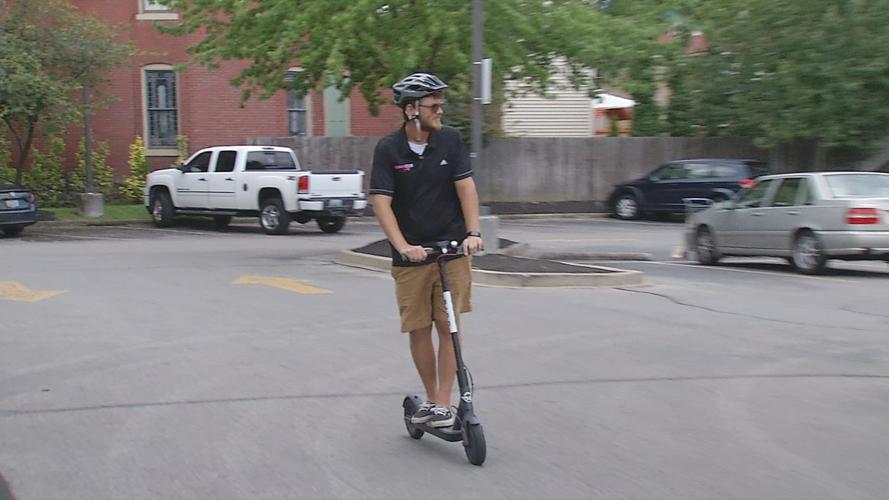
SCOOTERS: House Bill 258 sets operating standards for electric scooters and allows the vehicles to be legally operated much like bicycles on public streets. It also limits e-scooter speeds to no more than 20 mph.

Bird, an electric scooter rental service, recently brought its scooters to Louisville.
SEX CRIMES: Senate Bill 67 will create the offense of sexual crimes against an animal.
STRANGULATION: Senate Bill 70 will make "non-fatal strangulation" its own felony crime under Kentucky's criminal code.
STUDENT LOAN DEBT: House Bill 118, also known as the "Keep Americans Working Act of 2019," will bar someone from having an occupational license suspended or revoked because of delinquency on a student loan or work-conditional scholarship. The measure is meant to help keep people with student loan debt out of poverty and in the workforce.
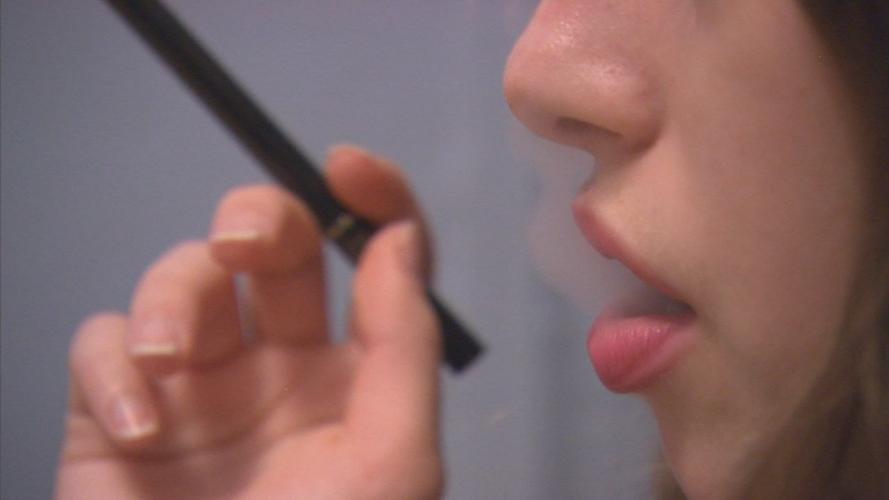
TOBACCO: House Bill 11 bans the use of tobacco, e-cigarettes and vaping devices on public school campuses, in school vehicles and at school activities, beginning with the 2020-21 school year. School districts would have up to three years to opt out of the ban should they choose. The individual districts not opting out will also be able to set the penalties for violating the ban.

Copyright 2019 by WDRB Media. All rights reserved.


