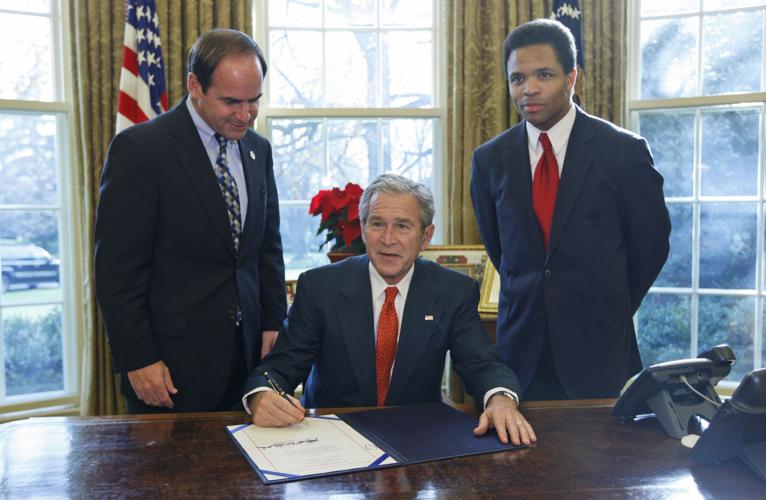
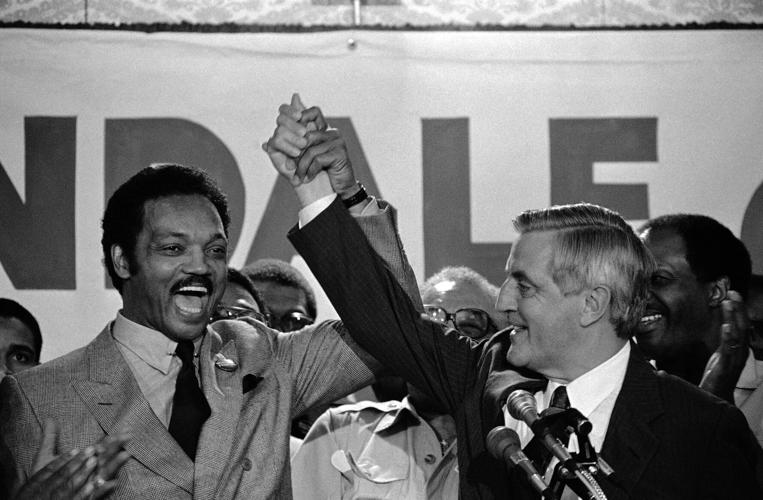
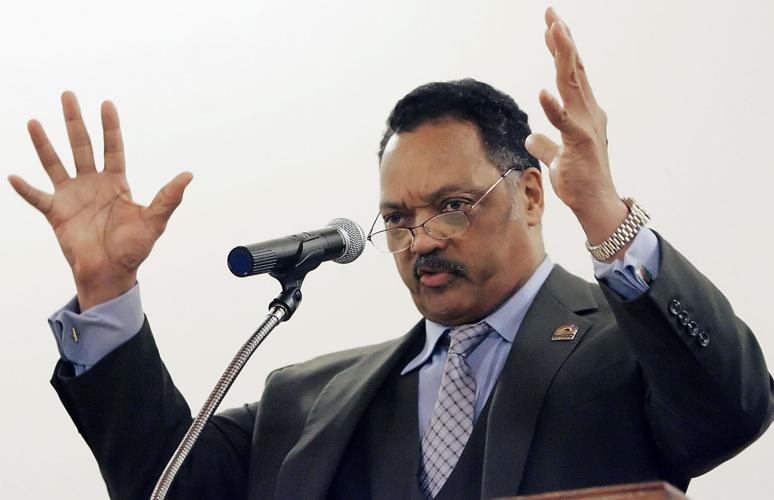
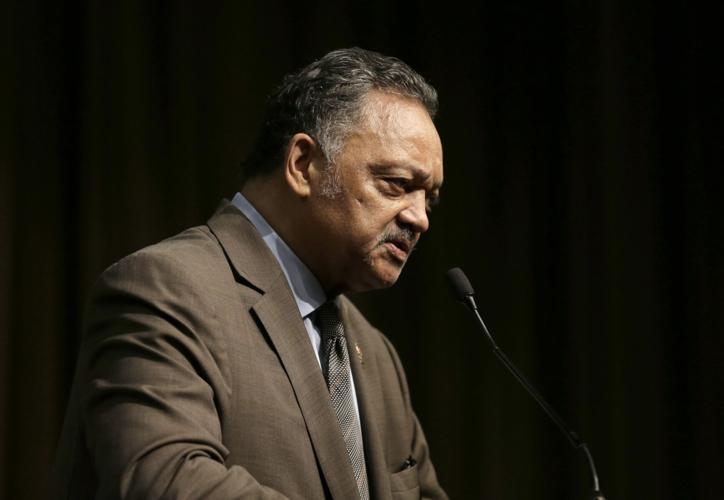
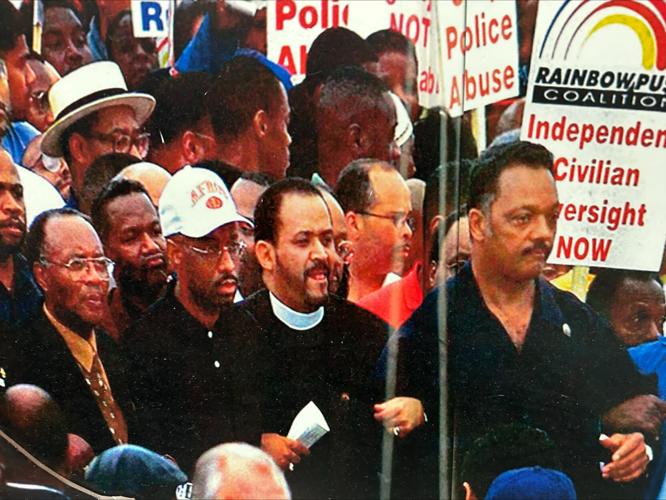



LOUISVILLE, Ky. (WDRB) -- The Rev. Jesse Jackson, the longtime civil rights activist and two time Democratic presidential candidate, died Tuesday, leaving behind a decades long legacy of advocacy that reached cities across the country, including Louisville. He was 84.
Santita Jackson confirmed that her father died at home in Chicago, surrounded by family.
"Our father was a servant leader — not only to our family, but to the oppressed, the voiceless, and the overlooked around the world," the Jackson family said in a statement posted online. "We shared him with the world, and in return, the world became part of our extended family."
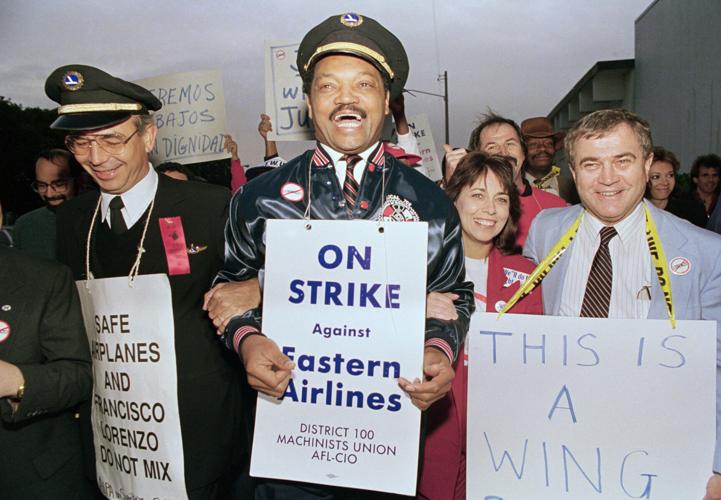
Jackson, founder of the Rainbow PUSH Coalition, spent decades pushing for racial equality, voting rights, economic empowerment and corporate accountability. A close ally of King in the 1960s, Jackson helped carry the civil rights movement into the political arena, building multiracial coalitions and encouraging Black Americans to seek public office at every level of government.
News | Crime | Business | Community
His influence reached Louisville at pivotal moments in the city's history.
In 2020, as Louisville became a focal point of national protests following the police killing of Breonna Taylor, Jackson traveled to the city to stand with demonstrators and faith leaders. Speaking at St. Stephen Baptist Church, he called for peaceful protest, federal voting protections and systemic reform in policing and the courts. He also met privately with community leaders, reinforcing Louisville's place in the broader national reckoning over race and justice.
Jackson's connection to Louisville extended beyond moments of crisis. Simmons College of Kentucky, the city's historically Black college, later established a racial justice center bearing his name, honoring his lifelong commitment to education, economic equity and civic engagement.
The partnership reflected the way Jackson's national advocacy resonated locally, particularly within Louisville's Black faith and academic communities.
Simmons College president and Louisville pastor, Dr. Kevin Cosby, is a longtime friend of Jackson's.
"I have a feeling deep gratitude for a life that was well lived, and the privilege and honor of personally getting to know Jesse Jackson and to have his influence in my life, his influence on our city, and his influence, especially on Simmons College of Kentucky," Cosby said Tuesday.
Cosby recalled his friendship with Rev. Jackson, calling him an "icon" and praising his social justice efforts.
"He was just a down to earth, jovial kind of person... who was brilliant, who had his challenges and had his flaws - like all of us do - but ultimately our society is better, America is better, the black community is better, race relationships is better, and I know I am better because God sent Rev. Jackson our way."

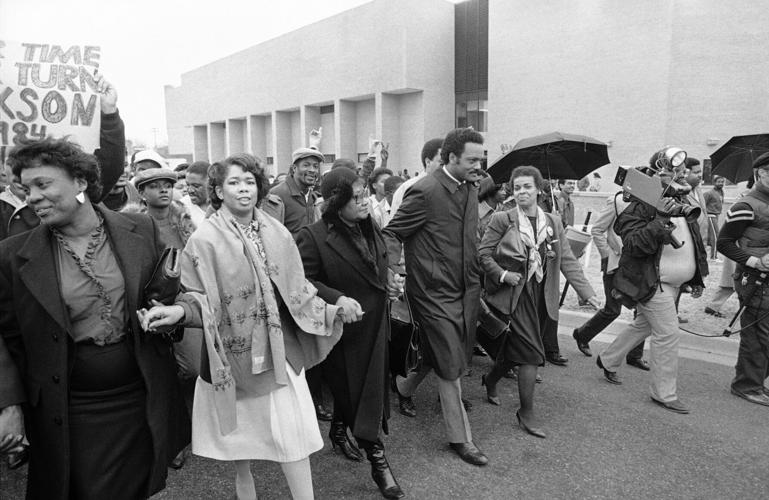
Louisville leaders Rev. Charles Elliott and Dr. Kevin Cosby march alongside Rev. Jesse Jackson.
With his death, Louisville leaders are reflecting not only on a national figure, but on a man who stood in their pulpits, marched in their streets and tied their community's challenges to the broader pursuit of justice he championed for more than half a century.
Louisville activist and pastor Rev. Charles Elliott met Jackson while organizing during the civil rights movement.
"We were marching against racism," Elliott said. "So, in that fellowship, we became very close together."
The pair, along with others, marched together during times of unrest. Rev. Elliott worked on Jackson's presidential campaign and partnered with him to help elect Black leaders, like Georgia Davis Powers and Mae Street Kidd, to Kentucky’s statehouse.
"I never will forget Jesse saying, 'You got a red truck, and you got a black truck,'" Elliott said. "He said, 'Well, both of them are trucks.' I said, 'Yeah, that makes some sense. So, you got white skin, you got dark skin, you got brown skin, but all of us are God's children.' So that always stayed with me."
For many in Louisville, Jackson's visits served as both encouragement and reminder that the city's struggles were part of a much larger story. His appearances connected local activism to a civil rights tradition stretching back to the 1960s, while underscoring ongoing debates over equity, policing and opportunity in Kentucky's largest city.
"Rachel and I are saddened by the passing of Rev. Jesse Jackson, a tireless leader in the fight for civil rights and human dignity," Louisville Mayor Craig Greenberg said in a post on X. "He challenged our nation to be better and expanded opportunity for generations of Americans. His legacy is a powerful reminder that progress comes when we stand up for one another and keep moving forward together. We offer our condolences to his family and to all who were inspired by his life. May his memory be a blessing."
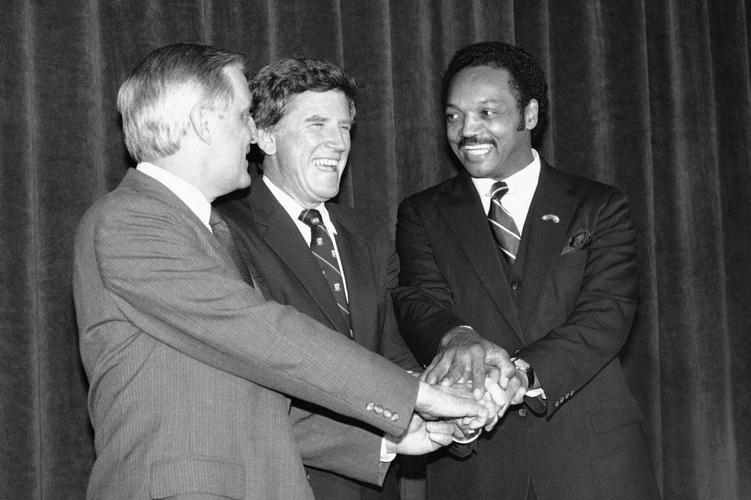
Nationally, Jackson broke barriers in presidential politics. His campaigns in 1984 and 1988 expanded voter participation and helped lay groundwork for future candidates of color. He championed the concept of a "Rainbow Coalition," urging Americans across racial and economic lines to find common cause in fighting poverty and discrimination.
Jackson had his share of critics, both within and outside of the Black community. Some considered him a grandstander, too eager to seek out the spotlight. Looking back on his life and legacy, Jackson told The Associated Press in 2011 that he felt blessed to be able to continue the service of other leaders before him and to lay a foundation for those to come.
"A part of our life's work was to tear down walls and build bridges, and in a half century of work, we've basically torn down walls," Jackson said. "Sometimes when you tear down walls, you're scarred by falling debris, but your mission is to open up holes so others behind you can run through."
In his final months, as he received 24-hour care, he lost his ability to speak, communicating with family and visitors by holding their hands and squeezing.
"I get very emotional knowing that these speeches belong to the ages now," his son, Jesse Jackson Jr., told the AP in October.
Top Stories:
Death investigation underway after boy found shot to death at east Louisville park, police say
Proposed bill would freeze property tax increases for Kentucky homeowners 65 and older
Here's how JCPS plans to build new schools despite a $188 million budget deficit
Copyright 2026 WDRB Media. All Rights Reserved.